How Far Apart Should Step Lights Be Installed
For the majority of residential applications, the ideal step lights spacing is between 24 and 36 inches, while for business projects, the spacing may need to be closer, between 18 and 24 inches, based on safety regulations and the amount of foot traffic. The exact distance relies on things like the width of the stairs, the amount of light coming in, the lighting in the room, and local building codes. When the lights are spaced out correctly, they give off even light without any dark spots or glare that could be dangerous.
Understanding the Importance of Step Light Spacing
As well as making steps safer, step lights can also make places look better, both in homes and businesses. The distance between lights has a direct effect on how well you can see, how safe you feel, and how the lighting looks generally. When lights are placed too far apart, dark areas form between lit areas that could be dangerous and cause people to trip. On the other hand, putting bulbs too close to each other can cause light pollution, wasted energy, and annoying glare.
Safety Considerations in Step Lighting Design
When figuring out how often to place lights, safety is still the most important thing. Most places' building rules say that stairs must have enough lighting to keep people from falling. The International Building Code says that stair steps should have at least one foot-candle of light, which changes the largest distance that can be between lights. Professional lighting designers figure out these lengths by looking at the photometric data of different lights. This makes sure that safety rules are followed while still allowing people to see clearly.
Aesthetic Balance and Design Harmony
Step lights spacing has an impact on the aesthetics of building areas in addition to safety concerns. Even spacing along stairs provides flow and visual continuity, which improves the look of the whole design. Spacing that isn't even can look messy and sloppy, especially in business settings where brand image is important. The design of spacing should go with the style and size of the architecture in the area.
Indoor versus Outdoor Spacing Requirements
Different space problems arise for indoor and outdoor systems. Because of controlled natural light and shorter viewing distances, step lighting inside usually needs more precise spacing control. When installing something outside, you have to think about how it will stand up to the weather, how it will look from different angles, and how the light will change throughout the day and year.
Key Guidelines and Standards for Step Light Spacing
Setting up the right spacing rules requires knowing both the rules set by the government and how things work in real life. Following these rules will help you put step lights correctly on a range of different types and sizes of projects.
Residential Step Lighting Standards
When it comes to residential uses, the spacing between fixtures can be more open, but most experts suggest 24 to 36 inches. This distance between steps works for most home stair sizes and gives enough light for normal family use. The exact distance within this range relies on the light sources that are used and how even the lighting is that is wanted.
Commercial and Public Space Requirements
Safety rules and accessibility standards must be followed more strictly in commercial setups. As part of the Americans with Disabilities Act, lighting design choices are influenced by rules that include the need for consistent lighting levels. To handle more foot traffic and different user needs, such as those with visual problems, commercial step lights spacing is frequently required at closer intervals, typically 18 to 24 inches.
Energy Efficiency Considerations
Modern LED step lighting technology lets you choose a wider range of spacing options while still using less energy. High-efficiency LED lighting can provide enough light over longer distances, which could mean that there can be bigger gaps between lights without affecting safety. This feature meets performance standards while lowering startup costs and ongoing energy use.
Smart settings and incorporating sunshine are also parts of energy-efficient spacing strategies. Motion monitors and daylight collecting systems can change the amount of light in a room based on how it is being used and the weather outside to save energy. By letting lights respond dynamically, these technologies affect choices about the best spacing.
Comparing Step Light Spacing Across Different Scenarios
Fixture spacing needs to be adjusted for each placement situation based on the surroundings, the needs of the users, and the limitations of the building. Knowing about these differences helps you make better choices for certain types of projects.
Material-Specific Spacing Strategies
The type of material used for the stairs affects both how they look and how they work. For wooden stairs, a little more space between each step can help show off the natural grain patterns, while for concrete or stone steps, less space between each step may be needed to stop them from absorbing light. Metal stairs are different because they can reflect glare, which changes how far apart you should put your steps.
Width and Scale Considerations
Stair width has a big effect on how far apart things need to be. Narrow home stairs may be able to handle wider spacing between lights, but large business stairs need more complete lighting plans. If you want to cover the whole width of wide stairs, you might need more than one row of fixtures or special wide-beam lights.
Technology Integration Impact
More and more, modern step lighting uses smart technologies that change how far apart the lights are placed. When integrating motion sensors, you need to think about how they notice things and how long they take to respond. Wireless control systems let you set up space in more ways because they let you control and program each light individually. These technology advances make it possible to build things in more ways while still meeting safety and efficiency standards.
Smart lighting systems also allow adaptable spacing strategies, in which the strength of the fixtures can be changed to make up for uneven spacing needs caused by building restrictions. This versatility is especially useful in repair situations where existing structure elements limit ideal fixture placement.
Practical Step Light Placement Tips for Enhanced Visibility and Safety
Practical installation considerations that go beyond simple distance estimates are necessary for implementing effective step lights spacing. These useful suggestions will help make sure that installations go well and meet both safety and aesthetic goals.
Calculation Methods and Tools
Professional lighting design tools can help you figure out the best distance between fixtures based on their features and the needs of the project. When making these tools, they take into account things like how the light is distributed, how high they are mounted, how much light is already there, and how much light is needed. For smaller jobs, there are other options, such as using maker photometric data to do calculations by hand.
The first step in the calculation process is to figure out how much light is needed based on codes and user requirements. Fixture photometric data shows how the light is spread out and how strong it is at different distances. Then, formulas are used to find the farthest distance between fixtures that will keep the minimum amount of light on the whole stair surface.
Retrofit Project Challenges
Existing stairs make it hard to set the right distances apart because of structural and mobility issues. For retrofit projects to get the best lighting performance within the frames of existing buildings, people often have to think of creative solutions. Cable routing, access to the power source, and mounting places on the structure may force adjustments in space that need to be carefully thought through.
To get around limited space, successful retrofit setups often use a mix of different fixture kinds and mounting methods. Different spacing choices are available for recessed fixtures, surface-mounted options, and strip lighting solutions. These can all be mixed in the same application to get the performance levels you want.
Voltage Drop and Electrical Considerations
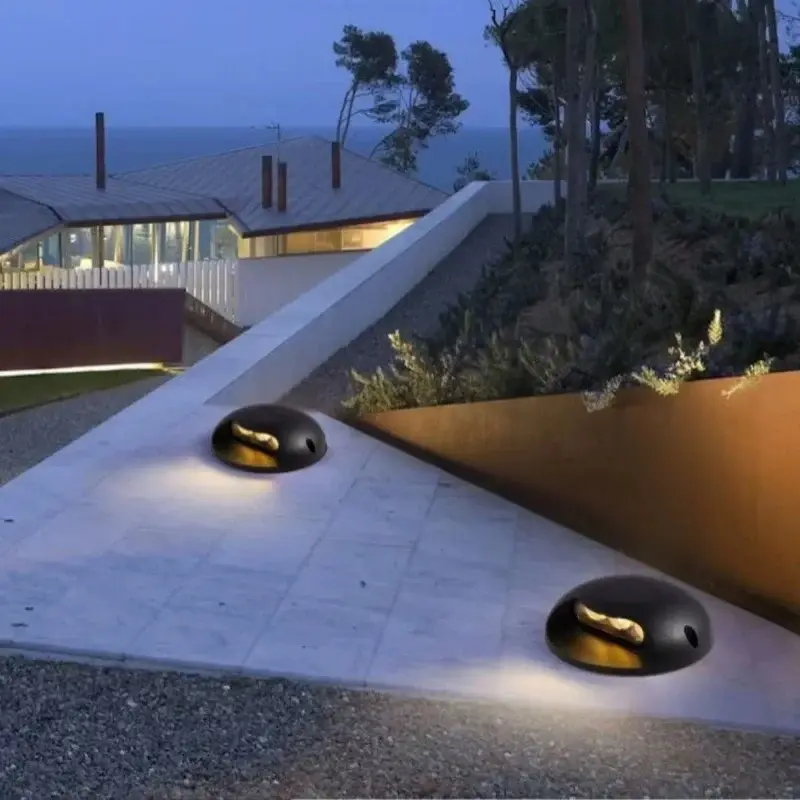
When planning how far apart to put the lights, low-voltage LED step lighting systems have to take voltage drop over long wire runs into account. Too much space between lights and power sources can make them work less well and cause color temperature changes. If you plan your electrical work well, all of your lights will work the same way, no matter where they are in the lighting system.
Procuring Step Lights with Spacing Optimization in Mind
For step lighting projects to go well, they need to carefully plan their purchases so that they take into account the needed spacing from the very beginning, when choosing the products. Knowing how different fastener features affect space choices helps you make better buying decisions and achieve better project results.
Fixture Selection Criteria
When looking at step lighting goods, the photometric performance has a direct effect on the estimates for the best spacing. Fixtures with wider beam angles can be placed farther apart, while fixtures with narrow beams need to be placed closer together. Configuration of the LED chip, visual design, and the shape of the case all affect how light is distributed, which in turn determines how far apart the chips need to be.
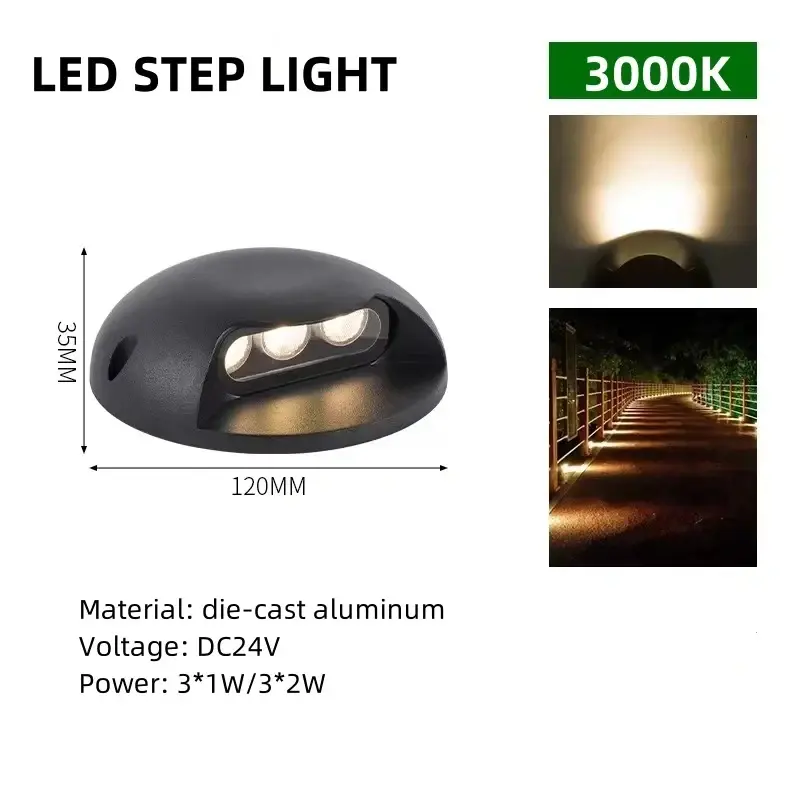
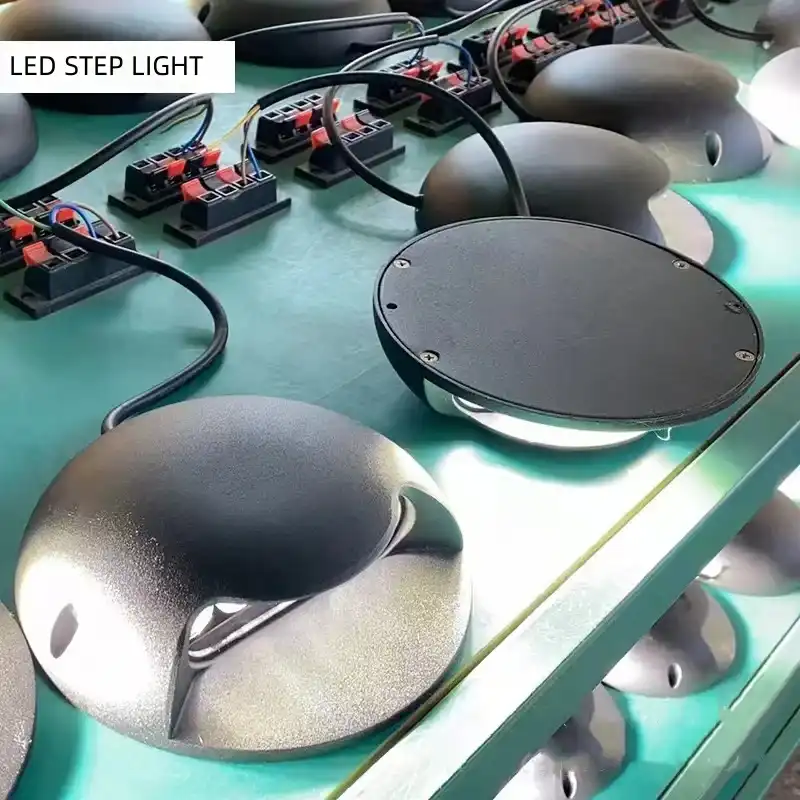
The company USKYLED specializes in making LED step lights that work well with a wide range of spacing requirements. Our lights have flicker-free operation and high CRI scores above 90, which makes them more comfortable to look at at any distance. The advanced optical design lets you choose different spacing choices while keeping the quality of the light constant.
Customization Options for Specific Projects
Customized lighting solutions that are made to fit specific space needs are often helpful for big business projects. To get the best performance for a certain building, custom optics, housing changes, and built-in control systems can be made. Working with makers that let you customize gives you more options for getting the right space arrangements.
Supplier Consultation Services
Consulting services from experts help you figure out the complicated link between the features of a device and the best spacing between them. Lighting makers with a lot of experience can give you photometric analysis, spacing estimates, and fitting suggestions based on the details of your project. This expert support is very helpful for making sure that setups go smoothly and meet all performance and legal requirements.
USKYLED offers full expert help during the whole process of buying and installing. To ensure the best possible performance results, our engineering team helps with step lights spacing calculations, product selection, and installation plans. As part of this support, photometric analysis, unique solution creation, and ongoing expert help are all offered.
Conclusion
The right distance between step lights is a very important mix between safety needs, energy savings, and looks. The best distance between them is usually between 18 and 36 inches, but it depends on the type of application, the fastener, and the rules in your area. By knowing about these factors, you can make smart choices that lead to projects that meet both useful and aesthetic needs. Professional advice and high-quality lights from reputable companies like USKYLED make sure that the right space is used for all kinds of projects, no matter how big or small they are.
FAQ
What is the standard distance for step light spacing?
Standard step lights spacing ranges from 18 to 36 inches depending on the application. Residential installations typically use 24 to 36-inch spacing, while commercial projects often require closer 18 to 24-inch intervals to meet safety codes and accommodate higher foot traffic.
How do I calculate the ideal spacing for my stairs?
Find the best distance between fixtures by figuring out how much light they need, looking at their optical data, and using methods for spacing that are based on how the light is distributed. Professional lighting design software does the most exact estimates, but for easier installations, you can do the math by hand using the manufacturer's instructions.
Can motion sensors affect step light spacing requirements?
Motion sensors can affect choices about space by turning on features that save energy and lighting that changes based on the motion. But patterns of sensor recognition and reaction times need to be thought about to make sure that the whole staircase is reliably activated. In some cases, the sensors may need to be closer together to make sure they cover the whole area.
What happens if step lights are spaced too far apart?
When there is too much space between lights, dark spots appear that make the lighting less safe and less consistent. These holes can make it easy to trip, and they don't meet the minimum lighting standards set by the building code for stairs.
Do different step materials require different spacing strategies?
Different materials do change how far apart things need to be. Dark materials absorb light and need to be placed closer to the fixtures, while light-colored materials reflect more light and may allow for wider space. Surface roughness also changes how light is spread out and how to decide on the best space.
Partner with USKYLED for Optimal Step Lighting Solutions
In both business and domestic settings, USKYLED makes LED step lights that are precisely engineered to have the right step lights spacing. For perfect spacing execution on your projects, our experienced team offers full planning services, custom OEM solutions, and technical support. Get in touch with sales@uskyled.com to talk about your step lighting needs and find out how our cutting-edge LED technology can improve safety and looks.
References
1. International Building Code Step Lighting Requirements and Safety Standards for Commercial Applications
2. LED Step Light Photometric Performance Analysis and Spacing Calculation Methods
3. Energy Efficiency Guidelines for Outdoor Step Lighting in Commercial Buildings
4. Americans with Disabilities Act Accessibility Standards for Stair Lighting Design
5. Professional Lighting Design Handbook for Step and Pathway Illumination Systems
6. Building Safety Codes and Regulations for Step Lighting in Public Facilities

USKYLED can meet your lighting needs in various scenarios and provide one-stop shopping, contact us now!
Why You Should Choose USKYLED?
![What is Dimmable Track Lighting for Museum: Best Guide [2025]](/icms/upload/0d08cc601e7611f0b542b3ca0c0f4a83/pic/knowledgemanager-knowledgepic/e7879f32605f11f081911f363b8c1ed0/Directory/20250717 dimmable track lighting -1(1)_1752739217941.webp)