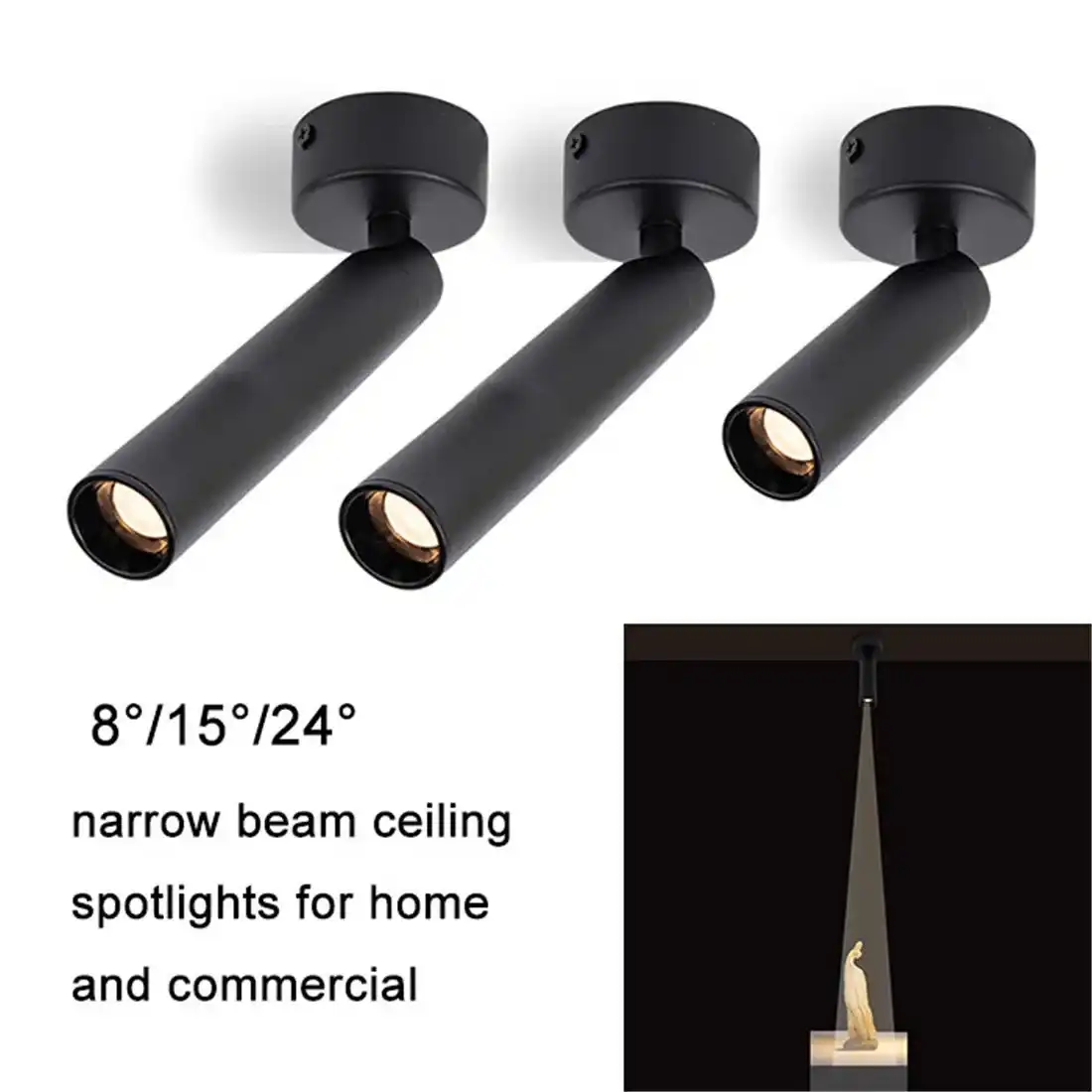
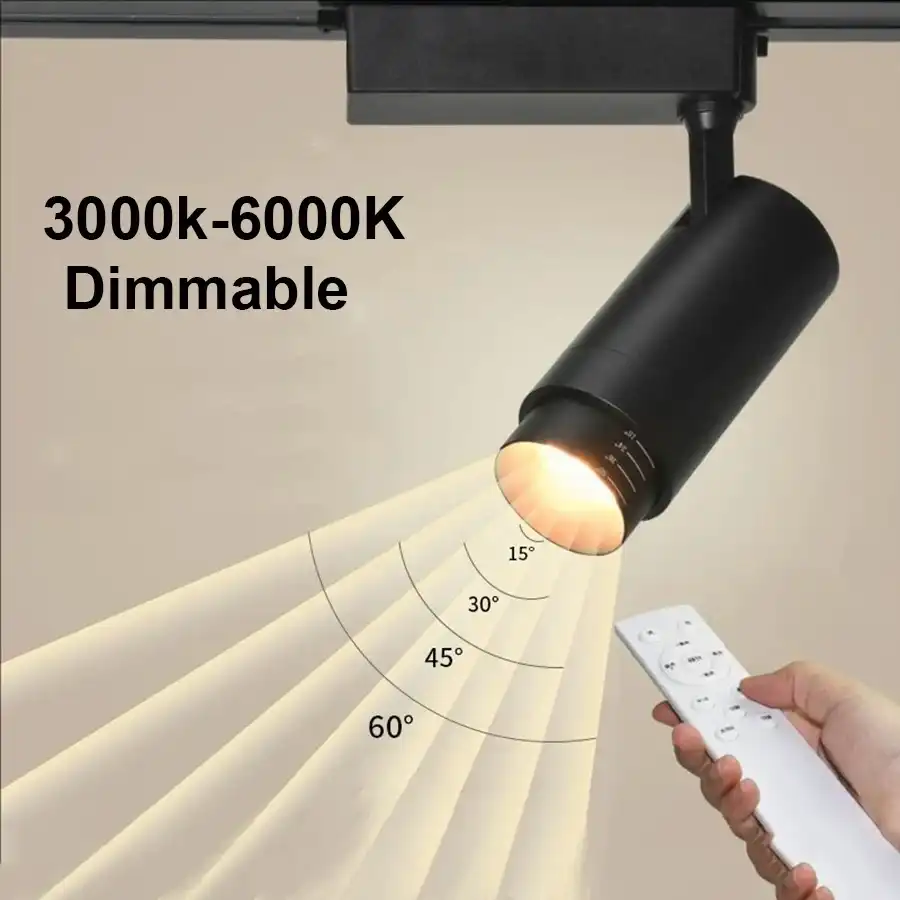
LED Wall Lights vs Ceiling Lights: Which Is Better
Choosing between LED ceiling lights and LED wall lights will directly affect how much the job costs, how it looks, and how much maintenance it needs over time. LED wall lights are great for adding accent lighting across the wall or installing them vertically to save room. They look great in halls, on the outside of buildings, and to draw attention to certain parts of architecture. Ceiling lights put out a lot of light, which makes them great for open spaces that need a steady level of brightness. Which one is best for you will depend on the room you have, the amount of light you need, how easy it is to set up, and your budget. We'll go over all of these things in more depth to help you decide what to buy.
Introduction
Lighting infrastructure is a good thing to spend money on for any building, whether it's for work or for fun. The things you pick out affect more than just how much publicity they get. They also change how well they work, how they look, and how much they cost to own over a long period of time. Some sourcing managers and project engineers we've worked with in retail, entertainment, and the city didn't know how much the type of bulb they used affected how much energy they used and how often they needed to be changed.
If you want to choose between LED choices that are placed on the ceiling or the wall, you need to think about more than one performance factor. How hard it is to install changes a lot. For instance, putting lights in the ceiling usually means making changes to the structure and getting entry tools. Putting lights in the walls, on the other hand, is generally easy. The energy patterns are changed by how the beam is spread out and the area that needs to be filled. Durability factors change depending on whether the use is inside or outside, exposed to the weather.
When business buyers make purchases, this comparison framework looks at the most important factors: how much energy the product saves, how easy it is to install and maintain, how long it lasts (using IP ratings), and whether it can be used in different types of projects. The information we give to engineering managers, building directors, and buying teams is based on facts and will help them invest in smart lighting that fits the project's goals and budget.
Understanding LED Wall Lights and Ceiling Lights
How LED Wall Lights Function?
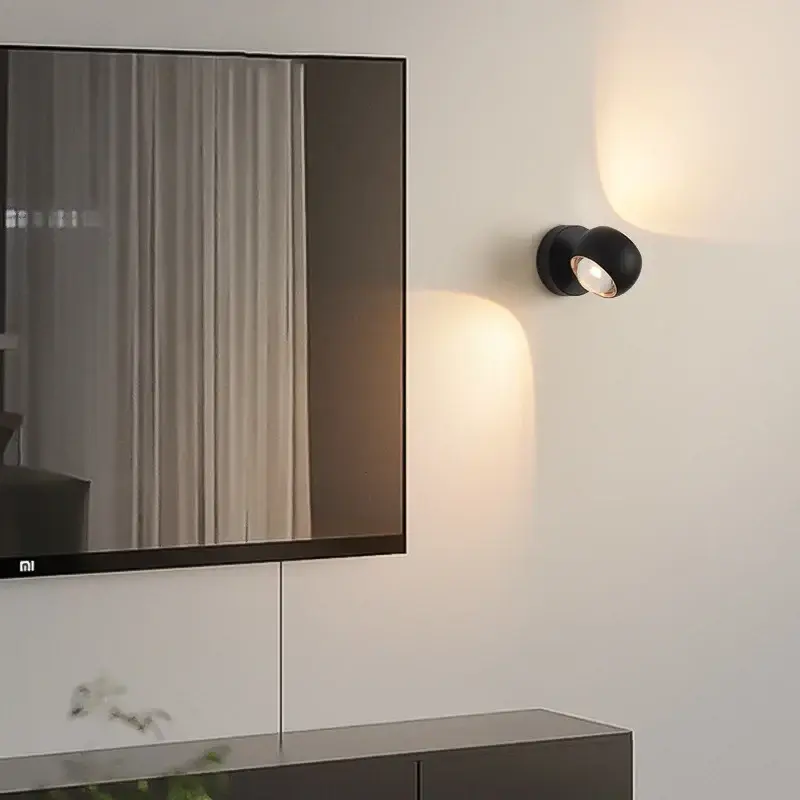
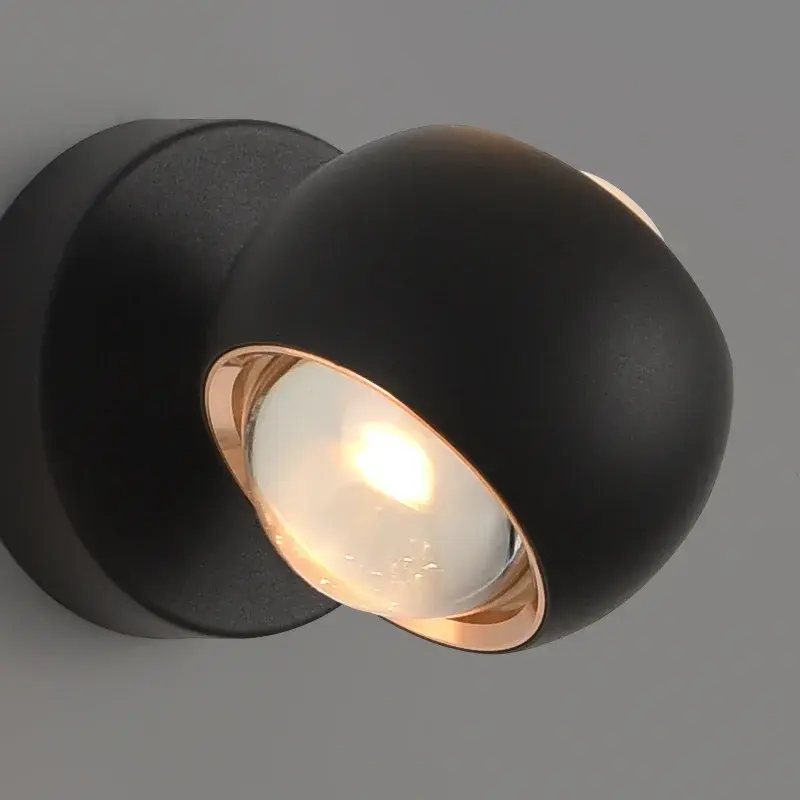
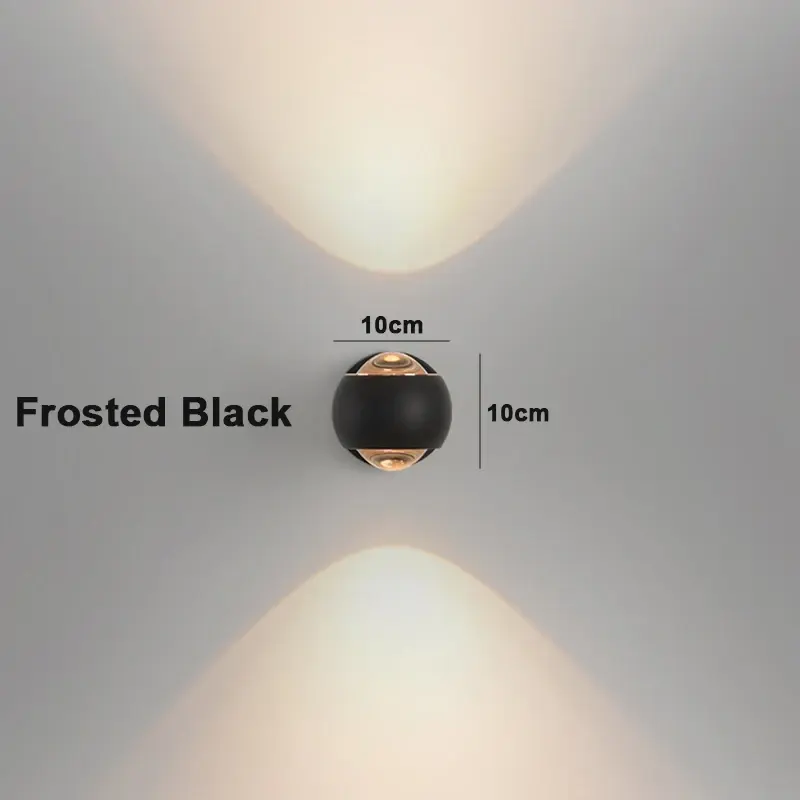
As shown in the picture, LED wall lights can be placed directly on vertical surfaces. Depending on their shape, the lights can shine horizontally, downwardly, or upwardly. There are solid-state LED chips in these lights, as well as mirrors and lenses that change the position of the beam. The angles of the beams can range from small spots of 15 degrees to large wash patterns of 120 degrees. There are layers of vertical lighting that bring out the details in textures and building when it is placed on the wall. It also takes up as little floor space as possible.
There are different kinds of technology used in modern wall lights to meet different needs. Motion monitors make sure that lights only come on when someone is there. This saves energy in places like parking lots and stairwells where people are moving around a lot. Types that are weatherproof and have an IP65 or IP67 rating have sealed housings and rubber covers that keep water out. In other words, they can be used on the outside of buildings, on the sides of buildings, and for gardening outside. Some newer units have fixing clips that can be moved around to change the beam position after they are set up.
Ceiling Light Categories and Functions
Ceiling lights can be broken down into a number of different groups. It's easy to put flush mount lights in places where there isn't much vertical space because they stick straight up from the ceiling. When recessed downlights are put in ceiling spaces, they make clean lines in the architecture and direct light beams downward. Pendant lights hang from the ceiling on stems or wires. They add style to dining rooms and areas where people gather, as well as offering useful lighting.
That's what these lights are mostly used for: general lighting that makes a room bright all over. When mounted on the ceiling, a single bulb can light up a big area, so generally fewer luminaires are needed than when mounted on the wall. A lot of business ceiling systems now have smart settings that let you change the color temperature, dim the lights, and connect to building management systems. These systems can set routines and run the lights based on how often they are used.
Key Comparison Factors Between LED Wall Lights and Ceiling Lights
Energy Consumption and Operational Costs
LEDs are 80–90% better at turning electricity into light than older incandescent or gas sources, which is used in both types of fixtures. LEDs on the ceiling use more energy than LEDs on the wall, but this is mostly because of how they are used and not because of limitations in the technology. For large open-plan buildings, each ceiling light may need 40 to 60 watts of power to provide 500-lux task lighting over a large area. Wall lights that are used for accents or security usually use 10 to 25 watts because they only light up small areas or add visual interest and aren't meant to be bright.
An energy study at the project level shows that putting wall lights in the right places can lower the total related load. With 15-watt wall lamps every three meters, a hotel hallway might have enough light to get around, but with 25-watt bulbs every three meters, roof downlights might not have any dark spots. The Commercial Building Energy Consumption Survey from the Department of Energy says that if you pick the right lights and put them in the right places, you can save 30 to 40 percent on your lighting costs compared to the old way of doing things.
When you figure out operating costs, you need to think about how long a lamp lasts. If you use quality LED wall lights and ceiling lights for 50,000 hours, that's about 17 years of use, eight hours a day. But outdoor wall lights in tough places may break down a little faster because of UV light and changes in temperature, even if they are housed in safe materials.
Installation and Maintenance Requirements
It usually takes more work to plan how to install a ceiling light. The housing for recessed downlights has to be able to fit into the ceiling space in order to be put in. Professionals in the field usually do this, and they have to work with HVAC lines and building parts. Worker may need air lifts or platforms during retrofits in business areas with high ceilings. This adds to the cost of labor and the time it takes to finish the job. Things are easier to get to when the ceiling is suspended, but you still have to take down tiles and work on top of the roof.
Most of the time, it's easier to put in wall taps. Surface-mounted types don't need to be drilled and can be quickly connected to finished walls using standard circuit boxes. Wiring for wall fixtures is easier than wiring for ceiling fixtures, even in brand-new buildings, since wires usually follow wall spaces instead of going around beams or plenums. High-bay ceiling fixtures are harder to repair than wall fixtures because technicians need longer lifts to reach most high-bay ceiling fixtures. Wall fixtures, on the other hand, can be reached with stepladders.
For each type of use, the level of longevity is different. Wall and ceiling features inside are subjected to similar situations that don't put them under much stress. Wall lights outside are directly exposed to the weather, so they need to be made of strong materials that won't rust and have bulbs that won't break easily. Quality outdoor wall lights are made with marine-grade metal bodies that have been powder-coated and tempered glass eyes that can handle quick temperature changes. Lights in soffits that are covered are less likely to be damaged by weather, but they still need to be rated properly for damp places.
Lighting Quality and Design Flexibility
Light from different types of lights is very different. With ceiling downlights, the light is pretty evenly spread out, with a slow loss of brightness between units. So, they're good for jobs where you need to be able to see clearly from one area of work to another. There are more dramatic lighting effects that wall lights can make, such as brushing light that brings out the details in walls, uneven distributions that draw attention to art, or downward beams that make lines along paths.
For both types of lights, the color rendering index (CRI) and color temperature needs are the same. For business use, CRI 90+ is usually needed to make sure that colors look good in places like hotels and shops. Home and hotel colors should be warm (2700K), office colors should be middle (4000K), and factory or hospital colors should be cool (5000K). When making a lot of lights that all need to look the same, it's very important that the LEDs are packed tightly so that each batch has the same color.
Style freedom means different things to different people. It's not too hard to tell the difference between ceiling lights because flush mounts and recessed types look pretty much the same. Wall lights are an important part of any design, and they come in many styles, including squares, rectangles, triangles, standard lamps, straight lines, and sculptures that make a statement. At work, wall fixtures are a great way to strengthen design themes and brand names because they are so easy to see.
Application Scenarios and Use Cases
Where LED Wall Lights Excel?
One major use for LED wall lights is to light up the edges of outdoor areas to keep people safe. LED lights that are placed on the wall and have motion sensors and photocells built in are good for building entrances, parking spaces, and loading docks. If these lights feel movement, they turn on and provide on-demand security lighting. When the room is empty, they use as little energy as possible. We helped a distribution center project replace wall packs of steady high-pressure sodium lights with motion-activated LED lights. These lights only use 10% of their power when they're not in use, but they turn on to full brightness when they sense motion. This saved 67% on power costs at night.
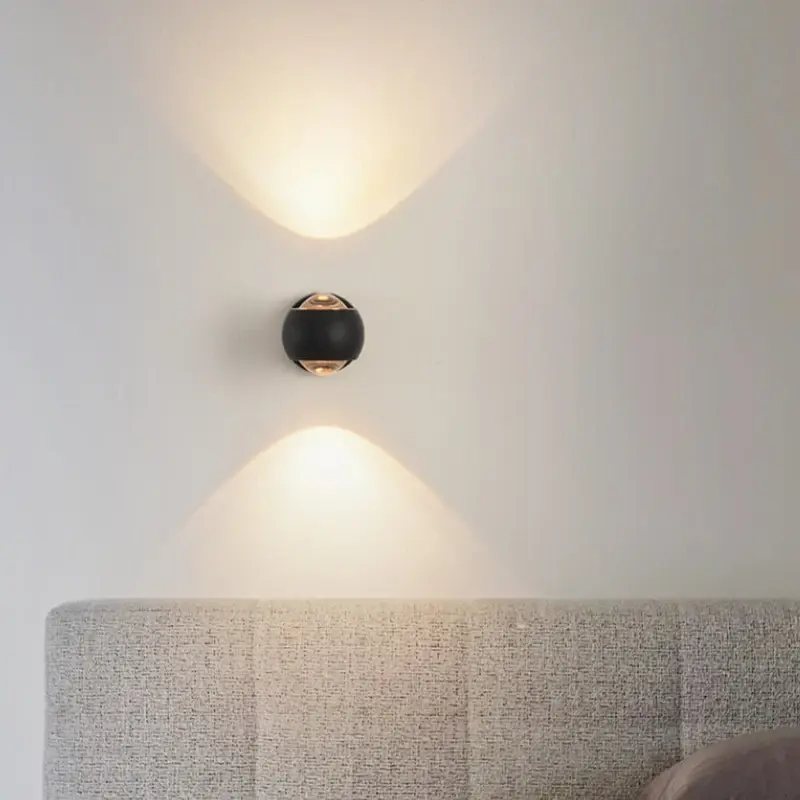
Wall lights are used in architectural accent lighting to make important parts of a building stand out and look better. It would make the viewing areas look crowded if the lights were on the roof, so museums use narrow-beam wall lamps instead. In stores, wall lamps are used to add depth to lighting that isn't coming straight from above. This makes buying places feel more private and draws attention to displays of goods.
In hospitality halls, wall fixtures are helpful because they provide enough light to find your way without needing as much equipment on the roof. As a safety measure and to help guests find their rooms, hotels require wall lamps to be put near doors. Because it's on the wall, it creates nice changes in brightness that are less formal than when lighting is only from the ceiling.
Optimal Ceiling Light Applications
Ceiling lights are a good way to make sure that the lighting in open-plan business spaces is always the same. Under-the-desk LED troffers or groups of panel lights hanging from the ceiling over workspaces provide 300 to 500 lux of useful light. There are sensors built into these bulbs that turn down the artificial lighting when there is enough natural light coming in through the windows. It keeps the work area bright and saves energy.
In shops, downlights on the roof light up the whole area. With adjustable gimbal recessed lights, you can point the light at things that have already been put in place. This is helpful when winter and summer store plans change. Colors are shown properly when CRI standards are high. This is important for stores that sell clothes and home goods because customers see the colors of items under shop lights.
Most of the time, ceiling lamps are the best way to light a place in a house. LEDs that are flush-mounted or hidden in the ceiling light up living rooms, bathrooms, and kitchens in general. People who live in smart homes can use voice commands or apps on their phones to change the lighting and color temperature. If they need bright, cool light in the morning for work, and warm, dim light at night for sleep, the lighting can be changed to fit their needs.
Procurement Considerations for B2B Buyers
Pricing Structures and Bulk Benefits
Cheap LED wall lights for businesses cost between $45 and $85 a piece, while expensive ones with fancy finishes and settings cost between $120 and $300. Also, ceiling lights have a wide range of prices. Basic 2x2 recessed LED panels cost around $55 to $95, while high-end downlights with smart settings and beams that can be changed cost around $150 to $400. This price is for a single unit. If you buy a lot, you can save a lot of money.
Most of the time, the price goes down by 15 to 25 percent when you buy more than 100 units. If you need more than 500 lights for a job, you can get even bigger discounts. You can use the length of a warranty as a bargaining chip. For big deals, covering that is normally three years is often stretched to five years. If you buy in bulk from a trustworthy seller, they'll pay for the shipping. This saves you 8–12% on the total cost of shipping for foreign orders.
The total cost study needs to take into account how much work it takes to put in fixings. It costs between $85 and $140 per unit to install ceiling-recessed lights in a business setting. It costs between $60 and $95 per unit to install surface-mounted wall fixtures. When hidden housing needs big changes to the ceiling, the cost of installation may be higher than the cost of the device itself. Even though the unit prices are the same, this means that wall-mounted choices are cheaper.
Supplier Evaluation and OEM Options
Brand names like Philips, Cree, Osram, and GE make solid LEDs with a lot of test records, but their prices reflect the extra cost of being a well-known company. Mid-tier manufacturers offer comparable quality at lower costs, which is helpful for city projects or value-engineering situations that need to stick to a budget. OEMs can change the color temperatures, the faces of the labeled lights, the housings, or the combined control systems that a project needs.
Make sure that a supplier has the right safety licenses for your market before you hire them. When it comes to North America, projects that want to get utility refunds need to have safety ratings from UL or ETL and meet DLC requirements. Products sold in Europe must have both CE approval and LVD compliance. As you plan, good providers will give you accurate estimates of how much energy and light will be used based on the results of photometric tests (IES files).
Sellers who are trustworthy offer help after the sale, while transactional sellers only do that. Partnership-oriented sellers give expert help while details are being made, answer questions quickly before the sale, and make it clear how to make guarantee claims. People who sell goods locally can cut the time it takes to ship goods internationally from 8 to 12 weeks to 3 to 5 days for important projects. Unit prices usually go up by 10 to 18%, though, because it costs money to keep the things in store.
Making the Right Choice: LED Wall Lights vs Ceiling Lights
Decision Framework for Project Requirements
The lights that are used depend a lot on the features of the room. When the roof is more than 12 feet high, high-bay lamps that are placed on the ceiling work best because they give the floor enough light. With wall lighting, on the other hand, the light would be spread out too much and need too much power. Instead, for small rooms and halls, LED wall lights that give off good light without taking up too much ceiling space work best. This is needed for the HVAC, alarms, and exit signs.
What specifications are used depend on the lighting goals. Ceiling lights are the best way to light up large areas for projects that need plenty of general lighting. A stacked lighting plan made of wall lights is useful for places that need accent lighting, building lighting, or visual elements that are just for fun. Ceiling lights provide general lighting, while wall-mounted objects add visual interest and task-specific lighting. Often, the best results come from using both types of fixtures together.
Budget worries aren't just about how much it will cost to buy things. When projects don't have a lot of money for installation, easier ways to hang things may be chosen. Wall lights may be a good option because they cost about the same per unit. Since there are only so many funds available for energy use, it is important to do detailed models of energy use. In places that need to be lit up 24 hours a day, seven days a week, motion-sensor wall lights work much better than continuous ceiling lights.
Recommendations by Project Type
LED panel systems on the ceiling of open workspaces and accent lighting on the walls of reception areas, meeting rooms, and senior offices make for the best use of lighting in large business office buildings. This set-up gives you useful task lighting where it's needed and has design elements that fit with the look of your business.
Hotel and hospitality projects should pay attention to the wall features in halls, stairwells, and the entrances to guest rooms. Ceiling lights should only be used in places like hallways, ballrooms, and dining areas that need to cover a lot of space. The wall-focused method gets rid of the visual clutter on the hallway ceilings while giving the rooms the cozy lighting that guests like.
In stores, there are usually general lighting, ceiling lights and accent lighting bulbs on the walls or tracks that draw attention to certain things and make visual focus points. It's good for business to be able to change background lights as the seasons do.
It's best to put LED lights on the walls of buildings, in parking lots, and along roads and paths that people can walk on. Although ceiling-mounted pole lights might cover a bigger area, the ease of installation and maintenance make it worth it, especially when motion sensors cut down on energy waste during times of low activity.
Conclusion
It depends on the task at hand whether LED wall lights should be installed on the wall or the ceiling. There is no one right or wrong answer. Ceiling lights are a great way to light up large rooms evenly, and they blend in with the style of the building so they don't stand out too much. Wall lamps give off directional light that works well for building decorations, small spaces, and accents. They also help with care.
A lot of commercial projects that do well use both types of lights in smart ways. Luminaires placed on the ceiling provide general lighting, while lights mounted on the wall add visual interest, task-specific lighting, and motion-activated security lighting that uses less energy. You should think about the project's running budget, room constraints, lighting goals, and bulb mix to find the best combination that works well, looks good, and saves you money in the long run.
FAQ
Do LED wall lights consume less energy than ceiling lights?
There is no difference in how much energy is used based on where the mount is put. Because they only light up small areas or add accent lighting, LED wall lights tend to use less power (10–25W). But ceiling lights might need 40–60W to be bright enough to light up large places. If you put wall fixtures in the right places, like in halls and around the outside of a building for safety, they can save you 30 to 40 percent on energy costs compared to using only ceiling lights.
Can outdoor LED wall lights withstand harsh weather conditions?
If a wall faucet outside is rated IP65 or IP67, it means that the cover is dust-tight and the faucet can handle water jets or short immersions. Powder-coated marine-grade metal housings don't rust near the water, and the hardened glass eyes can take being hit or getting hot. Some manufacturers test their parts for 1,000 hours with salt spray and temperature changes from -40°C to +50°C to make sure they will last for years in tough conditions.
How do motion sensors benefit LED wall light installations?
Energy use is cut by 60 to 75% when motion detectors are put in places that aren't always used, like parking lots, stairwells, and the edges of buildings. Fixtures keep their ambient power between 10 and 20 percent to provide basic lighting for safety. When they see something moving within 6 to 12 meters, they turn on all of their lights. By cutting down on working hours, this way makes the lamp last longer while still providing security lighting when it's needed.
Partner with USKYLED for Your Lighting Projects
USKYLED makes high-performance LED products that are used in businesses and homes around the world that have strict needs. Source managers, project engineers, and building directors who need reliable goods backed by technical know-how and quick customer service will love our range of LED wall lights and ceiling lights. Our lighting systems have been used for hotel developments, shop installations, public works projects, and building works in North America, Europe, and growing markets. Email our team at sales@uskyled.com to tell us about your project and get full quotes with source prices for large LED wall lights.
References
1. Illuminating Engineering Society (2020). "Recommended Practice for Lighting Design: Commercial and Retail Applications." IES RP-6-15.
2. U.S. Department of Energy (2021). "Solid-State Lighting Technology Fact Sheet: Commercial and Industrial Applications."
3. International Association of Lighting Designers (2019). "Comparative Analysis of Wall-Mounted versus Ceiling-Mounted LED Fixtures in Hospitality Environments."
4. National Electrical Manufacturers Association (2022). "LED Luminaire Performance Standards and Testing Protocols."
5. American Society of Heating, Refrigerating and Air-Conditioning Engineers (2020). "Energy Performance of LED Lighting Systems in Commercial Buildings." ASHRAE Journal 62(4):18-26.
6. Building Research Establishment (2021). "Life Cycle Cost Analysis of LED Lighting Technologies in Commercial Real Estate." BRE Trust Research Paper 45.

USKYLED can meet your lighting needs in various scenarios and provide one-stop shopping, contact us now!
Why You Should Choose USKYLED?
![What is Dimmable Track Lighting for Museum: Best Guide [2025]](/icms/upload/0d08cc601e7611f0b542b3ca0c0f4a83/pic/knowledgemanager-knowledgepic/e7879f32605f11f081911f363b8c1ed0/Directory/20250717 dimmable track lighting -1(1)_1752739217941.webp)