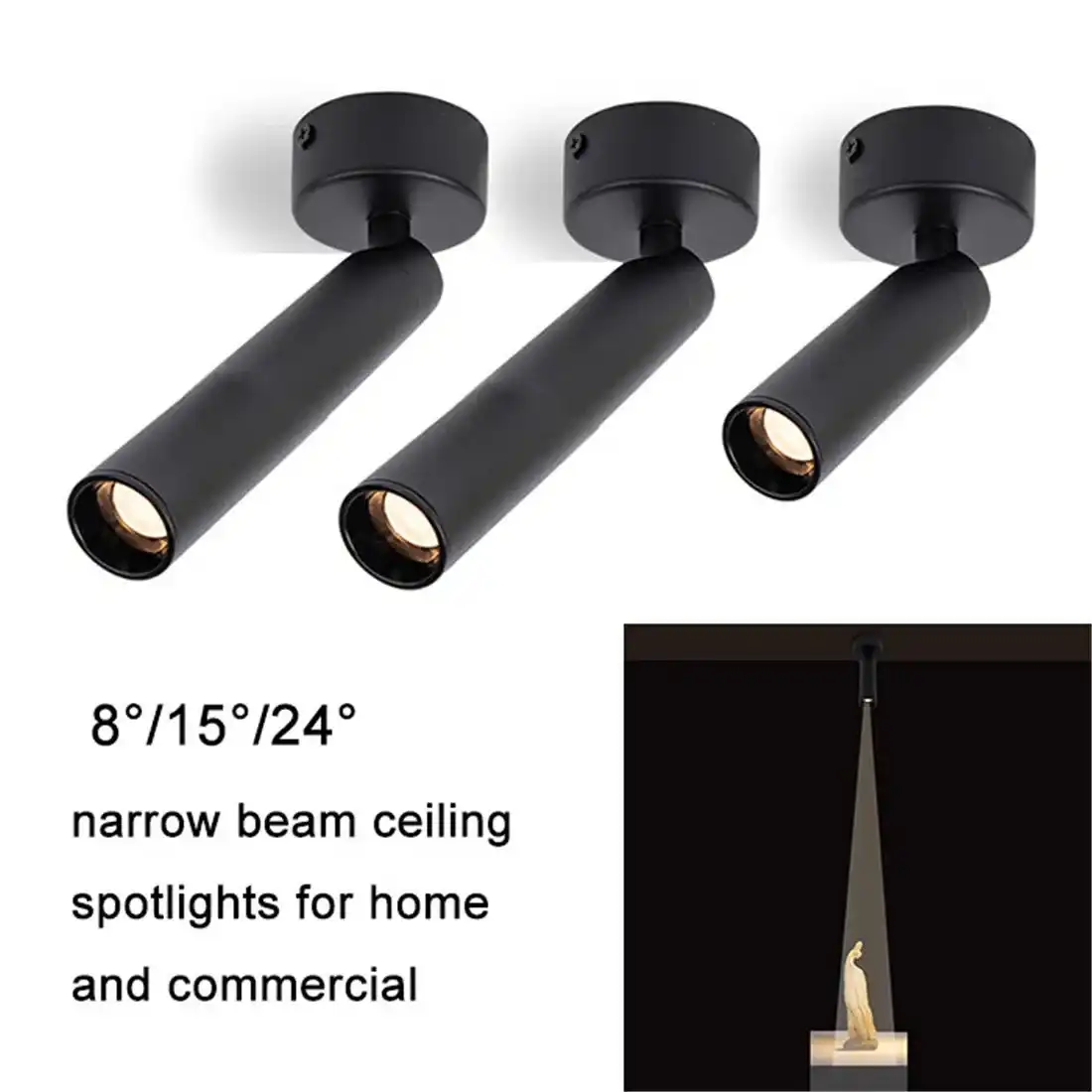
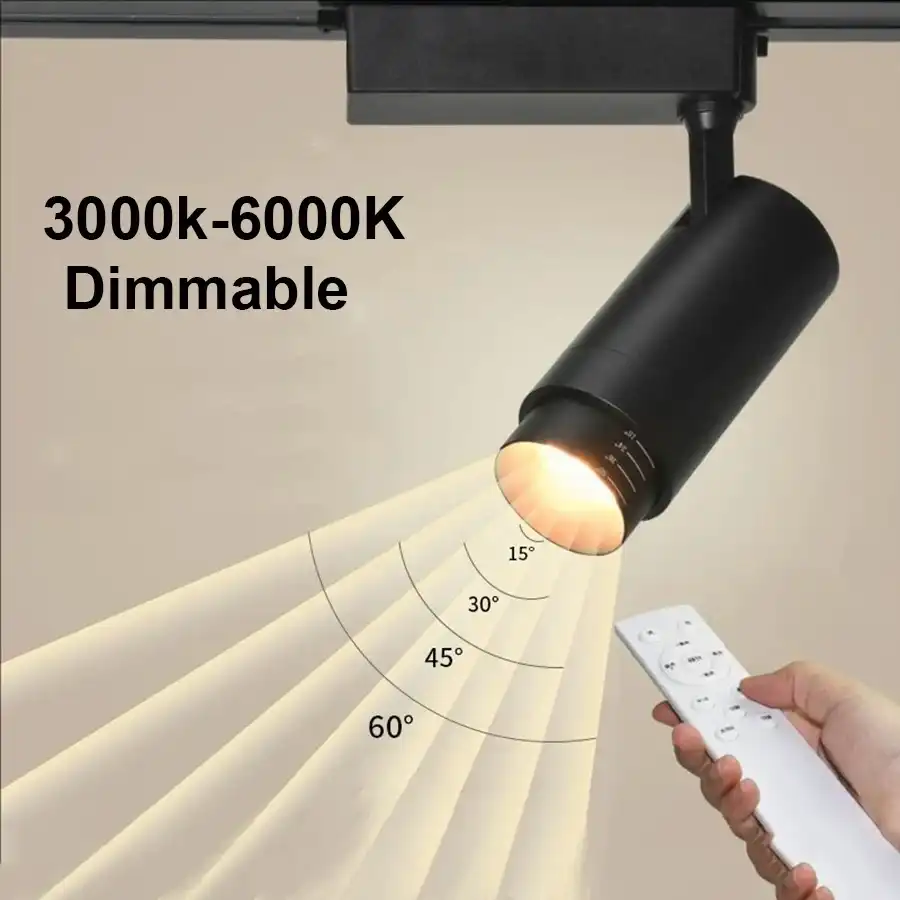
Why US Homeowners Choose China for Modern Wall Lamps
More and more US homes are buying Modern Wall Lamps from China because the prices are so low, the LED technology is so advanced, and the designs are so flexible. Chinese makers make lighting that uses less energy and meets US safety standards. They also offer customization choices that traditional US suppliers can't match at prices that are similar. China is the best place for both home buyers and business procurement workers to find goods because of its innovative products, better quality control, and flexible supply lines.
The Rise of Chinese Modern Wall Lamps in the US Market
Understanding the Market Shift
There have been big changes in the US lighting business over the past ten years. Industry trade research shows that by 2022, Chinese companies had exported about 68% of the world's LED lights. This is because smart investments have been made in research and development, especially in smart control systems and LED chip technology. Modern homeowners who want their homes to look modern now know that Modern Wall Lamps from Chinese sources can work as well as European brands at 40–60% less cost.
This change is a result of larger trends in purchasing, where quality is no longer solely linked to place of origin. Six Sigma quality methods and lean manufacturing principles are used in Chinese factories to make fixtures with CRI scores above 90 and operating lifetimes of up to 50,000 hours. These technological advances address the main concerns of both home users and business facility managers, who want reliable and affordable facilities.
Innovation Driving Consumer Confidence
Chinese lighting companies put a lot of money into integrating technology. Standard features, like motion sensors, dimming options, and smartphone connection, are not extras that cost extra. US homeowners who are remodeling their homes with smart home environments like how this makes advanced features more accessible to everyone. Tunable white technology, which lets you change the color temperature from 2700K for warm tones to 6500K for sunshine, gives you more options than static Modern Wall Lamps.
Being environmentally responsible also affects what people buy. Leading Chinese providers now use metal housings that can be recycled and get rid of harmful materials, so they are in line with RoHS and REACH. 75% less energy use than halogen options means measurable utility savings, and for domestic uses, the initial investment is usually recouped within 18 to 24 months. This practical approach to money makes a lot of sense in the US market, where energy costs keep going up.
Design Diversity Meets Market Demand
The range of styles that Chinese makers offer is wider than what many American manufacturers offer. Minimalist Scandinavian shapes live alongside ornate Art Deco copies and Edison bulb shapes with an industrial feel. Because there are so many options, interior designers and homeowners can find Modern Wall Lamps that match their architectural ideas without having to skimp on quality or price.
Manufacturers keep large catalogs with geometric wall lanterns, reading lights that can be adjusted, and ambient uplighters that can be used in halls, living rooms, bedrooms, and covered outdoor areas. Getting different kinds of fixtures from the same source makes the process of buying things for renovation projects easier. This is especially helpful for general builders who have to keep track of tight deadlines.
Comparing Chinese Modern Wall Lamps with Other Global Options
Price Structures and Value Propositions
When you directly compare prices from different buying areas, you can see big differences. A standard mid-range Modern Wall Lamps with built-in LED modules costs between $45 and $75 from Chinese sellers. Similar models made in Europe cost between $120 and 180 euros, and those made in the US cost between $95 and $150. When you buy in bulk from China, you can get savings of 15 to 30 percent, but when you buy from a Western source, the discounts aren't as big.
The total cost of ownership is part of the value factor, not just the sticker price. Chinese LED fixtures with 50,000-hour lifespans need to be replaced half as often as standard incandescent or CFL bulbs, which cuts down on the cost of upkeep work. When business hotels replace their hallway lights, we see that their five-year running costs are 40% lower when they choose high-quality Chinese LED wall fixtures over traditional choices.
Another competitive edge is the ability to change how you finance things. A lot of Chinese sellers accept different ways to pay, like 30% down payments with the rest due when the goods are shipped, letter of credit agreements, and exchange inventory programs for companies that already work with distributors. This flexibility makes it easier for businesses to grow their product lines without having to worry about their current cash.
Technical Performance and Certifications
Concerns about quality that used to exist with Chinese goods are mostly gone in the professional lighting market. Products going to North American markets are now certified by UL, ETL, and Energy Star by reputable makers. These validations by a third party show that the Modern Wall Lamps meet the requirements for electricity safety, visual performance, and electromagnetic interference in the United States.
Testing in the lab shows that Chinese LED wall lights can maintain a lumen maintenance of L70 for 50,000 hours, which means they keep 70% of their original brightness after a long time of use. This performance is the same as what well-known brands in Europe or North America say their goods should be like. Many of these brands actually make their products in China under OEM agreements.
Bathroom installations in Zone 2 places that are exposed to moisture should have ingress protection grades of IP44 or IP54. Using aluminum heat sinks for advanced thermal management keeps the temperature of the LED junction from going above the allowed limits, which is an important factor for life that cheaper competitors don't take into account. These engineering concerns show that China's lighting production environment is technically mature.
Customer Support and After-Sales Service
The image of a supplier counts more and more on how quickly they help with technical issues and honor their warranties. Leading Chinese makers have English-speaking customer service teams that work in a variety of time zones and help with things like specifications, installation, and fixing problems. Response times for emails are usually between 4 and 12 hours, which is about the same as for local providers.
Exporters who care about quality usually offer warranties that last between 3 and 5 years and cover both broken parts and changes in the color of the product. Claims processing through direct methods or B2B platforms usually ends within 10 to 15 business days, which includes shipping the new unit. Buyers used to be afraid of foreign buying because they didn't know how to get help after the sale. This service infrastructure takes away those worries.
Procurement Advantages: Why Choose Chinese Suppliers?
Customization and the ability to be an OEM
Chinese producers are great at making products that fit the needs of each customer. Branded lighting companies and wholesalers can use OEM services to choose the finishes on the housings, the shapes of the lenses, the mounting hardware, and the designs of the boxes without having to buy huge amounts at once. For customized Modern Wall Lamps, MOQs often start at 100 to 500 units, while Western makers usually need commitments of 1,000 units or more.
With private label production, stores can make their own lighting styles that set them apart in the market. Customization includes technical details like different power choices, beam angle changes, and control protocol compatibility with well-known smart home platforms. This freedom is very helpful for businesses that want to reach special markets or people in specific areas who have specific tastes in style.
Iterative development is a common part of the engineering cooperation process, and samples are usually made in 7–15 days. Dimensional changes, material swaps, and changes to computer parts are all things that manufacturers can do to save money or improve performance. When suppliers work together in this way, they become growth partners instead of just transactional providers.
How well logistics and the supply chain work
China's suppliers gain from shipping infrastructure that has been built up over decades of trade around the world. It takes 14 to 21 days for containers to arrive on the US West Coast from important ports like Shenzhen, Ningbo, and Shanghai. On the other hand, it takes 28 to 35 days for containers to arrive on the East Coast. Express air freight choices cut the time it takes to deliver to 5–7 days for pressing orders, but they cost more.
Freight forwarders who specialize in lighting goods handle customs paperwork, tax calculations, and port operations, which makes the process of importing easier for buyers. DDP (Delivered Duty Paid) agreements, in which sellers take care of all import duties until delivery at the buyer's facility, make the process easier for businesses that are new to doing business internationally.
To keep damage from happening during shipping, packaging standards have changed over time to include polyethylene foam inserts, corrugated cardboard dividers, and stronger outer boxes that have been tested for drop impact strength. Damage rates of less than 1% are the norm for the industry, and good sellers always meet them. This protects buyers' investments during international shipping of Modern Wall Lamps.
Terms of Finance and Managing Risk
Different amounts of risk tolerance and business relationships can work with different payment arrangements. Trade guarantee programs on sites like Alibaba are often used by new buyers. The funds are held until the package is confirmed. Distributors can better control their cash flow when established partnerships change to open account terms with net 30 to 60 day payment windows.
Most return policies allow for a 1-2% flaw tolerance in bulk shipments, and if a production defect is found during the receiving check, new units will be sent out. Commercial buyers who are worried about end-user safety events can get extra protection from exporters' full product liability insurance. However, quality makers have claim rates below 0.1%. As they expand their catalogs of Modern Wall Lamps, these terms become essential for risk mitigation.
How to Evaluate and Select Chinese Modern Wall Lamps Suppliers?
Quality Certifications and Checks for Compliance
Validation of approval is the first step in procurement due diligence. Buyers should ask for copies of UL, ETL, FCC, and Energy Star certificates and make sure that the names of the companies mentioned match those on the supplier's paperwork. You can check the validity and up-to-date state of a certificate by cross-referencing its number in the databases of certification bodies. This check stops working with companies that lie about compliance claims regarding Modern Wall Lamps.
Certification as an ISO 9001 quality management system means that the manufacturing process is organized and there are written rules for preventing defects and improving all the time. Getting ISO 14001 environmental management certification shows that you are committed to sustainable practices like reducing trash and making production buildings more energy efficient. These management system norms are linked to long-term success and supplier dependability.
Third-party factory checks by inspection services like Bureau Veritas, SGS, or Intertek give unbiased opinions on the factory's ability to produce goods, its quality control methods, and the working conditions of its workers. Audit records that show uniform processes, calibrated testing tools, and trained staff are signs of professional operations that can meet strict requirements.
Looking at how innovative and creative a company is
Supplier websites and listings of goods show how well they know the market and how to create things. Manufacturers who show off a wide range of products and add new ones every year show that they are actively investing in R&D and are not just contract manufacturers. To get an idea of how innovative a company might be, we suggest asking for information about its in-house design teams, testing facilities, and intellectual property portfolios.
Technical datasheets for Modern Wall Lamps should have a lot of information, like photometric performance data, electrical features, instructions on how to control heat, and dimension models. Technical information that isn't clear or is missing pieces can mean that the engineer doesn't know much about the subject, while thorough documentation can mean that the engineer has the professional skills to handle difficult business applications.
Even though digital contact is convenient, sample review is still important. Specifications alone can't show things like build quality, finish consistency, light output uniformity, and operating features. Only a physical check can. Before agreeing to large purchases, you can directly compare the quality of samples from different sellers.
Making partnerships that last
Relationships with suppliers that work well go beyond simple transactions and include agreements where everyone works together. Manufacturers can better match new Modern Wall Lamps with what customers want when they talk to each other about market trends, new technologies, and customer feedback on a regular basis. Suppliers who are open to this conversation show that they care about their customers, which is good for long-term teamwork.
Going to manufacturing plants is a great way to learn more about their operating skills, quality culture, and production capacity. We see that buyers who visit factories build better relationships with on-time delivery rates, defect percentages, and how quickly customer service responds finds ways to improve and backs up choices about which suppliers to choose. Reviewing these measures in business meetings every three months encourages responsibility and ongoing improvement in the supply relationship.
Videoconferencing-based virtual factory tours are an option for when traveling is not possible, but they don't give the same full picture as being there in person. Performance monitoring using measures like on-time delivery rates, defect percentages, and how quickly customer service responds finds ways to improve and backs up choices about which suppliers to choose.
Design and Maintenance Insights for Modern Wall Lamps from China
Contemporary Aesthetic Trends
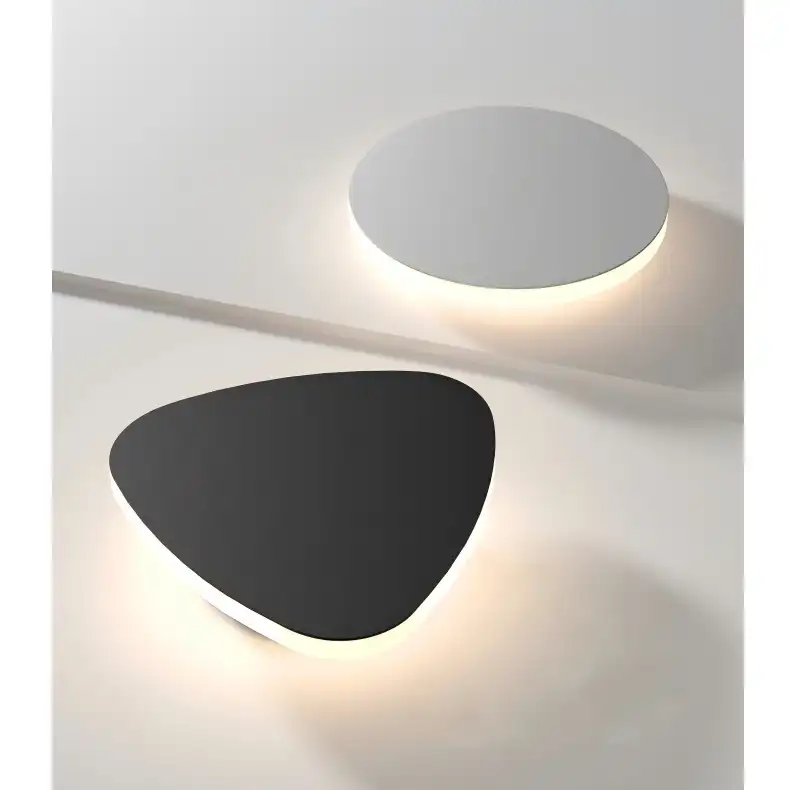
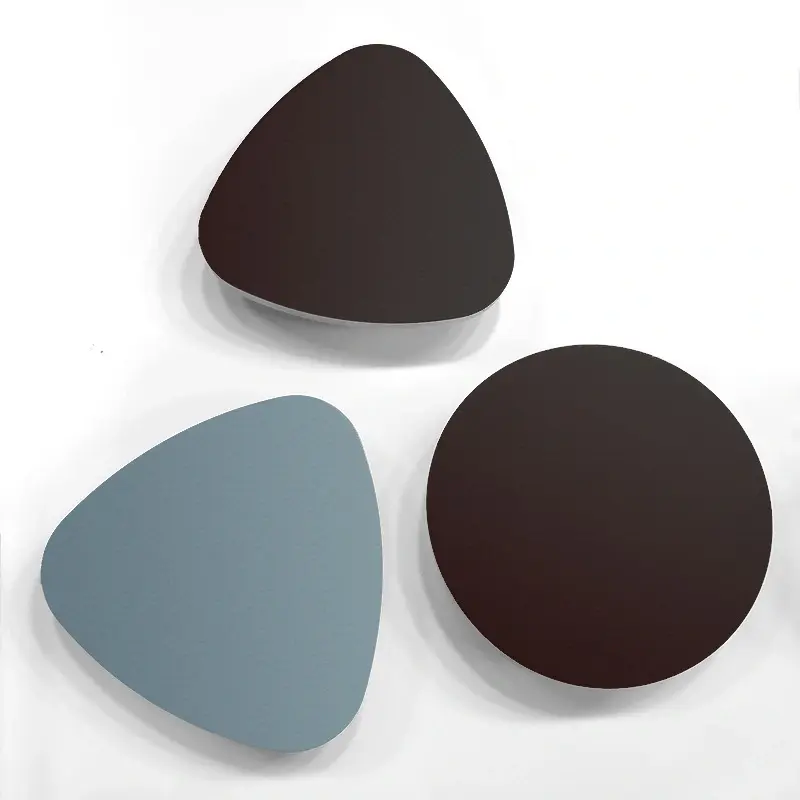
Modern wall lighting made in China follows global design trends that are changed to fit the needs of the US market. Modern interior styles that value simplicity and usefulness are a good fit for minimalist lights with clean geometric shapes, matte black or brushed nickel finishes, and built-in LED strips. These styles go well with the open floor plans and light color schemes that are popular in new homes.
People who are remodeling urban lofts or making rustic-modern spaces like industrial-style Modern Wall Lamps with exposed Edison-style LED filament lights, metal cage surrounds, and worn-out finishes. Chinese makers make these variations in style with true details at prices that make them more accessible to a wider market than handmade alternatives made in the United States.
Fixtures that combine wood details with diffused LED sources follow Scandinavian design principles that stress natural materials, soft lighting, and lighting that is focused on people. Warm color temperatures between 2700K and 3000K make places feel cozy and are good for living rooms and beds. LED technology uses only 8–12 watts of energy, while incandescent bulbs use 60 watts.
Save money and energy by using less energy.
When compared to traditional lighting, LED technology built into current Modern Wall Lamps uses a lot less energy. A normal 10-watt LED lighting gives off 800 to 900 lumens, the same amount of light as a 60-watt incandescent bulb but 83% less power. For home uses that run for four hours a day, seven days a year, the annual energy use drops from 87.6 kWh to 14.6 kWh per socket. This saves $9 to $11 at the average US power rate of $0.12 to $0.15 per kWh.
These benefits are amplified in commercial setups where more lights are used for longer periods of time. By switching from 40-watt CFLs to 10-watt LEDs, a hotel hallway with 50 wall lights that are on for 16 hours a day saves about $2,100 a year. Even without utility rebates, which are available in many places, upgrade projects are still a good investment because they pay for themselves in 24 months.
Less heat from LED sources makes HVAC systems work better in heated or cooled areas. Most incandescent lights turn 90% of their energy into heat instead of light, which makes cooling loads higher in the summer. This extra energy demand is cut down by LED lights that don't produce much heat, which has efficiency benefits beyond just saving energy on lighting.
Maintenance that makes sense and longevity
Modern Wall Lamps that are of good quality don't need much maintenance over the course of their useful life. Regular cleaning with soft cloths and light cleansers keeps things looking nice without any special steps. Powder-coated or anodised surfaces won't get damaged by strong chemicals and cleaners that are too rough.
With a lifespan of 50,000 hours, an LED module can work for 11 to 17 years, based on how often it is used. This means that you won't have to change the bulbs as often. This reliability is especially helpful in places with high ceilings or limited access where replacing lamps would require a ladder or a lift. When commercial building managers switch from traditional lighting to LED lighting, they report 70% less upkeep work.
Troubleshooting tips from reliable sources cover common problems like flickering from dimmer switches that don't work with each other or performance dropping due to high environmental temperatures. Technical support teams help with diagnosing problems and getting new parts when they're needed. However, well-designed fixtures have failure rates below 1% over their stated lifetimes when used properly.
Conclusion
Competitive prices, advanced LED technology, a wide range of design options, and higher quality standards are just a few of the reasons why more and more US homes and businesses are buying Modern Wall Lamps from China. Chinese makers have become reliable global providers that meet strict requirements thanks to strict certification processes, quick customer service, and the ability to make changes to products as needed. Some of the benefits of procurement are good payment terms, efficient operations, and full guarantees, all of which lower transaction risks and save a lot of money. By checking providers' credentials, looking at their performance, and talking to them directly, you can build relationships that will last and meet your long-term lighting needs in both home and business settings.
FAQ
What lead times should buyers expect for bulk orders of modern wall lamps?
It usually takes 15 to 25 days from the time the deposit is confirmed until the standard Modern Wall Lamps order is finished, plus 14 to 35 days for ocean freight transit, based on the port of location. Lead times for customized OEM goods are longer, taking 30 to 45 days to allow for tooling, sample approvals, and the purchase of specialized parts. For pressing needs, air freight cuts shipping times down to 5–7 days.
Do Chinese wall lamps comply with US safety standards?
Manufacturers with a good reputation get UL or ETL approval for Modern Wall Lamps that will be sold in the US. This shows that the products meet electricity safety standards. Buyers should use direct database checks to make sure the license is real. FCC compliance also makes sure that electromagnetic radiation stays within acceptable limits, and Energy Star approval backs up claims of efficiency.
Can suppliers meet the needs for unique designs?
Leading Chinese companies offer a wide range of OEM services, such as changing the size or shape of Modern Wall Lamps, customizing the finish, or changing the computer specifications. Depending on how complicated the product is, the minimum order quantity for personalized items is usually between 100 and 500 units. The development process includes making a prototype, getting approval for a sample, and making small changes over and over again until the desired specs are met before mass production.
Partner with USKYLED for Premium Modern Wall Lamp Solutions
USKYLED connects business-to-business buyers with qualified Modern Wall Lamps sellers who offer great value by leveraging its strong relationships with manufacturers and technical know-how. Our carefully chosen network includes companies that have been checked out and are in line with UL standards, ISO quality systems, and a history of exporting. We make buying easier by negotiating prices openly, coordinating quality inspections, and managing transportation. This gets rid of common problems that come up when sourcing. Get in touch with us at sales@uskyled.com to talk about your needs for Modern Wall Lamps.
References
1. Chen, L., & Martinez, R. (2022). Global LED Lighting Market Dynamics: Manufacturing Trends and Trade Flows. International Journal of Industrial Economics, 38(4), 112-128.
2. National Electrical Manufacturers Association. (2023). LED Lighting Systems: Performance Standards and Certification Requirements. NEMA Publication LSD 64-2023.
3. Peterson, K. (2021). Supply Chain Evolution in the Global Lighting Industry. Harvard Business Review Press.
4. US Department of Energy. (2023). Energy Savings Potential of SSL in General Illumination Applications. Solid-State Lighting Program Report.
5. Wang, J., Thompson, S., & O'Brien, M. (2022). Quality Management Practices in Chinese Export Manufacturing: A Comparative Study. Journal of Operations Management, 45(2), 203-221.
6. Zhao, H., & Anderson, P. (2023). LED Technology Advancements and Market Adoption Patterns in North America. Lighting Research & Technology, 55(1), 67-84.

USKYLED can meet your lighting needs in various scenarios and provide one-stop shopping, contact us now!
Why You Should Choose USKYLED?
![What is Dimmable Track Lighting for Museum: Best Guide [2025]](/icms/upload/0d08cc601e7611f0b542b3ca0c0f4a83/pic/knowledgemanager-knowledgepic/e7879f32605f11f081911f363b8c1ed0/Directory/20250717 dimmable track lighting -1(1)_1752739217941.webp)