Neon Light Factories in China for Global Signage Buyer
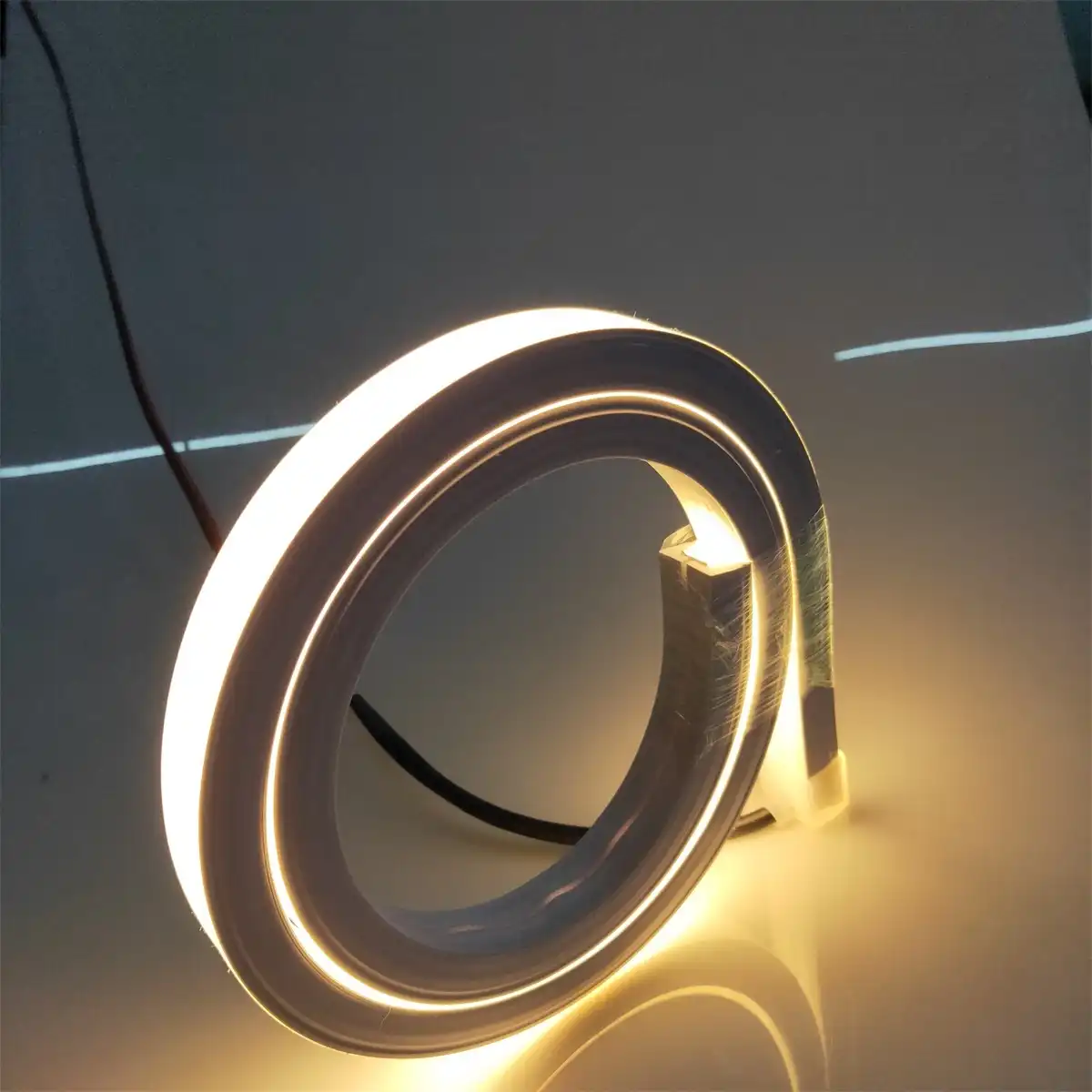
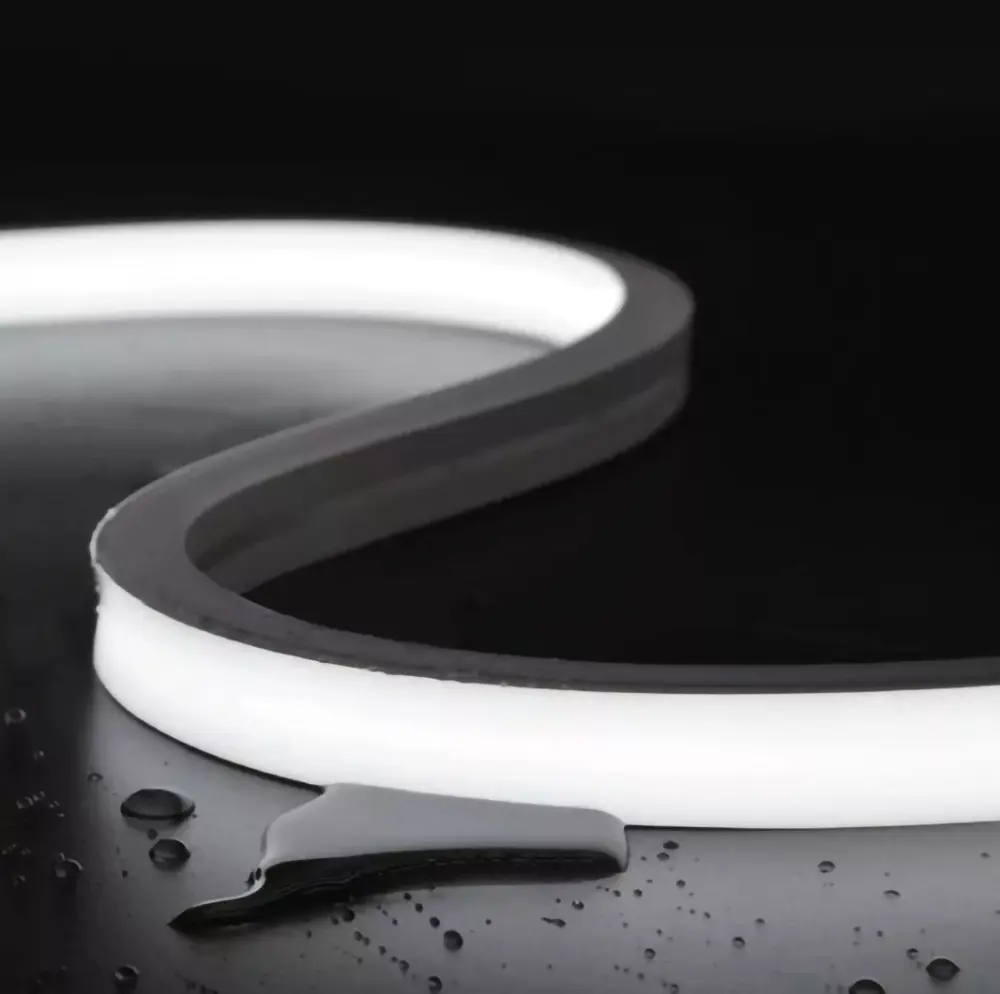
China makes more than 70% of the world's LED neon flex and standard neon signage options, making it the leader in the neon lights production industry. With thousands of specialized companies spread out across Shenzhen, Guangdong, and Zhejiang provinces, foreign buyers can get goods at low prices and with the latest technology and a wide range of customization options. The important thing is to find makers that have quality approvals, a history of exporting, and a reliable production capacity that can meet your unique signs needs. In the last few decades, the global signs business has changed in amazing ways. Modern LED neon flex technology has changed the way classic glass neon is used by making it last longer, use less energy, and allow for more design options. The production environment in China is one of the best places to get these high-tech lighting solutions. They can be used for small-scale building projects or large-scale business installs in North America, Europe, and developing markets.
Understanding China's Manufacturing Advantages in Neon Lighting
Complete Supply Chain Integration
Full vertical merger is good for China's neon lighting business. Domestic production of raw materials like rubber housings, LED chips, and computer parts cuts costs and wait times by a large amount. Because of this merging, producers can keep an eye on quality at every stage of production while keeping prices low for foreign buyers.
Advanced Technology and Innovation
Chinese manufacturers invest heavily in research and development, producing cutting-edge solutions like 360-degree LED neon flex, side-bend configurations, and smart control systems. These innovations often surpass international alternatives in both performance and cost-effectiveness, making China an attractive sourcing destination for technology-forward projects.
Manufacturing Scale and Efficiency
China's factory system is so big that it can handle both mass production and one-of-a-kind customization. Large companies can handle orders of anywhere from a few units to millions of units, all while keeping quality standards high and meeting delivery dates that work with international project plans.
Comprehensive Supplier Selection Framework
Evaluate Production Capabilities and Equipment
Professional companies that make neon lights use advanced testing tools and automatic production lines. Look for places that have automatic cutting systems, areas for precise gluing, and thorough quality testing procedures. No matter how much LED neon flex you need—1,000 meters or 100,000 meters—the manufacturing ability should match your needs.
Assess Technical Expertise and Design Support
Good makers offer full expert support, which includes customizing products, helping with installation, and fixing problems. Check to see how well their engineering team can come up with custom solutions for specific problems, change current goods to fit specific needs, and write up detailed technical instructions in English.
Review Export Experience and Market Knowledge
Exporters with a lot of experience know what the needs of foreign markets are, how to ship goods, and how to do business in different cultures. Suppliers who already have ties in your target market show that they can be trusted and are committed to long-term agreements. They also know a lot about how installations are done in the area and what the rules are.
Analyze Quality Management Systems
Strong quality control includes inspecting new materials, keeping an eye on work in progress, and trying the finished product. Statistical process control, automatic visual inspection, and burn-in testing are all tools that advanced makers use to make sure that their products always work the same way. Quality badges give you even more proof that quality management is being done in a planned way.
Investigate Customer References and Case Studies
Request detailed case studies from similar projects in your industry or geographic region. Contact previous customers to verify claims about product performance, delivery reliability, and after-sales support. Successful manufacturers readily provide references and welcome customer feedback discussions.
Essential Certification Requirements for International Markets
North American Standards and Compliance
For most business installs in the US and Canada, UL approval is still needed. For some apps, ETL listing gives them a different way to get to their destination. Getting an Energy Star rating can help projects that focus on being environmentally friendly and saving energy. Following the FCC rules makes sure that electromagnetic compatibility is maintained in sensitive areas.
European Union Regulatory Framework
If something has a CE mark on it, it means it meets European standards for health, safety, and the environment. RoHS compliance limits the use of dangerous materials in electrical parts. WEEE registration talks about how to get rid of old electrical tools. For some European countries, you may need to get extra country licenses.
International Quality and Environmental Standards
Getting ISO 9001 approval shows that you can handle quality in a structured way. Getting ISO 14001 approval means that you have put in place an environmental management system. IEC guidelines set technical requirements for how well and safely lighting equipment should work. These qualifications often make it easier to sell in more than one foreign market at the same time.
Strategic Sourcing Channels and Platform Selection
B2B E-commerce Platforms
Alibaba is still the best place to find a source because it has detailed descriptions of suppliers, safe transactions, and tools for contact. Made-in-China gives you a choice of different suppliers and verifies each one in great detail. Global Sources focuses on companies that are at trade shows and have been checked out to make sure they can sell.
Industry Trade Shows and Exhibitions
Two times a year, the Canton Fair brings together thousands of lighting makers so that customers can meet them in person and see their products. Premium providers who want to sell their products in foreign markets come to the Hong Kong foreign Lighting Fair. LED Expo brings in specialized LED makers with products that use cutting edge technology.
Direct Manufacturer Relationships
Developing direct relationships with manufacturers often yields better pricing, faster communication, and priority treatment for urgent orders. Industrial zones in Shenzhen, Dongguan, and Zhongshan house numerous specialized neon lights manufacturers. Professional sourcing agents can facilitate introductions and negotiations.
OEM/ODM Partnership Optimization Strategies
Define Technical Specifications Clearly
Comprehensive product specifications prevent misunderstandings and ensure optimal results. Include detailed requirements for dimensions, electrical parameters, color temperatures, and performance characteristics. Provide installation environment details including temperature ranges, moisture exposure, and mechanical stress factors.
Establish Intellectual Property Protection
Non-disclosure agreements protect proprietary designs and market strategies. Trademark registration in China provides additional protection for brand elements. Design patents can protect unique product configurations and aesthetic elements. Regular market monitoring helps identify unauthorized product copying.
Develop Comprehensive Partnership Agreements
Partnership agreements should address pricing structures, minimum order quantities, delivery schedules, and quality standards. Include provisions for technical support, warranty coverage, and dispute resolution procedures. Regular review meetings ensure ongoing alignment and performance optimization.
Implement Collaborative Development Processes
Joint development projects often yield superior results compared to standard product modifications. Establish clear communication protocols for design iterations and approval processes. Regular prototype reviews prevent costly changes during mass production phases.
MOQ and Pricing Negotiation Mastery
Understanding Cost Structure Components
Neon lights have prices for things like raw materials, work to make them, testing, and shipping. When making a lot of neon lights, savings are usually given for orders over 1,000 meters, 5,000 meters, and 10,000 meters. Neon lights often have higher unit costs because they need to be customized with different colors, sizes, or control systems. However, in niche or high-end markets, the higher prices can be justified.
Strategic Negotiation Approaches
Long-term purchase commitments often yield significant pricing advantages. Flexible delivery schedules can reduce manufacturing costs and improve pricing. Payment term negotiations can offset higher unit prices through improved cash flow. Multi-product sourcing provides additional leverage for pricing discussions.
Market Timing and Seasonal Factors
Manufacturing costs fluctuate based on raw material prices, labor availability, and production scheduling. Pre-season ordering often yields better pricing and guaranteed capacity allocation. Off-peak production periods may offer cost advantages for non-urgent projects.
Factory Audit and Quality Assurance Protocols
Physical Facility Assessment
Modern manufacturing facilities demonstrate commitment to quality and efficiency. Evaluate cleanliness, organization, and equipment maintenance standards. Production capacity should match claimed capabilities with adequate backup systems. Environmental controls ensure consistent product quality across varying conditions.
Process Documentation and Control
Comprehensive process documentation indicates systematic quality management. Statistical process control demonstrates data-driven quality improvement efforts. Incoming material inspection prevents defective components from entering production. Final product testing ensures compliance with specifications and standards.
Supply Chain Management Evaluation
Reliable suppliers maintain strategic relationships with component manufacturers. Inventory management systems prevent production delays due to material shortages. Supplier qualification programs ensure consistent component quality. Backup supplier arrangements provide contingency planning for critical components.
Quality System Verification
Third-party quality system audits provide independent verification of management systems. Internal audit programs demonstrate commitment to continuous improvement. Corrective action procedures address quality issues systematically. Customer feedback integration drives product and process improvements.
Leading Supplier Characteristics in 2026
Technology Leadership and Innovation
Leading producers put a lot of money into research and development (R&D), usually between 3 and 5 percent of their annual sales. Some of the more advanced features of these products are smart control integration, better color rendering, and longer durability. Patent collections show a drive to continued innovation and set you apart from the competition.
Sustainability and Environmental Responsibility
Progressive manufacturers implement comprehensive environmental management systems. Energy-efficient production processes reduce carbon footprints and operating costs. Recyclable product designs address end-of-life environmental concerns. Sustainable packaging materials demonstrate comprehensive environmental commitment.
Digital Integration and Industry 4.0
IoT devices, automatic quality tracking, and predictive repair systems are all used by modern makers. Digital communication systems let you track orders and keep an eye on production in real time. Advanced planning tools make the best use of work schedules and resources.
Global Market Adaptation
Leading suppliers understand diverse international market requirements and regulations. Multi-language technical support facilitates effective communication with global customers. Regional distribution partnerships enable faster delivery and local support services.
Conclusion
Sourcing neon lights from Chinese manufacturers offers compelling advantages, including competitive pricing, advanced technology, and comprehensive customization capabilities. Success depends on thorough supplier evaluation, clear communication of requirements, and systematic quality assurance processes. The most successful partnerships develop through mutual understanding, shared quality objectives, and long-term commitment to collaborative growth. Professional buyers who invest time in supplier selection and relationship development consistently achieve superior results in terms of product quality, delivery performance, and overall project success.
FAQ
What are the typical minimum order quantities for LED neon flex from Chinese manufacturers?
Most manufacturers require minimum orders between 100-500 meters for standard products. Custom colors or specifications may require 1,000-meter minimums. Large-scale manufacturers often offer lower MOQs for established customers or multi-product orders. Sample quantities of 10-50 meters are usually available for testing and evaluation purposes.
How long does production and delivery typically take for neon lighting orders?
Standard products require 7-15 days production time plus 15-30 days ocean shipping to major ports. Custom products may require 20-35 days depending on complexity. Air freight reduces delivery time to 5-7 days but increases costs significantly. Peak seasons and Chinese holidays can extend lead times by 1-2 weeks.
What certifications are most important for importing neon lights into Europe and North America?
UL or ETL certification is essential for North American markets. CE marking and RoHS compliance are mandatory for European Union markets. Additional certifications like Energy Star or DLC may be valuable for specific applications. Manufacturers should provide original certification documents rather than copies.
How can I verify the quality and reliability of a Chinese neon lighting manufacturer?
Request customer references from similar projects and contact them directly. Arrange factory visits or third-party audits to evaluate facilities and processes. Order samples for independent testing and evaluation. Check certification validity through official certification body databases. Review company registration and export records through official channels.
What should I include in a technical specification for custom LED neon flex products?
Include dimensional requirements, electrical specifications, color temperatures, and IP ratings. Specify installation environment conditions including temperature ranges and moisture exposure. Define performance requirements such as lumen output, color rendering, and lifespan expectations. Provide connector types, control requirements, and packaging specifications.
Transform Your Projects with USKYLED Neon Lights Manufacturer
USKYLED combines cutting-edge LED technology with comprehensive manufacturing capabilities to deliver premium neon lighting solutions for discerning international buyers. Our advanced production facilities, certified quality systems, and experienced engineering team ensure your projects receive optimal lighting solutions with reliable performance. Contact sales@uskyled.com to discuss your requirements and discover how our innovative LED neon flex products can enhance your next signage project with superior quality and competitive pricing.
References
1. Chen, L. (2024). "LED Neon Flex Manufacturing in China: Industry Analysis and Quality Standards." International Lighting Technology Review, 15(3), 45-62.
2. International Trade Commission. (2024). "Global LED Lighting Market Report: China's Manufacturing Dominance and Export Trends." Washington: ITC Publications.
3. Zhang, M. & Liu, H. (2023). "Quality Management in Chinese LED Manufacturing: Best Practices and Certification Requirements." Journal of Manufacturing Excellence, 29(4), 123-138.
4. European Commission. (2024). "CE Marking Requirements for LED Lighting Products: Compliance Guidelines for Importers." Brussels: EC Technical Documentation.
5. Anderson, R. (2024). "Sourcing Strategies for LED Lighting: A Buyer's Guide to Chinese Manufacturers." Procurement Management Quarterly, 18(2), 78-95.
6. LED Industry Association of China. (2023). "Annual Report on LED Neon Flex Manufacturing: Technology Trends and Market Outlook." Beijing: LIAC Research Division.

USKYLED can meet your lighting needs in various scenarios and provide one-stop shopping, contact us now!
Why You Should Choose USKYLED?
![What is Dimmable Track Lighting for Museum: Best Guide [2025]](/icms/upload/0d08cc601e7611f0b542b3ca0c0f4a83/pic/knowledgemanager-knowledgepic/e7879f32605f11f081911f363b8c1ed0/Directory/20250717 dimmable track lighting -1(1)_1752739217941.webp)