Should emergency exit signs be lit all the time?
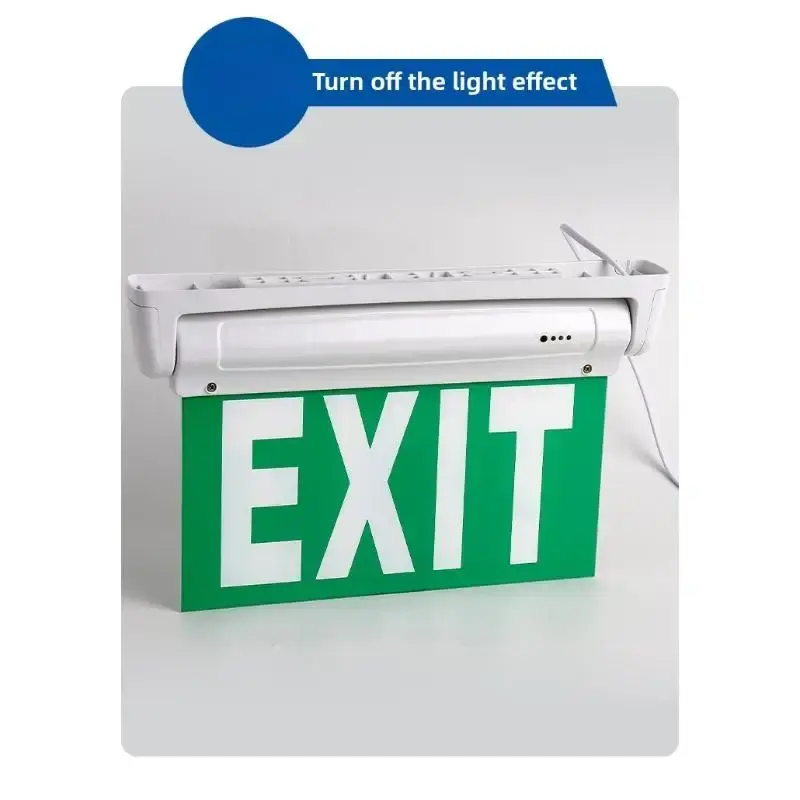
To keep people safe in case of an emergency, yes, emergency exit signs should always be lit up. There are safety and building laws that say exit signs have to be seen 24 hours a day, seven days a week. This makes it easy for people to leave a building at night. When the light goes out, there is a fire, or there is some other emergency where people may not be able to see well, doors are easy to find. Today's LED technology lets moving things use less energy, which saves money for building managers.
Understanding Emergency Exit Sign Requirements and Regulations
As a normal way to show people how to get to safety in an emergency, emergency exit signs are an important part of the safety system in business buildings. The government has very strict rules about these signs. These rules are different in each area, but they all have to do with being easy to see, dependable, and always working.
OSHA and U.S. Building Code Requirements
Laws from the Occupational Safety and Health Administration (OSHA) say that entrances must always be well lit and easy to find. Exit signs must be lit up to a surface value of at least five foot-candles and be a different color than other signs, according to OSHA Standard 1910.37. The National Fire Protection Association (NFPA) 101 Life Safety Code says that exit signs must always work or turn on by themselves when the power goes out. This makes the rules even stricter.
International Standards and Compliance Frameworks
There are rules in Europe called ISO 3864 and EN 1838 that say how bright emergency lighting should be and how far away people should be able to see it. When the power goes out, these rules say that exit signs must stay lit for at least 90 minutes. Most of the time, Asian markets have the same rules, but sometimes they vary from one country to the next. When procurement workers know about these different regulatory settings, they can make sure that the things they buy meet local safety standards and are the same for all foreign projects.
Technology Requirements and Certification
More and more current safety rules call for lighting systems that use LEDs. These systems last longer and use less energy. The UL 924 mark is on emergency exit signs in North America, and the CE mark is on them in Europe. That's proof that they pass strict safety and performance tests. These tests check how well the battery works with light, how long it lasts, and how well it works in different temperatures. They make sure that workers and building managers follow the rules when setting up their work.
Should Emergency Exit Signs Be Lit All The Time? Analysis and Best Practices
It's not just about whether or not exit signs should be lit up all the time. It's also about safety, saving energy, and following the rules. When people think about building safety today, they value proactive exposure over lighting systems that are only used in situations.
Safety Rationale for Continuous Operation
People will always know where the doors are if the lights are on all the time, which makes things easier in case of an emergency. Researchers from the National Institute of Standards and Technology found that always-visible exit marks help people find their way faster than signs that only light up in an emergency. This is very helpful in business areas where many people might not know how the building is set up.
Energy Efficiency Considerations
These days, LEDs have changed how much it costs to keep an exit sign bright. Most light systems use 15 to 20 watts of power, but LED exit signs only use 2 to 5 watts. During an average 10-year life span, this level of efficiency keeps awareness high and saves a lot of money. Better LED systems can also be darkened, which means they use less power when they're not in use while still meeting basic viewing standards.
Maintenance and Reliability Benefits
Building managers can quickly find problems with systems that are always running because they can check them often. If you only use systems in situations, they might not break down until you need them the most. This careful approach is different. LED emergency exit signs made today usually last more than 50,000 hours. So, they don't need to be repaired as often. This saves money on work and makes the system more effective as a whole.
Comparing Different Types of Emergency Exit Signs for Optimal Procurement
To pick the best exit signs technology, you need to know how each one works, how much it costs, and how well it works compared to other choices. You can get different benefits from each tool, depending on what you're making and where you are.
LED vs. Photoluminescent Technology Comparison
LED exit signs provide consistent illumination levels and work effectively in all lighting conditions, making them suitable for complex commercial environments. They offer precise control over brightness levels and can integrate with building management systems for centralized monitoring. Photoluminescent signs rely on stored energy from ambient light sources and provide illumination without electrical power, making them suitable for specific applications where electrical infrastructure may be limited.
Here are the core performance characteristics that distinguish these technologies:
• Visibility consistency: LED systems stay bright no matter what the lighting is like, but photoluminescent signs need light to charge and may have different amounts of brightness.
• Environmental resistance: LED signs that are housed in the right way can work well in tough conditions like dust, high humidity, and extreme temperatures.
• Power backup: LED systems have built-in battery backup systems that make sure they can keep going when the power goes out for at least 90 minutes, which is what the law says.
• Integration capabilities: Modern LED signs can connect to building control networks and fire sirens to make sure that emergency plans are ready.
These performance advantages make LED technology particularly suitable for mission-critical scenarios where sight must be kept at all times because it is so efficient.
Indoor vs. Outdoor Application Considerations
When emergency exit signs are outside, they have to deal with extra issues, such as being open to weather and temperature changes and the chance of being damaged. To keep things working well over time, you need marine-grade materials and better locks. When used inside, designs can be more refined and fit in better with the style of the building while still following building codes.
Procurement Strategies: Buying and Installing Emergency Exit Signs for B2B Clients
You need to plan ahead to buy emergency lighting systems that work well over time. You should think about rules, prices, and how well they work in the long run. For projects to go well, specifications and source reviews need to be done with care.
Certification Verification and Standards Compliance
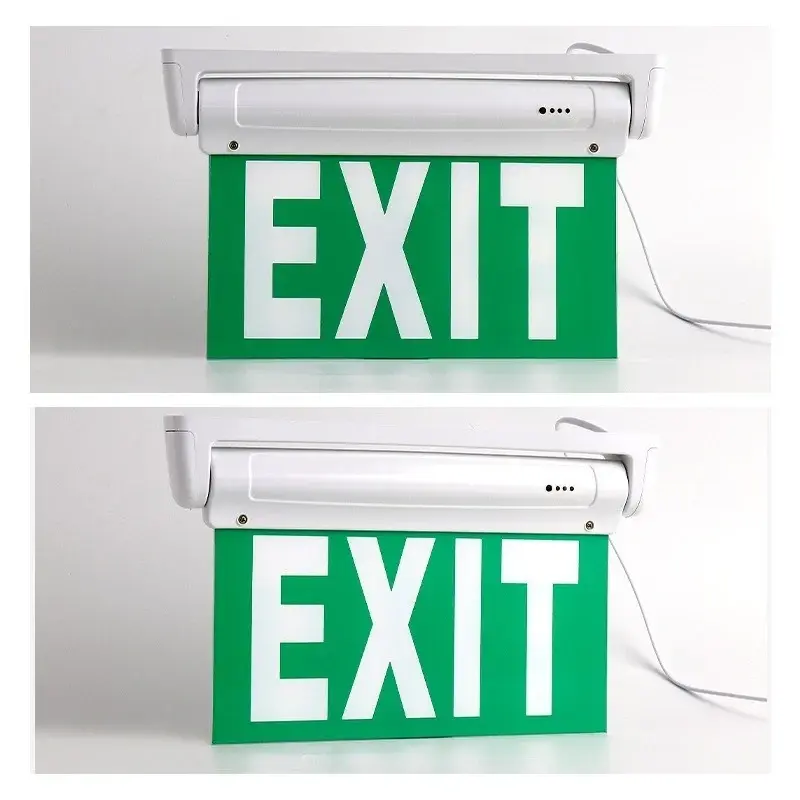
People who work in procurement need to check that any potential sellers have the right licenses to sell their goods in the places they want to reach. The product is safe because it has been listed under UL 924 for sales in North America, marked with CE for sales in Europe, and given other local approvals. The paperwork should have photometric test results, details on how well the battery works, and approvals for environmental grade.
Customization and Bulk Purchasing Strategies
It's usually best to get custom solutions for big jobs that meet the needs of the business or architecture. Emergency exit signs can be modified in terms of how they are fixed, the color of their housing, and how they lead people to the right place while still adhering to code. Bulk buying plans should think about standardization across multiple project stages if they want to get better deals and find it easier to keep track of their stock.
Working with manufacturers who know how to plan projects, you can time orders with different stages of construction. This saves you money on storage costs and makes installation easier. Established sellers often offer expert help during the design process. This helps pick the best product for each job and makes sure it works with the building systems that are already in place.
Maintenance, Visibility, and Lifecycle Management of Emergency Exit Signs
To keep emergency lighting systems running well and following the rules, they need to be maintained regularly and have a lifecycle plan made. To stay in line with the rules and get the most out of your investment, take good care of it.
Inspection Protocols and Performance Monitoring
Once a month, all the signs should be looked at to make sure they are still lit up and not broken or blocked in any way. According to NFPA 101, there must be 90-minute battery backup checks once a year, and the data must be recorded for legal reasons. New LED systems that can self-diagnose and connect to online tracking systems make it easier to do these checks.
Strategic Replacement and Technology Upgrades
Facility managers shouldn't wait until something breaks completely. Instead, they should plan when to fix things based on manufacturer warranties and patterns of performance loss. LED emergency exit signs should probably be changed every 10 to 15 years, even if they are still functional. This is so that they can be more effective and have more features. If you keep your technology up to date, you can add smart building features and make the whole system more effective.
Conclusion
It is the law that emergency exit signs must always be lit up, and it's also a good safety practice that helps the building run easily and keeps people inside safe. Modern LED technology has taken away the concerns about energy use that used to make lighting them expensive. It also makes things more stable and less difficult to keep up. The people who work in buying can make smart decisions that meet both safety and business needs if they know about the rules, tools, and lifecycle problems. Emergency exit signs will work effectively for their whole life as long as you choose the right specs and provider. They will also be able to adapt to changing safety standards and automation needs in buildings.
FAQ
Are emergency exit signs required to be lit 24/7?
Yes, most building codes require emergency exit signs to be illuminated continuously. OSHA standards and NFPA 101 mandate that exit signs remain visible at all times to ensure occupants can locate exits during both normal operations and emergency situations.
What is the difference between LED and photoluminescent exit signs for maintenance?
LED exit signs need to have their batteries checked and lights changed every so often, but they keep track of performance all the time. Photoluminescent signs need regular cleaning and adequate ambient light for charging but have no electrical components requiring maintenance.
How can I verify that exit signs meet international standards before purchase?
Check to see if it has the right ones, such as UL 924 in the US, CE marking in Europe, or the ones that are valid in your area. Ask the maker for proof, like results from optical tests, data on how well the battery works, and compliance certificates.
Partner with USKYLED for Compliant Emergency Lighting Solutions
USKYLED specializes in manufacturing high-performance LED emergency lighting solutions that meet international safety standards and certification requirements. Our advanced LED technology delivers superior visibility, energy efficiency, and long-term reliability for commercial applications. Contact our technical team at sales@uskyled.com to discuss your emergency exit signs requirements and explore customized solutions that ensure regulatory compliance while optimizing operational costs.
References
1. National Fire Protection Association. "NFPA 101: Life Safety Code - Emergency Lighting and Exit Sign Requirements." National Fire Protection Association Standards, 2021.
2. Occupational Safety and Health Administration. "Exit Routes, Emergency Action Plans, and Fire Prevention Plans - Standard 1910.37." U.S. Department of Labor Guidelines, 2020.
3. International Organization for Standardization. "ISO 3864-1: Graphical Symbols - Safety Colours and Safety Signs." International Safety Standards Documentation, 2019.
4. Underwriters Laboratories. "UL 924: Emergency Lighting and Power Equipment - Testing and Certification Standards." Safety Certification Guidelines, 2022.
5. European Committee for Standardization. "EN 1838: Lighting Applications - Emergency Lighting." European Safety Standards, 2020.
6. National Institute of Standards and Technology. "Emergency Egress Behavior and Visibility Requirements in Commercial Buildings." Building Safety Research Publication, 2021.

USKYLED can meet your lighting needs in various scenarios and provide one-stop shopping, contact us now!

Why You Should Choose USKYLED?
![What is Dimmable Track Lighting for Museum: Best Guide [2025]](/icms/upload/0d08cc601e7611f0b542b3ca0c0f4a83/pic/knowledgemanager-knowledgepic/e7879f32605f11f081911f363b8c1ed0/Directory/20250717 dimmable track lighting -1(1)_1752739217941.webp)