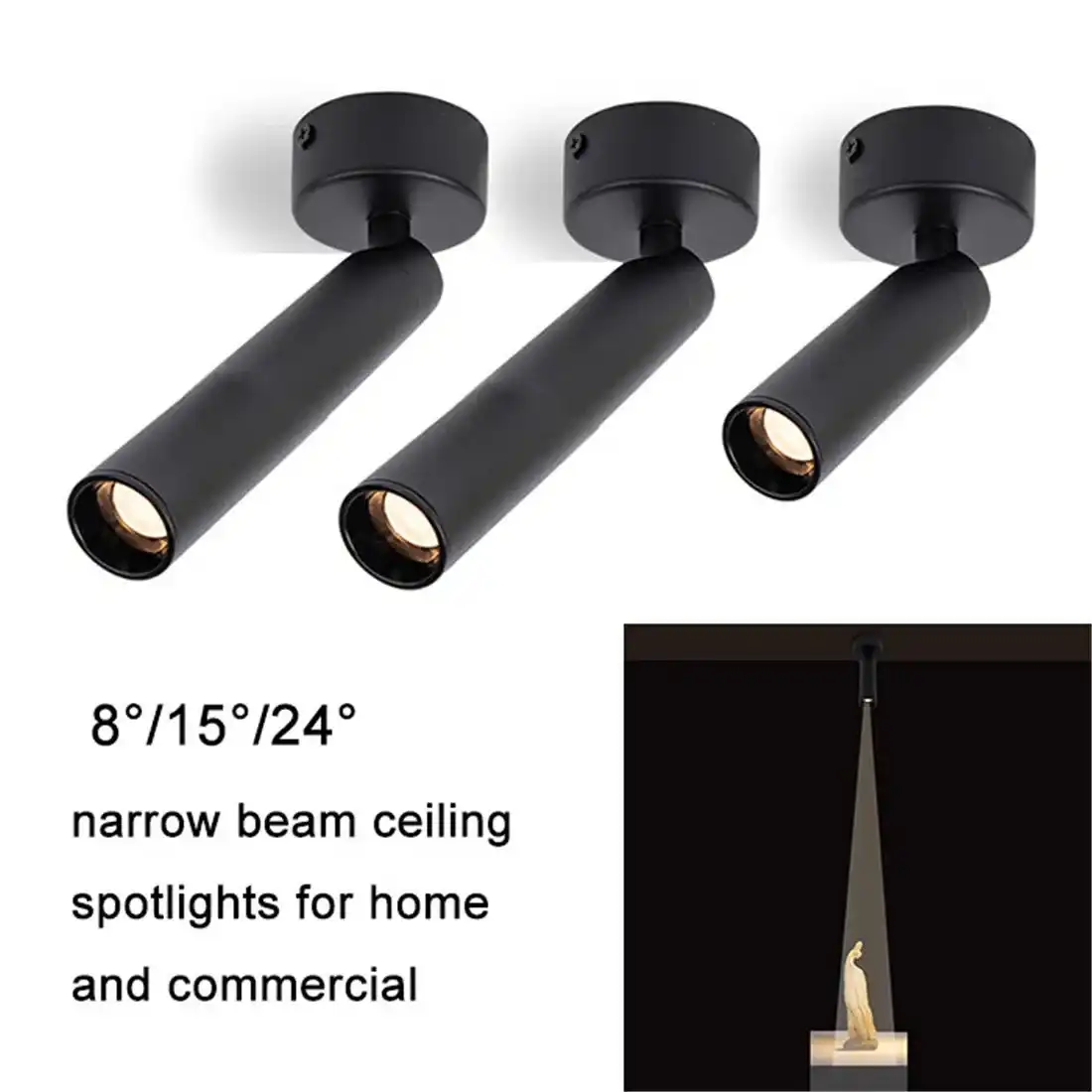
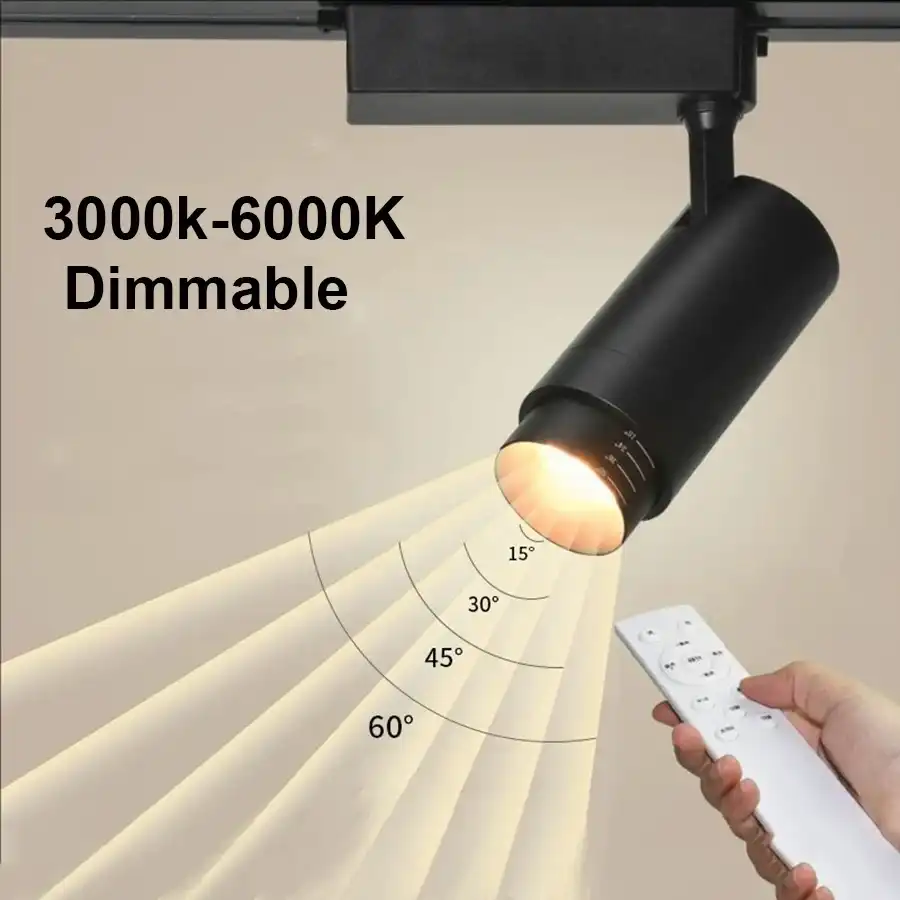
What Is an LED Driver
In order to control the flow of electricity to LED lighting systems, a power supply device called an LED driver is needed. Traditional power sources give out raw electricity, but LED drivers make sure that the current is precisely controlled. This protects LED modules from changes in voltage and improves their performance, energy economy, and lifespan. These important parts change AC power from the wall into the DC power that LEDs need. This makes them necessary for lights in businesses, factories, and buildings.
Comprehending LED Drivers: Core Concepts and Functionality
LED drivers make sure that your electricity system and LED lighting fixtures work together properly, so they work well in a wide range of business settings. These high-tech power management devices keep the voltage and current stable so that the light output stays the same and expensive LED parts are safe from damage.
The Science Behind LED Driver Operation
Modern LED drivers use complex electronics to change the switching current that comes from the building's electrical systems into the direct current that LEDs need. Several steps of electrical purification are needed for the conversion process. These steps are rectification, filtering, and control. This exact control stops the voltage spikes and current changes that can shorten the life of an LED or break it right away.
The governing role is more than just changing the power. Good drivers keep an eye on the temperature, change the output based on changes in the temperature of the environment, and protect against surges during storms or when the grid isn't stable. In workplace settings, where electrical conditions can be tricky, these safety measures are especially useful.
Constant Current vs. Constant Voltage Drivers
To make good purchasing choices, you need to know the difference between constant current and constant voltage drivers. Constant current drivers keep the amperage fixed even when the voltage changes. This makes them perfect for high-power LED arrays and street lights. When multiple LEDs are connected in series, these drivers work great to make sure that the brightness is the same throughout the whole lighting system.
On the other hand, constant voltage drivers keep the output voltage fixed while letting the current change based on the load. These drivers make modular lighting systems more flexible and work well with LED setups that are set up in parallel. Constant voltage drivers are often used in building lighting projects because they make wiring easier and make it easier to add to the system.
Advanced Driver Features for Commercial Applications
Modern LED driver technology has smart features that make it work better and give users more control. Dimming features let you precisely change the amount of light, which helps save energy and set the mood in store and hospitality settings. Advanced drivers offer several dimming methods, such as 0-10V, DALI, and PWM dimming, to make sure they work with current building control systems.
Smart drivers have wireless connectivity and Internet of Things (IoT) features that let building management systems watch and handle things from afar. These features are especially useful for big business installations, where centralized lighting control cuts costs and makes it easier to plan upkeep.
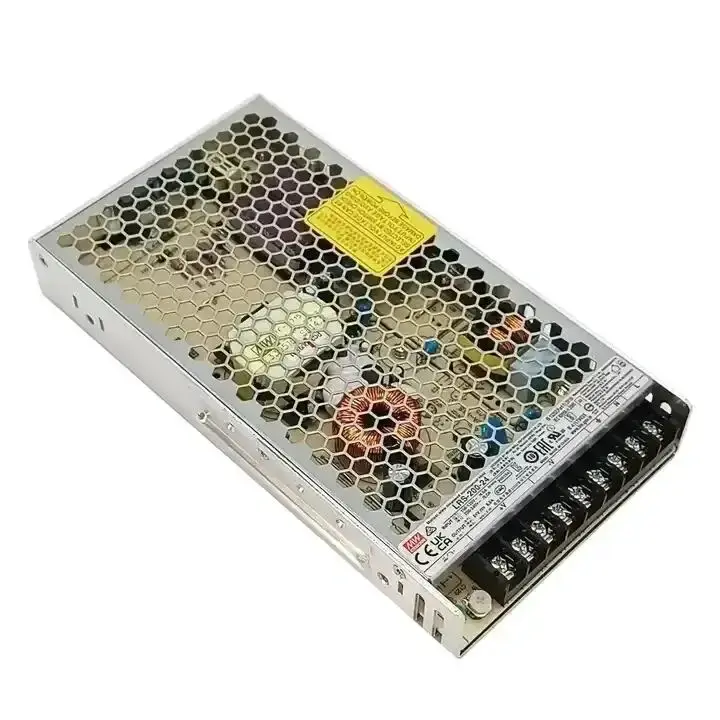
Comparison and Selection Criteria for LED Drivers in Industrial Procurement
To choose the right drivers, you need to carefully look at the technical requirements, the surroundings, and the factors that affect system compatibility. The choice affects not only how well things work right now, but also how much they cost to run and how often they need to be maintained in the future.
Technical Specification Requirements
When choosing a driver, voltage and current values are the most important technical factors. The input power must be compatible with the electricity system in your building, whether it is 120V, 208V, 240V, or 480V. To get the best performance and avoid early failure, the output specs must exactly match the needs of your LED light.
Correction of the power factor becomes more important for big sites where the cost of electricity is affected by how efficiently it is used. Drivers with power factor scores above 0.9 use less reactive power and may be able to get refunds from their utilities in some areas. Total harmonic distortion rates below 20% make sure that electrical rules are followed and that other electronic equipment doesn't get messed up.
Environmental protection scores tell you if a driver is right for a certain fitting spot. For outdoor uses, IP65 or IP67 ratings are enough protection, while standard IP20 ratings are enough for business areas inside. Operating temperature ranges need to take into account the local climate and placement conditions. This is especially important for drivers that are put in ceiling areas that don't get enough air flow or outdoor fixtures.
Safety and Efficiency Standards
UL listing makes sure that the product meets North American safety standards, while CE marking shows that the product meets European safety standards. DLC certification shows that a building is energy-efficient and may be needed for utility refund programs. These certificates make sure that the products are of good quality and make procurement workers less worried about liability.
Energy economy scores have a direct effect on how much it costs to run the driver over its lifetime. Ratings of efficiency above 90% keep business buildings cooler and lessen the amount of heat they produce. In addition to helping with company environmental efforts, high-efficiency drivers also count toward LEED certification points.
Dimming and Control Compatibility
Controlling modern business lighting systems needs to get more complicated over time. When drivers are compatible with building management systems, techniques like automatic scheduling, daylight harvesting, and occupancy-based control can be used. These features can cut energy use by 30 to 50 percent compared to systems that don't dim.
Choosing between conventional and digital dimming methods changes how complicated the system is and how it works. Digital methods offer precise control and more advanced features, such as individual fixture addressing and state input. Analog systems are easier to use and cost less.
Popular LED Driver Brands and Supplier Insights for Trusted Procurement
There are a number of well-known companies in the LED driver market that are known for being reliable and coming up with new ideas. Procurement workers can make better choices that balance performance, cost, and long-term support needs when they know what brands do well.
Industry-Leading Manufacturers
Mean Well is the world's biggest driver company because it has a wide range of products and offers low prices. Their products range from simple constant voltage drivers to complex dimmer controls, and they work especially well in industrial and outdoor settings. The company's world distribution network makes sure that products are always available and that customers can get expert help in many places.
Philips Advance uses decades of knowledge in the lighting business to make drivers that work best in commercial settings. Their products are popular for building and store lighting projects because they use less energy and have more advanced control features. A lot of the time, Philips drivers work well with other Philips lighting parts, which makes designing and buying systems easier.
Osram's driver range is geared toward precise tasks that need precise color control and dimming. Their goods work great in high-end stores and restaurants where lighting quality has a direct effect on how customers feel. Because Osram is dedicated to color science study, their drivers keep the color temperature the same across all dimming settings.
Supplier Evaluation Criteria
Quality badges give you an objective way to tell how reliable a seller is. ISO 9001 certification shows that you handle quality in an organized way, and ISO 14001 certification shows that you care about the environment. When projects need to show proof of quality or follow rules for sustainability, these certificates become very important.
Different providers offer very different levels of technical help. Quick response from engineers helps fix problems during installation and improves system performance. Suppliers who offer local expert support and detailed documents lower the risks of a project and the cost of installation.
The terms of the warranty show that the maker trusts the product to work well. Most guarantees cover you for three to seven years, but some high-end goods cover you for longer. The terms of the warranty should match what was planned for the project's lifetime and its upkeep budget.
LED Driver Purchasing Guide: Efficient Procurement Strategies for Bulk and Custom Orders
To successfully buy drivers, you need to use smart sourcing methods that balance the needs for cost, quality, and service. Knowing how the market works and what suppliers can do helps you negotiate better and lowers the risks of the project.
Strategic Sourcing Channels
When you work directly with a maker, you have the most control over details like prices, delivery times, and specs. Direct involvement may be worth it for large-scale projects, especially when custom driver specs give the project a competitive edge or a unique feature. Having ties with manufacturers also gives you access to the newest products and professional know-how.
Authorized wholesalers offer helpful services for medium-sized projects, like managing supplies, offering technical support, and combining shipping. Established wholesalers keep connections with many makers, which lets customers compare products and find other sources of supply when major choices aren't available.
Online shopping sites make it easier to compare prices and look up product details, especially for standard driver types. A lot of the time, these sites offer thorough technical literature and user reviews that help people decide what to buy. But technical help might not be as good as it is with standard distributor relationships.
Cost Optimization Strategies
Volume price systems use tiered discounts to reward customers who buy more. By combining needs from several projects or planning purchases with other facility managers, you can reach number levels that lower unit costs by a large amount. Some manufacturers let you make an annual promise to buy a certain amount of their products, which gets you better prices during the contract time.
When figuring out the total cost of ownership, you should include the cost of installation, upkeep, and energy use over the driver's expected lifetime. Higher-efficiency drivers cost more up front, but they may be worth it in the long run because they lower running costs. Long-term costs are also affected by differences in how often products fail and what kind of guarantee help is needed.
Custom Driver Solutions
For certain apps, making a custom driver may be needed to get the best speed or integration. For big projects where normal items can't meet specific needs, custom solutions become a good value. Customization requests often include specific form factors, better environmental protection, or the ability to work with custom control systems.
Custom development takes between 8 and 16 weeks, so you need to get involved early in the planning stages of the project. Before going into full production, prototype testing makes sure that custom drivers meet all speed standards. Agreements about intellectual property protect unique designs and make sure that production rights are always available.
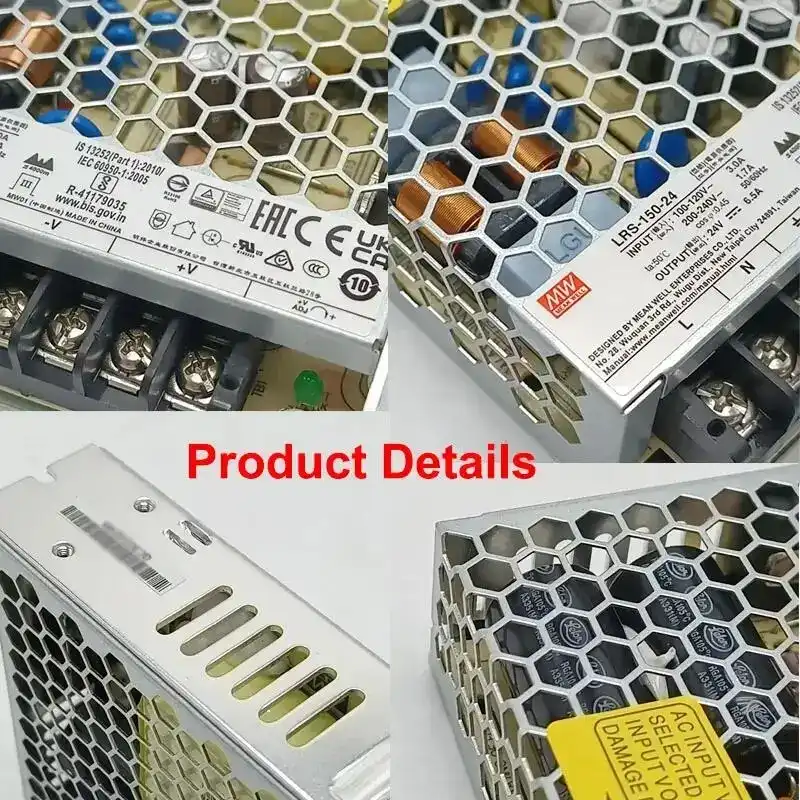
Troubleshooting, Maintenance, and Maximizing LED Driver Lifespan
Preventative maintenance plans increase the life of LED driver and lower the number of unexpected breakdowns that stop the facility from running. Knowing the most common ways that lighting systems break down and taking steps to stop them from happening saves your investments and keeps servicing costs low.
Common Operational Issues
Temperature stress is the main reason why drivers fail too soon. When there isn't enough air flow around driver systems, heat builds up and damages computer parts over time. Installation instructions spell out the minimum distances and air flow that must be kept during the initial installation and any changes that are made to the ceiling afterward.
Changes in voltage from power lines or problems inside the driver can be too big for the limits, leading to failure right away or over time. Monitoring the power quality helps find problems with the electrical system before they damage expensive lights. Surge protection devices add extra safety in places where lightning hits or noisy industrial electrical equipment are common.
Problems with dimming often show up after installation, when the control systems are turned on. Care must be taken when combining a driver and dimmer so that they don't flicker, have a limited dimming range, or not work at all. Testing dimming systems before they are installed keeps expensive repairs from having to be made and makes sure the job goes smoothly.
Preventive Maintenance Strategies
Visual checks done on a regular basis find problems as they start to form before they become system failures. During regular checks of the building, maintenance workers should look for signs of damage, burning, or weak connections. Keeping track of when drivers were installed and when they were serviced can help with warranty claims and plans for replacements.
Monitoring the environment helps drivers do their best in tough situations. Temperature and humidity readings help with improving airflow and finding places that need better environmental protection. Getting too much dust on something can make it harder for heat to escape, so it should be cleaned out regularly.
Monitoring performance with lighting control systems lets you know early on when problems are starting to happen. Gradual rises in power use or a drop in light output could be signs of a failing driver before it fails completely. Trend research can help you figure out when to replace things and when to do repair.
Energy Efficiency Optimization
How efficient a driver is depends on the work and the surroundings. Running drivers at 70 to 80% of their rated capacity usually gives you the best economy and enough performance space. Oversized drivers lose energy because they are less efficient when they only have small loads.
Power factor correction features lower the amount of unstable power used and may be eligible for utility rebates. To keep electricity demand charges as low as possible, buildings with a lot of lights should choose high power factor drivers. Some drivers have power factor settings that can be changed so that they work best with certain electricity rate patterns.
Conclusion
LED drivers are important parts of business and industrial lighting systems that determine how well they work. Knowing the basics of drivers, how to choose them, and how to keep them in good shape lets you make smart purchasing choices that improve performance while keeping costs low. Choosing the right drivers is important for meeting energy saving goals, following the rules, and making sure that modern buildings are reliable. Strategic methods to sourcing and proactive upkeep help get the most out of lighting purchases while keeping downtime to a minimum.
FAQ
What determines the lifespan of an LED driver?
The weather and humidity of the environment have a big effect on how long a car lasts. Under normal conditions, a good driver should last between 50,000 and 100,000 hours. However, too much heat, power changes, or moisture can shorten its life by a lot. The operating life is extended by installing it correctly and making sure there is enough air flow and surge safety.
Can constant voltage drivers work with all LED types?
Constant voltage drivers work well with LED strips and modules that are made to work with constant voltage, which is usually 12V or 24V systems. But steady current drivers are needed for high-power LEDs and series-connected groups to work well and last a long time. To avoid damage and make sure the LED works right, the driver type must match the LED's specs.
How do smart LED drivers differ from standard models?
Smart drivers have features like wireless connection, programming, and the ability to work with building control systems. These drivers let you watch from afar, set schedules automatically, and do more complicated dimming tasks than regular drivers can. Smart features usually come at a higher cost, but they can save time and money in big business installations.
Partner with USKYLED for Premium LED Driver Solutions
USKYLED offers state-of-the-art LED driver technology that is customized to meet your commercial lighting requirements. Our experienced engineering team provides full technical support, OEM solutions that are made just for you, and reliable large supply that can keep up with tight project plans. Our advanced production skills and quality certifications guarantee the best performance, whether you need standard drivers that can be used right away or custom solutions for unique uses. Get in touch with our knowledgeable staff at sales@uskyled.com to talk about your LED driver source needs and find out how our creative solutions can make your lighting projects better.
References
1. "LED Driver Design and Application Guidelines for Commercial Lighting Systems" - Institute of Electrical and Electronics Engineers Technical Publication, 2023
2. "Energy Efficiency Standards for LED Lighting Components in North American Markets" - Department of Energy Lighting Research Consortium, 2023
3. "Reliability Assessment of LED Driver Technologies in Industrial Applications" - International Lighting Research Institute Annual Report, 2022
4. "Power Quality Impact on LED Driver Performance in Commercial Buildings" - Electric Power Research Institute Technical Study, 2023
5. "Thermal Management Best Practices for LED Driver Installations" - Illuminating Engineering Society of North America Guidelines, 2022
6. "Cost-Benefit Analysis of Smart LED Driver Implementation in Large Scale Commercial Projects" - Commercial Building Energy Efficiency Research Foundation, 2023

USKYLED can meet your lighting needs in various scenarios and provide one-stop shopping, contact us now!
Why You Should Choose USKYLED?
![What is Dimmable Track Lighting for Museum: Best Guide [2025]](/icms/upload/0d08cc601e7611f0b542b3ca0c0f4a83/pic/knowledgemanager-knowledgepic/e7879f32605f11f081911f363b8c1ed0/Directory/20250717 dimmable track lighting -1(1)_1752739217941.webp)