Smart Cabinet Lights OEM in China for US Market
The US market for smart cabinet lighting solutions is growing, which has opened up a lot of possibilities for B2B procurement professionals looking for solid OEM partnerships. Chinese companies that make cabinet lights offer modern LED technology, motion sensors, and features that can be changed to fit the needs of the US market. These relationships make it possible for wholesalers, contractors, and lighting businesses to get high-quality lighting solutions at low prices, all while adhering strictly to American safety standards and certifications.
Understanding the Smart Cabinet Lighting Market: Trends and Needs
The smart cabinet lighting market in the US is changing quickly because of new technologies and changing customer tastes. Modern buyers prefer LED systems that use less energy and come with motion sensors, remote settings, and smartphone connection. The market is split into two groups: personal applications, where people want to improve the look of their homes and make life easier, and business applications, which need to work well and follow the rules.
Current Market Dynamics and Growth Drivers
Smart lighting is becoming more popular in business settings, store displays, and home kitchens. According to market research, the US smart lighting market grows by about 20% every year, with cabinet lighting options making up a big part of that. Key growth reasons include more smart home integration, laws that require homes to use less energy, and people becoming more aware of how lighting affects mood and productivity.
Buyer Priorities in Professional Procurement
B2B clients look at closet lighting options based on a number of factors. Quality approvals like UL listing, FCC compliance, and Energy Star scores are still things that must be done. Customization choices, such as changing color temperatures, lowering features, and different mounting options, have a big impact on buying decisions.
Professionals in procurement also stress how reliable suppliers are, how quickly they send goods, and how good their technical help is. For long-term relationships to work, makers must be able to increase production while keeping quality standards the same. In the lighting business, these factors affect how vendors are chosen and how sourcing plans are made.
How to Choose the Right Smart Cabinet Lights for US Market Needs?
To choose the right smart cabinet lights, you need to carefully look at the technical specs, the needs of the application, and the market place. Different settings need different kinds of performance, so it's important to do a thorough review before buying something.
Technical Specifications and Performance Metrics
How well lighting works is based on how bright it is, which is measured in lights per foot. For work lighting, residential settings usually need 100 to 300 lumens per foot, while business settings might need 300 to 500 lumens. Color rendering index (CRI) numbers above 90 make sure that colors are shown correctly, which is especially important in food service and store settings.
Power use has a direct effect on both running costs and environmental compliance. Contemporary LED cabinet lights use 70–80% less electricity than older neon options, but they give off better light. Battery-powered options give you more installation options, but connected systems work consistently for long-term installs.
Application-Specific Considerations
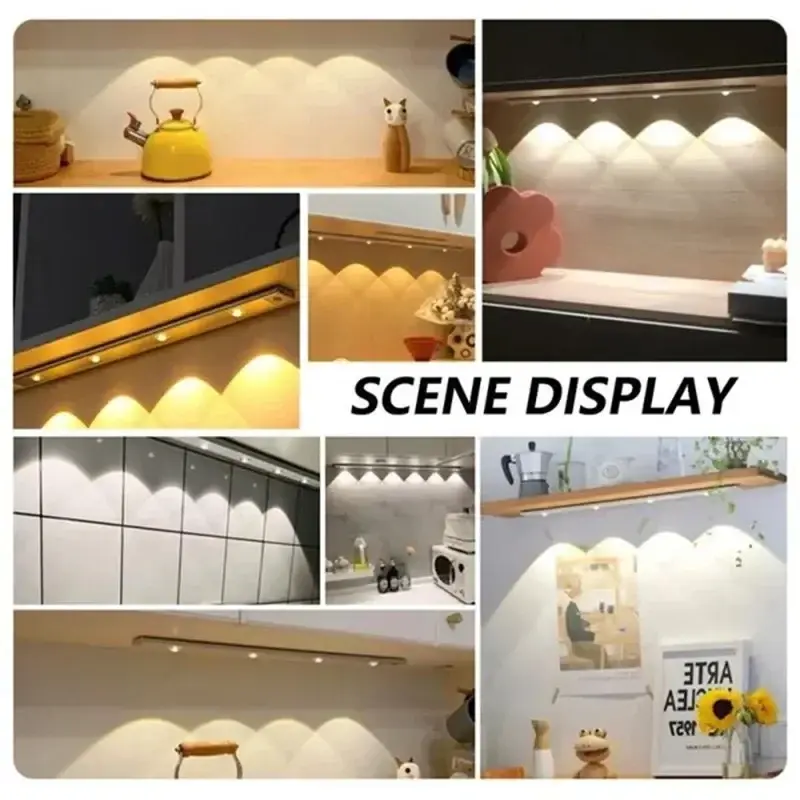
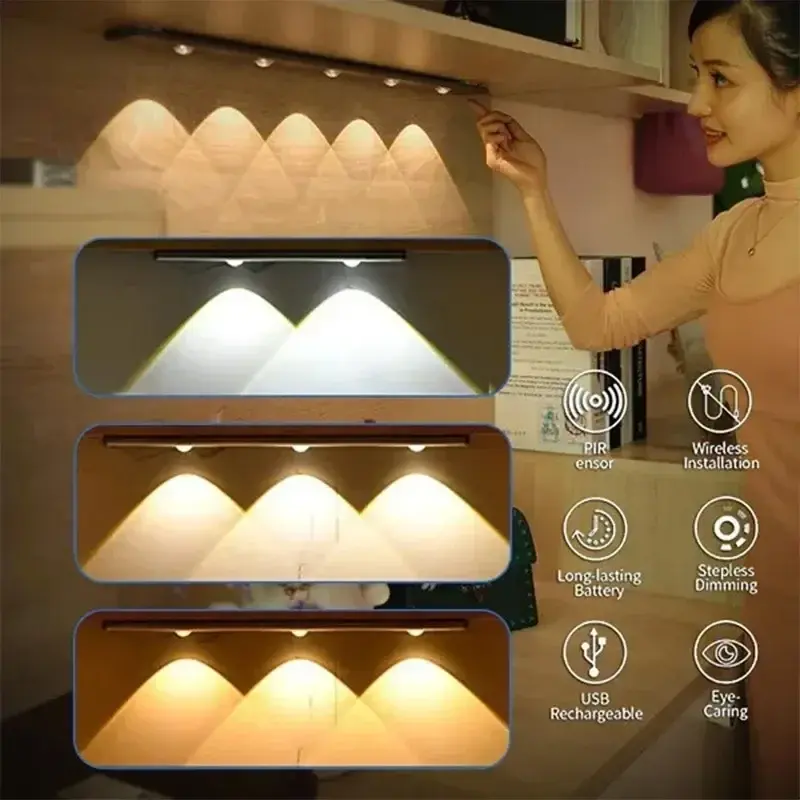
When it comes to residential closet lighting, looks, ease of installation, and smart home connection are all very important. Motion sensors let you control the lights without using your hands, and adjustable features let you change the mood. Homeowners who are good with technology will like that wireless connection lets them control and schedule things from their phones.
In commercial settings, longevity, even lighting, and following building rules are very important. In food service settings, waterproof ratings are very important, and high-output choices work well for store displays that need to make products easier to see. The needs of skilled setups are met by longer warranties and quick expert help.
Advantages of OEM Smart Cabinet Lighting from China for the US Market
Chinese OEM makers offer great value by mixing cutting-edge technology with low prices and the ability to make more products at once. Through these relationships, US businesses can get access to cutting-edge lighting options that help them keep their profit margins high and stay competitive in the market.
Manufacturing Excellence and Technology Integration
Leading Chinese OEMs put a lot of money into research and development, which lets them make cabinet lights with the newest LED chip technology and smart control systems. Automatic production lines in factories keep the standard of the goods constant and help the companies save money by working in bulk. Getting parts from well-known companies like Samsung, Osram, and Epistar ensures that the product will work well and last a long time.
As part of quality control, strict testing procedures are used to check for electricity safety, thermal management, and photometric performance. A lot of producers keep their ISO 9001 approval and use Six Sigma methods, which helps them keep their defect rates below the average for the industry. Because of these methods, goods meet or go beyond what the US market expects.
Customization Capabilities and Design Flexibility
Chinese OEM partners are great at customizing products and changing designs to fit the needs of a market or a brand's positioning. Changes can be made to the materials used for the housing, the ways they are mounted, the control interfaces, and the ways they are packaged. During the production process, engineering teams work closely with US partners to make sure that goods are in line with what customers want.
The OEM process includes coming up with ideas, making prototypes, making tools, and making a lot of products. Design for manufacturing (DFM) advice is given by experienced makers who make goods more cost-effective without lowering their quality. This joint method cuts down on development risks and speeds up the time it takes to get a product to market.
Top Considerations When Procuring Cabinet Lights from China for US B2B Clients
To be good at buying, you need to know about different types of clients and their unique lighting needs. Professional buyers have to look at a lot of things that affect the success of a long-term relationship and the happiness of their customers.
Market Segmentation and Client Requirements
Residential clients want products that are easy to install, look good, and have features that are easy to understand. Mounting systems that are easy to install yourself and wireless operation are appealing to homes who want professional results without having to hire a builder. Smart home compatibility makes sure that new systems can work with current automation systems, which increases the total value.
Commercial clients care about how reliable the performance is, how well it meets regulations, and the total cost of ownership. Facilities managers need goods that can be used continuously and keep giving off the same amount of light. Standardized mounting systems and detailed technical paperwork are important to installation companies because they make it easier to finish projects quickly.
Regulatory Compliance and Certification Requirements
For certain licenses that show safety and efficiency compliance, you need to be able to enter the US market. For most business uses, UL listing is still needed, and FCC clearance makes sure that the product is compatible with electromagnetic fields. Getting the Energy Star label can help your business and in many places you can get a refund from your energy company.
Reliable Chinese makers keep in touch with approved testing labs, which speeds up the approval process. Some sites can do witness tests, which cuts down on the time and money needed for approval. If you know about these standards early on in the buying process, you can avoid delays and extra costs.
Quality Assurance and Supply Chain Management
Strong quality control methods help protect the brand's image and keep customers happy. Protocols for pre-shipment inspections should cover how well the electronics work, how well they're built, and how they look. Inspection services by a third party give you extra peace of mind for large sales or when you're looking for a new provider.
Transparency in the supply chain makes it easier to keep track of goods and plan deliveries. Reliable makers give thorough production plans, information on where to get parts, and help with logistics. These features help just-in-time stocking plans work while lowering the risk of running out of stock.
Practical Guide to Installing and Maintaining Smart Cabinet Lights
The best performance and customer happiness are guaranteed in a wide range of applications by following the right installation and upkeep procedures. Knowing about common problems and the best ways to solve them leads to great project results and long-term dependability.
Installation Best Practices and Common Challenges
Installing under-cabinet lighting is very different depending on the type of cabinet, how easy it is to get to the electrical outlets, and how the room should look. Cabinet lights with hardwired methods works the best, but you need to know a lot about electricity and make sure you follow the rules in your area. Battery-operated choices give you more installation options and don't need any electricity work.
Light consistency and visual appeal are affected by how far apart things are. According to industry guidelines, fixtures should be placed every 18 to 24 inches to make sure there are no dark spots and constant lighting. To keep the light level uniform along the cabinet run, corner changes need to be carefully planned.
Maintenance Protocols and Troubleshooting
Regular repair makes sure that systems work well and last longer. LED units usually last more than 50,000 hours before they start to break down significantly, but power sources and control electronics may need to be replaced sooner. Cleaning plans should take into account how dust builds up and affects light output and heat transfer.
Smart control systems need to have their software updated and their connection checked on a regular basis. If you use the motion sensor a lot or the surroundings changes, you may need to change the tuning. Giving users clear upkeep instructions and customer support materials makes the experience better and cuts down on service calls.
Conclusion
Smart closet cabinet light is becoming more of an option for US companies that want to find new, energy-efficient ways to do things. Chinese OEM makers have a lot of great benefits, such as improved technology, low prices, and the ability to make a lot of changes to the product. To do buying right, you need to carefully look at technical requirements, legal requirements, and the supplier's skills. Working with manufacturers with a lot of experience makes sure that you can get high-quality goods that meet the needs of a wide range of customers while still passing US standards and certifications.
FAQ
What certifications are required for cabinet lights in the US market?
To get into the US market, a product usually needs to be listed by UL for safety reasons and certified by FCC for electromagnetic compatibility. Getting certified as an Energy Star offers extra marketing benefits and the chance to get energy rebates. Depending on the local building rules and the needs of the product, commercial uses may need extra certifications.
How can buyers verify energy efficiency claims before bulk purchases?
Reliable makers give you photometric testing results from approved labs that show how well the lights work, how much power they use, and how they handle heat. Third-party proof through groups like the DesignLights Consortium (DLC) gives you even more peace of mind. Before buying on a big scale, success can be confirmed through sample testing and pilot installations.
What customization options are available for complex commercial projects?
Top OEM makers let you change a lot of things about their products, like the materials used for the case, the mounting systems, the control interfaces, and the way the light is distributed. Teams of engineers work together on temperature control, EMC compliance, and putting together the mechanical parts. Custom solutions usually have minimum order numbers and longer wait times for making the tools.
Partner with USKYLED for Premium Smart Cabinet Lighting Solutions
USKYLED, as a cabinet lighting manufacturer, sells state-of-the-art cabinet lights that use modern LED technology and smart control features. Custom design, strict quality control, and full approval support are all things that we can do as an OEM. Contact sales@uskyled.com to talk about custom solutions for your market needs and get full quotes from a maker of cabinet lights with a lot of experience.
References
1. Smith, J. (2023). "LED Cabinet Lighting Market Analysis: Trends and Growth Projections for North American Commercial Applications." Journal of Lighting Technology, Vol. 45, No. 3.
2. Chen, L., & Rodriguez, M. (2024). "Smart Home Integration: Consumer Preferences in Under-Cabinet Lighting Systems." International Conference on Building Automation and Smart Technologies.
3. Williams, K. (2023). "Energy Efficiency Standards and Certification Requirements for Commercial Lighting in the United States." Lighting Design and Application Magazine, Issue 8.
4. Thompson, R., et al. (2024). "OEM Manufacturing Partnerships: Best Practices for US Lighting Industry Procurement." Industrial Engineering and Management Review, Vol. 28.
5. Anderson, P. (2023). "Installation Guidelines and Safety Protocols for Smart Cabinet Lighting Systems." Electrical Contractor Technology Handbook, 15th Edition.
6. Liu, H., & Johnson, S. (2024). "Supply Chain Management in Cross-Border Lighting Manufacturing: A Case Study Analysis." Global Manufacturing and Logistics Quarterly, Vol. 12, No. 2.

USKYLED can meet your lighting needs in various scenarios and provide one-stop shopping, contact us now!

Why You Should Choose USKYLED?
![What is Dimmable Track Lighting for Museum: Best Guide [2025]](/icms/upload/0d08cc601e7611f0b542b3ca0c0f4a83/pic/knowledgemanager-knowledgepic/e7879f32605f11f081911f363b8c1ed0/Directory/20250717 dimmable track lighting -1(1)_1752739217941.webp)