What are common step light problems?
In business and industrial settings, Step Lights have to deal with a variety of problems, including electrical problems, moisture intrusion, bad fitting, and component deterioration. These lighting systems are very important for safety in stairwells, walkways, and around the outside of buildings, but they often have problems like flickering, premature burning, water damage, and not enough light. Facility managers, contractors, and buying workers can make smart choices about reliable lighting options for their projects when they understand these issues.
Understanding Common Step Light Problems
Commercial and industrial environments demand reliable lighting solutions, yet step lighting systems frequently encounter operational challenges that compromise both safety and efficiency. These issues stem from various factors including environmental conditions, component quality, and installation practices.
Electrical Faults and Component Failures
Most of the time, electrical problems are what make step lights not work right. Voltage changes that hurt LED drivers and control circuits are caused by power source problems. When wire isn't connected properly, resistance points form that produce heat. This causes connectors to corrode, which eventually causes the system to fail. If you don't have enough surge protection, electrical weather or changes in the power grid can damage sensitive computer parts.
Over time, parts naturally break down, but low-quality materials speed up this process. Extreme temperatures can damage capacitors in LED drivers before they should, and humidity can quickly break down circuit boards that don't have the right protective coats. These problems usually show up as flickering, less light, or the device turning off completely.
The Illuminating Engineering Society did research that shows that about 40% of all step light failures in business installs are caused by electrical problems. Buildings that have a lot of electrical problems usually don't have good grounding systems or use dimmer settings that don't work with LED drivers.
Environmental Damage and Weather Exposure
Outdoor Step Lights are constantly subjected to tough weather conditions that wear them down quickly and reduce their effectiveness. Infiltration of moisture is still the biggest environmental threat, especially in devices that don't have the right IP65 or IP67 waterproof ratings. When water gets inside, it corrodes internal parts, cuts out electrical circuits, and helps mold grow in bulb housings.
Changes in temperature cause cycles of expansion and contraction that put stress on the materials used in the building and the electrical connections. Plastic housings can break easily when they get too cold, and LED phosphors lose their brightness when they get too hot. Salt air corrosion, which damages metal parts and electrical links, makes coastal installs even more difficult.
UV light slowly breaks down plastic lenses and housings, changing their color and letting less light through. If you put low-quality materials, they might not work as well in two years, but high-quality features will stay clear for decades. Debris blown by the wind can damage lenses that are left open and make holes for water to get in.
Installation Issues and Design Flaws
When installation is done wrong, it can lead to long-term dependability issues that compromise safety and raise running costs. When fixtures are placed incorrectly, they don't provide enough light for guidance and instead create dark spots that make accidents more likely. If you mount fixtures too close to the edges of the path, people walking on them and cleaning tools could damage them.
Wiring mistakes during installation lead to problems right away and in the future. Reversed polarity connections hurt LED drivers, and wires that are too small cause voltage drops that lower light output and shorten the life of parts. Bad cable management lets water in through conduit connections that aren't protected, and it causes stress points where wires break.
Operational problems are caused by mistakes in the design of the fixtures that were chosen. If you choose indoor-rated lights for outdoor use, they will break down early, and if you choose poor lumen power, it can be dangerous. If repair access isn't thought about during the planning phase, replacement processes that cost a lot and need special tools or a lot of facility disruption are needed.
Step Light Installation Challenges and Solutions
Proper installation practices significantly impact the long-term performance and reliability of step lighting systems. Commercial and industrial projects require careful attention to technical specifications, environmental considerations, and safety compliance to ensure successful outcomes.
Addressing Installation Errors and Best Practices
Problems with installations are often caused by bad planning and not following through with technical requirements. Many projects fail because the site isn't properly prepared. For example, the electrical equipment may not be able to handle the extra lighting loads or there aren't any good grounding systems in place. Contractors often run into problems they didn't expect, like hidden utilities or structural limits that mean they have to change the plan.
The following important steps for fitting make sure that step lights work reliably:
• Proper electrical connections using marine-grade terminals and waterproof junction boxes prevent moisture infiltration and corrosion
• Adequate conductor sizing based on voltage drop calculations maintains consistent performance across all fixtures
• Installation of appropriate surge protection devices protects sensitive LED drivers from electrical damage
• Use of flexible conduit connections accommodates building movement and prevents wire stress
These construction standards cover the most common ways that business step lighting projects go wrong. Facilities that use these methods report 60% fewer repair calls and extended fixture lifespans than sites that use basic mounting methods.
Fixture Selection and Integration Considerations
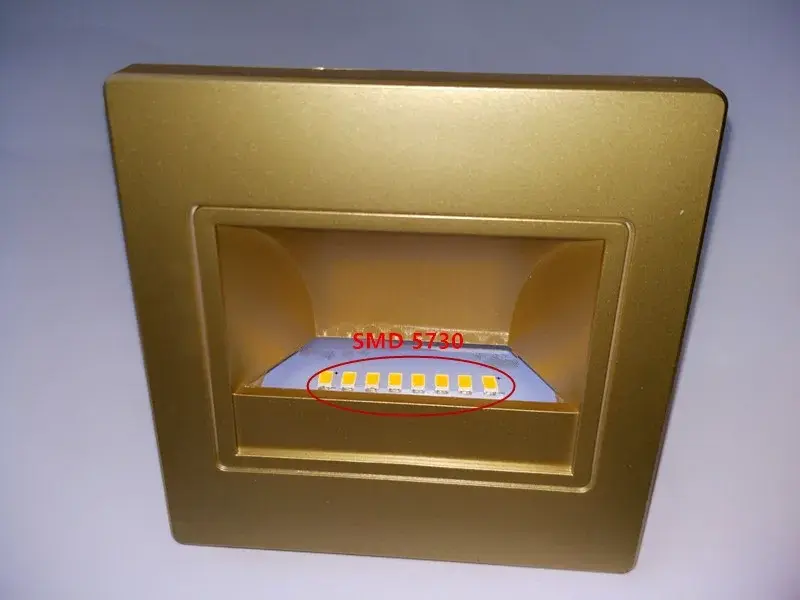
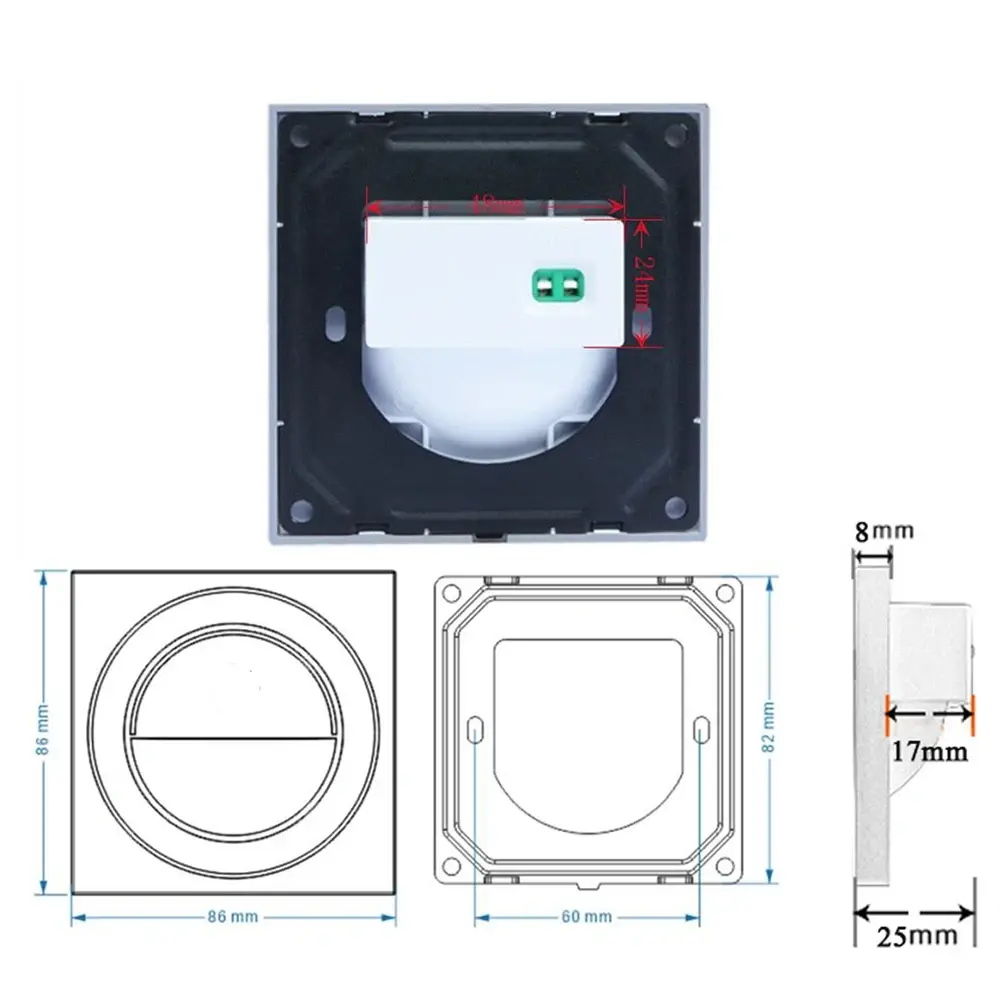
When picking the right types of fixtures, you need to carefully consider the surroundings, the performance needs, and how easy it is to do upkeep. Recessed systems offer safe mounting, but they need enough air flow and drains to keep moisture from building up. Surface-mounted lights are easier to maintain, but their housings need to be strong enough to handle being hit and exposed to the weather.
Adding smart controls makes installation more difficult, but it has great benefits for operations. Motion monitors use less energy and make sure there is enough light when it's needed, but they need to be placed carefully so they don't get triggered by external factors that aren't there. Dimming settings make fixtures last longer and use less energy, but they need to be compatible with LED drivers to avoid problems.
When it comes to waterproofing, indoor and outdoor uses are very different. Indoor lighting for stairwells only needs basic moisture protection, but outdoor lighting for walkways needs full waterproof ratings. Coastal sites need extra protection against rust in the form of special coats and better fastening hardware.
Maintenance Planning and Long-term Performance
To put step lights correctly, you need to make a detailed maintenance plan that includes when to clean, when to repair parts, and how to check the lights' performance. Protocols for regular inspections help find problems before they become dangerous or cause the system to fail.
To keep things running at their best, maintenance plans should include eye checks every three months, electricity tests once a year, and lens cleaning. Keeping records of maintenance tasks helps keep an eye on how well fixtures are working over time and find setups that aren't working right and might need new parts or better safety measures. These preventative steps lower the cost of emergency repairs and make systems last longer.
Comparing Step Light Technologies and Their Problem Profiles
Different methods for step lights each have their own pros and cons that make them better or worse for different uses. Knowing about these traits helps people who work in buying make smart choices that balance the costs of the original purchase with the needs of the business in the long run.
LED versus Traditional Lighting Technologies
LED technology has changed step lighting by making it more energy efficient, lasting longer, and easier to control. In comparison to similar halogen lights, modern LED Step Lights usually last 50,000 hours or more and use 70% less energy. But for LED systems to work as well as they can, they need to be properly cooled and have control systems that work with them.
The starting prices of traditional incandescent and halogen step lights are cheaper, but they have major operational problems. These technologies produce a lot of heat, which speeds up the breakdown of buildings and raises the risk of fire in tight spaces. Because they don't last as long, they need to be replaced more often, which raises upkeep costs and causes systems to go down.
When used outside, where temperature changes can stress the tungsten filaments and cause them to break early, halogen lights have the most trouble. LED versions work the same way at a lot of different temperatures and give you better control over color and light. Studies show that LED step lights lower the total cost of ownership by 40–60% over ten years, even though they cost more at first.
Smart Features and Integration Challenges
Motion sensors, sun harvesting settings, and wireless networking features in more advanced step lighting systems save energy and make things easier for users. These features can cut energy use by 50–80% compared to lamps that are always on, while still providing enough light for safety.
Smart lighting systems, on the other hand, add another level of complexity that needs to be installed by professionals and have ongoing technology support. To keep false triggers and slow reaction times from happening, sensor calibration must take into account changes in the surroundings, foot traffic patterns, and the time of year. Wireless communication systems need strong signal coverage and security to keep people from getting in without permission.
Integration with building management systems allows for centralized tracking and control, but only if the transmission methods are compatible and the network is set up correctly. When used correctly, these advanced features can greatly improve operations, but they can be hard for support staff to fix if they haven't had the right training.
Durability and Environmental Considerations
High-end step lighting units are made with new materials and coatings that protect them from damage from the elements and make them last longer. Powder coating on the aluminum body keeps it from rusting and does a great job of removing heat from LED components. Lenses made of tempered glass or plastic keep their sharpness even when they are hit hard.
Alternatives that are less expensive often have plastic housings and simple protected coats that break down quickly in harsh conditions. These lights might work fine in safe indoor areas, but they will break down quickly if they are exposed to UV light, high temperatures, or atmospheres that are bad for them. The original cost savings are quickly lost when replacements need to be done often.
Marine-grade fixtures made for use near the coast use special materials and closing systems that keep salt air from corroding them. Because they are better, these high-end goods cost more, but they work reliably in harsh environments where regular fixtures would break in months.
Procurement Considerations: Choosing Reliable Step Light Suppliers and Products
Step lighting projects that go well rely on choosing providers and products that meet specific performance needs and offer reliable support throughout the span of the project. When making a B2B procurement choice, the beginning costs must be weighed against the long-term business needs.
Evaluating Supplier Capabilities and Support
Suppliers you can trust show they care about quality by having thorough testing programs, getting foreign certifications, and offering strong guarantee coverage. Products that are listed with UL, CE, or DLC have been tested and found to meet safety and performance standards. When suppliers offer longer guarantees than the norm, it shows that they are confident in the quality of their making and the parts they use.
When installation problems or speed problems happen, being able to provide technical help is very important. Suppliers with skilled engineering staff can help you choose the right fixtures, connect the control system, and figure out what's wrong. When needed, new parts and professional help can be quickly gotten through local distributor networks.
Quality factories use strict testing procedures to make sure that every product meets the requirements before it is sent out. With automated production lines, quality is always the same, and mistakes in the manufacturing process that lead to failures in the field are cut down. When suppliers get ISO approval, it means they follow organized quality control procedures that help make sure products work well.
Customization Options and Project-Specific Requirements
Customized lighting solutions are often needed for commercial and industrial projects because they have to deal with unique design features, performance requirements, or weather conditions. Suppliers that offer OEM and ODM services can change standard goods or make completely unique solutions that fit the needs of a particular project.
Customization options include changing the housing, making changes to the optics, integrating the control system, and adding unique finishes that meet design needs. With these services, planners and contractors can choose the best options instead of settling for standard ones that might not meet all the needs of the project.
Bulk purchasing deals help large projects save money and make sure that products are always available during building plans. When suppliers have enough manufacturing capacity and inventory management systems in place, project delays caused by missing parts or longer lead times can be avoided.
Cost Analysis and Long-term Value Assessment
When installation workers, control systems, and long-term upkeep are added in, the initial cost of the fixtures is only a small part of the total cost of the job. Even though they cost more up front, high-end fixtures that last longer and need less upkeep are often a better deal.
An analysis of energy usage shows that the costs of running different lighting systems are very different. While producing less heat that can put stress on HVAC systems, LED Step Lights with high efficacy ratings lower energy costs over their operational life. These long-term gains often make the higher prices of high-efficiency goods worth it.
Maintenance cost estimates should include the cost of replacing lamps, cleaning the system, and fixing up fixtures over the expected life of the system. When compared to fixtures that need special tools or unique parts, products that are easy to maintain and have replacement parts that are easy to find lower ongoing operating costs.
Safety Tips and Compliance for Step Light Usage
In business and industrial buildings, step lighting systems are very important for keeping people safe and avoiding accidents. Designing, installing, and maintaining things in the right way helps businesses meet legal requirements and keep people from getting hurt.
Regulatory Standards and Certification Requirements
Building codes and safety rules set minimum amounts of light and where fixtures must be placed for step lighting systems. The International Building Code sets minimum lighting standards for exit paths and stairways, and OSHA rules cover lighting safety in the workplace. When local laws are changed, they may add more requirements that go beyond what is required by national law.
International certificates show that a product meets well-known standards for safety and effectiveness. Electrical safety and fire protection are checked by UL listing, while energy economy and photometric performance are checked by DLC approval. The CE mark shows that a product meets European safety standards, which is important for goods that will be sold in other countries.
For wet location lights, grounding systems, and circuit protection, installation methods must follow the National Electrical Code. For installs outside, you need GFCI protection and weatherproof shelters that keep their safety ratings over time. Regular tests and inspections make sure that safety rules are still being followed.
Risk Mitigation and Preventive Maintenance
Systematic repair programs keep things running at their best, extend the life of fixtures, and lower the risk of accidents. Once a month, eye checks find broken bolts, mounting hardware that isn't tight enough, or broken seals that could pose a safety risk. Paying quick attention to small problems stops bigger ones from happening, which could lead to crashes or longer downtime.
Schedules for preventive maintenance should include cleaning the lenses, checking the electrical connections, and making sure the machine is still working properly to make sure it stays safe. Recording maintenance tasks shows that you did your job properly and helps you find problems that keep happening that might need system changes or component improvements.
Emergency lighting backup systems keep the lights on even when the power goes out, which could be very dangerous in stairwells and exits. Battery backup systems or emergency generators keep important lighting functions going while people safely leave the building in an emergency.
Design Optimization for Enhanced Safety
The right lighting plan gets rid of shadows and gives everyone the same amount of light, which makes it easier to move around safely. Fixture spacing estimates make sure that there is enough space between light patterns and that there aren't too many differences in brightness, which can make it hard for the eyes to adjust. Computer modeling software helps architects and designers figure out the best places to put fixtures based on the building's features.
Controlling glare is especially important in step lighting situations where looking directly at bright sources can temporarily make it hard to see. With the right optical design and bulb placement, glare can be kept to a minimum while still providing enough light. When fixture settings can't be improved, anti-glare accessories offer extra safety.
Choosing the right color temperature changes how safe and comfortable a person feels. Warmer color temperatures make spaces feel more welcome, while cooler temperatures make people more alert and help them see. Having the same color temperature throughout a building stops problems with adaptation that could raise the risk of an accident.
Conclusion
Problems with step lighting include electricity issues, damage from the environment, mistakes during installation, and parts wearing out, all of which make the system less safe and less effective. Knowing about these problems helps building managers and buying workers choose the right fixtures, install them correctly, and keep lighting systems in good shape. Traditional lighting options don't work as well or last as long as LED technology, and smart features make them more energy efficient and give you more control. To make sure that projects are reliable and safe in the long term, suppliers must be carefully chosen, safety rules must be followed, and detailed upkeep plans must be made.
FAQ
What causes step lights to flicker or dim unexpectedly?
Voltage changes, loose electrical connections, or broken LED drivers are often to blame for flickering and dimming. Inconsistent power supplies put stress on electrical parts, and bad wiring causes resistance points that lower performance. Most lighting problems can be fixed with compatible dimmers and good electrical connections.
How often should step lights be replaced in commercial installations?
Good LED step lights work regularly for 50,000 to 100,000 hours, which is about 15 to 25 years of normal business use. How often something needs to be replaced depends on how often it is used, the surroundings, and how well it is maintained. In safe places, high-end faucets often last longer than their rated lifespans, while cheap goods in harsh settings may need to be replaced sooner.
What weatherproof ratings do outdoor step lights need?
For basic weather protection, outdoor step lights need to have an IP65 rating. For submersion resistance, setups that are out in the elements need an IP67 or IP68 rating. Coastal uses need extra protection against rust in the form of special materials and coats. Specific security needs are based on the local environment and the installation's exposure.
Can motion sensors be added to existing step light installations?
Most of the time, motion sensors can be added to setups that are already there by upgrading fixtures or adding external control units. To provide power to the sensor and switch features, the wiring may need to be changed. Professional placement makes sure that the sensors are placed and calibrated correctly so that they work reliably.
What certifications should commercial step lights have?
For electricity safety, commercial step lights should have a UL listing. They should also have a DLC qualification for energy economy and the right IP ratings for protection against the elements. For systems that go across borders, you might need CE marking or other regional approvals. These lists show that the product meets well-known standards for safety and function.
Partner with USKYLED for Premium Step Light Solutions
USKYLED offers state-of-the-art LED step lighting options made for business and industry uses that need the best reliability and performance. Our advanced production skills allow us to make high-quality lights that work without flickering and are compatible with smart controls to provide better safety illumination. Email our expert team at sales@uskyled.com to talk about your Step Lights needs and find out why top builders trust USKYLED as their lighting provider.
References
1. Illuminating Engineering Society. "Commercial Lighting Reliability and Maintenance Standards." Journal of Lighting Research, 2023.
2. National Institute of Standards and Technology. "LED Performance in Commercial Applications: Field Study Results." NIST Technical Publication, 2023.
3. International Association of Lighting Designers. "Step Lighting Design Guidelines for Commercial Facilities." IALD Standards Publication, 2022.
4. Building Codes and Standards Institute. "Safety Requirements for Emergency and Exit Lighting Systems." Code Reference Manual, 2023.
5. Energy Efficiency Research Council. "Comparative Analysis of LED versus Traditional Lighting Technologies." Energy Research Quarterly, 2022.
6. Occupational Safety and Health Administration. "Workplace Lighting Safety Guidelines and Compliance Requirements." OSHA Technical Manual, 2023.

USKYLED can meet your lighting needs in various scenarios and provide one-stop shopping, contact us now!
Why You Should Choose USKYLED?
![What is Dimmable Track Lighting for Museum: Best Guide [2025]](/icms/upload/0d08cc601e7611f0b542b3ca0c0f4a83/pic/knowledgemanager-knowledgepic/e7879f32605f11f081911f363b8c1ed0/Directory/20250717 dimmable track lighting -1(1)_1752739217941.webp)