Supplier Screening Guide for Commercial Lighting Buyer
Selecting reliable commercial lighting suppliers requires a comprehensive evaluation framework that encompasses product quality, certification standards, and long-term partnership potential. When procuring specialized lighting solutions such as desk lights for office environments, buyers must assess suppliers based on technical specifications, manufacturing capabilities, and after-sales support. This guide provides commercial buyers with proven methodologies to identify trustworthy suppliers who can deliver energy-efficient lighting products that meet stringent quality requirements and compliance standards essential for professional workspace applications.
Understanding Commercial Desk Lighting Needs
Specialized lighting solutions are needed in commercial workspaces to boost output while keeping energy costs low and workers comfortable. Different business settings have very different task lighting needs. For example, computer work, reading, and detailed tasks need focused lighting at an office desk.
Essential Performance Requirements for Commercial Applications
Modern business buildings put a lot of emphasis on lighting systems that work consistently and keep costs low. Energy economy is the most important thing to think about, and LED technology lasts longer than traditional light options. It is important for commercial-grade desk lights to be bright enough without causing glare or eye pain, so employees can stay healthy while working long hours.
With ergonomic design features, users can change the amount of light and where they sit to suit their needs. Having the ability to change the color temperature lets you make the best use of your area for different tasks. For example, focused computer work needs cooler lighting, while group talks need warmer lighting. These features make it easier to work without getting tired, which leads to measured productivity gains.
Regulatory Compliance and Safety Standards
When buying commercial lighting, it's important to make sure that it meets safety rules and building codes. As a result of OSHA rules, different work areas must have a certain amount of light. ENERGY STAR approval makes sure that goods meet efficiency standards that support companies' efforts to be more environmentally friendly.
Quality approvals like UL ranking, CE marking, and RoHS compliance show that a company follows safety and environmental rules. These approvals give people who buy things faith in the stability of the products and make sure that they work with current maintenance and property management systems.
Criteria for Screening Desk Light Suppliers
Systematic evaluation of multiple performance factors that directly affect procurement success and long-term operating efficiency is needed to evaluate suppliers effectively. Quality assurance skills, such as manufacturing standards, testing methods, and processes for ongoing growth, are the building blocks of trusting relationships with suppliers.
Quality Benchmarks and Certification Requirements
Suppliers with a good reputation have complete quality management systems that include ISO 9001 certification and testing methods that are unique to each product. Statistical process control and regular checks by a third party should help manufacturing facilities show that the quality of their output is always the same. Product approvals like Energy Star, CE, and UL prove that a product meets safety standards and energy saving claims.
Transparency in the supply chain lets buyers figure out what factories can make and what limits on capacity might affect shipping times. Suppliers who have well-established quality paperwork systems can give you full specs, test reports, and compliance certificates that help you make smart choices about what to buy. This paperwork is very important for building managers who need specific product information for planning maintenance and making warranty claims.
Financial Stability and Commercial Track Record
Supplier financial security has a direct effect on the ability to support products and form long-term partnerships. Suppliers that have been around for a while and have a wide range of business clients have shown they can handle big projects and high volume needs. Referrals from clients on similar business projects can show how well a seller does in similar working situations.
Competitive market rates should be reflected in pricing systems, and bulk discounts and contract terms should be kept clear. Suppliers who offer open payment terms and clear guarantee terms show that they care about their customers and want to build long-term relationships with them. These things affect the total cost of ownership efficiency in addition to the initial buy price.
Comparative Analysis of Desk Lighting Solutions
New technologies have changed the types of lights that can be used on business desks, making it possible to save a lot of energy and get better results. In business settings, LED technology has become the best choice because it is more efficient, lasts longer, and is easier to handle than traditional lighting systems.
LED Technology Advantages in Commercial Settings
LED desk lights are clearly better than fluorescent ones because they use less energy and don't need as much upkeep. Studies show that LED systems use 50–80% less energy while giving off the same amount of light or more. This means that over the lifetime of a product, the operating costs will be much lower. Longer operating lifespans of 25,000 to 50,000 hours reduce the number of times that parts need to be replaced and the costs of that upkeep.
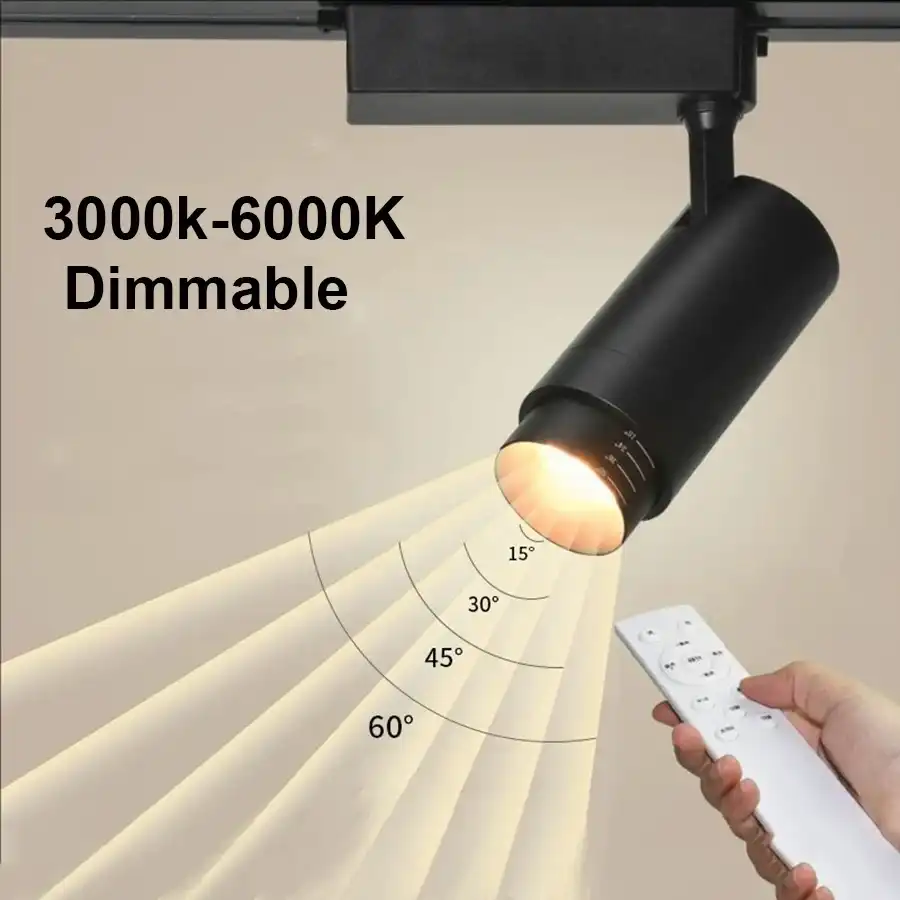
Modern LED lights have dimmer and color temperature control features that help with optimizing circadian rhythms and meeting the lighting needs of different tasks. Smart integration lets you set up centralized control systems that help building managers do their jobs more efficiently and give energy management tools information about how much energy is being used. These features are in line with companies' efforts to be more environmentally friendly, and they also make employees happier and more productive.
Power Options and Connectivity Features
Modern business desk lighting solutions come with a range of power and connectivity choices so they can be used with a variety of office layouts. Corded models offer a steady power source for fixed installations, while battery-powered models allow for flexible workspace plans that can be changed. Adding USB charging makes the product more useful by lowering the number of cords that are hanging around and letting you charge your devices.
There are ways to connect wirelessly that let building control systems and smart facility management tools work together. These features make it possible to track energy use, set automatic schedules, and use remote controls. This makes operations more efficient and gives information for ongoing efforts to make things better. These kinds of features are especially helpful for buildings that want to get LEED approval or meet other green building standards.
Step-by-Step Supplier Screening Process for Commercial Buyers
Systematic review of suppliers lowers the risks of buying while ensuring the best product choice for specific business needs. With this organized method, people who work in procurement can make choices based on facts that support long-term operational goals and spending limits.
Defining Procurement Objectives and Specifications
To do a good job of screening suppliers, you must first be clear on what the project needs, such as technical details, number standards, and delivery dates. A workspace review shows what kind of lighting is needed in each area, such as focused task lighting for individual desks and adjustable ambient lighting for shared spaces where people work together.
The budget should include the total cost of ownership, which includes the price of the product itself, the cost of installation, the amount of energy it uses, and the amount of upkeep it needs over its predicted lifetime. Performance standards need to include things like brightness levels, color temperature ranges, dimming options, and any smart integration needs that help building managers reach their goals.
Research and Initial Supplier Identification
Trade magazines, industry directories, and professional organizations are all great ways to find possible sellers who have the right experience and skills. Trade shows and industry conferences give buyers the chance to directly evaluate suppliers and see demonstrations of products, which lets them see for themselves how well the products are built and how well they work.
When you do study online, you should look at the supplier's website, the product list, and customer reviews. People who work in building management and buying often know of trusted suppliers who have completed successful business lighting projects and can suggest them.
Sample Evaluation and Testing Protocols
Physical samples of the product let you fully test the build quality, light output, and user interface functions. Brightness should be measured, color temperature should be checked, and dimming performance should be evaluated in real-world settings. Long-term reliability standards can be gained from trying durability over long lengths of time.
Integration testing with current building systems makes sure that they work together and finds any technical needs that need to be met for the operation to go smoothly. When you look over the documentation, you should look at things like installation directions, maintenance needs, and warranty terms that affect the total cost of ownership and plans for operations.

Practical Tips and Best Practices for B2B Desk Light Procurement
Strategic buying practices improve the success of both the current project and the long-term relationship building with suppliers. These methods help keep costs low while making sure the quality of the product and its delivery are reliable enough to meet the needs of a business project.
Leveraging Technology for Informed Decision-Making
Digital procurement tools let you compare all of your suppliers and keep track of their success throughout the whole buying process. With virtual product demos, you can quickly test a product without having to journey a long way or send samples. Online collaboration tools make it easier for many people to make decisions and keep track of documents for complicated buying projects.
Software options for purchasing help with keeping an eye on vendors' work, managing contracts, and planning for renewals, all of which are important for keeping good relationships with suppliers over time. These tools let you analyze data to find ways to save money and performance trends, such as those related to desk lights, that will help you make decisions about future purchases.
Building Long-Term Supplier Partnerships
Through joint development projects and exclusive partnership agreements, collaborative supply relationships help open up new ideas and cut costs. Regular performance reviews give feedback that helps people keep getting better and take care of any service problems before they happen.
Combining volume from several projects or sites gives you more bargaining power to get better prices and service terms. When a company works with a strategic supplier, they may get special treatment for urgent orders, faster technical help, and early access to new products that give business lighting projects a competitive edge.
Conclusion
To effectively screen business lighting suppliers, you need to carefully look at their ability to meet quality standards, keep certifications up to date, and form long-term partnerships. This all-around method makes sure that choices about what to buy support business efficiency, regulatory compliance, and budget optimization. It also provides reliable desk lights and other lighting solutions that make the workplace more productive. Finding the right balance between short-term project needs and building smart relationships with suppliers that create long-term value for business buildings is key to success.
FAQ
What certifications should I look for when selecting commercial desk light suppliers?
UL listing for electrical safety, Energy Star for efficiency, and CE marking for foreign compliance are all important approvals. RoHS certification makes sure that products are safe for the environment, and ISO 9001 certification shows that a quality management system has been put in place. These approvals make sure that the product is safe, works well, and follows all the rules that are needed for business use.
How do LED desk lights compare to fluorescent options for commercial use?
When compared to neon desk lights, LED lights use 50–80% less electricity, making them more energy efficient. They last longer (25,000 to 50,000 hours), which lowers the cost of upkeep and the number of times they need to be replaced. With LED technology, you can better control the light quality by adjusting the brightness and color temperature. This makes workers more comfortable and helps them get more done.
Can suppliers provide customized desk lighting solutions for specific office requirements?
You can customize a lot of things from reliable providers, such as the brightness levels, color temperature settings, and mounting arrangements. Smart integration features, USB charging choices, and wireless connectivity can all be changed to fit the needs of each workplace. Custom solutions often come with certain finish choices and ways to brand them for business settings.
Partner with USKYLED for Premium Commercial Lighting Solutions
USKYLED delivers cutting-edge LED lighting technology designed specifically for commercial applications requiring superior performance and reliability. Our comprehensive product portfolio includes energy-efficient desk lights from a trusted desk lights supplier and architectural lighting solutions backed by international certifications and responsive technical support.Contact our team at sales@uskyled.com to explore customized lighting solutions that optimize your workspace productivity while achieving significant energy savings.
References
1. "Commercial Lighting Procurement Best Practices for Facility Managers" - International Facility Management Association Professional Guidelines, 2023
2. "Energy Efficiency Standards for Commercial LED Lighting Systems" - Department of Energy Commercial Building Initiative Report, 2023
3. "Workplace Lighting Impact on Employee Productivity and Well-being" - American Society of Interior Designers Research Publication, 2022
4. "Supplier Quality Management in Commercial Procurement" - Supply Chain Management Professional Association Handbook, 2023
5. "LED Technology Advances in Commercial Applications" - Illuminating Engineering Society Technical Journal, 2023
6. "Sustainable Lighting Procurement Strategies for Commercial Buildings" - Green Building Council Commercial Guidelines, 2022

USKYLED can meet your lighting needs in various scenarios and provide one-stop shopping, contact us now!
Why You Should Choose USKYLED?
![What is Dimmable Track Lighting for Museum: Best Guide [2025]](/icms/upload/0d08cc601e7611f0b542b3ca0c0f4a83/pic/knowledgemanager-knowledgepic/e7879f32605f11f081911f363b8c1ed0/Directory/20250717 dimmable track lighting -1(1)_1752739217941.webp)