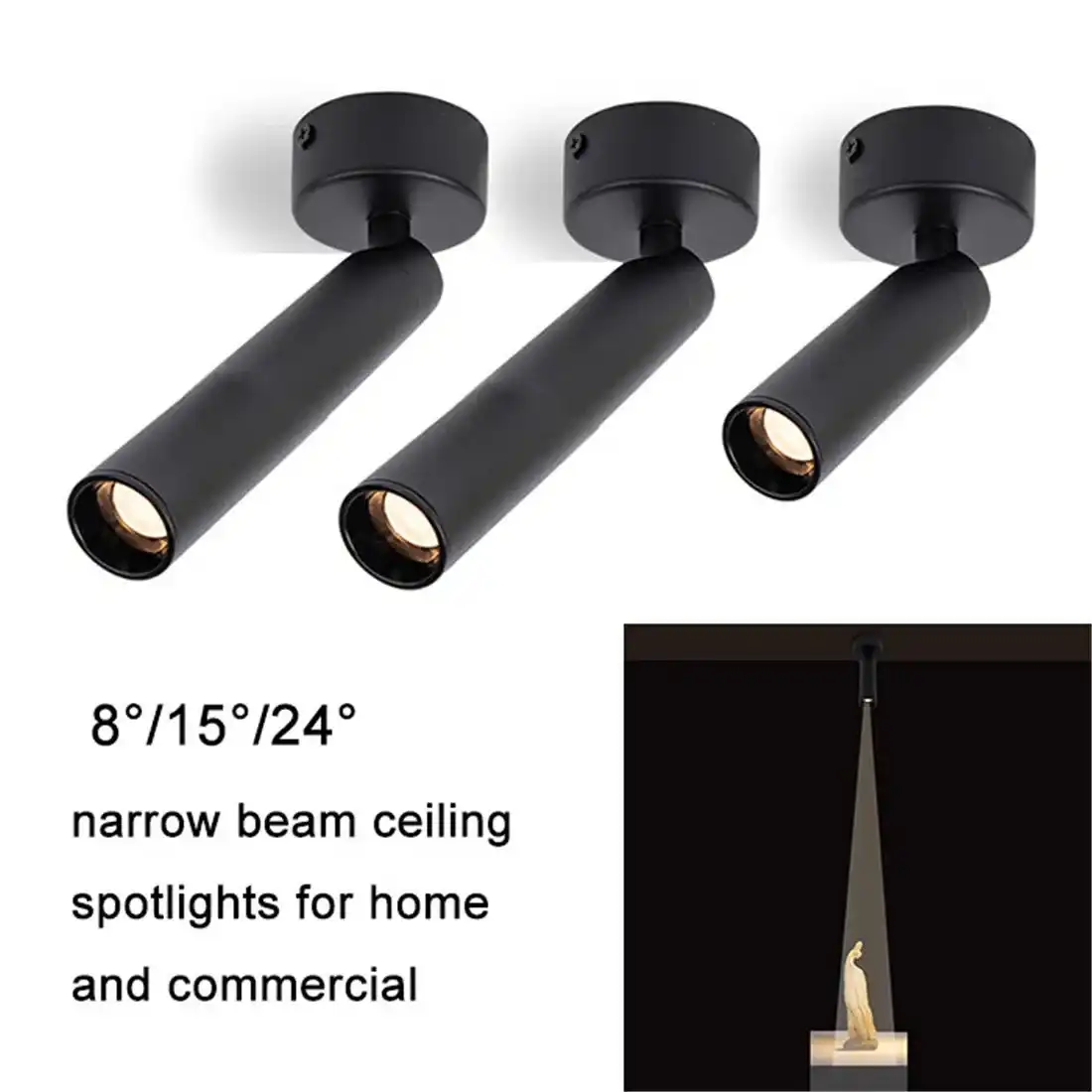
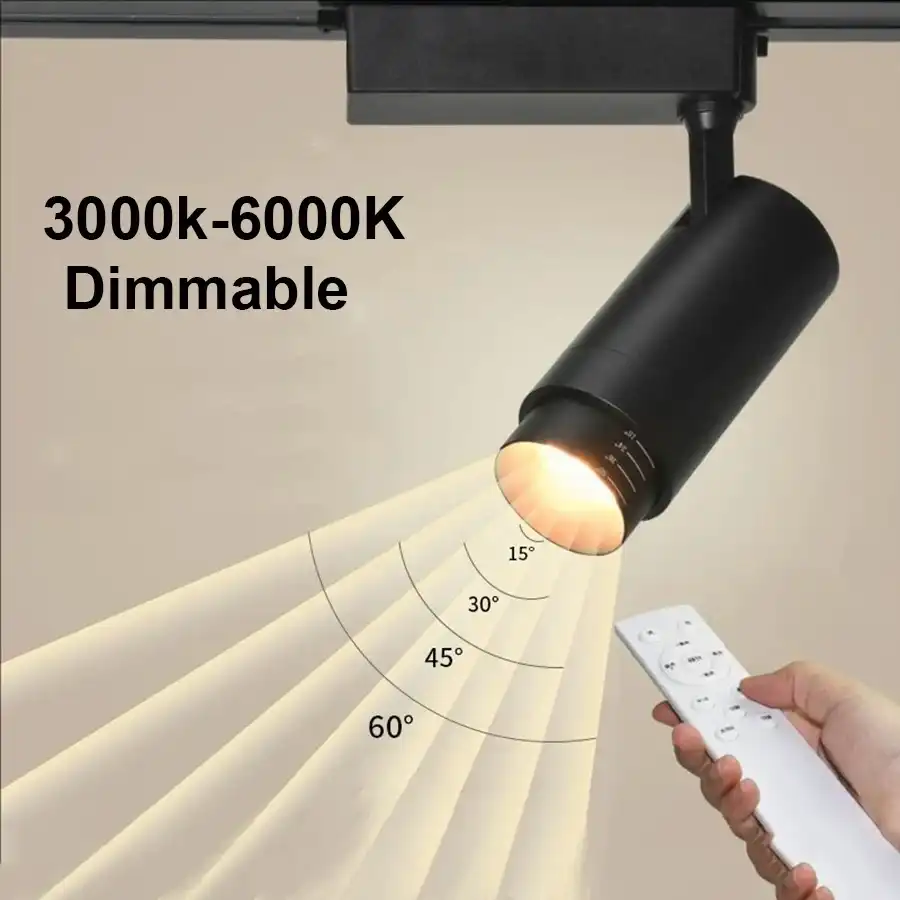
Choosing Between Flexible and Standard Linear Lighting Solution
When choosing lighting for business or industrial projects, the choice between flexible lights and normal linear lighting systems has a big effect on the success of the project, how quickly it is installed, and how much it costs to run in the long run. Flexible lights, which are also called LED strip lights or tape lights, are very useful because they can be bent and stick to surfaces. They are perfect for lighting up curved surfaces, accents, and small building features. For large-scale business uses, standard linear lighting gives off strong, even light and has great structural stability. When procurement professionals know the pros and cons of each type of lighting, as well as how to install it and how well it works, they can make decisions that are in line with the needs of the project, the budget, and the needs of the business, while also making sure they follow all industry standards and certifications.
Understanding Flexible and Standard Linear Lights: Key Differences and Use Cases
It's important to be able to tell the difference between flexible and standard linear lighting systems when making choices about what to buy for a variety of business uses. Different types of lights have different features that make them suitable for different settings and installation needs.
Defining Flexible LED Strip Technology
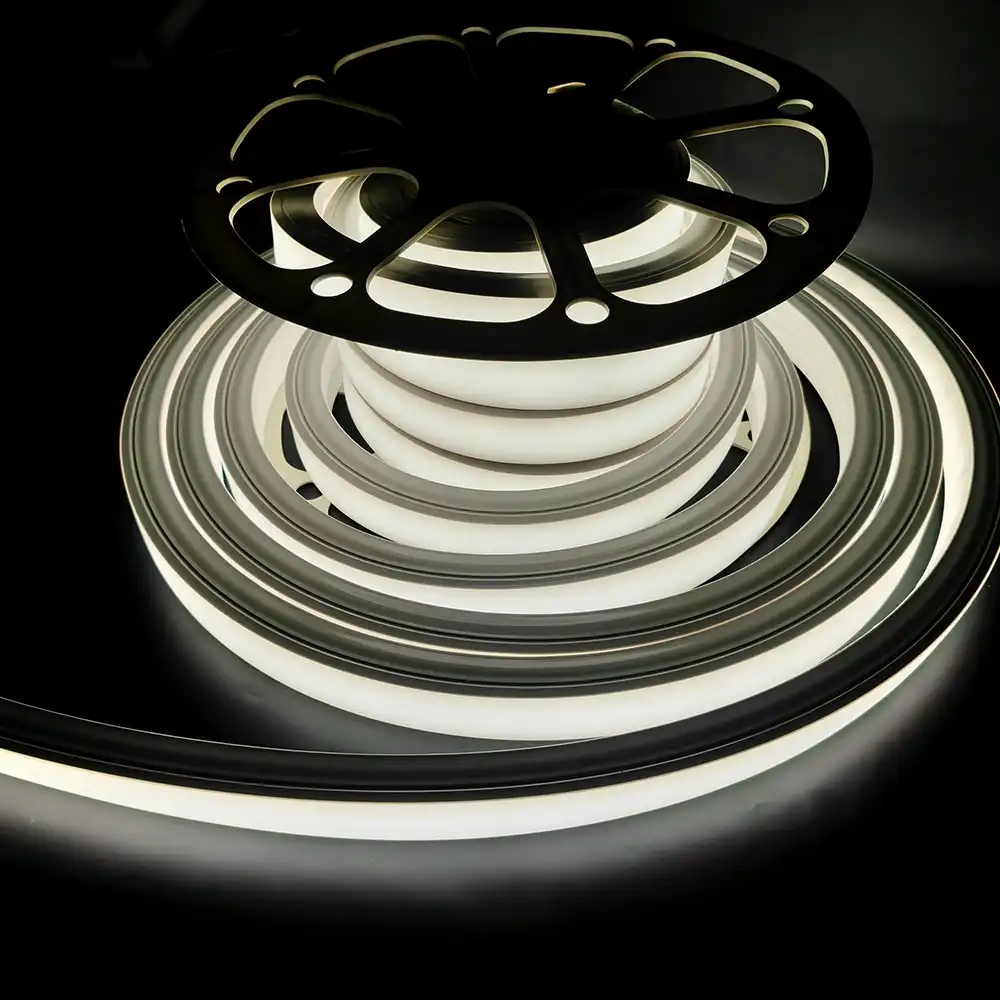
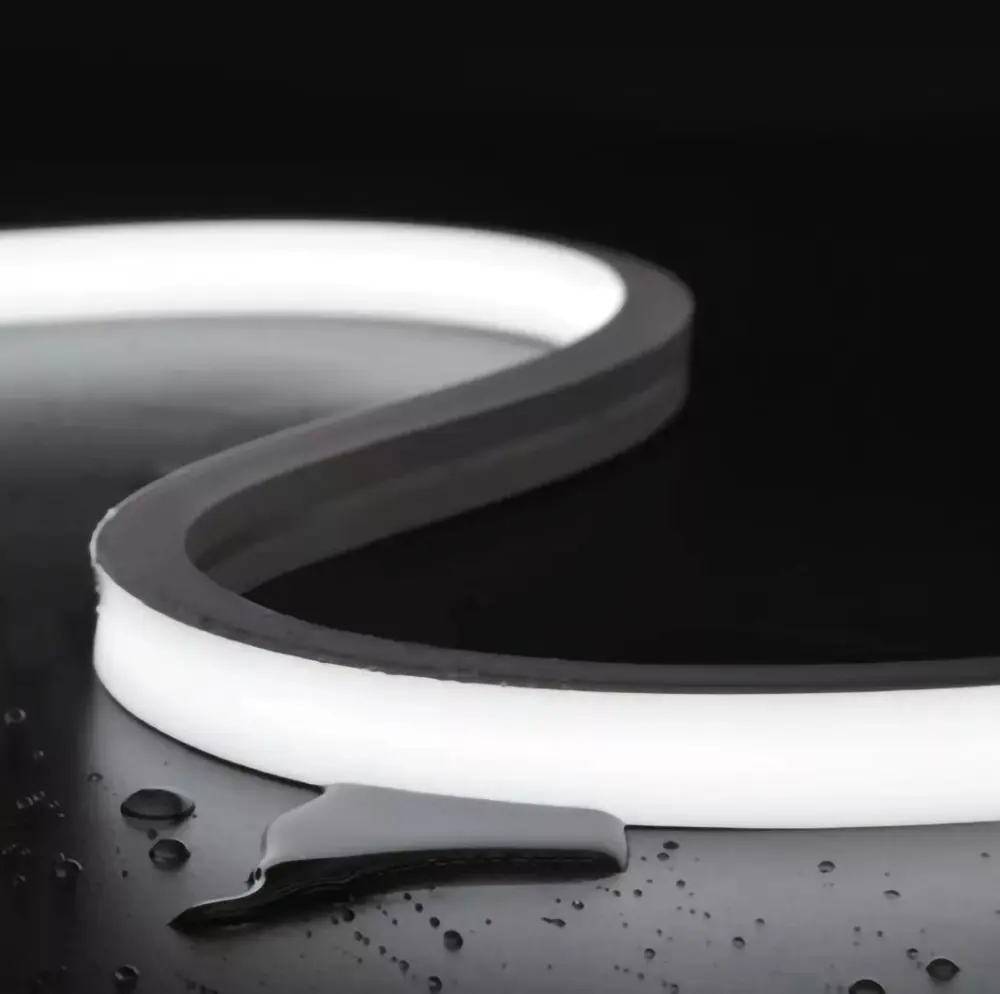
Flexible LED strips are made up of light-emitting diodes that are attached to a bendable circuit board. The strips usually have a thin shape that is 2 to 5 mm thick. Copper wires are built into bendable substrates in these strips, so they can bend around corners, curves, and uneven surfaces without damaging the internal parts. Because it has a sticky back (usually 3M tape), it can be quickly put up on metal, wood, glass, and plastic surfaces.
Cutting points are built into more advanced flexible lighting systems at regular intervals, usually every 1 to 3 LEDs. This lets you customize the length to your exact needs. This flexibility cuts down on waste and makes it possible to precisely fit certain design elements. Modern flexible strips can link to DMX, WiFi, and Bluetooth, among other control systems, so they can be used in smart buildings.
Standard Linear Lighting Characteristics
Standard linear light bulbs have rigid metal housings that support the structure and let heat escape from the high-power LED clusters. The length of these lights is usually between 1 and 8 feet, and they come with standard mounting systems that work with industrial ceiling grids, surface mounting, and suspended installation.
Because they are rigid, they can put out more lumens per foot than flexible lights. This makes them good for job lighting, general lighting, and uses that need to spread light evenly over big areas. Aluminum housings with built-in heat sinks allow for higher power levels while keeping LED junction temperatures in the best ranges for longer life.
Application-Specific Use Cases
When to use flexible lighting instead of standard linear lighting depends on a number of practical and environmental factors that affect purchasing choices.
Flexible lighting works great as an architectural feature, for lighting up displays in stores, for setting the mood in a hotel, and when lighting needs to be integrated into small areas or curved surfaces. Hotels use flexible strips for backlighting headboards, closet lighting, and bathroom vanity lighting in places where regular lights won't fit because of limited space.
Standard linear lamps are more common in places like offices, warehouses, stores, and schools where regular light spread, high lumen output, and standard fitting methods are useful for running the business. Rigid linear systems are good for manufacturing facilities because they are strong and can provide bright lighting.
How to Choose the Right Lighting Solution: Matching Needs with Features?
To choose the right lighting technology for a business, you have to look at a lot of factors that affect both the cost of installation and how well the business runs in the long run. When considering flexible and standard linear choices, procurement teams need to look at the surroundings, performance needs, and the ability to integrate.
Environmental Requirements Assessment
Indoor setups are harder to do than outdoor ones, especially when it comes to keeping out moisture, dealing with changes in temperature, and being resistant to UV light. For indoor use, flexible strips usually have IP20 to IP44 ratings. For outdoor use, they need IP65 to IP68 ratings with rubber coating.
When working in a factory setting, where temperatures may be higher than normal, temperature issues become very important. In temperatures range from -20°C to +50°C, standard linear fixtures with metal heat sinks keep working. However, in high-temperature situations, flexible strips may need extra thermal management.
The cost of installation and running a business is affected by the availability of power sources. Battery-powered mobile options are easy to install, but they need to be serviced regularly so that the batteries are replaced. Hardwired systems work consistently and require less upkeep, but they require the building of new electrical infrastructure.
Performance Specification Matching
Different business uses have very different light output needs, which affects the choice between flexible and standard linear options. Offices usually need 300 to 500 lux of light, which can be achieved with either technology based on the power and space requirements.
Here are the most important success factors that affect the choice of lighting:
• Lumen Output Density: Linear bulbs usually give off 100 to 150 lumens per watt of light with a narrow beam angle, while flexible strips give off 80 to 120 lumens per watt with a wider beam angle that works well for accents.
• Color Rendering Index (CRI): Both technologies get CRI scores of 90 or higher, but standard lights keep the same color over longer runs because they are better at controlling heat and power.
• The ability to dim: high-tech flexible strips can dim from 0 to 100% with smooth changes, and standard linear lights let you precisely control the dimming through 0-10V, DALI, and DMX systems, among others.
• Beam Angle Control: Standard lamps use optical lenses and mirrors to give you exact control over the beam angle. Flexible strips, on the other hand, spread light out more evenly and are better for ambient lighting.
These performance traits have a direct effect on how much energy is used, how much upkeep is needed, and how happy users are in business settings. When figuring out the long-term return on investment, procurement teams have to weigh the original prices against how well the business runs.
Control System Integration
More and more, modern lighting systems need to work with building management systems, occupancy monitors, and settings for daylight gathering. Standard linear fixtures usually have better control choices because they have specialized drivers that handle more than one transmission protocol.
Flexible lighting systems work great for artistic uses that need the ability to change colors, add dynamic effects, and control lighting in specific areas. In store and hotel settings, RGB and RGBW flexible strips make mood lighting, brand color matching, and yearly decoration changes possible, all of which improve the customer experience.
Comparative Analysis: Flexible Lights vs Standard Linear Lighting Solutions
By comparing the performance, installation needs, and running costs of flexible lighting to normal linear lighting, buying teams can make smart choices about which technology to use. This study looks at differences that can be measured and that have an effect on the success of a project and on how well it runs in the long run.
Installation Complexity and Labor Costs
Installation needs have a big effect on the total cost of the job, especially in retrofit situations where mounting choices may be limited by the infrastructure that is already there. Flexible strips are easier to install because they don't need mechanical bolts, electrical boxes, or precise alignment processes. Instead, they use sticky fixing systems that make the job faster.
Standard linear lights need more complicated installation steps, such as attaching the mounting bracket, placing the driver, and connecting the power through approved junction boxes. Standardized mounting methods, on the other hand, make installation faster in new buildings where infrastructure planning takes fitting needs into account.
When working on big projects, differences in labor costs get really big. It takes about 15 to 30 minutes per square foot to install flexible strip, which includes cutting, placing, and connecting the power. Installing a standard linear fixture takes between 45 and 60 minutes per fixture, which includes fixing, wiring, and testing.
Energy Efficiency and Operating Costs
Over the 10-15 year life of the lighting system, the amount of power used has a direct effect on the prices of running it. Modern bendable LED strips use 15 to 25 watts per meter of power and produce 1200 to 2000 lumens per meter, based on the number of LEDs and the driving current.
Standard linear lamps use 20 to 40 watts per foot and put out 2500 to 4000 lumens per foot, which means they give off more light per watt in situations that need a lot of light. When used for work lighting, where higher lumen levels mean fewer fixtures are needed, the economy benefit stands out more, especially when compared to flexible lights that may require more units to achieve similar lighting levels.
Making heat changes both how much energy is used and how long a part lasts. Standard lights with metal heat sinks keep the temperatures at the LED junctions 10–15°C lower than similar flexible strips. This means that under the same conditions, the strips will last longer, from 30,000 hours to 50,000 hours or more.
Maintenance and Lifecycle Considerations
Total cost of ownership calculations are affected by the amount of maintenance that needs to be done. This is especially true in business settings where lighting problems can hurt output and the customer experience. When individual LEDs fail on flexible strips, the whole piece usually needs to be replaced. However, modular standard fixtures allow upkeep at the component level.
Access issues become very important in design installations where fixtures are put in ceiling coves, under-cabinet uses, or other small areas. The thin profile of flexible strips makes it possible to put them in places where normal fixtures can't go, but replacing them may require taking apart a lot of building parts.
Warranty coverage varies by technology. For example, standard linear bolts usually come with warranties that last between 5 and 7 years, while warranties for flexible strips only last between 2 and 3 years. The fact that manufacturers offer extended warranty choices shows that they trust the stability of the parts and the efficiency of thermal management.
Procurement Insights: Sourcing Flexible and Standard Linear Lights for B2B Clients
To successfully buy lighting solutions, you need to know what the suppliers can do, what certifications they need, and how to handle the logistics that affect project costs and timelines. To find the right supplier, you need to look at their manufacturing skills, quality control methods, and expert help resources.
Supplier Evaluation and Selection Criteria
To find suitable suppliers, you need to look at their production skills, ability to follow certification rules, and expert help resources. Companies that have been around for a while usually have ISO 9001 quality control systems, the ability to put their products on UL, and their own testing labs that make sure their products are always the same and follow all the rules.
Certification needs change depending on the use and location. In North America, business sites must have a UL listing. DLC certification makes you eligible for utility rebates, and Energy Star certification shows that you follow the rules for energy economy. For international projects, safety standards that are specific to the area may be needed, along with CE marking and RoHS compliance.
Technical support skills are very important when making specifications, fixing problems during installation, and handling guarantee claims. Leading providers offer application engineering help, lighting estimates, and installation instructions that lower project risks and make sure the best performance results.
Bulk Procurement Strategies
Buying in bulk can cut costs per unit by a lot while still making sure there is enough product to finish the job. The price of flexible strips usually goes down by 15–25% when you buy more than 1000 meters, and the price of normal linear fixtures goes down by the same amount when you buy 500 or more units.
Managing lead times is an important part of planning a project, especially when there are custom setups or unique needs. Standard goods usually ship between 2 and 4 weeks, but planning, tooling, and production steps for custom solutions can take up to 12 weeks.
Here are the most important things to think about when buying in bulk:
• Managing inventory: Finding the right balance between buying merchandise and meeting project deadlines requires accurate demand forecasts and trusting suppliers' lead times. Because flexible strips come in small packages, they can hold more items than normal fittings.
• Quality Assurance: Putting in place processes for new inspections makes sure that products in big shipments are all the same. Before full rollout, sample testing procedures make sure that the building is sound, the colors are consistent, and the photometric performance is good.
• Logistics Coordination: Making sure that shipping times and installation times work together cuts down on the amount of storage space needed and the risk of damage during transport. Standard lights need to be handled with more care because the lenses are fragile and the metal body is easy to dent.
• Payment Terms: Getting good payment terms is a good way to handle cash flow, especially for big projects that need a lot of money up front. Setting up payment plans that are tied to delivery goals gives you financial freedom.
These methods for buying things help keep costs low while still delivering high-quality goods on time, which is very important for finishing a job successfully.
OEM and Customization Opportunities
In competitive markets, custom lighting solutions help you stand out while meeting unique application needs that standard goods can't meet. OEM partnerships give companies access to specialized technical resources, the ability to make custom tools, and unique product designs.
Flexible strip design choices include changing the distance between LEDs, changing the color temperature, creating a mounting system, and integrating a control protocol. Custom solutions usually have a minimum order quantity of 5000 meters, which means that customization is possible for big projects or the development of a new product line.
Customizing a standard linear fastener includes changing the housing, making changes to the optical system, adapting the mounting system, and putting in the driver. Custom solutions need technical work and tooling costs that become affordable when the number of units sold goes over 1000.
Enhancing User Experience and Maximizing Value with Flexible Lighting Solutions
Paying attention to installation best practices, maintenance routines, and system integration approaches that improve operating efficiency and user happiness are all important for getting the most out of lighting. Using the right methods during execution ensures that the system works reliably while reducing the need for maintenance and energy use.
Installation Best Practices and Safety Guidelines
Following the right startup steps has a big effect on how reliable, consistent, and long-lasting a system is. Preparing the base, managing heat, and making sure the electrical connections are solid are all important parts of installing flexible strips because they affect how well they work in the long run.
Cleaning the surface with rubbing alcohol, making sure it is dry, and checking that it is smooth are all parts of surface preparation. Surfaces that are rough or dirty make glue less effective, which can fail during installation and pose a safety risk, especially when working with flexible lights that may require more attention to ensure proper adhesion.
In high-density installations, where heat can build up and exceed LED working specs, thermal control becomes very important. Leaving 2-3 mm of space between parallel strips allows for convective cooling, and putting them in an aluminum tube gives them even more space to lose heat.
For long runs, electrical links need to be able to handle strain, be waterproofed in damp places, and have voltage drop studies done. If the voltage drops by more than 10%, the LEDs will change colors, put out less light, and fail early in long-term placements.
Maintenance Optimization Strategies
Proactive repair methods keep the lighting system working at the same level of quality throughout its service life. Cleaning on a regular basis gets rid of the dust that builds up and lowers the light output and raises the working temperatures.
Visual checks done once a month look for early signs of breakdowns in the glue, color changes, or connection issues that could cause the system to fail. Keeping records of what was found during inspections lets you look for patterns and plan ahead for maintenance, which cuts down on unplanned downtime.
When replacing flexible strips, they need to be carefully taken off so that the base doesn't get damaged. This is especially important for painted surfaces, where heat or chemical solvents may be needed to remove the glue. Standard linear fittings let you change individual parts without taking the whole device apart.
Future Technology Integration
IoT connectivity, artificial intelligence, and improved sensor integration are some of the new technologies that are making it possible to improve the usefulness of lighting systems and save energy. Smart building interface lets control be done automatically based on how many people are in the building, how much sunshine there is, and user preferences.
Wireless mesh networking gets rid of the need for complicated wires while letting each light be controlled and monitored separately. Battery backup systems make sure that emergency lighting rules are followed and keep things running even when the power goes out.
In some cases, energy gathering technologies like solar integration and kinetic energy capture may make it possible for lighting systems to run on their own, which could cut down on the need for infrastructure and the cost of running them.
Conclusion
When deciding between flexible lights and normal linear lighting options, you need to carefully think about the needs of the application, the limitations of the installation, and how the lights will work in the long term. Flexible LED strips work best for architectural accents, retrofit installs, and situations where the mounting surface needs to be bent. Standard linear lights, on the other hand, work best for general lighting, high-output applications, and places where the construction needs to be strong. The people who work in procurement have to weigh the original costs against the operating efficiency, taking into account things like the amount of energy used, the need for maintenance, and the ability to integrate. To be successful, you need to make sure that the technology fits the needs of the application and that the supplier is reliable, that the system is certified, and that there is expert help available throughout its life.
FAQ
What are the main differences between flexible lights and standard linear lighting?
Flexible lights have circuit boards that can be bent and an adhesive back that sticks to curved surfaces. Standard linear fixtures, on the other hand, have hard metal housings that support the structure and better dissipate heat. Flexible strips are great for accent lighting and small areas, while standard bulbs give off more light and spread it out evenly for general lighting needs.
How do installation costs compare between flexible and standard linear lighting?
Due to sticky mounting systems, installing flexible strip usually takes 15 to 30 minutes per linear foot. On the other hand, installing standard linear fixtures, which include fixing the brackets and connecting the electricity, takes 45 to 60 minutes per fixture. Standard fixtures, on the other hand, may be more cost-effective in situations where high amounts of light are needed and fewer fittings are needed to get the job done.
Which lighting solution offers better energy efficiency?
The efficiencies of both technologies are about 80 to 150 lights per watt, but success depends on the task at hand. Due to better thermal management, standard linear fixtures with metal heat sinks keep their efficiency over time. However, in high-temperature settings, flexible strips may lose efficiency over time if they don't have good thermal management.
What certifications should I look for when procuring lighting solutions?
For safety reasons, commercial setups need to be UL listed. DLC qualification lets you get an energy rebate. International projects need to be CE marked and follow RoHS rules. Energy Star approval shows that a product uses little energy, and IP grades show how well it protects against environmental factors in certain installation settings.
How do maintenance requirements differ between flexible and standard linear lighting?
Standard linear fixtures allow upkeep at the component level and usually come with warranties that last between 5 and 7 years. On the other hand, flexible strips need to be replaced as a whole when an LED fails and usually come with guarantees that last between 2 and 3 years. When replacing flexible strips in building works, they may need to be taken apart, so access issues become important.
What factors influence the choice between flexible and standard linear lighting for commercial projects?
Some of the most important factors are the number of lumens needed, the installation setting, the type of mounting surface, the needs for control system integration, and the ease of access for long-term upkeep. When it comes to accent lighting, curved surfaces, and retrofitting, flexible solutions work best. On the other hand, standard lights work best for task lighting, big area lighting, and new construction projects with standard mounting infrastructure.
Partner with USKYLED for Your Linear Lighting Solutions
USKYLED, as a flexible lights supplier, offers high-quality flexible lights and standard linear lighting options that are designed to be successful in business. Our cutting-edge LED technology has a 90+ CRI performance, doesn't flicker, and works with smart controls so it can be easily integrated with building management systems. Get in touch with our expert team at sales@uskyled.com to talk about your specific needs.
References
1. Illuminating Engineering Society. "LED Linear Lighting Systems: Design and Application Guidelines for Commercial Environments." IES Technical Memorandum TM-24-18, 2018.
2. Department of Energy Office of Energy Efficiency. "Solid-State Lighting Technology Roadmap: Flexible LED Systems and Linear Lighting Applications." DOE Building Technologies Program, 2019.
3. International Association of Lighting Designers. "Flexible LED Strip Lighting: Installation Best Practices and Performance Optimization." IALD Technical Report TR-2020-07, 2020.
4. National Electrical Manufacturers Association. "Linear LED Lighting Systems: Specification Guidelines for Commercial and Industrial Applications." NEMA SSL 7A-2021, 2021.
5. Building Performance Institute. "Energy Efficiency in Commercial Lighting: Comparative Analysis of Linear LED Technologies." BPI Research Publication RP-2022-03, 2022.
6. American Society of Heating, Refrigerating and Air-Conditioning Engineers. "Lighting System Integration in Smart Buildings: Linear LED Technologies and Control Systems." ASHRAE Technical Data Bulletin TDB-23-02, 2023.

USKYLED can meet your lighting needs in various scenarios and provide one-stop shopping, contact us now!
Why You Should Choose USKYLED?
![What is Dimmable Track Lighting for Museum: Best Guide [2025]](/icms/upload/0d08cc601e7611f0b542b3ca0c0f4a83/pic/knowledgemanager-knowledgepic/e7879f32605f11f081911f363b8c1ed0/Directory/20250717 dimmable track lighting -1(1)_1752739217941.webp)