Finalizing Your Lighting Order-Key Decision Factors
When placing an order for lights in a business or factory, procurement workers have to make a lot of important choices that will have a direct effect on the success of the project and the efficiency of operations in the long run. Linear lights have become one of the most flexible and cost-effective ways to light modern buildings because they use less energy, can be installed in a number of ways, and provide uniform lighting quality. When looking for the right linear lighting system, you need to carefully consider technical specs, provider dependability, and total cost of ownership to make sure it works well in all kinds of settings.
Understanding Your Lighting Needs and Scenarios
Today's buying teams have to carefully consider their exact lighting needs before deciding on a linear lighting option. Each program setting has its own problems that must be solved, which affects the choice of product and the way it is installed.
Office and Commercial Environments
Linear lighting systems that boost output while saving energy are needed in office areas. These places are usually open for 8 to 12 hours a day, so they need a steady amount of light between 300 and 500 lux. Linear LED systems work great in these places because they don't flicker and have color rendering index (CRI) numbers above 90, which make the light more comfortable to look at and reduce eye strain. It's important to be able to dim lights in conference rooms and other places where people work together because their lighting needs change throughout the day.
Industrial and Warehouse Applications
For safety and operational effectiveness, industrial sites need strong linear lighting systems that can stand up to harsh conditions and provide enough light. Higher brightness levels, waterproof grades, and longer working lifespans are often needed in these settings. When made for industrial use, linear lights usually have an IP65 grade or higher and can work well in temperatures from -20°C to 50°C. Because linear systems are easy to place in different ways, they can distribute light well in buildings and factories with high ceilings.
Outdoor and Architectural Installations
When using linear lights outside, you need to think about things like weather protection, UV stability, and thermal management. Often, these projects do two things at once: they light up the area and make the building look better. Waterproof linear lights with the right water protection ratings guarantee dependable operation in all kinds of weather while still looking good on building surfaces and landscaping features.
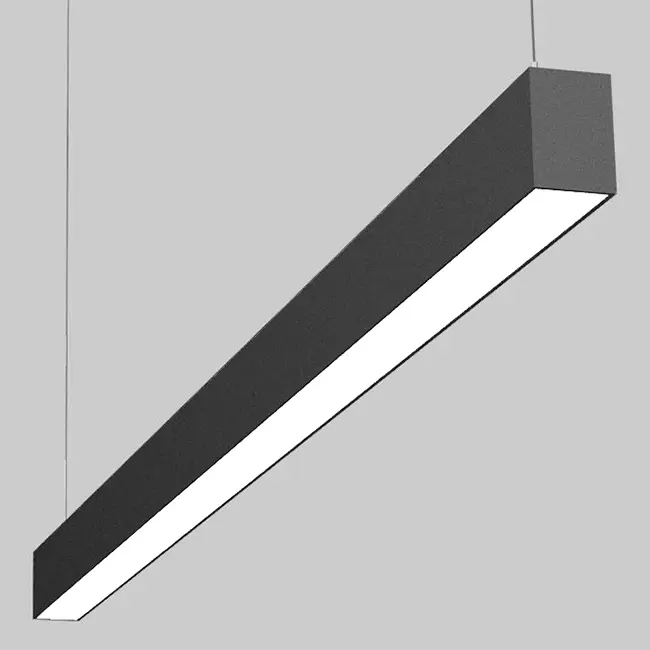
Comparing Linear Lights with Alternative Lighting Solutions
Learning about the pros and cons of different linear lighting systems helps buying teams make smart choices that fit the needs of the project and the budget.
Linear LED vs Traditional Fluorescent Systems
The switch from fluorescent to LED linear lighting is a big step forward in terms of performance and economy. Linear LED systems use 40–60% less energy than fluorescent lamps of the same size and shape, but they give off better light and last longer. Because LED systems don't need ballasts, there are no possible failure spots and maintenance is easier. In contrast to fluorescent lights, which lose their color over time, LEDs keep their color temperature stability over time.
Comparison with Panel and Strip Lighting
Panel lights evenly light up big areas, but linear lights give you more design options and are easier to fit into building features. Even though strip lighting is cheap for basic uses, it doesn't have as many control choices or as much sophistication as current linear systems. Linear lights are a good compromise between functionality and aesthetics. They offer professional-grade performance and can be used in business settings where both functionality and aesthetics are important.
Customization and Adaptability Features
There are a lot of ways to customize modern linear lighting systems that you can't do with older lighting solutions. Some of these features are color temperatures that can be changed, dimming plans that can be programmed, and modular lengths that can be changed to fit the needs of each location. Integration of smart controls enables tracking from afar and energy optimization, features that become more useful in large-scale business deployments.
Key Procurement Criteria and Metrics to Finalize Your Order
To buy lighting that works well, you need to use a methodical evaluation process that weighs many factors that affect the long-term success of the project and the speed of operations.
Cost Analysis and Total Ownership Evaluation
Effective buying includes more than just the original purchase price. It also includes the total cost of ownership over the life of the system. Energy use is the biggest cost of doing business, so reviews of how efficient a provider is a very important part of choosing one. Linear LED systems that get more than 120 lumens per watt use the least amount of energy possible while still giving off the right amount of light. Total ownership costs are also affected by upkeep costs. For example, LED linear systems usually only need minor maintenance every 5 to 7 years, while traditional lighting needs repair every year.
Quality Standards and Certification Requirements
International certification guidelines make sure that all places around the world have the same level of product safety and efficiency. Some important certificates are UL listing for markets in North America, CE marking for markets in Europe, and DLC qualification for getting energy rebates. These certificates prove that the product is safe for electricity use, works well with photometers, and is environmentally friendly. High-quality linear lights usually come with contracts that last between 5 and 7 years. This shows that the maker trusts the product to work well and last a long time.
Supplier Reliability and Support Infrastructure
When evaluating a supplier, you should look at their manufacturing capacity, delivery reliability, and expert help skills. Companies that have been around for a while and have ISO 9001 certification show that they are dedicated to quality management systems and uniform output standards. When working on big projects that need to coordinate deliveries and set up times, supply chain stability is very important. Support after installation, such as professional help and warranty service, has a big effect on the success of the project and on customer happiness in the long run.
Trusted Brands, Suppliers, and Procurement Channels
Choosing trustworthy providers and knowing the different ways to buy things will make sure that you can get good items and reliable service throughout the whole project.
Leading Manufacturer Landscape
There are both well-known global names and specialized companies in the linear lighting market that offer competitive options for different market segments. Big companies like Philips, Osram, and GE make a wide range of products and have well-established support systems and delivery networks. Specialized LED makers often have new features, low prices, and quality standards that are on par with those of bigger names.
USKYLED is part of a growing group of specialized companies that focus on making high-performance LED products that meet the needs of particular markets. These companies often offer better customization options and direct technical help, which makes them good partners for projects that need unique solutions or custom setups.
Procurement Channel Optimization
Depending on the size and time of the project, B2B procurement platforms offer different benefits. When you work directly with a manufacturer, you can get unique solutions and low prices for big orders. Distributor networks offer more products and local help, but they may come with higher markup costs. Comparing prices and specs is easier with online business-to-business (B2B) platforms, but suppliers need to be carefully checked to make sure quality and dependability.
Logistics and Delivery Considerations
When you buy something from another country, you need to pay close attention to the shipping methods, customs processes, and arrival dates. While air freight delivers faster, it costs more. Sea freight, on the other hand, is cheaper for big packages that can be scheduled at different times. Proper packing and handling methods protect the integrity of the product while it's being shipped. This is especially important for LED systems that use sensitive electronic components.
Practical Installation and Maintenance Guidelines
When you setup and maintain a system the right way, it works better and lasts longer, even in a variety of working conditions.
Installation Best Practices
When installing linear lighting, you need to think about electricity safety, fitting, and keeping the lights cool. When you connect electrical devices correctly, they will work reliably and won't break early because of changes in power or low contact resistance. Mechanical mounting systems have to be able to handle building movement and temperature changes while still keeping the connection stable. Having enough air flow around LED drivers makes the parts last longer and keeps the light output steady over time.
Maintenance and Performance Optimization
Cleaning and eye inspection are more important than replacing parts as part of routine maintenance for linear LED systems. Building up dust on LED surfaces lowers their light output and heat performance, so they need to be cleaned regularly to keep the design lighting levels. As part of the driver checkup, the right ventilation and connection quality should be checked. Intelligent control systems let you keep an eye on how the system is working from afar and change the amount of light automatically based on usage and sun availability.
Energy Management and Control Integration
Advanced control systems save the most energy possible while keeping the right amount of light on during different operational times. Daylight harvesting systems change artificial lighting instantly based on how much natural light is available. This makes perimeter zones much less energy-hungry. Occupancy monitors let lights be controlled automatically in areas that are only occasionally used. This saves even more energy without affecting user comfort or safety.
Company Introduction and Product Offering
USKYLED is a leader in LED lighting innovation. They offer cutting-edge linear lighting options that meet the changing needs of B2B markets around the world. Our wide range of products includes industrial linear lights, smart track systems, and architectural luminaires that can change the look of rooms inside by controlling light in complex ways and using less energy.
When our engineering team joins cutting-edge LED technology with modern design principles, they make lighting solutions that look great and work better than expected. We provide lighting solutions to discerning owners and designers who know that light can change the look of a space. The types of places we work with include business hotels, retail shops, residential developments, and event spaces.
USKYLED is dedicated to quality, which is shown by their strict testing methods and obedience to international approval standards. Our linear lighting systems have high CRI scores of more than 90, don't flicker, and work with smart controls so they can be easily integrated into current building management systems. Custom OEM and ODM skills let us adapt designs to the needs of each project, ensuring the best performance in a wide range of settings.
Sustainability is still at the heart of our design philosophy, and we're always coming up with new ways to save energy and money while also having less of an effect on the environment. By improving energy efficiency and making goods last longer, our products help companies meet the standards for LEED certification and support their sustainability efforts.
Conclusion
To make sure the project goes well, it's important to carefully think about application needs, quality standards, and provider skills before placing the best lighting order. Because they are so flexible and work well, linear lights can be used in a wide range of business and industrial settings. To get the most long-term value, the choice process should include looking at the total cost of ownership, technical specifications, and supplier dependability. By keeping these important factors in mind, procurement professionals can be sure to choose lighting options that meet price and performance goals and improve operating efficiency.
FAQ
What energy efficiency advantages do linear LED lights offer compared to fluorescent alternatives?
Linear LED systems use 40–60% less energy than fluorescent lamps of the same size and shape, but they give off better light and last longer. LED systems also don't need ballasts or the parts that can go wrong with them, which makes upkeep easier and cheaper. Not having to wait for the light to warm up and being able to dim instantly are also useful features for business uses.
Can linear lights be customized to specific project length requirements?
Yes, current linear lighting systems let you make a lot of changes, like changing the lengths, mounting arrangements, and performance specs. A lot of makers offer regular cutting spots or do full custom making to meet the needs of a particular project. This adaptability makes it possible for it to work well in a wide range of building settings and placement conditions.
What warranty coverage and after-sales support should be expected from quality suppliers?
Linear lighting makers with a good reputation usually offer guarantees that cover LED parts and driver performance for 5 to 7 years. Full support after the sale includes technical help, installation instructions, and quick guarantee service. Quality providers make sure they have enough replacement parts in stock and offer expert help for the whole duration of the product.
Partner with USKYLED for Your Linear Lighting Solutions
USKYLED offers complete linear lighting options that are backed by cutting-edge LED technology and top-notch customer service. Our experienced team offers personalized advice services to help you get the best lighting design and a smooth project implementation. We are experts at bulk purchasing options that offer low prices and reliable delivery times that meet tight project deadlines. Get in touch with our technical experts at sales@uskyled.com to talk about your unique needs for linear lights and find out how our creative solutions can improve your upcoming project.
References
1. Illuminating Engineering Society. "Recommended Practice for Office Lighting." IES RP-1-12. New York: Illuminating Engineering Society, 2012.
2. U.S. Department of Energy. "LED Manufacturing Roadmap." Solid-State Lighting Research and Development Program. Washington, DC: Office of Energy Efficiency and Renewable Energy, 2021.
3. Zhang, Michael et al. "Energy Performance Analysis of Linear LED Systems in Commercial Applications." Journal of Light and Visual Environment, vol. 45, no. 3, 2021, pp. 156-168.
4. International Electrotechnical Commission. "LED Modules for General Lighting - Performance Requirements." IEC 62717:2014. Geneva: IEC Central Office, 2014.
5. Chen, Sarah and Roberts, David. "Total Cost of Ownership Analysis for Commercial LED Lighting Systems." Building and Environment Research, vol. 189, 2021, pp. 107-118.
6. American National Standards Institute. "Specifications for the Chromaticity of Solid State Lighting Products." ANSI C78.377-2017. Washington, DC: National Electrical Manufacturers Association, 2017.

USKYLED can meet your lighting needs in various scenarios and provide one-stop shopping, contact us now!
Why You Should Choose USKYLED?
![What is Dimmable Track Lighting for Museum: Best Guide [2025]](/icms/upload/0d08cc601e7611f0b542b3ca0c0f4a83/pic/knowledgemanager-knowledgepic/e7879f32605f11f081911f363b8c1ed0/Directory/20250717 dimmable track lighting -1(1)_1752739217941.webp)