LED Buying Guide: Balancing Cost and Performances
To get around in the LED lighting market, you need to make smart choices that balance the money you spend up front with the money you save in the long run. This complete guide covers all the important things that B2B buyers need to know about buying flexible lights and other LED options. It will help them make decisions that are both cost-effective and high-performing. By understanding these factors, purchasing managers and engineers can get better lighting results and get the most out of their investments in a wide range of business settings.
Understanding Flexible LED Lights – Basics and Benefits
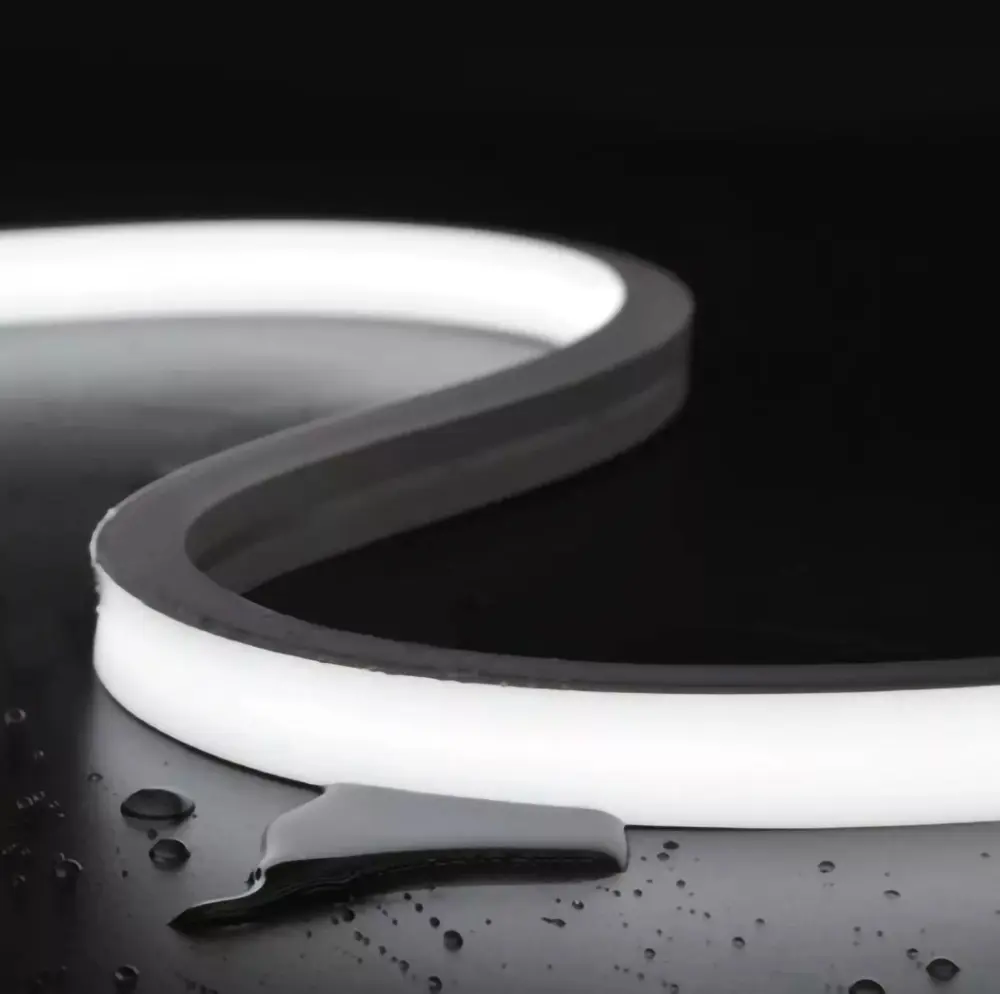
Flexible LED lights are a huge step forward in lighting technology. They combine energy-efficient light-emitting diodes with flexible circuit boards that can bend and fit almost any surface. These new lighting ideas use LED chips that are attached to bendable bases with an adhesive back. This lets them be put up in places where regular rigid lighting wouldn't work.
Core Technology and Construction
Copper lines on flexible printed circuit boards are an important part of the basic design of flexible LED strips because they allow electrical connections while still being bendable. With this building method, the lights can follow curves, bends, and other uneven surfaces without losing their performance or dependability. Good flexible lighting solutions have strong coverings that keep internal parts safe from the outside world while still allowing the lighting to bend.
Competitive Advantages Over Traditional Options
When you compare bendable LED strips to other types of lighting, they have clear benefits that make them very appealing for business use. Modern businesses need flexible lights, fluorescent tubes, and light bulbs that can be used in a variety of ways and use less energy. Even though rigid LED screens save energy, they can't handle the creative architectural designs that make modern business spaces stand out.
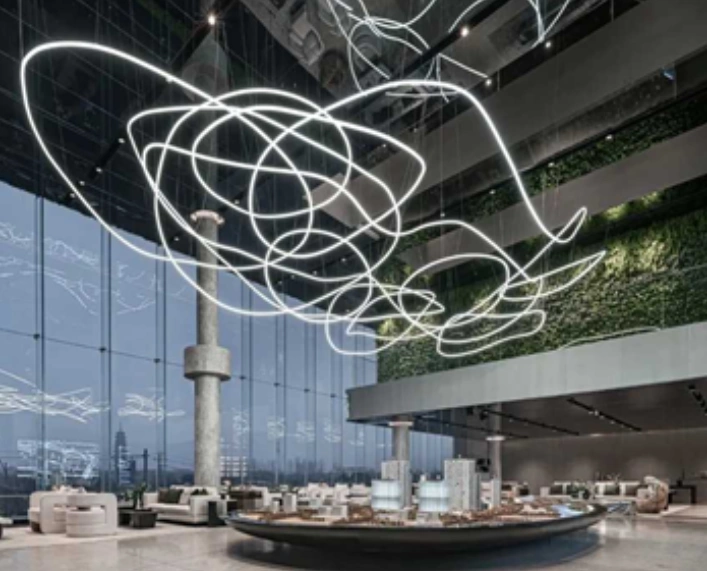
Flexible lighting is useful for more than just making placement easier. With these systems, engineers and designers can make light lines that go on forever without any obvious breaks or link points. The result is smooth lighting that looks better. This feature is very useful in places like stores, restaurants, and buildings where the way the lights look has a direct effect on how customers feel.
Energy Efficiency and Environmental Impact
Commercial buildings have to pay a lot to run their operations, so the energy savings offered by flexible LED technology are especially appealing. Most of the time, these lighting systems use 75–80% less energy than regular incandescent bulbs while giving off the same amount of light or more. Lower energy bills and less damage to the environment are directly linked to this huge drop in power use.
High-quality bendable LED goods are even more valuable because they last longer. Premium solutions often last 50,000 hours or more, which means they don't need to be replaced as often and don't cost as much to maintain. Because they last so long, they are especially useful in business settings where getting to lights can be a problem.
Balancing Cost and Performance: Core Criteria for Selection
To buy LEDs effectively, you need to carefully weigh a number of performance factors against practical needs and price limits. Smart buyers know that the cheapest price doesn't always mean the best value in the long run. This is why a full cost-performance study is so important for making smart lighting purchases.
Performance Metrics That Matter
It's possible that luminance efficacy is the most important success measure for commercial LED uses. This measurement, which is given in lumens per watt, shows how well a lighting product turns electricity into visible light. Most high-end flexible LED goods get 120 to 150 lumens per watt, which is a lot more than standard options.
Another important speed factor is the ability to render colors accurately. This is especially important for shopping and hospitality settings where accurate color representation affects how customers see things. Color Rendering Index (CRI) values of 90 or higher are found in high-quality flexible lighting options. This means that items that are lit up will look natural and bright even when artificial lighting is used.
Thermal control has a big effect on how well LED lighting systems work and how long they last. Products that are better at getting rid of heat keep their light output and color properties the same over time. This temperature stability is especially important in business settings where lighting systems are used all the time for long periods of time.
Total Cost of Ownership Analysis
A full cost analysis looks at a lot more than just the original purchase price. It also looks at how much energy the product uses, how often it needs to be maintained, and how often it needs to be replaced. This total cost of ownership method shows how lighting choices really affect the economy and often explains spending more on high-quality goods at the start.
Energy costs usually make up the biggest part of lighting costs over the life of a system. To figure out how much money could be saved, you have to compare how much power current and suggested lighting solutions use, taking into account local energy rates and the number of hours they are expected to be used. Many businesses find that the energy savings are enough to support upgrading to LED lights within two to three years.
When thinking about maintenance, you should think about both regular cleaning and replacing parts over time. Quality flexible LED products reduce these needs by being built to last and lasting longer, which lowers both the direct costs of upkeep and the downtime that comes with lighting problems.
Environmental and Installation Factors
The environment has a big effect on how well LEDs work and how long they last, so choosing the right product is very important for getting the best results. For the most part, indoor installs need different requirements than outdoor installations. For example, dust, moisture, and chemical exposure may need more security in industry settings.
Temperature tolerance affects both how well something works right away and how reliable it is in the long run. Good flexible LED goods work steadily in a wide range of temperatures, so they always work the same way in different environments. This level of steadiness is especially useful in situations where temperatures change a lot. The complexity and requirements of the installation affect both the original prices and the costs of ongoing upkeep. When fixing surfaces need to be curved or not straight, flexible lighting solutions work best. They may also save time and money on labor compared to fixed options.
Comparing Flexible LED Lighting Options for Optimal Choice
There are a lot of different types of LED lights and levels of quality on the market. Each one is best for a different purpose and set of performance needs. When buyers understand these differences, they can choose options that meet their exact operational goals and stay within their budget.
Product Categories and Applications
Flexible LED strips come in a number of different shapes and sizes that are meant to work with particular tasks. Standard density options are inexpensive and good for general lighting, while high-density options give off more light and are better for job lighting or specialty lighting. Flexible LEDs can be used in wet indoor and outdoor areas thanks to choices that are waterproof and resistant to weather. These goods have protective enclosures that keep them working well and keep the surroundings safe.
Protection levels vary a lot from one product to the next, but IP65 and IP67 grades are popular for outdoor use. You can choose from basic warm and cool white to full-spectrum RGB solutions that can make almost any color mix. Colored choices usually cost more, but they let you make creative lighting designs that improve the customer experience and help your brand stand out.
Quality Indicators and Certification Standards
Manufacturers with a good reputation give a lot of information about their products, like photometric data, electrical specs, and environmental scores. These technical specs make it possible to compare products in an unbiased way and make sure they work with current electrical systems. International certificates like UL, CE, and DLC show that a product meets the efficiency and safety standards for a certain market. These licenses make sure that the quality of the product is high, and they may be needed for some business uses or to be eligible for energy rebate programs.
The terms of the warranty show that the maker believes in the quality of the product and protect you from it breaking down too soon. Good flexible lights usually come with warranties that last between 3 and 5 years and cover both broken parts and a big drop in light quality.
Brand Reputation and Supplier Reliability
LED makers that have been around for a while and have a track record of quality products and ongoing help are more likely to offer these. These businesses usually have thorough quality control systems and offer expert help for the whole lifecycle of a product. In addition to quality products, suppliers can also help with shipping, customer service, and technology issues. Reliable suppliers keep the right amount of stock on hand, give accurate supply times, and offer quick expert support when problems appear. Being close to each other geographically and in the same time zone can make it easier to communicate, lower shipping costs, and shorten wait times. But these things should be weighed against concerns about product quality and source dependability.
Procurement Strategies for Flexible LED Lights in Bulk
Cost and quality goals should be met by effective bulk buying strategies that also make sure the supply chain works reliably. Strategic buys use the buying power of large amounts of goods while still being able to adapt to changing needs.
Supplier Evaluation and Selection
A full evaluation of a seller looks at the quality of the products they make, their ability to stay in business, and how well they treat customers. Through this review process, partners who can help long-term buying partnerships are found. Quality control procedures and licenses show how committed a company is to making sure that the quality of their products stays high. Manufacturers with strong quality processes get better results and have fewer problems with quality. Financial stability affects supplier ability to honor commitments and continue operations throughout the procurement relationship. Checking a supplier's financial health can help you avoid problems that come with unstable suppliers. Good flexible lights suppliers typically demonstrate this stability and commitment to quality。
Contract Negotiation and Risk Management
A lot of the time, volume agreements lead to better prices and more stable demand for providers. But buyers should weigh their promises to output against their need for flexibility and the unknown nature of demand. Quality specs and acceptance criteria make it clear what is expected of goods and give people a way to get their money back when they don't meet the standards. Clear standards help avoid arguments and make sure that the quality of the result is always the same. Delivery terms and logistics arrangements affect both cost and supply chain reliability. Total purchase costs are minimized by taking into account shipping methods, lead times, and the needs for managing supplies.
Technology Integration and Future-Proofing
Smart lighting features and control system flexibility make LED setups more valuable and useful. These features make it possible to save energy, keep an eye on things from afar, and connect to building control systems. Scalability issues make sure that the first installs can handle future changes or additions without having to update the whole system. This adaptability keeps things from becoming outdated and raises the value of an investment. New technologies like human-centered lighting and IoT integration could change how lights are used in the future. By understanding these trends, companies can make decisions about procurement that set them up for future possibilities.
Conclusion
When buying LEDs strategically, you have to weigh the short-term costs against the long-term benefits in terms of performance and operation. High-quality flexible lights have many benefits, including being versatile, saving energy, and being easy to install. These benefits often make the higher price worth it because they lower the total cost of ownership. Instead of just looking at the original price, smart buyers use a variety of factors to make their decision, such as performance measures, source reliability, and a total cost analysis. This method makes sure that investments in lights last and help reach goals for business efficiency and sustainability.
What performance metrics should I prioritize when selecting flexible lights for large-scale commercial projects?
The most important performance measurement for business uses is luminance effectiveness, which is measured in lumens per watt. For the best energy economy, look for goods that give off 120 lumens or more per watt. A Color Rendering Index (CRI) of 90 or higher guarantees correct color representation, which is very important in store settings. Thermal control and temperature stability make sure that the product works the same way for as long as it lasts.
How can I ensure durability and waterproof performance in outdoor LED installations?
For outdoor use, look for goods with an IP65 grade or higher, which protects against dust and water getting in. Good outdoor bendable LED options have strong protective housings and materials that don't fade in the sun. Temperature tolerance standards should account for changes in the local climate, and proper fitting methods, such as making sure there is enough ventilation, keep water from building up.
What warranty and after-sales service expectations should I have from reputable LED suppliers?
Most high-end flexible LED goods come with guarantees that cover part failures and major light loss for three to five years. Suppliers with a good reputation offer detailed technical documents, helpful customer service, and new parts that are easy to find. Well-known companies make sure that parts are always available and give technical help for as long as a product is on the market.
Transform Your Projects with Premium Flexible Lights from USKYLED
For your business projects, USKYLED offers cutting-edge flexible lights that are both cost-effective and work exceptionally well. Our flexible lights factory uses cutting-edge LED technology with a high CRI (90+), doesn't flicker, and works with smart controls. It also comes with full technical help and safe bulk supply options. Get in touch with sales@uskyled.com right away to find unique lighting options that will help your purchasing strategy.
References
1. Illuminating Engineering Society of North America. "LED Lighting Systems: Performance Standards and Testing Protocols for Commercial Applications." 2023.
2. Department of Energy, Office of Energy Efficiency and Renewable Energy. "Solid-State Lighting Technology Fact Sheet: Commercial LED Performance and Market Analysis." 2023.
3. International Association of Lighting Designers. "Flexible LED Technologies: Design Guidelines and Performance Specifications for Architectural Applications." 2023.
4. American Society of Heating, Refrigerating and Air-Conditioning Engineers. "Energy Efficiency Standards for LED Lighting Systems in Commercial Buildings." 2023.
5. National Electrical Manufacturers Association. "LED Product Quality and Certification Standards: Guidelines for Procurement Professionals." 2023.
6. Lighting Research Center, Rensselaer Polytechnic Institute. "Total Cost of Ownership Analysis for Commercial LED Lighting Systems: A Comprehensive Procurement Guide." 2023.

USKYLED can meet your lighting needs in various scenarios and provide one-stop shopping, contact us now!
Why You Should Choose USKYLED?
![What is Dimmable Track Lighting for Museum: Best Guide [2025]](/icms/upload/0d08cc601e7611f0b542b3ca0c0f4a83/pic/knowledgemanager-knowledgepic/e7879f32605f11f081911f363b8c1ed0/Directory/20250717 dimmable track lighting -1(1)_1752739217941.webp)