What Is Constant Voltage LED Driver
An electric power source that keeps a steady voltage output to power LED lighting systems is called a constant voltage LED driver. It usually works at 12V or 24V DC. Constant voltage drivers give steady voltage levels, which is why LED strip lights and fixtures that need specific voltage factors need them. Constant current drivers control the flow of current. These drivers make sure that LEDs work at their best by stopping power changes that could hurt sensitive LED parts or shorten their life.
Understanding Constant Voltage LED Drivers
Any lighting system needs LED power sources to turn the alternating current (AC) from the wall outlet into the direct current (DC) that LEDs need. The difference between constant voltage and constant current motors has a big effect on how projects turn out and what people buy.
How Constant Voltage LED Drivers Work?
Within their capacity limits, constant voltage power sources keep their output voltage constant no matter how much load changes. When these drivers are hooked up to LED loads, they automatically change the amount of current they send to match the needs of the LEDs that are linked, while keeping the voltage fixed. Due to this feature, they work especially well in parallel LED setups where several LED units share the same power rail.
Switching parts, transformers, and feedback systems that check the output voltage and make changes in real time are common parts of the internal circuits. More advanced types have safety features like over-voltage, over-current, and thermal security to keep the driver and the LED loads it's attached to safe.
Constant Voltage vs. Constant Current: Key Differences
When buying teams choose tools, they need to know the main differences between these two types of drivers. Constant current generators keep the flow of current steady while letting the voltage change within certain limits. This method works well for single high-power LEDs and series setups where accurate current control is very important.
Constant voltage LED drivers work best with LED strips, panels, and flexible lighting systems that need to connect many LEDs in parallel. They make installation more flexible and simplify wire layouts, which is especially helpful for big business and building projects.
Benefits and Applications
Voltage-regulated LED drivers have more benefits than just making the lights work. Because they work with a lot of different LED goods, it's easier to keep track of supplies and buy things. Installation teams like how easy it is to connect, which cuts down on labor costs and time spent installing.
When more than one LED module needs to work at the same time, like in business lighting installations, building accent lighting, and outdoor landscape lighting, these drivers come in very handy. Constant voltage systems are often used in shopping areas, hotels, and office buildings because they are easy to maintain and can grow as needed.
Key Technical Specifications for Selection
When choosing voltage-regulated drivers, people who work in procurement must look at a number of technical factors to make sure they work well and last a long time.
Output Voltage and Power Ratings
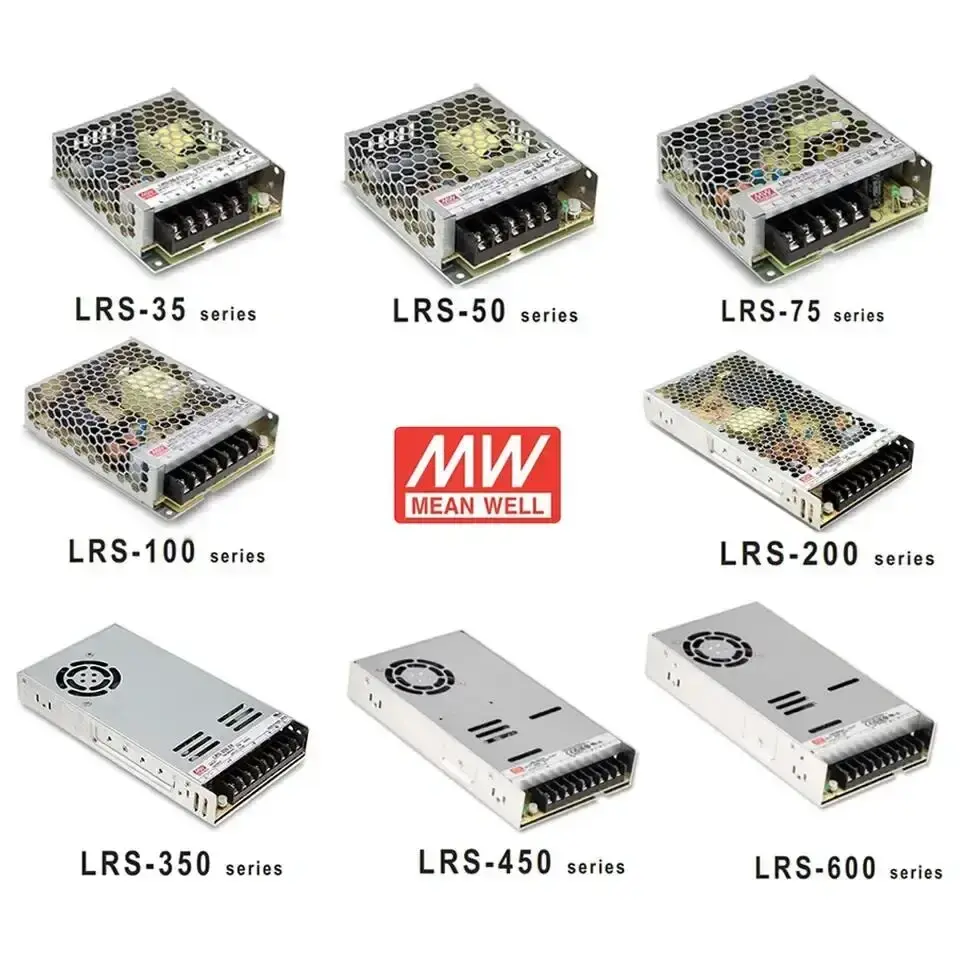
Standard output voltages are 12V, 24V, and 48V DC. 24V is most often used in business settings because it is the safest and most efficient voltage. Power levels are usually between 30W and 600W, but can be different based on the need. To choose the right power capacity, you need to figure out the total LED load + 20% extra for safety. Higher voltage systems (24V vs. 12V) are more efficient and draw less power, which means that smaller wire sizes are needed and big projects cost less to install. This is especially important to think about when installing a lot of cables for a business, as the costs of the cables can add up quickly.
Environmental and Protection Features
Strong weather security is needed for industrial and outdoor uses. Ingress protection levels are shown by IP grades. IP67 is the standard for outdoor setups, while IP20 is enough for indoor uses. Standard models can work in temperatures ranging from -20°C to +60°C, but there are also types that can handle very cold or very hot situations. Another important feature is dimming compatibility. Support for both cutting edge and legacy dimming makes it possible to connect to building control systems and energy management tools. Some types work with 0-10V dimming protocols, while others can connect to DALI or DMX control systems to make complex lighting scenes.
Efficiency and Certification Standards
Modern drivers have efficiency rates of more than 90%, which means they use a lot less energy and make a lot less heat. Lower running costs and fewer cooling needs in enclosed setups are directly linked to higher efficiency. Getting a certification makes sure that the product is safe and that the government will accept it. For installs in North America, UL listing is still needed, while CE marking is needed for markets in Europe. DLC approval makes utility refund programs possible, which saves business projects even more money.
Market Analysis and Supplier Selection
There are a lot of different LED drivers on the market, and each one has its own benefits and uses. Procurement teams can make better choices when they know what their suppliers can do and where they stand in the market.
Leading Manufacturer Comparison
Manufacturers with a long history, like Mean Well, Philips Advance, and Osram, stay ahead of the competition by offering a wide range of reliable products. Philips focuses on high-end business applications with advanced control features, while Mean Well is great at offering affordable solutions that can be used in a wide range of situations. As a viable option, USKYLED has developed, providing constant voltage LED driver solutions that work reliably and are priced reasonably. Our drivers have high efficiency ratings, full safety circuits, and meet foreign certification standards, such as those set by UL and CE marking.
OEM and Customization Opportunities
OEM partnerships that let buyers adjust specs and brand choices are often good for large buyers. These deals usually have minimum order amounts, but they offer big savings on costs and custom features. Custom voltage outputs, unique connections, and changed form factors can meet application needs that standard goods can't. Distributors can build brand recognition while using tried-and-true driving technology through private labeling. Compared to making unique solutions, this method cuts down on development costs and time to market.
Procurement Channels and Cost Optimization
When you buy in bulk, especially when the specs are the same, getting prices directly from the maker is the best option. But distributor networks have benefits like smaller orders, faster delivery, and expert help in your area. Online buying platforms have changed the way businesses buy things from each other by making prices clear, letting you compare specs, and making the shopping process easier. A lot of the time, these platforms have competitive buying systems that help buyers get the best price while still keeping quality standards.
Common Challenges and Troubleshooting
Even if the constant voltage LED driver systems are well thought out, they can still have problems that need to be systematically diagnosed and fixed.
Typical Failure Modes and Symptoms
Most driver problems are caused by changes in voltage, which usually shows up as LED flashing or brightness levels that aren't stable. Most of the time, these problems are caused by not enough power, bad connections, or worn-out driver parts. Systematic voltage readings at the outputs of the driver help find the reasons.
Thermal shutdown happens when drivers work at temperatures higher than what they are supposed to at, which usually happens in places that don't have enough air flow or when they are overloaded beyond their rated capacity. Some of the signs are sporadic operation, less light output, or the system shutting down completely when temperatures are at their highest.
Diagnostic Procedures
To start fixing the problem, you need to use certified test tools to take regular readings of the voltage and current. Verifying the input voltage makes sure that the source quality is good, and measuring the output makes sure that the motor is working as it should. Calculating loads helps find situations where the driver's parts are overloaded, which wears them out and shortens their life. By comparing real loads to driver ratings, you can tell if you need to add more capacity or if redistributing the loads can fix performance problems.
Preventive Maintenance Strategies
Setting up regular review times helps find problems before they become major ones. Visual checks should focus on making sure connections are solid, housing is in good shape, and there is enough air flow. Thermal photography can show hot spots that mean problems are starting to happen. Driver replacement schedules that are based on what the maker says and how the system is being used help keep important applications from failing without warning. Keeping extra parts for important projects on hand makes sure that problems can be fixed quickly when they happen.
Future Trends and Innovations
New technologies keep making the LED driver business better by improving speed, functionality, and the ability to work with other systems.
Smart Control Integration
When connected to the Internet of Things (IoT), regular cars become smart system parts that can be monitored, controlled, and diagnosed from afar. With these features, you can plan ahead for upkeep and save energy by automating schedules and dimming. Wireless control methods get rid of the need for a lot of control wiring while giving lighting systems more setup and change options than ever before. Drivers that are Bluetooth and Wi-Fi enabled support control interfaces that run on smartphones and tablets, making setup and use easier.
Energy Efficiency Advances
Better chip technology and better circuit topologies will help next-generation driver designs reach levels of efficiency close to 95%. These improvements lower the need for cooling and make it possible for smaller form factors that can be used in setups with limited room. Power factor adjustment technology makes sure that electrical systems work well together and use as little residual power as possible. As utility companies put in place systems for tracking power quality and possible punishments, this ability becomes more and more important.
Sustainability and Environmental Considerations
Longer-lasting designs aim for 100,000-hour operation by choosing better parts and managing heat better. When things last longer, they don't need to be replaced as often, which is better for the earth and lowers the total cost of ownership. Materials that can be recycled and less packaging help with environmental efforts while still meeting performance standards. As companies start environmental duty programs, these factors become more important when making purchasing decisions.
Conclusion
Constant voltage LED driver technology is the basis for making LED lighting systems that work well and are effective in a wide range of situations. Procurement pros can make choices that improve both performance and cost by learning about technical specs, market options, and implementation issues. As smart settings and better efficiency become more common, the number of possible uses keeps growing while running costs go down. For driver selection to go well, current needs must be balanced with the needs for growth in the future and the powers of technology.
FAQ
What is the main difference between constant voltage and constant current LED drivers?
Constant voltage generators keep the output voltage constant, but the current changes based on the load. While voltage changes within certain bands, constant current generators control the flow of current. When LEDs are connected in parallel, constant voltage drivers work best. When LEDs are connected in series or each have their own high-power LED, constant current drivers work best.
How do I calculate the required power capacity for my LED installation?
To find the total LED wattage, add up all the connected LED units and then multiply by 1.2 to give yourself a 20% safety range. When choosing driver capacity, think about how much room will be needed for future growth. Oversizing within acceptable limits makes the system more reliable and lets changes be made without having to replace drivers.
Can constant voltage drivers work with dimming systems?
A lot of new constant voltage LED driver types work with different dimmer protocols, such as TRIAC, 0-10V, DALI, and PWM. Check the fading compatibility when making your choice to make sure it will work with the control tools you already have. In some situations, you may need special LED panels that work with dimmers along with drivers that work with them.
What certification standards should I look for in commercial applications?
UL listing is mandatory for North American installations, while CE marking is needed for European markets. DLC certification makes utility refund programs possible and makes sure that energy saving standards are met. For drivers who can use digital contact, they may need to get extra licenses like FCC Part 15.
Transform Your Lighting Projects with USKYLED
USKYLED makes professional-grade constant voltage LED driver options for professionals that are designed to be successful in business. Our wide range of products includes high-efficiency designs, strong safety circuits, and full approval compliance to meet the needs of even the most difficult projects. Email our sales team at sales@uskyled.com to talk about your unique needs and find out how our services as a constant voltage LED driver source can improve your next lighting project while giving you great value.
References
1. Institute of Electrical and Electronics Engineers. "LED Driver Design Standards and Applications." IEEE Standards Publication, 2023.
2. Illuminating Engineering Society. "Commercial LED Driver Selection Guidelines." IES Technical Memorandum TM-30, 2022.
3. U.S. Department of Energy. "LED Driver Efficiency and Performance Analysis." Energy Efficiency Standards Report, 2023.
4. International Electrotechnical Commission. "LED Driver Safety and Performance Requirements." IEC 61347-2-13 Standard, 2022.
5. National Electrical Manufacturers Association. "LED System Compatibility and Driver Integration." NEMA SSL Technical Brief, 2023.
6. Building Technologies Office. "Commercial Lighting Controls and Driver Integration." DOE Solid-State Lighting Report, 2022.

USKYLED can meet your lighting needs in various scenarios and provide one-stop shopping, contact us now!
Why You Should Choose USKYLED?
![What is Dimmable Track Lighting for Museum: Best Guide [2025]](/icms/upload/0d08cc601e7611f0b542b3ca0c0f4a83/pic/knowledgemanager-knowledgepic/e7879f32605f11f081911f363b8c1ed0/Directory/20250717 dimmable track lighting -1(1)_1752739217941.webp)