The 2026 bendable linear lighting market offers great design flexibility, energy efficiency, and adaptability for use in businesses and factories. These new lighting solutions use modern LED technology and flexible shapes that can fit on curved surfaces, architectural elements, and complicated installations. Modern flexible linear lighting strips let forth more light and work well in a wide range of climatic situations. The newest 2026 versions are more durable, better at managing heat, and have more customisation possibilities that fulfill strict commercial standards. This in-depth analysis looks at the best tools available to procurement experts, focusing on performance indicators, cost-effectiveness, and how well they meet the needs of different businesses.
Understanding Bendable Linear Lighting: Key Features and Benefits
Bendable linear lighting is a huge step forward for lighting that can be moved about. It allows designers more freedom than most inflexible lighting solutions. These innovative strips include flexible circuit boards and high-tech silicone housings that enable you attach them to curves, corners, and other uneven surfaces without sacrificing light output or electrical integrity.
Core Technology and Construction
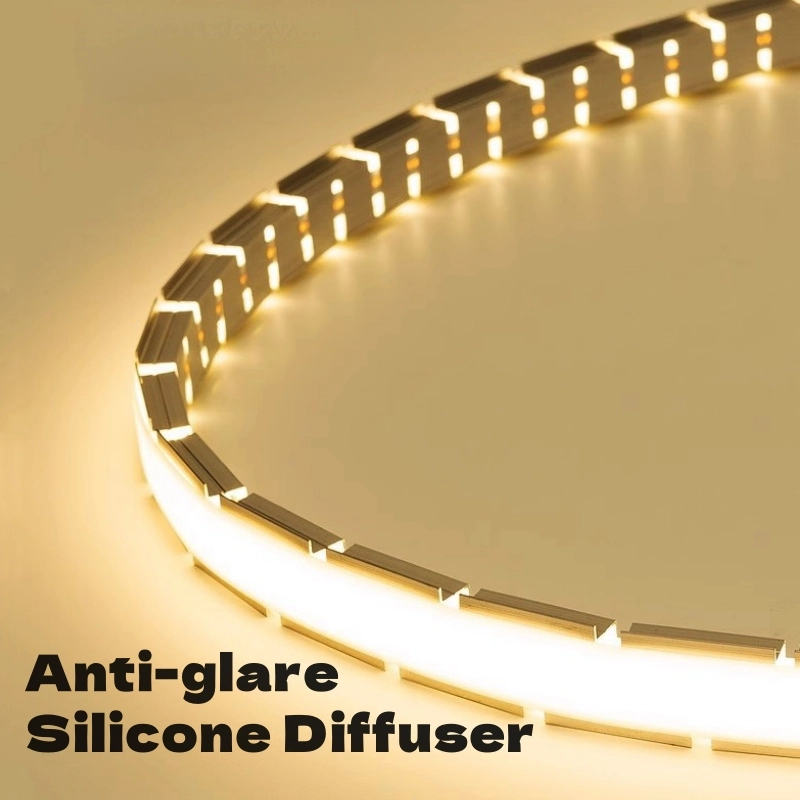
Modern bendable linear lighting employs high-performance LEDs that are mounted on flexible printed circuit boards (PCBs) that maintain the electrical connection even when they bend. The silicone extrusion case protects the light and distributes it out evenly. It also lets the light flow in all directions. Advanced heat dissipation technology stops thermal degradation, which maintains performance consistent for a long time. These solutions are ideal for both indoor and outdoor commercial usage since the structure generally has an IP65 rating or above.
Performance Advantages Over Traditional Linear Lighting
The main benefits of bendable linear lighting are that it can be used in more ways, is easier to install, and looks better. These features lead to lower installation costs and better visual results for business projects:
- Design Flexibility: By fitting curved surfaces, you don't need to make unique rigid fixtures, which saves time and money on projects and opens up more creative options for architectural lighting design.
- Installation Efficiency: Instead of installing several fixtures, single continuous runs are used, which cuts down on electrical connections and labor needs while making the system more reliable.
- Energy Performance: Advanced LED technology meets commercial lighting requirements by providing high luminous effectiveness (up to 180 lumens per watt) and great color rendering, all while lowering operating costs.
- Maintenance Benefits: Fewer connection points and strong construction mean less maintenance is needed, which means longer service life and less interruption to business operations.
Bendable linear lighting is especially useful for retail spaces, hospitality projects, and architectural projects where standard stiff lighting makes it hard to design or install.

Top Bendable Linear Lighting Solutions for 2026
The market in 2026 has a wide range of flexible linear lighting alternatives that are made for certain business uses and performance needs. To choose the best solutions, you need to look at important performance criteria including luminous output, flexibility parameters, environmental ratings, and customization options.
High-Performance Commercial Grade Solutions
High-quality flexible linear lighting strips made for tough commercial uses have better construction materials and performance standards. These systems usually have light outputs of 1,000 to 3,000 lumens per meter and are great at keeping colors consistent and managing heat. These products are perfect for current commercial lighting systems that need advanced control features since they work with smart control and advanced dimming.
Some important features to look for include the minimum bend radius (usually 50–100 mm for good goods), the working temperature range (−20°C to +50°C for commercial use), and if the device meets UL, DLC, and Energy Star requirements. These certifications make assurance that the device works and may also make you eligible for utility rebates and incentives for using less energy.
Cost-Effective Solutions for Large-Scale Projects
For big commercial installations, mid-range flexible linear lighting choices strike a good mix between performance and cost. These items usually give out 800 to 1,500 lumens per meter and are flexible enough to be used inside without worrying about the environment. These solutions may not have as many features as more expensive ones, but they work well in retail, office, and hospitality settings where price is a big concern.
For projects that need a lot of linear footage, volume pricing becomes quite important. Buying in bulk might save you 20–30% compared to buying in small quantities. Most commercial-grade devices come with a warranty that lasts between three and five years. This is enough protection for most commercial lighting expenditures.
How to Choose the Best Bendable Linear Lighting for Your Business Needs?
Selecting appropriate bendable linear lighting requires careful evaluation of application requirements, environmental conditions, and performance expectations. Successful procurement begins with defining specific project parameters and matching product capabilities to operational needs.
Environmental and Application Assessment
Environmental factors have a big effect on how products are chosen and how well they work over time. For indoor use, IP44 or IP54 protection levels are usually enough. For outdoor use, IP65 or IP67 certifications are needed to defend against moisture and the elements. When it comes to temperature, you need to think about both the ambient operating conditions and the heat that the lighting system itself produces. This is especially significant in closed installations or places with high ambient temperatures.
Requirements for individual applications include the kind of mounting surface, the needed bend radii, and how well the system works with existing electrical systems. For curved architectural elements, items with lower minimum bend radii may be needed. For lengthy, continuous lines, products with longer maximum lengths may be needed to cut down on connection points.
Performance Specification Evaluation
Important performance measures include requirements for light output, color temperature, and dimming. For commercial use, the amount of light needed is usually between 100 and 300 lux, depending on the work. This means that the amount of lumens needed depends on the height and distribution patterns of the installation. The choice of color temperature (2700K–5000K) should be based on the needs of the application and the goals of the architectural design.
Power consumption analysis helps figure out how much it will cost to run the business in the long run and what kind of electrical infrastructure it will need. Modern flexible linear lighting usually uses 8 to 15 watts per meter. This means that energy expenses are a small part of the total cost of ownership, and they save a lot of money compared to older lighting technologies.
Installation and Maintenance Guide for Bendable Linear Lighting
Using the right installation methods will make flexible linear lighting systems work better and last longer. When procurement teams know how to mount things, connect wires, and keep things running, they can choose the right installation tools and continuous support.
Installation Best Practices
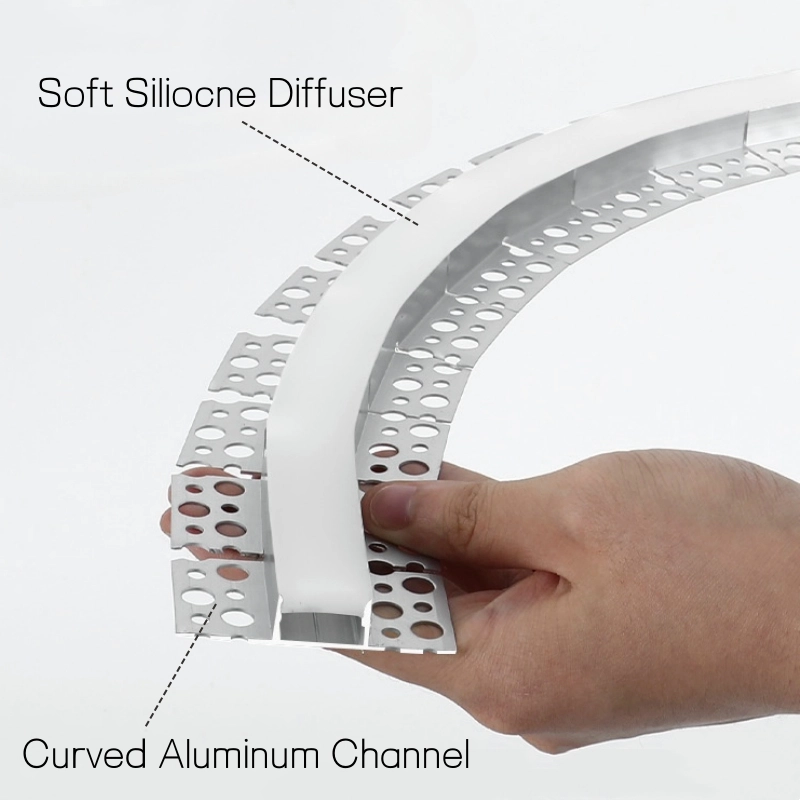
To install anything correctly, you need to prepare the surface and choose the right mounting channel. Aluminum mounting channels help keep things cool, prevent them from damage, and look professional while making it easier to line things up for installation. The channel you choose should fit the precise size of the flexible linear lighting and let enough heat escape for the expected thermal load.
When connecting electrical devices, it's vital to carefully read the manufacturer's instructions on the longest runs, the size of the power supply, and how to connect everything. Most flexible linear lighting systems run on low voltage (12V or 24V), so you need the correct transformers and to keep in mind how much voltage will drop over long distances. Most of the time, hiring a professional to do the work makes sure that local electrical codes and warranty requirements are satisfied.
Maintenance and Troubleshooting
Bendable linear lighting doesn't require as much regular care as other types of lighting. Using the correct equipment to clean the lights on a regular basis maintains the light output and appearance the same. Checking the connections and mounting hardware every so often stops issues from arising. Most systems survive more than 50,000 hours and don't require much upkeep. This makes them great for regions where maintenance is hard or expensive to get to.
When you troubleshoot, you normally check the power supply, the connection, and the control system to make sure they are all operating. Items of good quality come with diagnostic tools that help you detect and solve faults. You may also get technical support from the manufacturer for more difficult issues.
Market Insights and Supplier Guide for 2026
The bendable linear lighting market in 2026 reveals that there is a growing requirement for architectural lighting that can be changed, as well as better LED technology and manufacturing. More firms are beginning to utilize it since it is more flexible and costs less, according to market trends.
Industry Trends and Innovations
Recent advancements in the business have been aimed at making things work better, giving customers more options for customisation, and making it easier for smart building systems to work with one other. Advanced control capabilities including wireless connectivity, color-changing functionality, and interface with building automation systems provide value to complicated commercial installations.
People worry about the environment, therefore they want things that last longer, are made of materials that can be recycled, and use less energy. A lot of firms now place a lot of weight on lighting solutions that help them reach LEED certification and other green building standards. Because of this, how well a product works for the environment is an important element in selecting it.
Supplier Selection and Partnership Considerations
USKYLED is a leader in new ideas for flexible linear lighting, and they provide full solutions for many corporate needs. Our cutting-edge LED technology works well. It has high CRI ratings, very little flickering, and a number of ways to customize it to fit the demands of each project. Because the firm cares about quality, its products are reliable and come with complete technical support and fast customer service.
We can provide custom OEM/ODM solutions that match the demands of any application. Our global distribution network makes sure that our goods are constantly in stock and that clients can access technical advice in North America, Europe, and other key places. Sustainability is still very important, and the designs utilize less energy and cost less to operate while still being good for the environment.
Conclusion
The 2026 bendable linear lighting market has great potential for commercial lighting uses that need design flexibility and dependable performance. Quality goods provide several benefits over typical rigid lighting systems, such as easier installation, better looks, and better long-term value. To get the best results from procurement, you need to carefully look at the needs of the application, the circumstances of the environment, and the capabilities of the provider. As technology improves and more products become available, flexible linear lighting becomes a more appealing alternative for a wide range of commercial lighting problems. It lays the groundwork for successful project results and happy end users.
FAQ
Q1: How does bendable linear lighting differ from traditional flexible LED strips?
A: Bendable linear lighting has specially made housings that are designed for use in buildings. They provide better light dispersion, protection from the elements, and a more professional look than simple flexible LED strips. These products usually have a greater lumen output, better heat management, and a longer service life, making them ideal for business installations.
Q2: What is the typical lifespan of commercial-grade bendable linear lighting?
A: High-quality flexible linear lighting systems usually last for 50,000 to 70,000 hours with little drop in performance. In regular commercial use, these devices will last for 10 to 15 years, which makes them a good value compared to older lighting technologies that need to be replaced often.
Q3: Can bendable linear lighting be dimmed and integrated with building automation systems?
A: Yes, most commercial-grade flexible linear lighting can be dimmed using several control protocols, such as 0-10V, DALI, and wireless systems. Advanced goods can work with smart control systems, which means they can be connected to building automation systems for things like automatic scheduling, occupancy monitoring, and energy management.
Partner with USKYLED for Superior Bendable Linear Lighting Solutions
USKYLED's sophisticated flexible linear lighting solutions are perfect for tough commercial lighting installations. Our whole range of products uses the latest LED technology and comes in a variety of shapes and sizes, allowing for great performance and creative flexibility. We are a reputable manufacturer of flexible linear lighting and provide unique OEM solutions, technological know-how, and quick assistance to make sure your project is a success. Check out our wide range of products and talk to our technical experts to find out how our cutting-edge lighting solutions may improve your next business project. Contact us at sales@uskyled.com to discuss your specific requirements and receive personalized recommendations tailored to your application needs.
References
1.Illuminating Engineering Society of North America. "Recommended Practices for Flexible Linear LED Systems in Commercial Applications." IES Technical Publication, 2026.
2.Building Technologies Research Institute. "Energy Performance Analysis of Bendable Linear Lighting in Commercial Buildings." Commercial Lighting Efficiency Report, 2026.
3.American Society of Heating, Refrigerating and Air-Conditioning Engineers. "Integration of Flexible LED Lighting Systems with Building Automation." ASHRAE Journal of Building Performance, 2026.
4.International Association of Lighting Designers. "Design Guidelines for Architectural Linear Lighting Applications." Professional Lighting Design Standards, 2026.
5.National Electrical Manufacturers Association. "Installation Standards for Low-Voltage Linear LED Systems." NEMA Technical Bulletin LSD-15, 2026.
6.Green Building Certification Institute. "Sustainable Lighting Solutions for LEED Commercial Projects." Environmental Building Standards Guide, 2026.


![What is Dimmable Track Lighting for Museum: Best Guide [2025]](/icms/upload/0d08cc601e7611f0b542b3ca0c0f4a83/pic/knowledgemanager-knowledgepic/e7879f32605f11f081911f363b8c1ed0/Directory/20250717 dimmable track lighting -1(1)_1752739217941.webp)