What Are Step Lights? Complete Beginner Guide
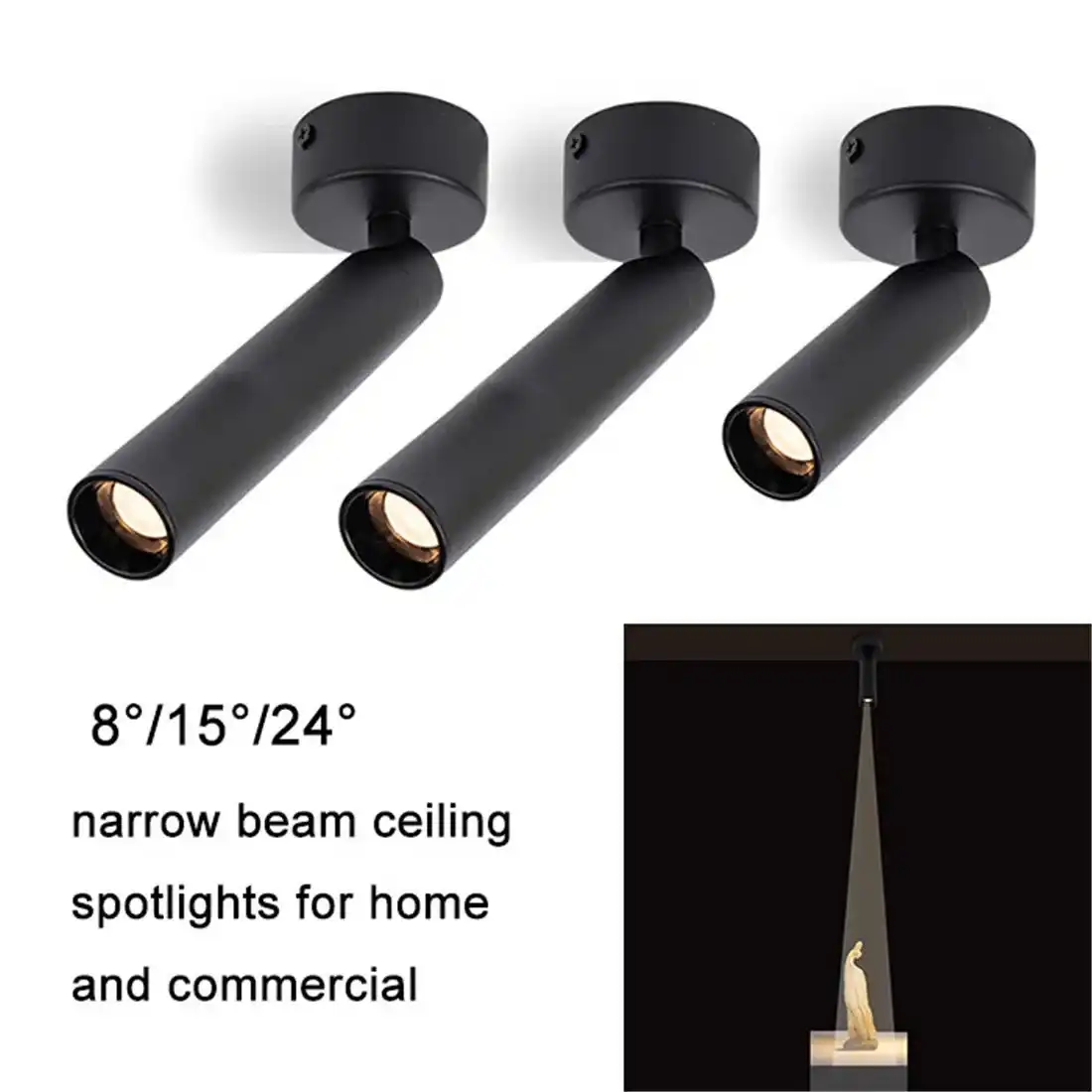
Step lights are specialized LED lighting fixtures strategically designed to illuminate stairs, walkways, and elevated surfaces in both indoor and outdoor environments. People are less likely to trip and fall in business buildings, industrial sites, and public structures where these small, energy-efficient luminaires make paths more obvious. Step lights offer dependable lighting that looks good and does its job thanks to their low profile and strong design. Because of this, they are important parts for hiring workers who want to find full lighting options.
Understanding Step Lights – General Overview and Benefits
Lights on the steps are an important safety feature that does a lot more than just light the way. These specialized tools also help keep accidents from happening and make workplaces and businesses much more energy-efficient and productive.
Step lights are meant to do more than just make things easy to see. Today's LED step lighting choices match any building style and provide even, regular lighting that makes it easy to walk safely on raised paths. These tools are used to make sure that public buildings, factories, and business buildings are safe and that costs are low.
Because LEDs use so much less energy than regular electric lights, they have totally changed how step lighting is used. Because they use up to 80% less energy, these new lighting technologies make lights brighter and more even in color. Most LED step lights last between 25,000 and 50,000 hours. This saves money for building managers and purchasing teams because they don't have to spend as much on fixes and replacements.
Enhanced Safety Features
These days, step lighting systems use high-tech safety features that change based on the area and how the steps are used. Motion sensors make sure that lights turn on when someone walks by. This saves energy when nothing is happening and lets people see right away when they need to. Photocells automatically gather sunshine, which means that the lighting levels change based on how much light is in the room so that the lights use the least amount of power possible while they are on.
This generation of LED step lights can control their temperature, so they always work the same way. Advanced technologies for getting rid of heat keep performance from dropping in hot conditions, and low-temperature operation keeps dependability high in places outside that can get bad weather.
Types of Step Lights and Their Applications
Today, there are a lot of different kinds of step lighting on the market to suit the wants of public, business, and industry areas. If procurement experts know about these differences, they can pick the best lighting choices for different work situations and practical needs.
LED vs Traditional Lighting Technologies
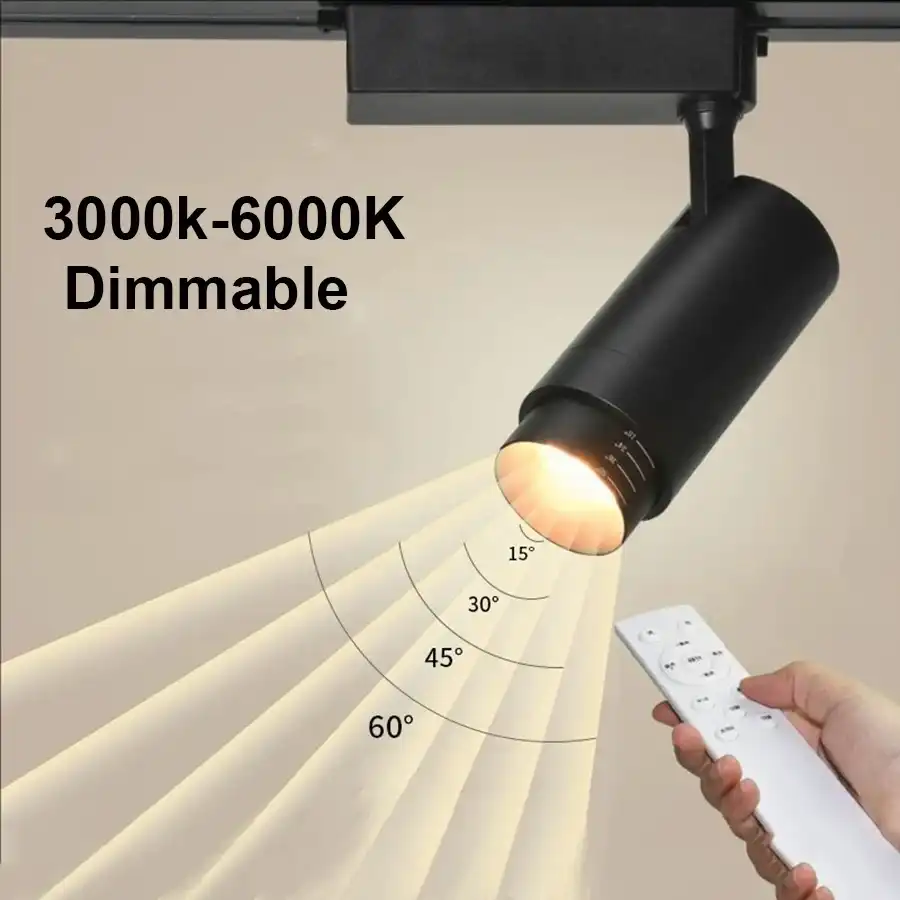
Because they work better and are easy to use, LED step lights have taken over the business lighting market. The color temperatures of these lights are all the same. They go from warm (2700K) to cool (6000K). This gives you full power over the mood while still following safety rules. LED lighting is better than neon and regular electric lighting because it lasts longer and uses less power.
LED step lights work right away at full brightness when you turn them on. This is because they don't need to warm up like some other types of lights do. This trait comes in handy in situations and places with a lot of foot traffic, where being able to see clearly is very important.
Power Source Variations
Because they are wired to the building's electrical systems, wired step lights always have power and can work with centralized lighting control systems. These sets ups are great for long-term use in factories and businesses because they can be used for as long as needed and work with building automation platforms.
Alternatives that are driven by the sun use photovoltaic cells to collect clean energy, so they don't need electricity tools outside or in faraway places. These self-contained systems incorporate rechargeable battery storage that maintains operation during extended periods of limited sunlight, making them suitable for pathway illumination in parks, walkways, and perimeter security applications.
Environmental Protection Ratings
You can put step lights where waterproof scores say you can and where they won't work. Fixed items with an IP65 grade are safe from dust and low-pressure water jets, so they can be used in enclosed outdoor spaces and factories where they might get wet. It's safer to put models with an IP67 rating in places that get a lot of rain or are being cleaned if they are submerged for a short time.
How long step lighting setups last and how often they need to be kept depend on the environmental protection grades that are used. When it comes to coats and materials that last a long time, facilities that are exposed to harsh chemicals, salt spray, or big changes in temperature need them.
How to Choose the Best Step Lights for Your Procurement Needs?
You should think about your wants, the area, and how much they will cost in the long run in order to pick the right step lights. Procurement professionals can use structured decision-making models that help them balance the costs of installation with the worth over time and the predictability of performance.
Environmental Assessment and Application Requirements
Indoor applications typically require lower environmental protection ratings while emphasizing aesthetic integration with architectural elements. Commercial office buildings, retail facilities, and hospitality venues prioritize color temperature consistency and dimming compatibility to maintain ambient lighting harmony while ensuring pedestrian safety.
Outdoor installations demand robust construction materials and superior environmental protection ratings to withstand weather exposure and temperature fluctuations. Industrial facilities and municipal applications require fixtures capable of maintaining performance reliability despite exposure to moisture, dust, chemicals, and mechanical stress.
Budget Considerations and Volume Purchasing
Agreements to buy in bulk lower the price per unit and make sure that all places get the same product specs. This is helpful for big buying projects. Sticking to a few manufacturers and product lines makes it easier to do maintenance and keep track of extra parts, which lowers long-term costs.
According to estimates of how much energy they save, high-end LED step lighting solutions are worth the money in the long run. Even though they may cost more at first than standard choices, they generally pay for themselves in 18 to 24 months thanks to lower energy use, a longer lifespan, and little to no upkeep.
Technical Specifications and Performance Metrics
How much light each bulb gives off and how bright it is depend on how many lumens it produces. Each light generally needs between 50 and 150 lumens for business use. For outdoor and industrial uses, you might need more power to make sure you can see over larger areas. If the Color Rendering Index (CRI) score is above 90, it means that colors are seen correctly. This is especially important at work, where both safety and looks are important. It looks better in lit areas when the CRI value is high, and the safety benefits of regular route lighting are still there.
Certification and Compliance Standards
Standards for international approval make sure that goods are safe, work well, and follow the rules in a range of installation situations. If an electrical system has UL approval, it means it meets safety standards in North America. If it has CE marking, it means it meets safety and environmental rules in the European Union. Energy refunds can be given for products that have DLC approval. This lowers the cost of buying things and helps with green efforts.
RoHS compliance makes sure that things follow rules about the climate that limit the use of dangerous materials. For businesses, this helps them reach their eco-friendly goals and makes sure that old items are put away safely. The buying workers trust that the goods they buy are of good quality and follow the rules because of these certificates.
Installation, Maintenance, and Safety Tips for Step Lights
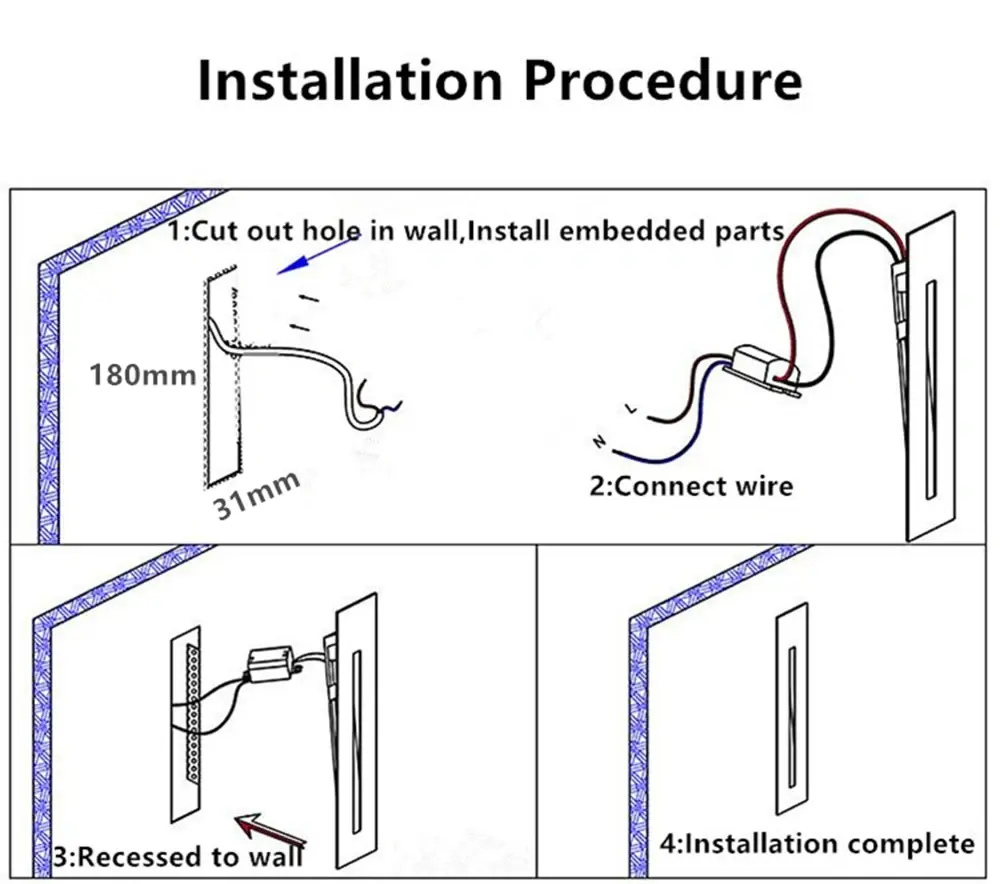
Putting step lighting systems in the right place makes sure they work well and last a long time. It also makes sure they meet government and safety standards. For technical teams to set up things in a way that gets the best return on investment and keeps things going smoothly, they need clear directions.
Pre-Installation Planning and Site Assessment
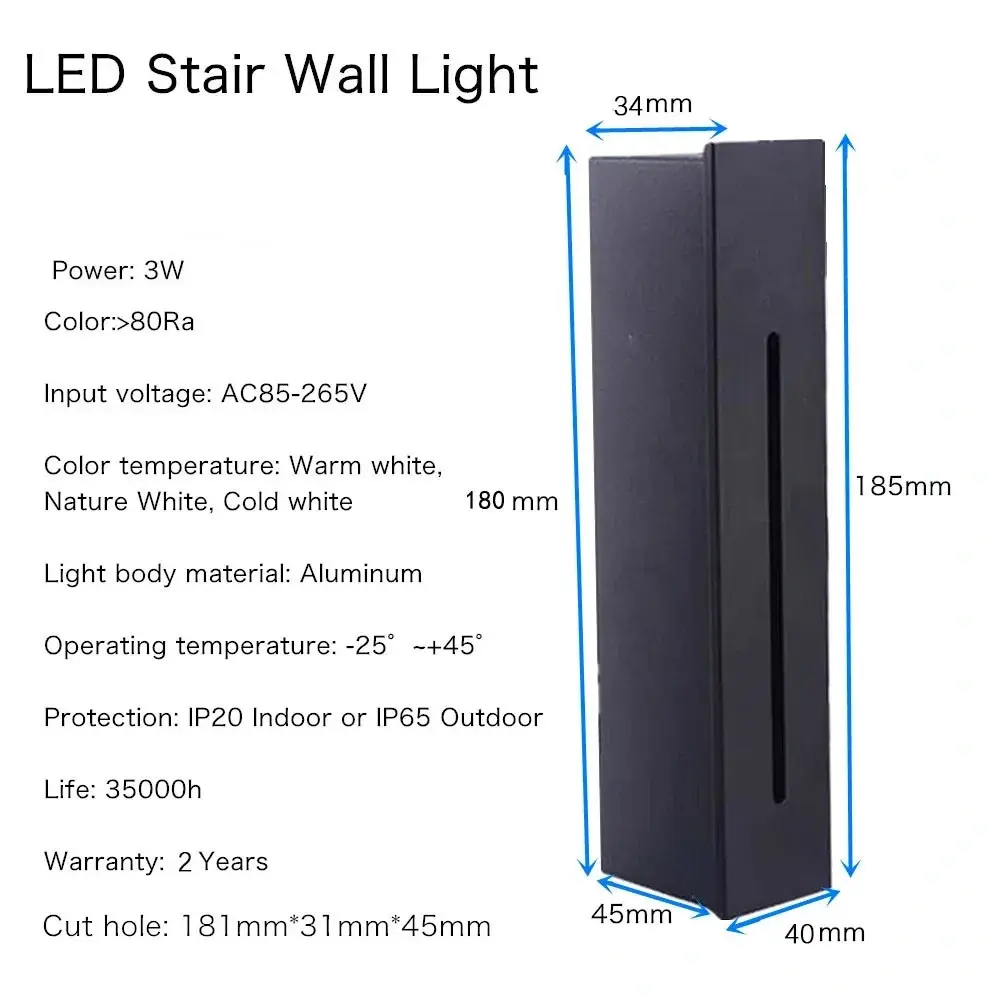
With the electricity load, you can figure out what kind of power source and circuit size you'll need for the jobs you want to do. The system doesn't get too hot and all the step lights get the right amount of power thanks to a well-thought-out wiring design. This way, the lighting and performance are the same all over the installation.
By getting the mounting area ready, you can be sure that the device is safely attached and that the seals are in place to keep water out. For long periods of time, concrete, brick, and metal surfaces need certain kinds of fixings and sealing products to keep their shape and protect the environment.
Installation Procedures and Safety Protocols
Following electrical safety rules will keep you safe: while installing, all circuits must be turned off and the correct grounding connections must be checked. Electrical connections should only be made by qualified electricians who follow the rules in their area and the directions from the manufacturer. A rough idea of the distance between fixtures makes sure that roads are well lit, with no dark spots or big changes in light. Most of the time, 4 to 8 feet is the best space between lights, but it depends on the power levels, mounting height, and beam angle.
Routine Maintenance and Performance Optimization
Regularly cleaning the lens of the bulb and the heat sinks keeps the light output at its best by getting rid of dust, debris, and other outside pollution. Most of the time, every three months is enough to clean something inside. Depending on the weather, cleaning may need to be done once a month for outdoor use. Tracking performance finds issues before they become dangerous or slow down work. LED fixtures normally keep 70% of their original power for as long as they are supposed to. This lets you plan ahead to get new ones when they start to work less well.
Troubleshooting Common Issues
Lights that are dimming often mean that there is dust on them, they are getting too hot, or they are almost broken. Systematic ways of fixing help maintenance teams figure out why things are going wrong and fix them correctly so that everything works again. When links are loose, water gets in, or the control system stops working right, the machine may only run sometimes. You can quickly find and fix these problems if you follow the right fixing steps. This keeps things going smoothly and lowers safety concerns.
Market Trends & Future Outlook for Step Lights
Because of new technologies and a bigger push to save energy and make buildings smarter, the step lighting business is always changing. These changes mean that people who work in buying can now use more advanced lighting choices that help them do their jobs better and more efficiently.
Smart Technology Integration
In more and more building control systems, smart lighting sets that meet safety standards and use the least amount of energy are being used. Management tools can be used from a central place to keep an eye on, plan, and improve the performance of step lights that can talk to each other wirelessly. Motion tracking technology keeps getting better. It can now recognize people more accurately and has sensitivity settings that can be changed to cut down on fake activations and make sure the system always works when someone walks by. People will enjoy these smart features more and save the most energy at the same time.
Sustainability and Environmental Considerations
Businesses and factories still use LED technology because of government programs that urge people to save energy and care for the environment. There are utility refund programs and government incentives that help people choose green lighting choices that have been shown to save energy and be better for the environment. Because of the circular economy, product makers are forced to use building materials that are flexible and can be used more than once. This helps recycle materials when they are no longer useful. Making things in ways that are good for the earth and getting materials that fit with their social responsibility goals is becoming more and more important to makers.
Innovation in Design and Functionality
When people can change how their goods work, they can make solutions that work with certain systems and designs. They can pick lighting solutions that don't cause any problems with the systems they already have by picking from a range of hanging options, color temperatures, and custom shape sizes. Operations last longer and need less care when they have features that make them more durable. This is very helpful for setups that are in tough spots or are hard to get to for repairs. It keeps getting better and more effective as new building materials and methods are used. Things work the same way in more settings.
Conclusion
Step lights are an important part of public safety because they keep people safe on the sidewalk, save energy, and look good in many business, industry, and city settings. Since LED technology has grown, these lights have become high-tech choices that work well, last a long time, and save you money on costs. There are different kinds of lights and ways to use them. People who work in buying can make better choices if they know how to pick the right lights for each job. You can get the most out of your investment and still follow safety rules and government rules if you install and take care of things the right way. The lighting business is changing because of smart technology and attempts to be more eco-friendly. Step lighting solutions will become more important in building management plans that prioritize safety, efficiency, and caring for the environment.
FAQ
What are the main advantages of LED step lights over traditional lighting?
LED step lights offer significantly longer lifespans, typically 25,000 to 50,000 hours compared to 1,000 to 8,000 hours for traditional incandescent bulbs. They consume up to 80% less energy while providing superior brightness consistency and instant-on operation without warm-up periods.
How do I determine the appropriate IP rating for my step light installation?
Indoor applications typically require IP54 or IP65 ratings for basic dust and moisture protection. Outdoor installations exposed to rain or cleaning procedures need IP67 ratings for temporary submersion protection. Industrial environments with chemical exposure may require specialized coatings and higher protection levels.
What spacing should I use between step light fixtures?
Optimal spacing ranges from 4 to 8 feet between fixtures, depending on lumens output, mounting height, and beam angle characteristics. Higher output fixtures can accommodate wider spacing, while low-output decorative fixtures require closer placement to maintain uniform illumination.
Can step lights integrate with building automation systems?
Modern LED step lights often include wireless communication capabilities and can integrate with building automation platforms for remote monitoring, scheduling, and energy optimization. Smart sensors enable automatic brightness adjustment based on ambient light conditions and pedestrian traffic patterns.
What maintenance is required for LED step lights?
Every three to six months, you should clean to get rid of dust and other things that can block light. It is possible to find lights that are almost out of their useful life by keeping an eye on their performance. The electrical connections should also be checked often to make sure they stay safe for the full rated lifespan.
Transform Your Space with USKYLED Step Lighting Solutions
USKYLED makes high-quality step lights for business and industry that are built well and use cutting-edge LED technology. The skilled people who work for us can give you full technical help and OEM solutions that are made just for your project. Just send an email to sales@uskyled.com right away to find out how our experience as a maker of step lights can help your building be safer and use less power.
References
1. Illuminating Engineering Society of North America. "Recommended Practice for Lighting Building Exteriors." ANSI/IES RP-33-21. 2021.
2. Building Owners and Managers Association International. "Energy Efficiency and Sustainability Report: Commercial Real Estate." BOMA. 2023.
3. National Institute for Occupational Safety and Health. "Workplace Safety Standards for Pedestrian Areas and Stairway Illumination." NIOSH Publication No. 2022-115.
4. U.S. Department of Energy. "LED Lighting Facts: Commercial and Industrial Applications Performance Guide." DOE Office of Energy Efficiency and Renewable Energy. 2023.
5. International Association of Lighting Designers. "Professional Guidelines for Pathway and Step Lighting Design." IALD Technical Committee Report. 2022.
6. American Society of Heating, Refrigerating and Air-Conditioning Engineers. "Advanced Energy Design Guide for Small to Medium Office Buildings." ASHRAE Standard 90.1. 2023.

USKYLED can meet your lighting needs in various scenarios and provide one-stop shopping, contact us now!
Why You Should Choose USKYLED?
![What is Dimmable Track Lighting for Museum: Best Guide [2025]](/icms/upload/0d08cc601e7611f0b542b3ca0c0f4a83/pic/knowledgemanager-knowledgepic/e7879f32605f11f081911f363b8c1ed0/Directory/20250717 dimmable track lighting -1(1)_1752739217941.webp)