Outdoor Step Lighting Guide for Landscape Design
Outdoor step lighting is a clever way to light up a landscape. It turns useful stair systems into architectural focal points while also making them safer and more attractive. Professional-grade outdoor step lighting options come in LED, solar-powered, and connected designs that are waterproof and made of weather-resistant materials to work in a variety of situations. For one thing, these lighting systems keep people safe by making it easier to see at night, and for another, they add beautiful design elements that raise the value of a home and make it look more expensive.
Understanding Outdoor Step Lighting: Types, Benefits, and Design Inspirations
LED Step Lighting Solutions
The outdoor lighting market is dominated by modern LED technology, which uses less energy and lasts longer. LED step lights usually have luminous efficacy rates of 80 to 120 lumens per watt, which is a lot better than standard incandescent lights. The color temperatures of these lights range from 2700K warm white to 6000K sunshine white. This lets designers make specific mood effects that go with different types of architecture and landscaping.
LED step lights made for professionals often have advanced features like the ability to dim, smart settings, and RGB color-changing choices. Usually, it lasts longer than 50,000 hours of use, which lowers the cost of upkeep and the number of times it needs to be replaced in business settings.
Solar-Powered and Wireless Systems
Solar step lighting has a lot of benefits for projects that care about the environment and sites that are far away. These systems have weatherproof housings with an IP65 rating or higher that hold solar panels, rechargeable batteries, and LED grids. Modern solar lights can work for 8 to 12 hours on a full charge, thanks to lithium-ion batteries with sizes between 600mAh and 2000mAh.
Wireless connection lets you use complex control methods without having to build a lot of electricity infrastructure. Many modern systems come with smartphone apps that let you program and watch them from afar, which is useful for facility managers who are in charge of multiple places.
Safety and Aesthetic Benefits
The National Safety Council did research that shows that properly lighting steps can cut down on slip-and-fall accidents in business settings by up to 67%. In addition to being safe, carefully placed step lights create a visual rhythm and architectural focus that directs how people move through outdoor areas.
Inspiration for designs ranges from modern minimalist styles with clean geometric shapes to classic styles with warm color tones and decorative elements. Integrated handrail systems, recessed installations, and surface-mounted features are all fitting choices that can be changed to fit different design needs.
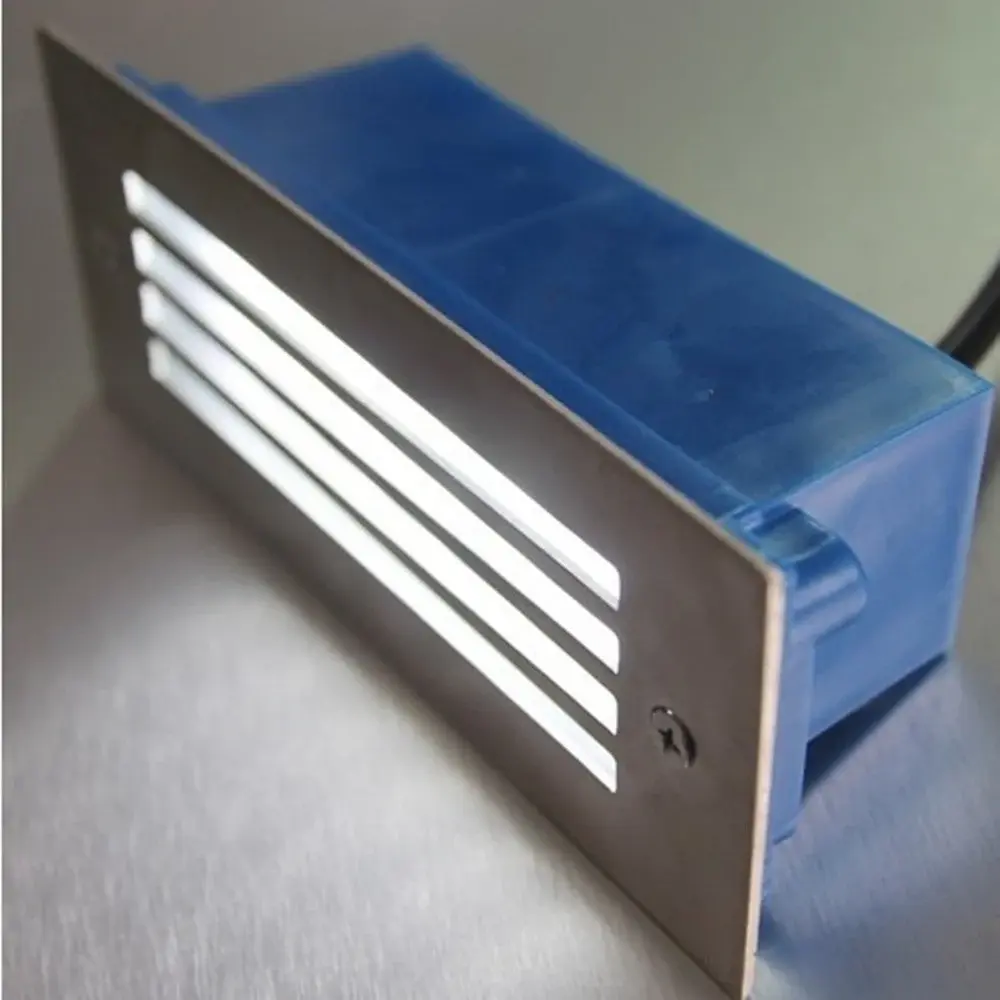
How to Choose the Best Outdoor Step Lighting for Your Procurement Needs?
Evaluating Project Requirements
A thorough site survey and the creation of performance specifications are the first steps to a successful purchase. Key factors include the size and shape of the steps, the materials used, the amount of exposure to the surroundings, and how they will be used. Most of the time, commercial installations need more lumen outputs (50 to 200 lumens per fixture) than home installs (10 to 50 lumens per fixture).
Extreme temperatures, wetness levels, UV radiation levels, and possible impact dangers are all environmental factors that need to be thought about. Fixtures need to have the right IP ratings: IP54 for areas that are covered, IP65 for setups that are out in the open, and IP67 for areas that could flood or be washed with high-pressure water.
Solar vs. Wired Performance Comparison
The following study shows important differences in performance between fixed and solar systems that affect buying decisions:
Hardwired Systems provide steady lighting no matter the weather and can run for an unlimited amount of time. The costs of installation include the wiring for electricity, but they don't include the cost of replacing batteries. These systems work great in business settings with a lot of foot traffic that need reliable performance and the ability to connect to building control systems.
Solar Solutions give installers more freedom and lower building costs, which is especially helpful for upgrade projects and places that are hard to reach. Modern solar panels have efficiency rates of 18–22%, which means they can work reliably in most places. Improvements in battery technology have extended operational lifecycles to 3 to 5 years before they need to be replaced.
According to a cost study, hardwired systems usually pay for themselves in the long run by requiring less upkeep, while solar solutions offer strong total cost of ownership benefits for installations that receive sufficient sunlight. These considerations are especially important when selecting outdoor step lighting, as the choice between wired and solar designs directly impacts maintenance needs, installation complexity, and long-term operational efficiency.
Procurement Considerations for B2B Clients
When you buy in bulk, you can often get discounts of 15–30% on orders of 100 or more units, and you can save even more if you commit to buying for more than one project. OEM customization lets you make branded solutions and changes to specifications that fit the needs of a particular project. Coverage under the warranty should include at least a 3-year warranty on the fixtures, with choices for longer coverage for LED parts and control systems. Access to technical help and replacement parts is very important for keeping big systems running in many different areas of the world.
Step-by-Step Guide on Installation and Maintenance of Outdoor Step Lighting
Pre-Installation Planning and Tools
Professional setups need to be carefully planned to make sure they follow the rules and work at their best. Voltage testers, waterproof wire plugs, brick drill bits, and the right safety gear are all important tools. For hardwired systems that go over low-voltage limits, local electrical rules may require a qualified electrician to be involved.
As part of preparing a site, the ground, drainage, and placement of utilities must be checked. Correct estimates for spacing make sure that all areas are lit evenly while reducing the amount of energy used and the cost of installation.
Installation Procedures
Hardwired Installation Process begins with electrical rough-in, which includes putting in tubing and figuring out the size of the low-voltage generator. The transformer's ability must be able to handle the total load plus a 20% safety margin. Most setups need either 12V or 24V outputs. Following NEC rules for outdoor setups, the choice of wire gauge is based on the length of the run and the total amount of amperage that needs to be sent.
Fixture fixing needs the right fastening methods for the support materials. Masonry bolts or inserted sleeves are used for installations in concrete, while waterproof sealants are used on stainless steel screws for installs in wood. Solar System Setup involves positioning photovoltaic panels so they get the most sun while still looking good with the rest of the building. Battery compartments need to be in places that are easy to get to for repair while also keeping sensitive gadgets safe from the surroundings.
Maintenance Best Practices
Regular repair plans keep systems running at their best and extend their life. Every month, you should check to make sure there is enough light, clean the lens surfaces, and look for any physical damage or weak connections. For solar systems, annual upkeep includes testing the batteries, checking the transformers for hardwired setups, and making sure everything is safe electrically. Seasonal adjustments might include making changes to timers to account for changing daylight hours and safety steps for bad weather. Keeping records of repair tasks helps make sure that the warranty is followed and finds trends that can be used to guide future purchases.
Optimizing Outdoor Step Lighting Performance and Energy Efficiency
Advanced LED Technologies
Modern outdoor step lighting uses advanced LED technologies that use the least amount of energy possible while still providing excellent lighting. High-efficiency LED chips produce more than 150 lumens of light per watt, which means they use a lot less energy than traditional lighting technologies. Color Rendering Index (CRI) scores above 80 guarantee correct color perception, and special phosphor coatings keep the color temperature stable over the life of the fixture.
Advanced heat sink designs and built-in cooling technologies in thermal management systems keep LEDs from breaking down. With the right thermal control, junction temps stay below critical levels, which means that L70s last longer than 50,000 hours in normal use.
Smart Control Integration
Intelligent control systems use the least amount of energy possible by automatically scheduling tasks, sense when a room is empty, and adjusting the lighting to suit the situation. On-demand triggering of PIR motion sensors cuts energy use by 40–70% while keeping safety lighting levels the same. Astronomical timers change operation plans naturally based on the time of year and where they are located.
Wireless mesh networking lets lighting systems that are spread out be controlled from one place without a lot of wires. Integrating building technology with other functions like security systems, landscape watering, and facility management makes everything work together better.
Performance Optimization Strategies
Strategically placing fixtures makes the most of their visual effect while using the least amount of energy and cutting down on installation costs. Calculations that use uniform spacing make sure that there is enough lighting overlap without too much brightness that causes uncomfortable glare. Asymmetric beam patterns can exactly direct light where it's needed while lowering the amount of light that gets into properties next to them. Facility managers and builders can use these optimization methods to get better lighting performance while keeping costs low throughout the duration of the system.
Top Brands and Suppliers of Outdoor Step Lighting for B2B Clients
Industry-Leading Manufacturers
Well-known companies put a lot of effort into building excellence, quality control, and full support services that meet the specific needs of businesses. Premium names usually have a lot of different products at different price points and levels of performance. This lets buying teams choose the right products for a wide range of uses. Manufacturers of high-quality products have strict testing procedures that make sure IP grades, impact protection, and temperature performance are all correct in real-life environments. Third-party certificates from UL, CE, and DLC groups give sites that need to be compliant even more peace of mind.
Supplier Evaluation Criteria
To do professional buying, you need to evaluate a supplier's skills in a way that goes beyond the product specs. Some important things to look at when evaluating a product are its manufacturing capacity, its quality control systems, its access to expert help, and the stability of its supply chain. Reliable sellers keep the right amount of stock on hand and offer shipping times that are sensible and work with project deadlines.
Compliance with international certification is necessary for sites that need to get certain government approvals. For professional uses, the basic standards are UL listing for North American markets, CE marking for installations in Europe, and RoHS compliance for environmental laws.
Procurement Strategy Development
A successful outdoor step lighting purchase includes reasonable price, reliable performance, and a wide range of support services. Talks about buying in bulk should include savings for buying in bulk, longer warranty coverage, and expert help. Long-term deals for supply can help keep prices stable and give priority during times of high demand. OEM customization lets you change specifications and add your own brand to solutions that make finished projects stand out. When you work together with your providers, you can often come up with new ideas and get early access to new technologies that give you a competitive edge.
Conclusion
When choosing professional outdoor step lighting, it's important to keep performance needs, weather conditions, and budgets in mind, while also making sure that all safety rules and standards are followed. Modern LED technologies are very good at saving energy and last a long time. This makes the higher starting costs worth it because they lower operational costs and upkeep needs. Adding smart controls and solar-powered options opens up more ways to make displays that are sustainable and meet today's environmental standards. A good buying strategy focuses on building relationships with suppliers, getting quality certifications, and offering a wide range of support services that make sure the project runs smoothly throughout its working lifecycle.
FAQ
What are the most energy-efficient outdoor step lighting technologies available?
Modern LED systems are the most energy efficient because they usually give off 100 to 150 lumens per watt, while incandescent systems only give off 10 to 15 lumens per watt. Smart controls and occupancy monitors on more advanced LED lights can cut energy use by an extra 50 to 70% by running themselves.
How do I determine the appropriate IP rating for different installation environments?
IP54 ratings are enough for areas that are covered or protected, while IP65 ratings are enough to protect sites that are out in the rain and dust. Fixtures with an IP67 rating are needed in places that need to be pressure washed or could get submerged. Installations near the coast may need extra materials and finishes that don't rust.
What warranty coverage should B2B clients expect from suppliers?
Professional-grade fixtures should come with guarantees that cover production flaws and loss of performance for at least 3 years. Control systems and generators usually come with warranties that last for 2 to 3 years, while LED parts usually have guarantees that last for 5 to 7 years. Comprehensive warranty plans offer fast repair services and expert help.
Can outdoor step lights be integrated with existing landscape lighting systems?
Most modern systems support integration through standardized control protocols and compatible voltage requirements. Low-voltage (12V/24V) systems are the most compatible, and smart lighting platforms let you handle a wide range of fixture types and makers from a single screen.
Partner with USKYLED for Professional Outdoor Step Lighting Solutions
USKYLED makes cutting-edge outdoor step lighting options that are designed to work in tough industrial and landscape settings. Our wide range of products includes high-efficiency LED lights, smart control systems, and styles that can be changed to fit the needs of any project. Contractors, resellers, and project managers looking for reliable outdoor step lighting suppliers can work with OEM partners and set up large supply agreements thanks to advanced manufacturing capabilities. Email our technical experts at sales@uskyled.com to talk about your buying needs and find out how our cutting-edge lighting technologies can make your next landscaping project better.
References
1. Illuminating Engineering Society. "Recommended Practice for Outdoor Environment Lighting." IES Publication RP-33-14, 2014.
2. National Safety Council. "Injury Prevention Through Environmental Design: Outdoor Lighting Safety Standards." Safety Research Journal, Vol. 45, 2019.
3. LED Magazine Editorial Staff. "Outdoor LED Lighting: Performance Standards and Application Guidelines." LED Professional Magazine, Issue 67, 2018.
4. American Society of Landscape Architects. "Guidelines for Sustainable Landscape Lighting Design." ASLA Technical Publication Series, 2020.
5. International Association of Lighting Designers. "Outdoor Step and Path Lighting: Best Practices for Commercial Applications." IALD Technical Report 2021-03, 2021.
6. Department of Energy Building Technologies Office. "LED Lighting Performance in Outdoor Applications: Field Study Results." DOE Solid-State Lighting Program, 2019.

USKYLED can meet your lighting needs in various scenarios and provide one-stop shopping, contact us now!
Why You Should Choose USKYLED?
![What is Dimmable Track Lighting for Museum: Best Guide [2025]](/icms/upload/0d08cc601e7611f0b542b3ca0c0f4a83/pic/knowledgemanager-knowledgepic/e7879f32605f11f081911f363b8c1ed0/Directory/20250717 dimmable track lighting -1(1)_1752739217941.webp)