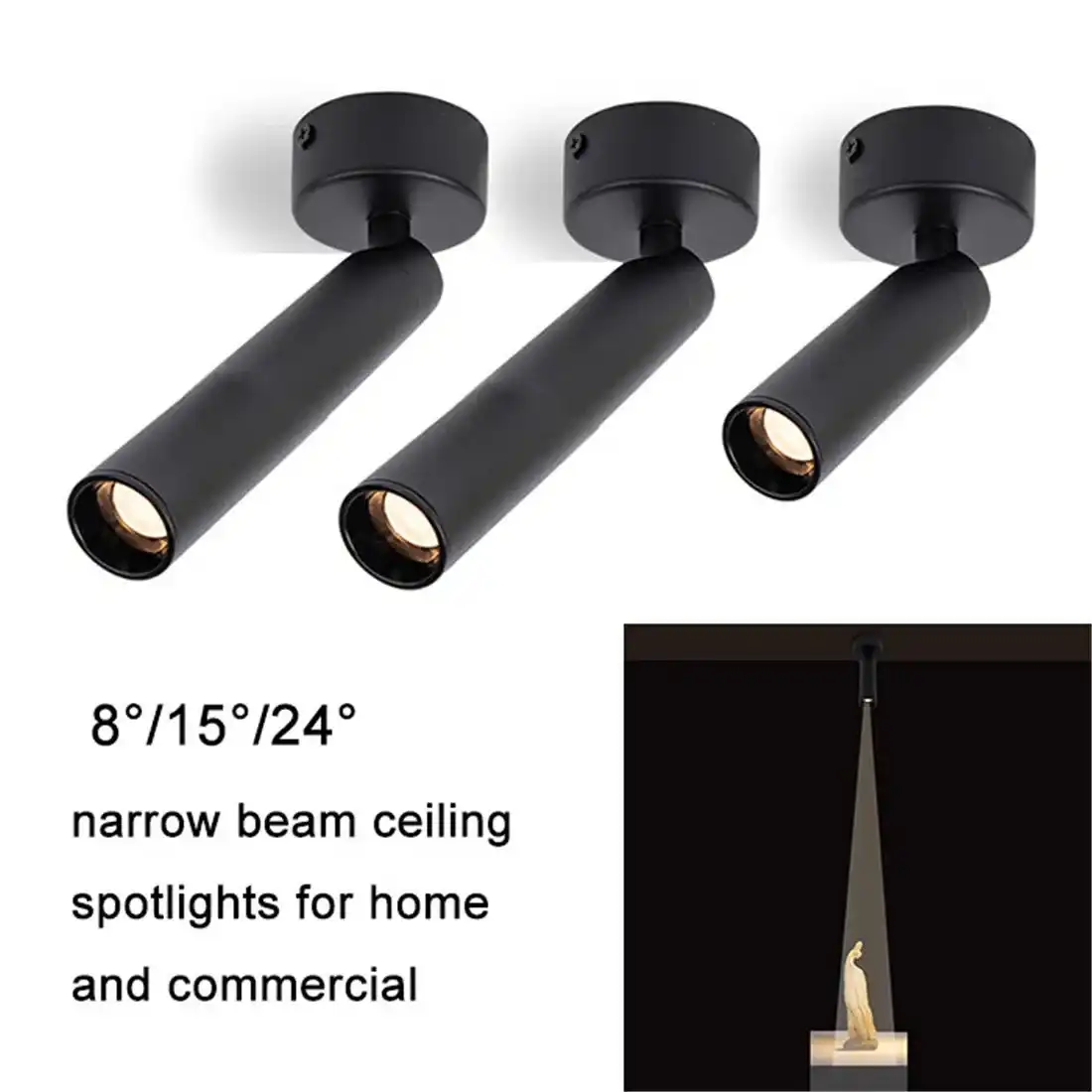
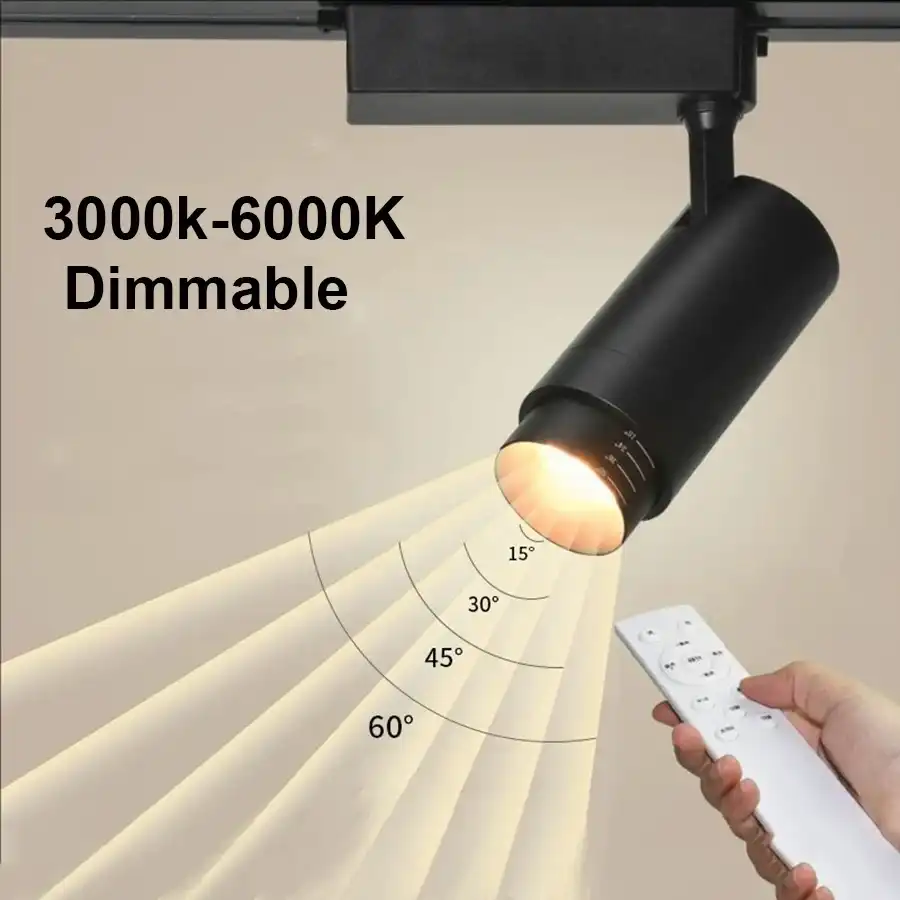
What are the types of stair lighting?
To meet different safety and aesthetic needs in business settings, Stair Lights are available in a variety of designs. There are recessed step lights that are built right into the sides of stairs, surface-mounted fixtures that are attached to walls or ceilings, LED strip lighting for constant lighting, motion-activated systems that save energy, and wall-mounted accent lamps. Each type meets different design needs while putting exposure, energy efficiency, and following rules first in workplace, hospitality, and public settings.
Overview of Stair Lighting Types
In business buildings, Stair Lights are an important part of the infrastructure that helps meet safety standards and save energy. Proper illumination keeps workers safe, lowers your risk of being sued, and lets you keep working even when there isn't enough light or the power goes out. According to the National Safety Council, about 12,000 fatal falls happen every year in business buildings because the stairs aren't well lit. This shows how important strong lighting techniques are.
In addition to keeping people safe, modern lighting systems make it easier to see by getting rid of the sharp shadows and glare that can be annoying after a while of using a facility. Today, most purchase requirements call for energy-efficient LED technologies. These technologies save 80–90% of the energy used by halogen or incandescent options while still lasting 50,000 hours. This means less frequent upkeep and a lower total cost of ownership over the course of a project's many years.
Commercial lighting usually sorts options into groups based on how they are installed, how they are controlled, and how safe they are for the environment. Recessed lights fit in perfectly with architectural designs, surface-mounted choices make retrofitting easier, and LED strip lighting runs along the edges of stairs to provide constant illumination. Procurement teams can match lighting features with building codes, insurance needs, and operating processes unique to hotels, office buildings, factories, and public infrastructure projects when they understand these differences.
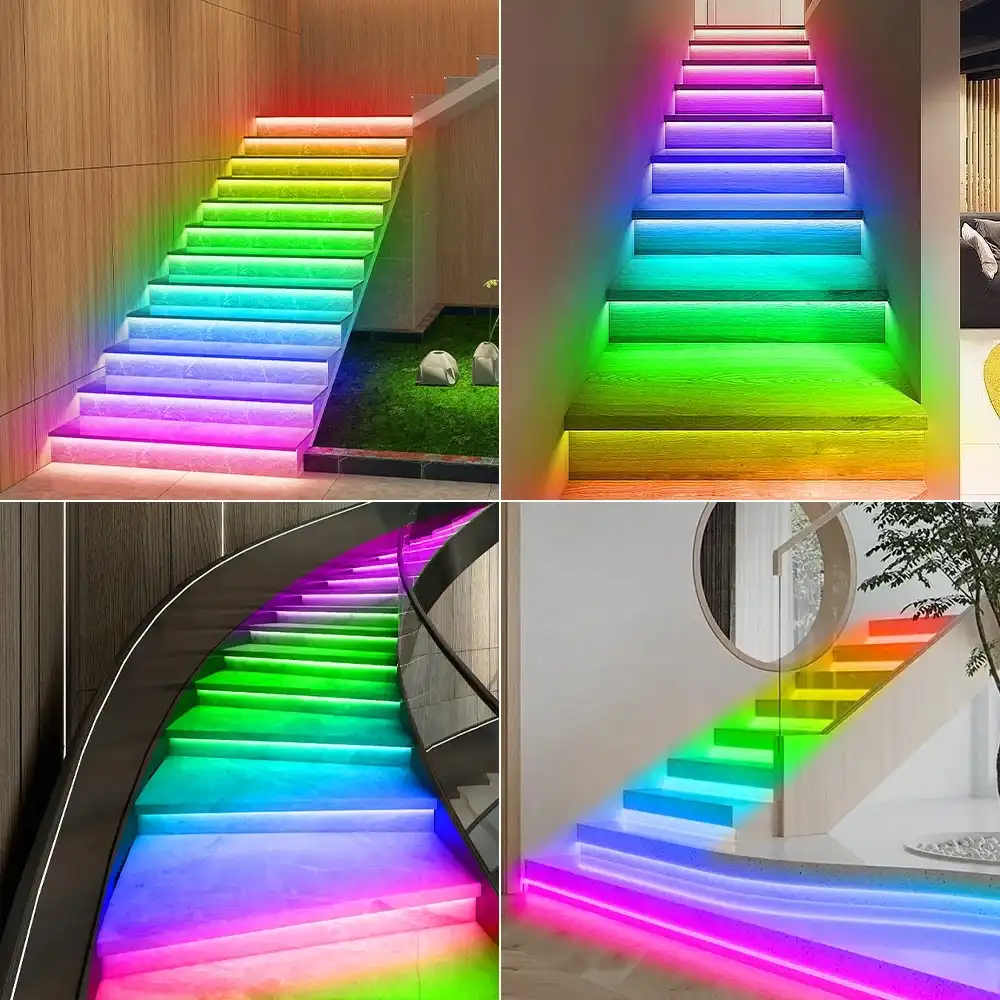
Classification of Stair Lighting by Installation and Design
Recessed Versus Surface-Mounted Fixtures
When recessed step lights are installed flush within stairs structures, they create clean lines that builders who value simple design like. When electrical conduits can be planned during the planning step of a new building project, these fixtures work especially well. Shopping malls and hotel halls often choose deep models so that people can see clearly and each tread edge is highlighted by directional lighting. Electrical workers and structure experts need to work together during the construction process to make sure the right housing depth and thermal management.
Surface-mounted Stair Lights use external mounting brackets to connect directly to walls or stair steps. This makes installation easier for repair projects. This method cuts down on work costs by not requiring changes to the structure, but it still meets code requirements for lighting levels. Surface-mounted choices are often chosen in factories and stores because they last longer under conditions of vibration and impact. Modern die-cast aluminum housings with powder-coated finishes don't rust in damp places, so they can be used for longer than 10 years in most industrial settings.
Step Lights Versus Wall-Mounted Solutions
Step lights are built into the treads or risers of each step, giving localized lighting that directly addresses fall risks at every change in level. These small lamps usually use 1 to 3 watts per unit and put out 20 to 50 lumens, which is enough to find your way without making too much light pollution. Step lighting is now required in public stairwells in many big U.S. cities by municipal building rules. This has increased demand for certified goods that meet UL 2108 wet location standards.
Wall-mounted lights set at average heights create wider lighting patterns that cover more than one step at the same time. This layout works well for business stairs that are wide and have walls that are far enough apart to provide even coverage without leaving dark spots. In hospitality projects, wall lamps and step lights are often used together to create a layer of ambient and work lighting that is both safe and warm. Paying close attention to beam angles keeps glare from reaching eye level and ground surfaces at the right foot-candle measures.
LED Technology Versus Traditional Options
Due to better performance measures, LED technology has replaced older technologies in business procurement. Halogen systems produce a lot of heat and need to have bulbs replaced often. LED modules, on the other hand, keep their color temperatures stable over their entire estimated lifespans with very little light loss. Better thermal management means that LED lights can now work reliably in enclosed areas where the temperature rises to 50°C. This means that they can be installed in stairwells that don't have air conditioning.
Energy estimates show that there are clear practical benefits. A typical 50-step industrial staircase with 40-watt incandescent lighting draws 2,000 watts of power constantly, which equals 17,520 kWh of electricity used each year at standard business rates. When you switch to 3-watt LED equivalents, you cut your yearly power use to 1,314 kWh, which saves you over $1,800 per staircase based on the average cost of $0.11 per kWh in the U.S. When applied to buildings with more than one floor, these saves pay for the initial investment within 18 to 24 months, while also making upkeep more predictable.
Advanced Stair Lighting Solutions: Smart and Energy-Efficient Options
Motion Sensor Integration
Motion-activated Stair Lights improve safety and cuts down on energy waste at the same time. Passive infrared sensors can tell when a person is in a changeable sensing zone and only turn on the lights when someone approaches the stairs. This technology is especially useful in backup escape routes and parking lot stairwells, where keeping the lights on all the time costs too much. Commercial installations say they use 60–75% less energy than systems that are always on, but they are still available right away in case of an emergency.
Programming a sensor lets you change the dimming patterns, activation time, and sensitivity limits. In high-traffic business buildings, hold times are usually set to 3–5 minutes so that multiple users can be helped during busy times. In low-traffic areas, on the other hand, 30-second intervals are used to save money. In more advanced versions, there is a photocell built in that stops the motion sensor from activating during the day when natural light is enough to see. This makes the system even more efficient.
Dimmable and Tunable Systems
Adjustable output lets facility managers match the need for light with the amount of energy used during different operating times. Dimmable LED drivers let you lower the light at night, when security staff are the only ones in the building. This protects the components and makes them last longer by reducing heat stress. In restaurants and hotels, tunable white technology changes the color temperature from a warm 2700K setting for general lighting in the evening to a cooler 4000K setting for task lighting in the morning during cleaning shifts.
Because they work with building control systems, DALI and 0-10V dimming methods are the most common ones used in business settings. These standard interfaces allow for unified control over various stairwell zones. This lets you set up lighting scenes that change based on the number of people using the stairs, the time of day, or an emergency. Integration with fire warning systems makes sure that the lights turn on at full brightness during evacuations, which meets life safety code standards while keeping normal operations energy-efficient.
Battery Backup Versus Wired Configurations
Battery-powered options are easier to put in old buildings or during retrofits where running new electrical lines would be too expensive. Compared to older nickel-cadmium technologies, lithium-ion battery packs now last 5 to 7 years with little loss of power, making upkeep easier to coordinate. With solar-charged outdoor solutions, you don't need any electrical infrastructure outside. This makes it perfect for parks, outdoor events, and college paths.
Hardwired systems are still better for mission-critical tasks that need to be lit up even when the power goes out for a long time. When natural disasters happen or the power goes out, emergency lines linked to backup generators make sure that the building keeps running, which is required by strict codes for healthcare facilities and high-rise buildings. Combining line-voltage operation with an integrated battery backup gives the highest level of reliability, instantly moving to stored power when the power goes out while keeping an endless runtime when everything is normal.
Waterproof and Industrial-Grade Options
Lighting options that meet IP65 or IP67 ingress protection grades are needed for outdoor stairs and harsh industrial settings. These standards make sure that there is no dust leakage and that the stairs can withstand high-pressure water jets. This is important for outdoor stairs that are open to the weather and for places that need to be cleaned regularly. Marine-grade stainless steel housings with UV-stabilized polycarbonate lenses don't rust in coastal areas or chemical processing plants, where regular metal lights break down quickly.
Impact resistance is very important in industrial areas and loading docks where fork trucks and other material handling equipment work close to stairs. Fixtures with an IK08 rating can withstand 5-joule hits, which is the same as dropping a 1.7-kilogram mass from 300 mm above. This means that accidental touch won't damage them. Specifications for cold-weather performance up to -40°C allow reliable operation in buildings that aren't heated and outdoor sites in northern climate zones, keeping performance consistent when other products fail.
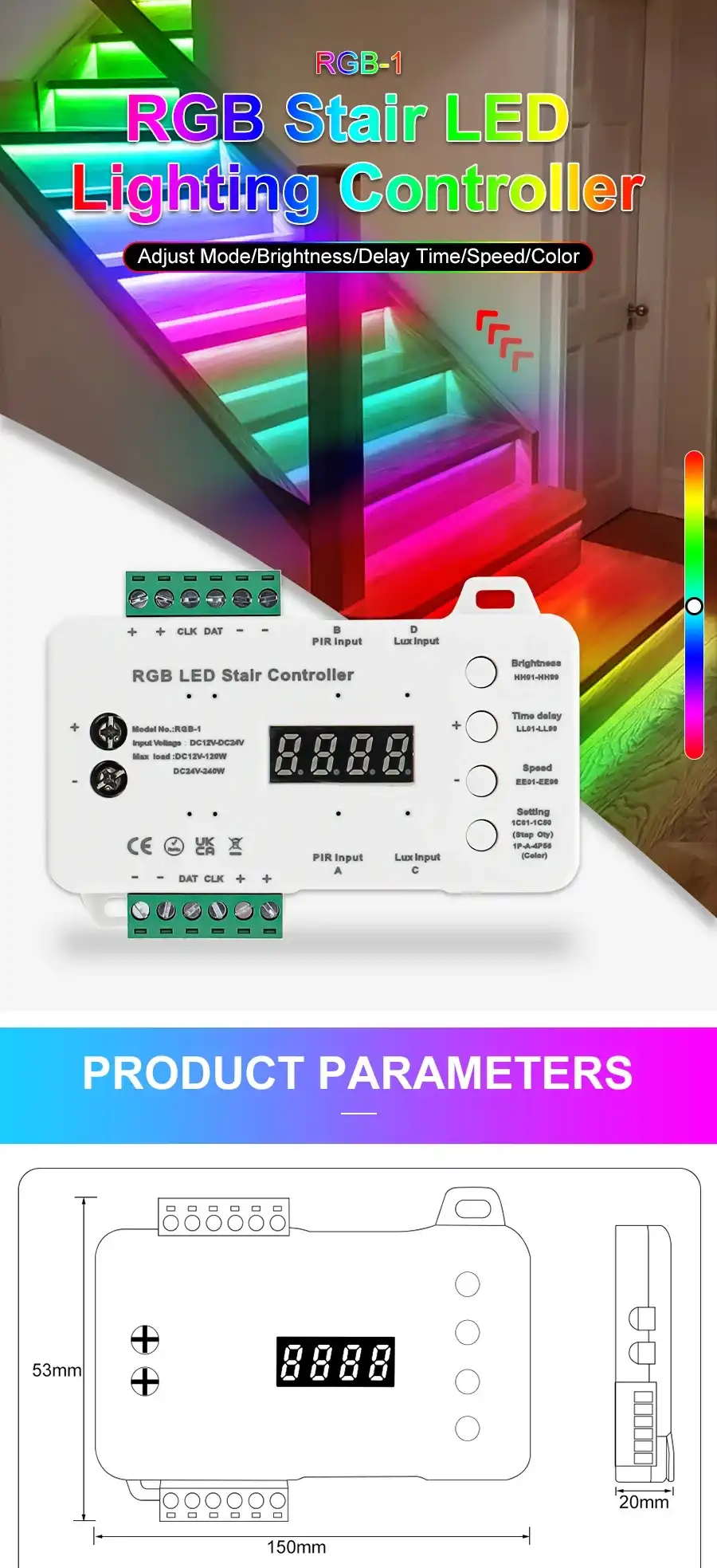
Selecting Stair Lighting: Practical Procurement Criteria for B2B Clients
Performance Metrics and Specifications
Lumen output decides how much light is actually sent to stair surfaces. For business use, 20 to 50 lumens per step are usually enough to make it easy to find your way. To account for lumen loss over the life of a fixture, engineering managers should set base amounts of continued illumination instead of starting output. Stair Lights that keep 90% of their initial power after 50,000 hours (L90/50K ratings) will keep working well throughout their warranty periods and won't need to be replaced in the middle of their lives.
Color Rendering Index values above 90 CRI allow correct sense of surface textures and materials, which lowers the risk of tripping that comes from misjudging the depth of the tread. High-CRI lighting helps older eyes tell the difference between step edges and shadows. It's especially helpful in healthcare facilities and senior living communities. To get true running costs for thousands of fixtures in big business projects, measurements of energy use should include the total system draw, which includes drivers and controls, not just the specifications of the LED modules.
Application-Specific Requirements
In indoor business settings, blending in with the surroundings and reducing glare are important, which is why recessed models with frosted diffusers that match the building's finish are preferred. Neutral color temperatures between 3500K and 4000K are good for office buildings and stores because they help people stay alert and see clearly during business hours. When installed outside, the housings need to be weather-sealed and able to withstand a wider range of temperatures. This means that marine-grade materials and gasket-sealed enclosures that meet local building rules for wet areas are required.
Industrial sites value long-lasting lights that are easy to maintain. They prefer surface-mounted fixtures with lens access that doesn't require any tools, which makes group relamping easier. Chemical companies and places that process food need materials that are NSF-certified and surfaces that are smooth so that pollution doesn't build up. The Americans with Disabilities Act (ADA) says that municipal projects must meet minimum contrast ratios between lighted steps and other surfaces.
Budget Optimization Strategies
When you negotiate for bulk purchases, you can get big discounts on each item. This is especially true when you choose the same products for different stages of a building project or for upgrade plans that cover the whole portfolio. Contractors who are in charge of installing 500 or more fixtures usually get 20–30% savings compared to small-quantity prices. This helps the project's margins while keeping quality standards high. Longer warranties that cover early failures move the risk from building owners to manufacturers. This is why manufacturers can charge more for mission-critical uses where lighting failures could put them at risk of being sued.
To figure out the total cost of ownership, you have to add up the costs of installation work, energy use, upkeep intervals, and finally getting rid of the item. When compared to high-end LED systems with longer warranties and better efficacy ratings, cheaper lights that don't last as long and use more energy usually end up costing more over a 10-year period. Instead of just depending on marketing specs, procurement managers should ask for third-party LM-80 test data to back up what manufacturers say about performance.
Supplier Credibility and Support
Well-known companies like Philips, GE, Osram, and Cree LED keep a lot of testing facilities for their products and paperwork that shows they follow all the rules for foreign approvals. These brands offer technical support materials such as photometric data, installation instructions, and checks to make sure they are compatible with building control systems. Regional wholesalers who work with big makers can help you plan projects by making sure you have access to local supplies and offering useful applications engineering support.
Chinese LED makers are competing more on quality and new ideas than just price. The top sellers have UL, DLC, and Energy Star certifications that meet North American standards. Through direct sourcing connections, housing finishes, mounting configurations, and electrical specs can be changed to fit the needs of the project without having to pay the higher prices that come with brand-name alternatives. Before committing to big orders, procurement teams should check out factories and ask for sample tests to make sure they can meet production needs and quality control standards.
Installation, Maintenance, and Long-Term Optimization of Stair Lights
Installation Best Practices
Proper electrical planning makes sure that lighting loads are protected and that circuits have enough power. For business stairwell setups with more than 30 lights, dedicated 20-amp circuits are suggested. When installing recessed fixtures, you need to work with structure engineers to make sure the cavity is the right level and that approved firestopping methods are used to keep the assembly's integrity. Laser alignment tools make sure that applications that are fixed on surfaces are placed evenly and vertically across multiple floors, giving them a professional look.
NEC Article 410 says that wiring methods must meet certain requirements for installing luminaires. These include the right size of conductors, easy access to junction boxes, and enough space between insulation and conductors. For outdoor installs, extra weatherproofing steps are needed, such as putting silicone sealant around mounting holes and fixing fixtures higher up so that water doesn't pool on the housings. Before the final project is accepted, commissioning processes should check that the sensors are positioned correctly, that the dimming works, and that the emergency circuit works.
Maintenance and Troubleshooting
Compared to older technologies, Stair Lights systems don't need as much upkeep. Usually, they only need to be checked once a year instead of every three months. Using gentle detergents and microfiber cloths to clean lenses keeps them clear without scratching the plastic surfaces, so they keep putting out light for longer amounts of time. Testing the usefulness of sensors makes sure that motion detection zones stay tuned even if the mounting moves a little because the building settles or the temperature changes.
Some common problems that need to be fixed are flickering from dimmer switches that don't work with each other, early failures caused by changes in voltage, and lower output from problems with heat management. Keeping thorough maintenance logs that list installation dates, failure trends, and environmental conditions makes it possible to file warranty claims and plan replacements based on data. Building ties with local electricians who know about certain product lines cuts down on the time it takes to get help when lighting problems put people in danger.
Retrofit Opportunities
Stairways that are currently lit by old fluorescent or HID systems are great candidates for retrofitting because they can save energy right away and provide better lighting. Upgrades can be made without changing whole fixtures with LED conversion kits made for standard recessed can housings. This saves money on materials and installation work. Smart control retrofits that include occupancy monitors and sun harvesting save more money than just replacing lamps. In places that are used a lot, the payback time is usually less than three years.
Case studies of retrofits to business buildings show that the effects can be measured. A Chicago office building changed 240 units from 26-watt compact fluorescents to 9-watt LED equivalents. This saved 35,700 kWh of energy each year and saved 156 lamp replacements each year. The project paid for itself in 2.1 years by saving money on both energy and upkeep. Better lighting distribution also cut down on complaints from tenants about dark spots in emergency exit routes.
Conclusion
When choosing the right Stair Lights, you have to find a balance between safety, energy efficiency, and long-term dependability, all while keeping in mind the price constraints that come with business purchases. LED technology has completely changed this market area, providing better performance measures while also helping to meet sustainability goals by using less energy and needing less maintenance. When procurement teams know the differences between recessed, surface-mounted, and smart lighting options, they can choose goods that meet the needs of the building's architecture, the way work gets done, and government regulations. As more buildings use building management systems and internet of things (IoT) connections, combined lighting controls will make stair lighting even better by making changes based on how many people are using them and the weather outside.
FAQ
Which stair lighting performs best in high-traffic commercial areas?
Recessed LED step lights that are rated for business duty cycles last the longest in places with a lot of foot traffic. Products with metal bodies, lenses that are impact-resistant up to IK08 standards, and sealed drivers that are protected up to IP65 standards can be used continuously in shopping malls, transit stops, and office towers. Adding a motion sensor cuts down on runtime that isn't needed while keeping quick access. This makes parts last longer than 60,000 hours in demanding situations. Choose fixtures that are certified to UL 2108 standards to make sure they meet insurance and business building rules.
How do motion-sensor stair lights reduce operational costs?
With occupancy-based activation, Stair Lights are only turned on during times when people are actually using the space. This saves 60–75% of the energy used by installations that are lit all the time. Commercial buildings with a lot of side stairwells save a lot of money across all of their buildings because the lights don't have to run as long, which means LEDs last longer and require less upkeep. Advanced monitors that use photocell technology turn off the lights during the day when natural light is enough, which further increases the energy economy.
Are outdoor stair lights effective in harsh weather conditions?
Marine-grade stainless steel and powder-coated aluminum fittings that meet IP67 ingress protection standards work efficiently in places with harsh weather. UV-stabilized lenses keep glasses from turning yellow and breaking after being in the sun for a long time, and sealed gaskets keep wetness out, which stops corrosion. Products that can handle temperatures from -40°C to +50°C keep working the same in a wide range of climates, from subtropical seaside areas to industrial sites in the north. Before stating outdoor uses, check approvals, such as UL wet location lists.
Partner with USKYLED for Superior Stair Lighting Solutions
USKYLED manufactures commercial-grade LED stair lighting engineered for demanding B2B applications across hospitality, industrial, and municipal sectors. Our product portfolio includes customizable recessed step lights, surface-mounted fixtures, and smart motion-activated systems backed by comprehensive certifications including UL, CE, and RoHS compliance. Contact our team at sales@uskyled.com to discuss your specific requirements and request samples demonstrating our commitment to quality and performance.
References
1. National Safety Council. "Stairway Safety in Commercial Facilities: Statistical Analysis of Fall Prevention." Safety Research Quarterly, 2022.
2. Illuminating Engineering Society. "Recommended Practice for Stairway and Corridor Lighting in Commercial Buildings." IES RP-29-21, 2021.
3. U.S. Department of Energy. "LED Lighting Performance in Commercial Applications: Lifecycle Cost Analysis." Building Technologies Office, 2023.
4. International Code Council. "International Building Code Chapter 10: Means of Egress Illumination Requirements." ICC IBC-2021 Edition.
5. DesignLights Consortium. "Technical Requirements for Commercial Stair Lighting: Qualified Products List Specifications." DLC Premium Certification Standards, 2023.
6. American Society of Heating, Refrigerating and Air-Conditioning Engineers. "Energy Standards for Buildings: Lighting Power Density Requirements." ASHRAE 90.1-2022.

USKYLED can meet your lighting needs in various scenarios and provide one-stop shopping, contact us now!
Why You Should Choose USKYLED?
![What is Dimmable Track Lighting for Museum: Best Guide [2025]](/icms/upload/0d08cc601e7611f0b542b3ca0c0f4a83/pic/knowledgemanager-knowledgepic/e7879f32605f11f081911f363b8c1ed0/Directory/20250717 dimmable track lighting -1(1)_1752739217941.webp)