How to Hide LED Strip Lights Power Supply
The best way to hide the LED power supply for LED strip lights is to plan ahead and use smart placement techniques. The LED power supply, which is also called a driver, changes the AC electricity to the DC voltage that LED strips need. For concealment, you need to choose small drivers with the right ratings and put them in easily available, well-ventilated places like behind baseboards, inside furniture cavities, or in fake ceiling compartments. The right way to hide something keeps it looking good and makes sure it works well for a long time in business and industrial settings by letting heat escape, following safety rules, and being easy to maintain.
Understanding LED Strip Light Power Supplies
Core Functions and Types
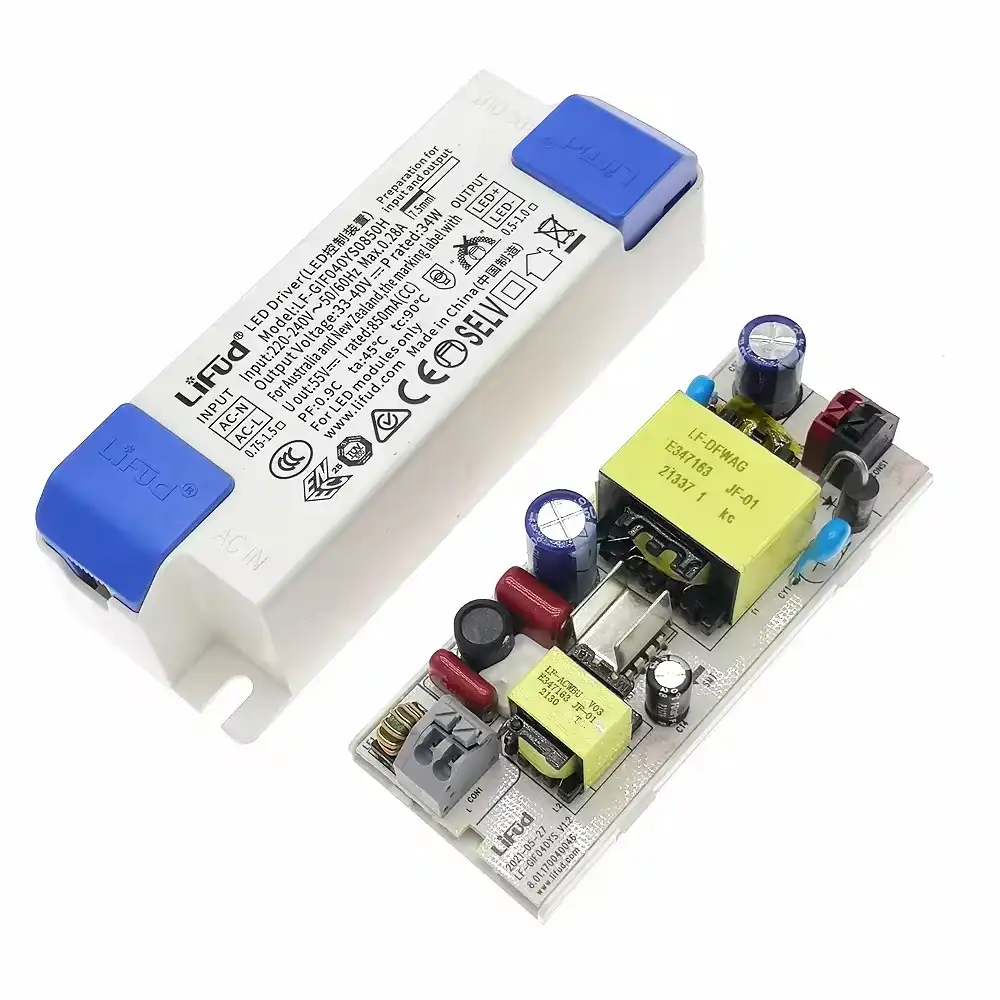
LED drivers control the flow of electricity so that the brightness stays the same and parts don't get damaged. There are two main types of drivers we see: constant voltage drivers that keep the output voltage stable (12V or 24V) for parallel LED strip setups, and constant current drivers that keep the amperage stable for series-connected uses. Knowing these differences helps buying teams choose the right tools for a wide range of project needs.
Overload safety, short-circuit security, and thermal control are all built into good drivers. These protections make systems last a lot longer, which means they don't need to be replaced as often in hard-to-reach places. When we buy drivers from well-known companies, we get access to goods that have been used successfully in harsh business settings.
Wattage and Voltage Matching
Accurately calculating watts keeps things from being underpowered or overpowered. To get the total wattage, we increase the length of the strip by the amount of power used per meter and then add 20% as a safety buffer. A 10-meter strip that uses 14.4W per meter needs a driver that can handle at least 173W (10 x 14.4 x 1.2 = 172.8W). This buffer handles drops in power and keeps things running smoothly.
Matching the voltage between the driver output and the strip's needs stops flashing and failure before it's time. When specs don't match, it leads to uneven lighting and shorter component life, which means expensive repair cycles in big business setups.
Challenges in Hiding LED Strip Light Power Supplies
Physical Dimensions and Space Constraints
Commercial strips with a high output often have drivers that are 200 mm x 60 mm x 40 mm or bigger, which can be a problem in small building areas. It's harder to add hidden LED power supply to old buildings that don't have enough depth in their wall cavities, roof gaps, or millwork. On some projects, over-sized drives meant that design changes had to be made in the middle of installation, which caused delays and cost overruns.
Industrial drivers with metal cases weigh between 0.8 kg and 2.5 kg, depending on the power. They need to be mounted securely so that they can handle both weight and pressure. When mounting something on a hanging roof, where structural support may be limited, mounting issues become very important.
Heat Dissipation Requirements
When drivers are working, they produce a lot of heat. The surface of high-wattage types can get hotter than 70°C. Not enough air flow speeds up the breakdown of parts and causes thermal protection to shut down. In some cases, systems that were sealed off from airflow led to driver failures in just 18 months, when the estimated lifespan is 50,000 hours.
Strategies for concealment must strike a balance between the need to look good and the need to keep heat in. Enclosures that are sealed and don't have any ventilation holes can trap heat, and enclosures that have too many ventilation holes can subject drivers to dust and wetness, especially in industrial settings.
Accessibility for Maintenance
Access to services is an important but often forgotten factor. When problems happen, drivers that are hidden behind fixed fixtures or sealed inside walls can't be reached. The installation teams have to decide whether to completely hide the equipment or make it useful. It's our suggestion that you make removable entry screens that look good and let technicians get in within 15 minutes.
Warranty claims often need to be inspected or replaced in person, so easy entry is important for keeping investments safe. So that maker warranties don't get voided, procurement teams should define ways to hide things that don't stop proper installation verification.
Practical Principles and Strategies to Hide LED Strip Light Power Supplies
Size-Optimized Driver Selection
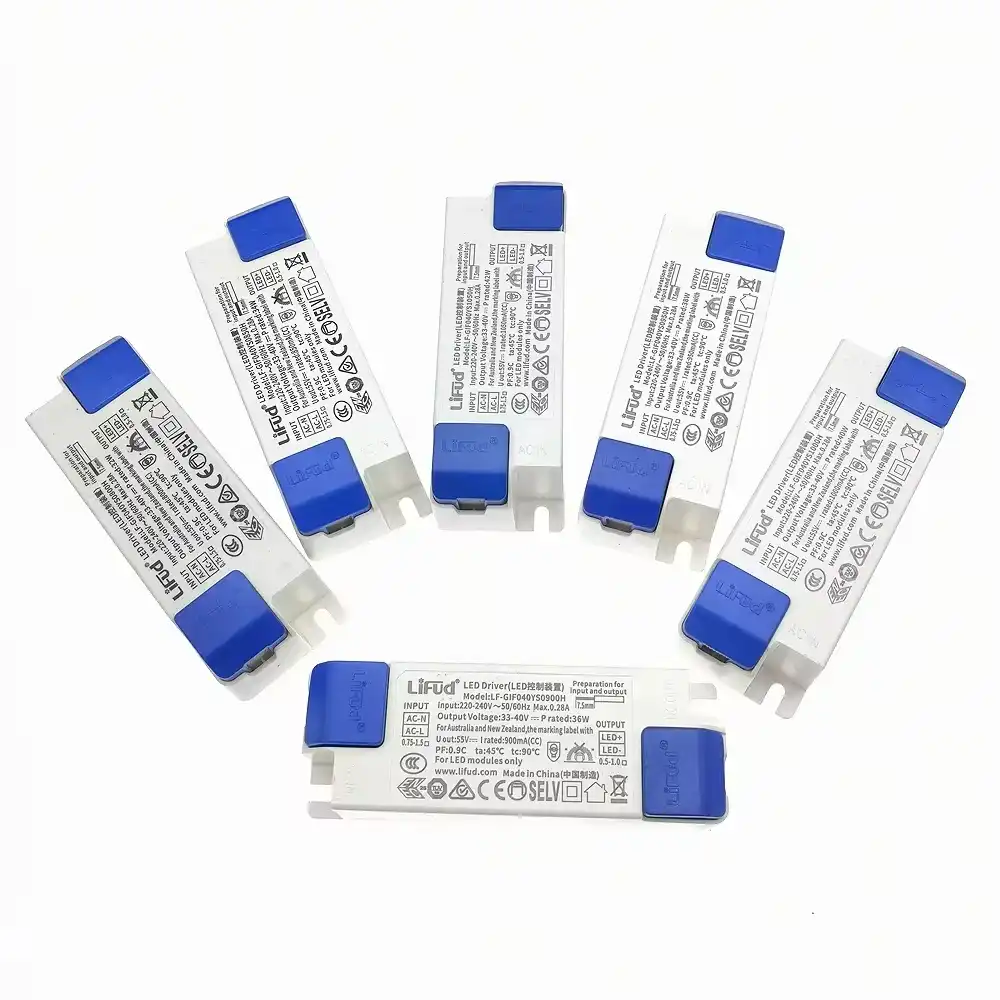
The goal of compact driver designs is to have smaller footprints without losing efficiency. Slim types that are 150mm x 50mm x 30mm can output up to 150W and can fit into normal wall holes and narrow architectural recesses. Retrofit problems can be avoided by choosing the right-sized drivers when they are being bought. Instead of a single big supply, modular driver systems let a number of smaller units be sent out. This method works well for setups where placing everything in one place isn't possible. It spreads the heat load and makes it easier to hide things across the project area.
Strategic Placement Locations
Drivers are hidden behind building features like crown molding, baseboards, or chair rails. They keep air flow going through gaps that form naturally. We put units on their sides so that air can flow freely across the heat sinks. This improves thermal performance by about 15% compared to placing them vertically.
Putting up a false ceiling over drop tiles is a great way to hide things and make upkeep easy. This method works especially well in places like business offices, stores, and hotels where roof systems are already in place. By attaching drivers to structural parts above the drop ceiling, you can keep entry open while making the system stable.
It's easy to integrate into high-end setups when it's inside handmade millwork or furniture cavities. Cabinets with ventilated sections hide drivers fully while still letting air flow through. We use magnetic access doors or panels that can be taken off and put back on that match the finishes around them.
Enclosure Solutions
Ventilated shelters protect and control temperature at the same time. Perforated metal or plastic housings with louvered surfaces keep drivers safe from physical damage and environmental contaminants while letting heat escape. Enclosures that are UL-listed make sure that they follow electrical safety rules, which is important for business insurance and inspection needs.
Here are the main reasons why good fences are important:
- Code Compliance: Enclosures that are listed meet the standards of National Electrical Code (NEC) Article 410 for installing luminaires. This pleases inspection authorities and limits the risk of responsibility.
- Environmental Protection: IP-rated housings (IP44 to IP65) keep cars safe from dust and water in tough places like restaurants, factories, and semi-outdoor uses.
- Acoustic Dampening: Enclosures lined with foam block generator hum in quiet places like boutique hotels, high-end stores, or home projects where noise levels are too low.
These benefits make construction easier while meeting safety standards and aesthetic standards for a wide range of project types.
Cable Management Integration
Keeping the visual appearance clean is possible by routing input and output wires through hidden paths. To hide the wires that connect drivers, strips, and LED power supply, we use building chases, pipe systems, or wire channels. Managing cables correctly also makes debugging easier by making wiring plans that are organized and easy to follow.
Low-voltage DC wire between drivers and LED strips lets you route them in more ways than AC power lines, which need to be run through conduit and follow electrical codes. This gives you a lot of freedom to hide things in creative ways, like by routing through hollow structure parts or behind finish materials.
Optimizing Procurement of LED Power Supplies for Hidden Installations
Brand Selection and Quality Assurance
Manufacturers with a good reputation provide detailed technical information, such as dimensional sketches, thermal derating curves, and installation instructions that help with planning the hiding. For electromagnetic compatibility (EMC), well-known brands put their products through a lot of tests to make sure they won't mess up other building systems or break FCC rules.
A warranty that lasts for five to seven years shows that the maker is confident in the durability of the part. When installing something hidden, where replacing it would take a lot of work, extended guarantees are especially helpful. We give more weight to providers who offer advance replacement programs that keep projects running as smoothly as possible during guarantee claims.
Specification Comparison
Real cost efficiency can be seen when you look at causes other than the initial buying price. We figure out the total cost of ownership by looking at how much energy it uses, how long it's expected to last, and how much upkeep it needs. A 92% efficient driver uses 8% less energy than an 85% efficient option. At $0.12/kWh business rates, this saves about $45 per 100W load per year, or $315 over seven years.
Power factor correction (PFC) above 0.95 lowers reactive power losses and may be eligible for utility rebates in some places. When the load changes, active PFC systems keep their efficiency. This is important for dimming uses where the driver output changes from 10% to 100%.
Supplier Reliability and Support
For business projects that need to buy in bulk, suppliers must have stable inventory levels and wait times that can be predicted. We check to see if the seller can deliver 500 or more units on time for the job, especially if the installation is spread out over several quarters. Suppliers with vendor-managed inventory (VMI) systems make it easier to buy things that are needed for ongoing repair and growth.
The availability of technical help affects how quickly problems are fixed when they come up during installation. Suppliers who offer application experts to help with thermal estimates, installation suggestions, and questions about code compliance add a lot of value on top of offering the product. Support teams that are quick to respond fix problems in the field before they affect project plans.
Maintenance and Long-Term Considerations for Hidden LED Power Supplies
Designing for Service Access
Placement of removable access panels at driver areas allows for regular inspections without having to tear down the structure. Maintenance teams can quickly check connections, confirm temperature readings, and repair broken parts with magnetic or tool-free bolt systems. We make sure that entry holes are at least 150 mm x 150 mm so that hand tools and driver removal can fit.
As-built plans and driver location maps are part of documentation systems that help repair teams find hidden parts years after they were installed. Digital records with photos of the paperwork are especially helpful for big sites that are in charge of hundreds of LED power supply circuits spread out over many buildings.
Temperature Monitoring Strategies
Drivers that work in temperatures below 60°C have rated lifespans, while drivers that work in temperatures above 75°C experience faster aging. Monitoring the temperature of concealed systems during setup is a good way to make sure they have enough air flow. We use infrared thermography to find hot spots that need better air flow before they can be used for a long time.
Maintenance times are directly affected by thermal control. Properly aired drivers in 25°C environments can last for 60,000 hours or more, but units that aren't cooled properly in 45°C environments may break after only 30,000 hours. This difference equals 6.8 years compared to 3.4 years of 12-hour daily operation, which means that repair rounds are basically doubled.
Warranty Protection and Claims
When you register goods with the maker within 30 days of installation, the warranty coverage is increased and the claims process is sped up. We keep records of purchases, installation dates, and serial numbers in one place so that property management teams can reach them when they need to do future work.
Knowing what the guarantee doesn't cover keeps claims from being denied. Most makers won't cover systems that go over the maximum temperature rating, don't have the right power source, or have been changed without permission. Making sure that installations follow the instructions in the datasheet keeps the guarantee good for the whole coverage term.
Conclusion
To hide power sources well, you have to find a balance between how it looks and how it works in terms of temperature control, serviceability, and code compliance. Strategic placement in ventilated shelters, behind architectural features, or in easily available sections keeps the look clean and ensures reliable operation. When making purchasing choices, putting an emphasis on quality names, the right specifications, and the ability of suppliers to provide support sets the stage for long-term project success. Planning entry for maintenance during the planning phase saves investments and makes it easier to meet future service needs for business and industrial lighting systems.
FAQ
Can I use outdoor-rated waterproof drivers indoors for hidden installations?
Outdoor drives with an IP67 rating work properly in indoor settings and provide better protection against dust and small amounts of moisture. They usually cost 30–40% more than indoor IP20 models, though, and don't offer any extra benefits in climate-controlled spaces. We suggest IP44-rated drivers for hidden installations indoors because they offer enough security at a lower cost, unless the situation calls for higher ratings.
What's the practical difference between constant voltage and constant current drivers for strip lights?
Constant voltage drivers keep the output voltage (12V or 24V) constant, no matter what the load is. They can be used with parallel LED strips, where more than one strip is connected to a single driver. Models with constant current accurately control amperage, making them perfect for series links where all LEDs need the same amount of current. Most industrial strip lighting uses constant voltage drivers because they are easy to install and can handle different lengths of strip lighting.
How do I calculate the right wattage for multiple LED strips on one driver?
Find the total length of the strip in meters, increase it by the wattage used per meter (which is usually written on the box of the strip), and then add 20% to account for capacity. Three 5-meter strips rated at 12W each are needed for the project, which means the minimum driver needs to be 216W. This buffer handles power drops, stops overloads, and lets the system grow in the future without having to change the driver.
Partner with USKYLED for Your Commercial LED Power Supply Needs
USKYLED offers complete LED lighting options backed by solid product quality and tech know-how. Our selection includes high-quality LED drivers that are intended to be hidden in business setups. They have small sizes, good thermal management, and longer warranty coverage. We give customized suggestions to sourcing managers, project engineers, and site leaders all over North America that are based on the needs of their projects. You can email our technical team at sales@uskyled.com to talk about LED power supply specs, bulk prices for contractors, or custom OEM solutions.
References
1. National Electrical Manufacturers Association. (2021). LED Driver and Power Supply Application Guidelines for Commercial Installations. NEMA Standards Publication LSD 67.
2. Illuminating Engineering Society. (2020). Recommended Practices for LED System Installation and Thermal Management. IES TM-21-20.
3. Department of Energy. (2022). Energy Efficiency Standards for LED Drivers and Power Supplies. Federal Register Vol. 87, No. 43.
4. International Electrotechnical Commission. (2019). Control Gear for LED Modules—Performance Requirements. IEC 61347-2-13:2019.
5. Building Services Research and Information Association. (2021). Concealed Electrical Components in Commercial Buildings: Maintenance Access Design Guide. BSRIA Technical Note TN 18/2021.
6. Underwriters Laboratories. (2020). Standard for Safety for LED Equipment for Use in Lighting Products. UL 8750 3rd Edition.

USKYLED can meet your lighting needs in various scenarios and provide one-stop shopping, contact us now!
Why You Should Choose USKYLED?
![What is Dimmable Track Lighting for Museum: Best Guide [2025]](/icms/upload/0d08cc601e7611f0b542b3ca0c0f4a83/pic/knowledgemanager-knowledgepic/e7879f32605f11f081911f363b8c1ed0/Directory/20250717 dimmable track lighting -1(1)_1752739217941.webp)