What is the best type of light for stairs?
Step Lights represent the optimal choice for stair illumination, combining safety functionality with energy efficiency. LED step lights specifically excel in commercial applications, offering superior brightness control, extended operational lifespan, and reduced maintenance requirements. These specialized fixtures provide targeted illumination for each step, minimizing accident risks while maintaining aesthetic appeal. Modern step lights integrate seamlessly with building management systems, supporting motion sensors and dimming capabilities that enhance both security and energy conservation across diverse commercial environments.
Understanding the Basics of Step Lights
Having the right lighting on stairs is very important for safety in both public and private places, as poorly lit stairs cause thousands of avoidable accidents every year. According to studies done by the National Safety Council, slip-and-fall accidents can be cut by up to 40% when stairs are lit properly. In addition to simple visibility, the main purpose includes helping people find their way, improving the architecture, and providing emergency exit support during power outages.
Core Functions and Safety Benefits
Today's building designs need step lights to do a lot of different things. These lights make sure that each tread is always lit up, so there are no dangerous shadows like there are with regular ceiling lighting. The directed light spread makes it easy to see both during the day and at night, helping people who have different levels of vision stay safe while they navigate.
Step lighting systems that work with building control platforms are especially helpful for businesses. Motion-activated step lights save energy and provide quick lighting when needed, which cuts costs by 30 to 50 percent compared to options that stay lit all the time. Advanced sensor technology lets you change the activation zones, which gives you exact control over lighting routines that make the user experience better.
Types of Step Lights for Commercial Applications
Different step light technologies are used in modern business projects. Each has its own benefits for certain installation situations. When compared to standard incandescent lights, which produce 10-15 lumens per watt, LED step lights produce 80–100 lumens per watt, making them the market leader. Over the fixture's 50,000-hour operating lifetime, this efficiency will save a lot of money.
Outdoor lighting that is driven by the sun is more environmentally friendly than traditional lighting because it doesn't need wires and still works well. High-capacity lithium batteries in these systems make sure they work continuously for 8 to 12 hours after a full charge cycle. The weatherproof design meets IP65 standards, which keep the interior parts safe from dust and water.
Low voltage step lights work with 12V or 24V systems, which makes installation safer and lowers the cost of the electrical infrastructure. These fixtures are easy to connect to centralized control systems, which lets big business installations work together in sync. High voltage choices are still good for industrial uses that need the brightest lights possible, usually putting out 200 lumens or more per bulb.
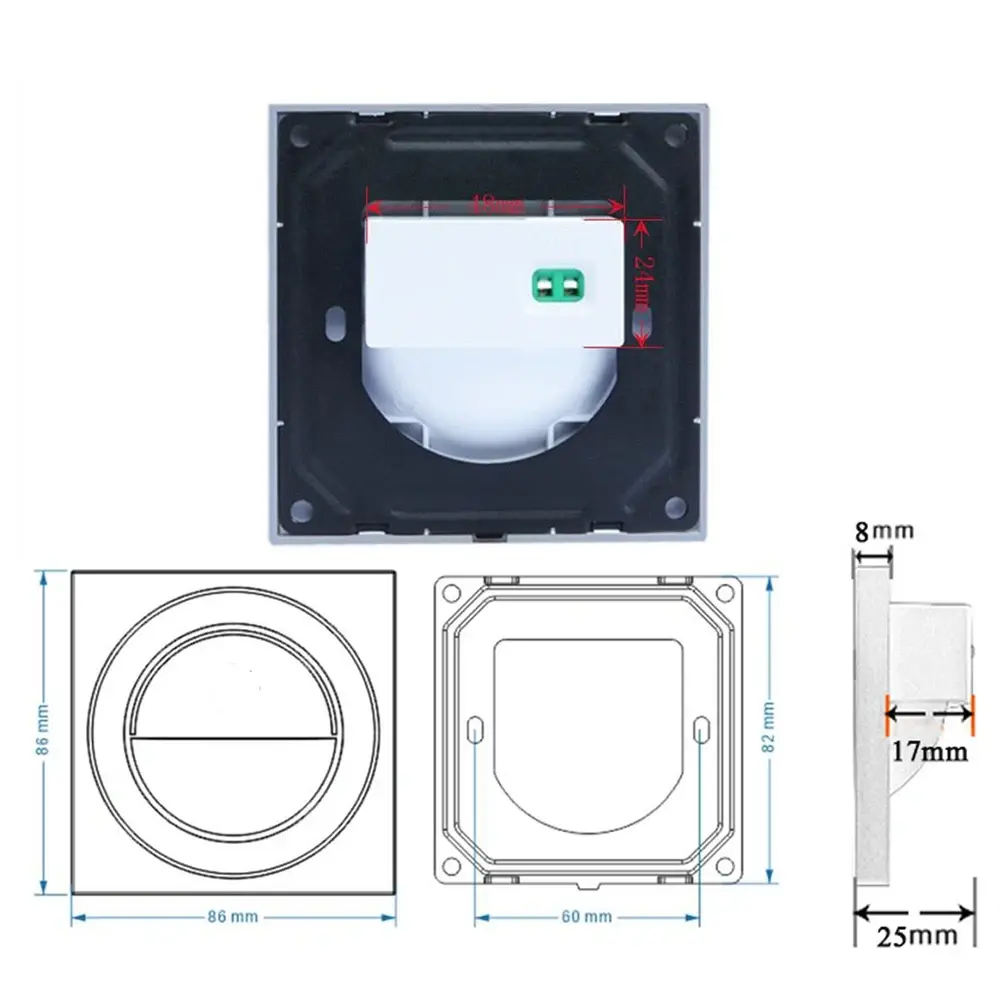
Comparison of Popular Stair Lighting Solutions
There are different types of stair lighting systems on the market for business use, and each has its own performance and cost issues. When procurement workers understand these differences, they can choose the best options that balance the original cost with the long-term benefits for operations.
LED Step Lights vs. Solar Alternatives
When LED step lights are tied to a building's electricity systems, they work the same way no matter what the weather or season is. These fixtures give off the same amount of light throughout their entire life, unlike solar options that might not work as well when it's dark or when there isn't much sun in the winter.
Solar step lights don't need to be charged with electricity, and they also help with environmental efforts that many businesses value. However, installation choices are limited to areas that get enough sunlight, which could make it hard to choose where to put something in closed or shady stairways. Having to change the batteries every three to five years adds to the care that grid-connected LED systems don't have to do.
A study of their performance shows that LED step lights are more reliable than other types of lights, keeping 90% of their original light power after 50,000 hours of use. Solar options usually keep working at 80% after 25,000 hours, so they need to be replaced more often. For repair projects, solar choices are better because they are easier to install. On the other hand, integrated LED systems with centralized control are better for new construction.
Step Lights vs. Strip Lighting Configurations
In architectural settings, strip lighting makes things look better by providing continuous light lines that cover a wider area along the sides of stairs. But focused light sources, like step lights, are better at controlling glare because they direct light downward to reduce eye strain while still making steps visible.
When comparing energy use, step lights usually come out on top because they provide specific lighting and use 60% less power than similar strip lighting systems. Individual step light bulbs make maintenance easier because they can be replaced one at a time without affecting whole lighting runs. When a piece of a strip lighting system breaks, the whole system has to be replaced. This raises the cost of both materials and work.
The ways to change the brightness are very different between these methods. Step lights let you handle each fixture individually, so you can create dynamic lighting scenes that change based on occupancy or time of day needs. Most strip lighting systems work as a single zone, which makes them less useful for complicated business lighting plans that need different levels of light.
Critical Technical Specifications
When making purchasing choices, lumen output needs must be taken into account based on the installation surroundings. Commercial step lights that are used indoors usually need 50 to 100 lumens per bulb. For outdoor use, they may need 100 to 200 lumens to get rid of confusion from other lights. Choosing the right color temperature affects both how safe you think it is and how it looks. The 3000K–4000K range is best for finding the right mix between warmth and clarity.
When projects are outside, waterproofing standards are very important. IP65 grades protect against wind-driven rain and debris buildup. Different makers have different abilities when it comes to integrating motion sensors. More advanced systems have features like daylight sensing, timing controls, and customizable sensitivity that make operations more efficient.
How to Select the Best Step Lights for Staircases?
To choose the right step lights for a job, you need to carefully consider the needs of the project, the surroundings, and your long-term operating goals. Professionals in commercial procurement have to weigh the original costs against the long-term benefits while also making sure that safety rules and accessibility standards are followed.
Assessment Framework for Commercial Projects
The first step in evaluating a project is to do a full site study. This includes making notes on the current electrical infrastructure, the environmental exposure conditions, and the expected usage trends. The step width and riser height of stairs affect where fixtures need to be placed and how far apart they need to be, which has effects on both safety and appearance.
Safety code compliance is a must; OSHA rules say that business stairways must have a minimum of 5 foot-candles of light throughout. Local building codes may have extra rules, especially for emergency exit lights that need to keep working when the power goes out. The ADA's standards for mobility also affect the height of the system and the controls for glare.
Corporate sustainability programs often set goals for energy savings that push technology choices toward LED step lights with advanced control features. ENERGY STAR certification gives clear proof of performance, and utility rebate programs may help cover the original costs of buying qualified goods.
Installation Scenario Considerations
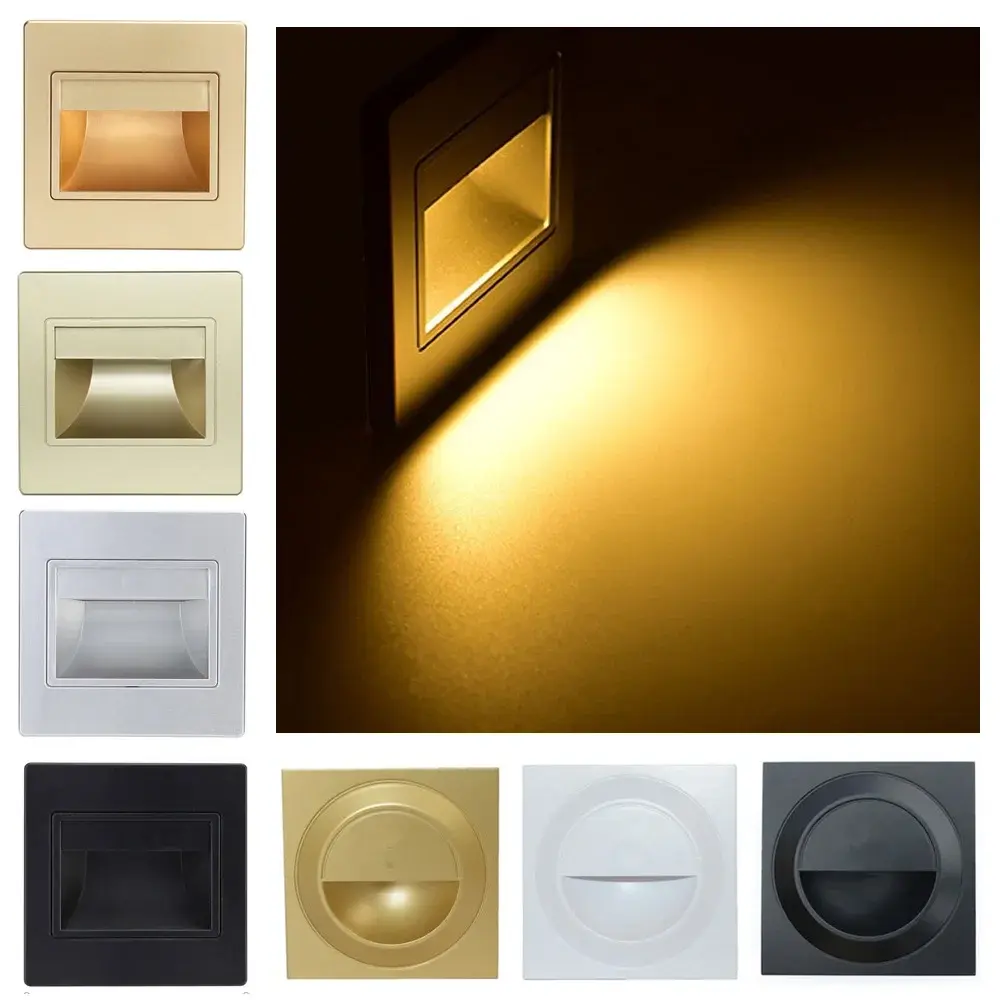
When used indoors, business uses put an emphasis on blending in with existing building elements. This means that fixtures need to match design themes and provide enough light. Surface-mounted step lights are easier to maintain in areas with a lot of foot traffic, while recessed step lights have clean fitting features that make them less noticeable.
Outdoor projects have extra problems, like being exposed to the weather, changing temperatures, and the chance of theft. Marine-grade materials and building that can withstand pressure are now required. For example, a metal housing and tempered glass components will last longer than plastic ones.
Voltage compatibility affects both how hard it is to install and how safe it is to use afterward. Low voltage systems reduce electrical hazards during maintenance while enabling distributed control architectures. High voltage installations may require licensed electrical contractors, which would raise the cost of the job but meet higher brightness needs.
Supplier Partnership Evaluation
Having good ties with suppliers is important for all stages of a project, from writing the original specifications to doing long-term maintenance. Established makers provide detailed technical information, such as photometric data, installation guides, and compatibility grids, that help customers make smart choices.
Warranty coverage varies a lot from one seller to the next. High-end makers offer 5–10 year promises that show they are confident in the quality of their products. After-sales support, such as the ability to get replacement parts and expert help, is becoming more and more important for big business installations that need to work reliably for long periods of time.
Installation and Maintenance Best Practices for Step Lights
Professional placement makes sure that step lights work well and last a long time, and that safety rules are followed throughout the lifecycle of the job. Planning ahead, using good materials, and following set maintenance procedures will protect the value of an investment and keep operations running smoothly.
Pre-Installation Planning and Material Selection
For installations to go well, specific electrical load estimates must be done that take into account the number of fixtures, how much power each one uses, and the needs of the control system. The ability of the circuit must be able to handle possible growth while still leaving enough room for error. When choosing a wire diameter, it's important to follow the NEC standards and keep in mind that voltage drop limits for long installation runs.
When installing recessed step lights, it's important to make sure the foundation is ready because the cutouts need to be exact and the structure needs to be strong. Properly installing gaskets and applying sealants are examples of waterproofing methods that keep water out. When connecting electrical parts, they must use approved joining methods and the right wire nuts or terminal blocks that are rated for the installation setting.
Having good assembly tools makes the job go more quickly and better. Professional electricians use special hole saws, fish tape systems, and digital multimeters to make sure that the work is done correctly and that the circuit is working properly. Photometric testing equipment makes sure that the building has the right amount of light and that it is evenly lit.
Routine Maintenance Protocols
Schedules for preventative repair make fixtures last longer and keep them working at their best. Visual checks done once a month look for problems like loose connections, water getting in, or physical damage that could affect safety or functioning. Compared to older technologies, LED step lights don't need as much upkeep. However, regular checks keep small problems from turning into expensive fails.
Cleaning methods depend on where the fixtures are installed. For example, soft brushes or compressed air are needed to remove dust from indoor fixtures on a regular basis. Dirt, leaves, or salt residue can build up on outdoor installations and make them less efficient at sending light and heat away. Mild detergents and soft cloths can be used to return visual clarity without hurting the finishes on the fixtures.
Building management tools that track performance makes it possible to plan preventative maintenance based on real working hours instead of calendar dates. Smart lights give you troubleshooting information, like how quickly LEDs break down, how well the driver is working, and how well the thermal management is working.
Professional Installation Benefits
Licensed electrical workers bring specialized knowledge that makes sure that building codes are followed and systems work at their best. Professional installation usually includes thorough testing, writing down the features of the circuit, and guarantee proof that guards against future problems.
Professional help is especially helpful for setups that are complicated and have a lot of control zones, sensors that need to be integrated, or emergency backup systems. Contractors stay up to date on changes to safety rules, installation methods, and standards for compatibility that can affect the success of a job.
After-sales support from trained installers is always useful because they can help with problems, suggest upgrades, and teach building staff how to do upkeep. These partnerships usually last longer than the original installation. They help facility managers reach their goals by providing quick service and expert advice.
Leading Manufacturers and Procurement Strategies
There are both well-known companies with track records in the business step lighting market and new companies that are bringing in new technologies. By learning about a supplier's skills, product certifications, and purchasing methods, you can make the best choices about where to buy things that meet your quality, cost, and delivery needs.
Established Industry Leaders
Philips Lighting stays ahead of the competition in the lighting market by offering a wide range of products, from simple floor lights to high-tech connected systems. Their commercial-grade lights have high-efficiency LED panels, advanced thermal management, and flexible design concepts that let customers make changes as needed. Philips goods always meet strict certification requirements, such as those set by the UL, the ENERGY STAR program, and the DesignLights Consortium.
GE Lighting offers both standard dependability and new smart lighting technologies that work with platforms for building control. Their step lights have clever motor designs that let you dim them from 0 to 10V, use them as backup power in case of an emergency, and control them wirelessly. GE's large distribution network makes sure that customers in North America can get products and expert help.
It is Osram's specialty to make precise optics and heat engineering that improve LED performance and make them last longer. Their industrial step lights have unique lens designs that make the best use of light while reducing glare. Osram's focus on sustainability includes recyclable materials and carbon-neutral manufacturing processes that support corporate environmental goals.
Emerging Technology Suppliers
Specialized companies like USKYLED only make LED technologies and come up with new ways to meet the wants of the market. These businesses usually offer better customization options, which lets OEMs work together and make big purchases that fit the needs of each project. New sellers often have reasonable pricing and make sure they keep quality standards high by testing and certifying their products in strict ways.
When you work directly with a maker, you avoid the markups that distributors add on top of the price, and you can get engineering help and special development capabilities. Many new suppliers use flexible production methods that allow for quick creation of prototypes and shorter delivery times compared to bigger companies with more complicated approval chains.
Strategic Procurement Approaches
Bulk buying deals use promises to buy in large amounts to get the best prices and secure the most production capacity. Usually, these deals include good payment terms, dedicated expert help, and services that let you customize the product, which raise the value of the project. If you buy more than 500 to 1000 lights, you can get volume savings of 15 to 30 percent.
When a wholesaler or contractor works with an OEM, they can set up private labeling agreements that help their branding strategies. As part of these partnerships, partners often get exclusive rights to certain areas, help with marketing, and professional training programs that set their products apart in competitive markets.
When you buy something from another country, you need to think about things like getting the right certifications, how to ship it, and how well the company can handle guarantee service. Established sellers keep service centers in North America that offer local help while taking advantage of the economies of scale in production around the world.
Conclusion
Step lights are the best way to light up stairs in all kinds of settings, including businesses, homes, and factories. LED technology leads the market because it uses less energy, lasts longer, and needs less upkeep, all of which provide a strong return on investment. To make the right choice, you need to carefully look at things like safety standards, the surroundings, and the ability to integrate with project goals.
Professional planning, high-quality materials, and regular care plans that protect the worth of the investment and make sure it works at its best are needed for installations to go well. Strategic relationships with suppliers give you access to new technologies, low prices, and a wide range of support services that improve the results of your buying.
FAQ
How much energy can I save by upgrading to LED step lights?
LED step lights typically consume 75–85% less energy than standard incandescent ones, but they give off more light. Depending on local utility rates and working plans, a business system with 50 step lights can save $800 to $1,200 a year in energy costs. The payback time is generally between 18 and 36 months, just from saving money on energy.
Can step lights integrate with motion sensors?
Motion sensors can be easily added to modern step lights using a variety of control methods, such as low-voltage wires, wireless protocols, and building automation systems. Motion detection cuts energy use by 40–60% and improves security by turning on lights automatically. Most sensors have settings that let you change their sensitivity and timing to get the best results in different situations.
What are typical lead times for bulk step light orders?
Standard LED step lights from well-known brands usually ship in two to four weeks for orders of less than 1,000 pieces. Custom configurations or big orders may take 6 to 8 weeks, based on how complicated the specifications are and how busy the factory is. International shipping takes an extra one to two weeks, and for urgent jobs, you can pay extra for faster delivery choices.
Partner with USKYLED for Premium Step Light Solutions
USKYLED sells state-of-the-art step lights for business and industrial use that offer great performance at a reasonable price. Our cutting-edge LED technology has 90+ CRI scores, doesn't flicker, and works with smart controls better than the industry standard. We are experts at tailored OEM solutions and large purchasing plans that help contractors and distributors succeed. Get in touch with our purchasing experts at sales@uskyled.com to talk about your step light needs and find out how our creative solutions can help your project succeed while cutting costs.
References
1. National Safety Council. "Workplace Injury Statistics and Prevention Strategies for Commercial Buildings." Safety Research Institute, 2023.
2. Johnson, Michael R. "LED Technology Advances in Commercial Lighting Applications." Journal of Architectural Engineering, Vol. 29, No. 3, 2023.
3. Building Performance Institute. "Energy Efficiency Standards for Commercial Lighting Systems." Technical Publication Series, 2023.
4. Thompson, Sarah L. "Smart Lighting Integration in Modern Building Management." Facilities Management Quarterly, Issue 47, 2023.
5. International Association of Lighting Designers. "Best Practices for Stair and Egress Lighting Design." Professional Guidelines Publication, 2023.
6. Chen, David and Williams, Jennifer. "Comparative Analysis of LED vs. Traditional Lighting Technologies." Energy Engineering Review, Vol. 15, No. 2, 2023.

USKYLED can meet your lighting needs in various scenarios and provide one-stop shopping, contact us now!
Why You Should Choose USKYLED?
![What is Dimmable Track Lighting for Museum: Best Guide [2025]](/icms/upload/0d08cc601e7611f0b542b3ca0c0f4a83/pic/knowledgemanager-knowledgepic/e7879f32605f11f081911f363b8c1ed0/Directory/20250717 dimmable track lighting -1(1)_1752739217941.webp)