What to Look for When Buying Landscape Lighting
When purchasing landscape lighting for commercial applications, procurement professionals must evaluate critical factors including energy efficiency, durability standards, installation complexity, and long-term maintenance requirements. Quality outdoor illumination systems enhance property security, aesthetic appeal, and operational functionality while delivering measurable return on investment through reduced energy consumption and extended service life compared to conventional lighting technologies.
Understanding Landscape Lighting: Definition and Benefits
When buying landscape lighting for business use, procurement workers need to think about important things like how much energy it uses, how long it lasts, how hard it is to install, and how much maintenance it needs over time. Compared to older lighting technologies, good outdoor lighting systems give a good return on investment because they use less energy and last longer. They also make the property safer, look better, and be more helpful.
Enhanced Security and Safety Features
Commercial outdoor lighting systems are very important for security because they get rid of dark spots and shadows around businesses. When lighting is done right, slip-and-fall accidents are less likely to get you in trouble with the law, and people can't get into sensitive places without permission. Professional fixtures give off even amounts of light, which makes it easier to see around a site at night and makes CCTV tracking better.
Energy Efficiency and Cost Reduction
Modern Landscape lighting systems save significant energy compared to traditional gas or metal halide setups. High-efficiency LEDs consume 70–80% less power while delivering brighter, more uniform illumination. With lifespans often exceeding 50,000 hours, these systems reduce replacement frequency and maintenance costs, offering long-term savings and reliable performance for residential and commercial outdoor spaces.
Brand Image and Property Value Enhancement
When used strategically, outdoor lights can make a business look better and boost its professional image. Walls, signs, and greenery that are well lit up make places feel nice and inviting, which brings in customers and clients. When you put this much money into good lighting systems, your home generally goes up in value and you get a better spot in business areas that are very competitive.

Core Criteria for Selecting Landscape Lighting: A Criteria Screening Approach
To do a full study of outdoor lighting choices, you need to think about what the project needs and how well it needs to work. Procurement teams need to come up with clear selection criteria that take into account both the original costs of the investment and the long-term benefits for operations. They also need to make sure that the new equipment will work with current systems and with plans for future growth.
Durability and Weather Resistance Standards
Commercial outdoor lights need to be able to handle rough conditions like temperature changes, getting wet, and being hit by things. IK08 to IK10 ratings for impact resistance keep the device safe from theft and damage that happens by mistake. IP65 or IP67 ratings for flood protection make sure that the device works well even when it's wet. Die-cast metal housings of higher quality that are coated to stop corrosion last longer in tough outdoor situations.
Performance Specifications and Light Quality
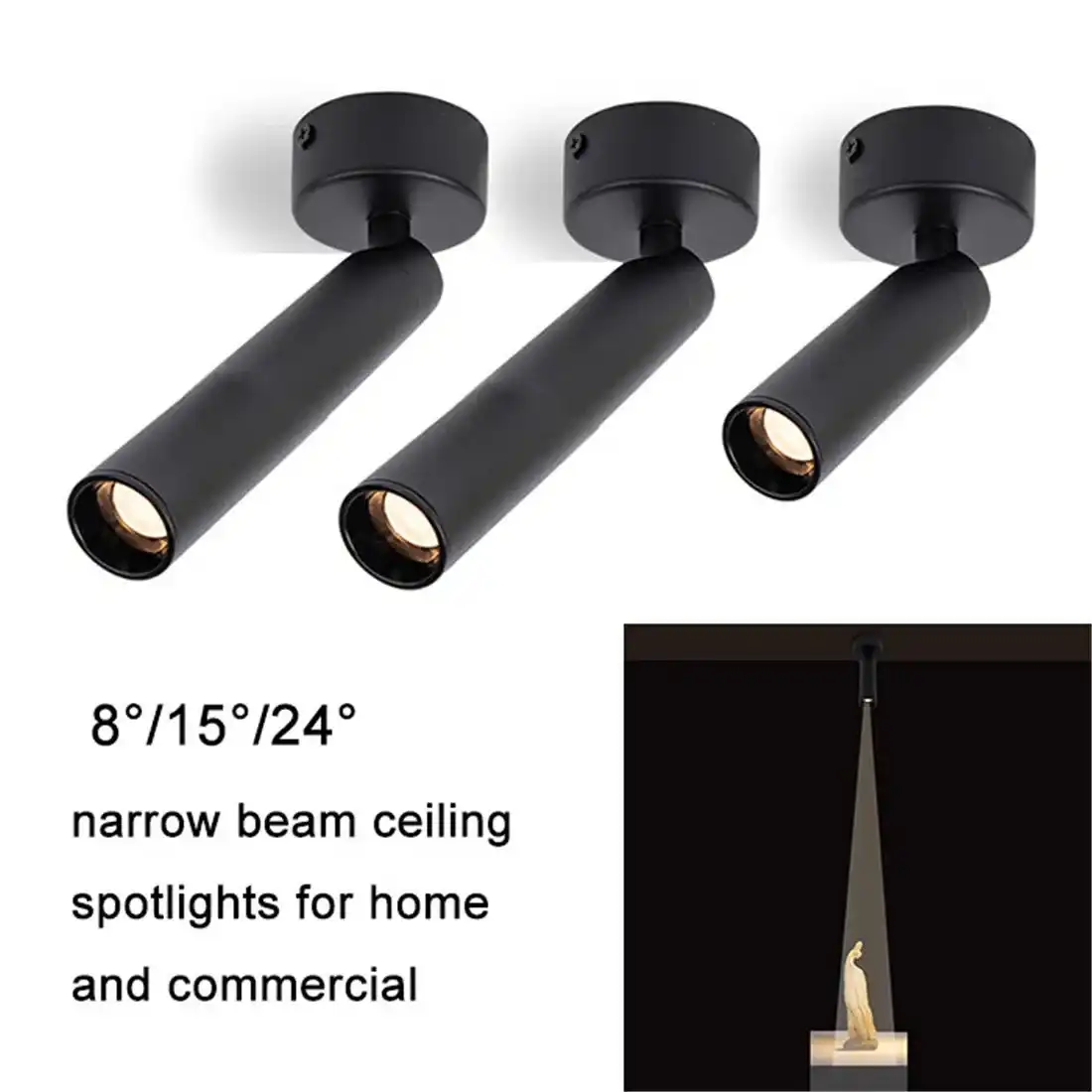
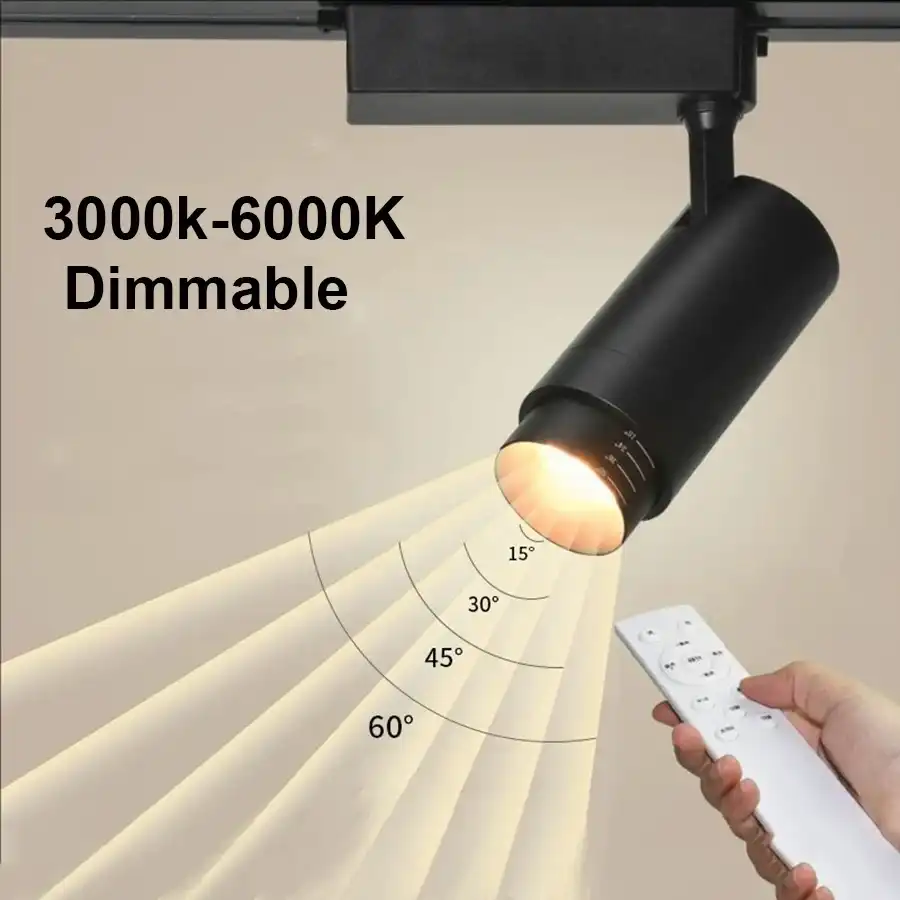
Color rendering index (CRI), beam spread traits, and luminous efficiency (measured in lumens per watt) are some important ways to measure performance. For professional uses, you usually need fixtures with CRI values above 80 and 130 brightness per watt or more to get correct color reproduction. A small spot (15° to 30°) can be used to draw attention to an area, while a wide flash (90° to 120°) can light up the whole room.
Smart Controls and Integration Capabilities
These days' lighting systems have smart features that let them run on their own, dim automatically, and be watched from away. 0-10V dimming, photocell sensors that work from dusk to dawn, and wifi connections that let you handle everything from one place all work together. These features make the best use of energy while giving operators a lot of options for different business uses.
Comparing Landscape Lighting Solutions: Rational Choice Approach
A study of the market shows that each type of lighting technology has clear pros and cons. For instance, LED systems always work better than standard ones. When you know about these changes in technology, you can make smart purchases that raise the project's value and make it run more smoothly.
LED Versus Traditional Lighting Technologies
LED outdoor lights are better than halogen and metal halide systems in many ways. For example, they can turn on right away, make very little heat, and last a very long time. Led lights may cost more at first, but they usually end up being cheaper over time because they use less power and don't need as much upkeep. A good LED system still makes 70% of the lumens it did at first after more than 50,000 hours of use.
Low Voltage Versus Line Voltage Systems
Maintenance and construction of low voltage (12V-24V) systems are safer, and the trenches that have to be dug to meet standards are not as deep. For home and small business use, these systems work well, but they need transformers, which might make it hard to run lines of long lengths. For big business projects, line voltage systems (120V–277V) are better because they can handle longer wire runs and more power.
Solar Integration and Hybrid Solutions
Setting up solar-powered landscape lighting is simple, and it doesn't need to be hooked up to the power grid in order to work. But how well it works will depend on where you live, the time of year when there is sunlight, and the battery size. In a mixed system, solar panels and the power grid work together to make sure the system works regularly. This also makes the system less dependent on outside energy sources and lowers its costs.

Installation and Maintenance Insights: Ensuring Long-Term Performance
To put outdoor lighting in the right place, you need to pay close attention to the best ways to install it and keep it in good shape. When installed by a professional, the system works better and is less likely to have problems that make it less safe and effective.
Professional Design and Layout Considerations
Before making any lighting plans, it's important to do a full site study. This includes finding out how much electricity is needed, making an optical model, and checking that the plan follows all local rules. Planners use special tools to put lights in the best places, cut down on light pollution, and make sure the light is spread out properly. With the right connection size and surge safety, you can avoid voltage drops and damage to your electronics.
Routine Maintenance and Performance Optimization
Care plans that are followed regularly keep things in good shape and greatly extend their useful life. Cleaning it often gets rid of the dirt and rust that makes the light less bright, and checking the power often finds issues before they happen. Fittings that are made to be serviceable make it easy to add new parts and change lamps without having to buy a whole new light.
Common Installation Pitfalls and Prevention Strategies
Not closing enough, not grounding properly, and not having enough surge protection are all mistakes that builders often make. They make things break down too quickly and put whole lighting systems at risk of safety issues. If you hire trained workers who know the manufacturer's specs and the electrical rules for outdoor use, you can avoid these mistakes. This also makes sure that the scope of the promise stays in effect.
Procurement Tips: Buying Landscape Lighting for Commercial Use
When you buy things strategically, you can cut costs while still making sure the quality of the goods and the reliability of the sellers. Good buyers compare a lot of providers, work out good deals, and make connections that will last for a long time and meet the needs of the project.
Supplier Evaluation and Quality Verification
Landscape lighting companies with a good name will provide you with complete product information, including optical test results, certification compliance, and guarantee conditions. Good manufacturers generally offer UL/ETL safety certifications, DLC energy saving certifications, and RoHS environmental compliance. Part of a detailed source screening process is checking references, visiting the site, and trying samples to make sure the claims about the quality of the product are true.
Custom Solutions Versus Standard Products
Custom fastener development lets you make fasteners that are exactly what you need, but it takes longer to make and requires bigger orders. Standard things are ready to ship right away and have worked well in the past, but they may mean making some design choices. In a mixed method, using standard systems that can be changed to fit your needs can help with customization while lowering development costs and delivery times.
Warranty Terms and After-Sales Support
A full guarantee should cover both the LEDs and the electronics that power them. This should be the case for good commercial lights for 5 to 10 years. For solving installation and efficiency problems, it's important to be able to quickly get help from a professional. People will stay with a supplier for a long time if they offer new parts and local help networks.
Conclusion
When picking outdoor lights for your business, you should carefully consider the technical details, the skills of the provider, and the total cost of ownership. LED systems are better than standard ones because they work better, last longer, and use less energy. Installing and maintaining the system by a professional will protect its worth and make sure it works at its best. Building relationships with sellers, making sure that warranties cover everything, and getting help from experts who can meet long-term operating needs are all good ways to buy things that work well.

FAQ
What energy savings can I expect with LED landscape lighting?
LED landscape lighting systems typically reduce energy consumption by 70-80% compared to halogen alternatives while delivering superior light quality and extended operational life. Quality LED fixtures maintain consistent output over 50,000+ hour lifespans, significantly reducing replacement and maintenance costs.
How do I evaluate weather resistance for outdoor fixtures?
To make sure they can keep water and dust out, look for entry protection grades of IP65 or higher. When you look at good lights, they have die-cast metal bodies that don't rust, tempered glass eyes, and strong seal locking systems. Impact grades between IK08 and IK10 protect the body even more from harm.
What factors determine the best beam angle selection?
What you want to do with the beam and how far away you want to put it will determine the angle you pick. Narrow beams (15–30°) are good for shining light on tall building features and accents. Floods that are wide (90–120°) can be used to light up walkways and security systems.
How important are certifications for commercial installations?
A lot of different organizations, such as UL/ETL, DLC, and RoHS, make sure that products are safe, meet energy efficiency guidelines, and are good for the earth. People who have these licenses can often get a refund or have their insurance pay something. They show that the company is dedicated to quality.
What smart control features should I prioritize?
You can dim from 0V to 10V, connect to a photocell for automatic operation, and connect electronically for tracking from far away. These are some of the smartest features. More modern systems can work with building control systems, keep an eye on energy use, and be set to run at certain times.
Partner with USKYLED for Premium Landscape Lighting Solutions
USKYLED delivers cutting-edge LED landscape lighting solutions engineered specifically for demanding commercial applications. Our advanced manufacturing capabilities and comprehensive quality control processes ensure superior performance, extended operational life, and exceptional energy efficiency. Contact our technical team at sales@uskyled.com to discuss your project requirements and discover how our landscape lighting manufacturer expertise can optimize your outdoor illumination investment.
References
1. Illuminating Engineering Society. "Recommended Practice for Outdoor Environment Lighting." IES RP-33-14, 2014.
2. U.S. Department of Energy. "LED Lighting Facts: Outdoor Area and Roadway Lighting." Energy Efficiency and Renewable Energy Office, 2019.
3. International Association of Lighting Designers. "Professional Lighting Design Guidelines for Landscape Applications." IALD Technical Paper Series, 2020.
4. National Electrical Manufacturers Association. "Application Guide for LED Outdoor Lighting Systems." NEMA SSL 7A-2015.
5. Design Lights Consortium. "Technical Requirements for Outdoor LED Luminaires." DLC Qualified Products List Guidelines, 2021.
6. International Dark-Sky Association. "Lighting and Light Pollution Guidelines for Commercial Properties." IDA Technical Bulletin, 2018.

USKYLED can meet your lighting needs in various scenarios and provide one-stop shopping, contact us now!
Why You Should Choose USKYLED?
![What is Dimmable Track Lighting for Museum: Best Guide [2025]](/icms/upload/0d08cc601e7611f0b542b3ca0c0f4a83/pic/knowledgemanager-knowledgepic/e7879f32605f11f081911f363b8c1ed0/Directory/20250717 dimmable track lighting -1(1)_1752739217941.webp)