Where Should Emergency Lights Be Installed?
Emergency Lights must be installed in key locations to ensure that people can safely leave factories and businesses in the event of a power outage or other emergency. They should be put in all exits, stairwells, hallways that lead to exits, above exit doors, and anywhere else the general lighting circuit ends. Additionally, there are rules about what can go in rooms with electricity, areas with machines, and any other area where people could drown in darkness during an emergency.
Understanding Emergency Lighting Requirements and Standards
Emergency lighting systems serve as the backbone of building safety infrastructure, providing illumination when primary power sources fail. These systems activate automatically during power outages, ensuring occupants can safely navigate evacuation routes and emergency personnel can access critical areas.
The fundamental purpose of emergency lighting extends beyond basic illumination. These systems must maintain adequate light levels for a minimum duration, typically 90 minutes according to most building codes, while providing uniform coverage across designated pathways. This ensures that panic situations remain controlled and evacuation procedures can be executed efficiently.
Key Safety Standards and Regulations
These rules are important for people who work in purchasing and managing buildings to know. The installation of Emergency Lights in the United States is governed by specific rules outlined in the NFPA 101 Life Safety Code. It says that exit paths must have at least one foot-candle of light and that the whole building must have an average of 0.1 foot-candle of light.
Under UL 924 rules, emergency lighting has to work right and be checked to make sure it meets strict safety requirements. These rules explain what kinds of photometric performance, battery backup times, and resistance to the environment are okay. These specs have a direct effect on the product choice.
When more than one country is involved in a project, EN 1838 and EN 60598 must be taken into account. These rules say that emergency lighting systems need to meet some similar but different conditions. These rules are mostly about how to light high-risk work areas, escape routes, and areas where people won't panic. They tell you how to build all sorts of different buildings.
Compliance Impact on B2B Procurement
If a business meets government standards, it will be able to get the right amount of liability and insurance. You could get a big fine, have your insurance rates go up, or even get in trouble with the law if you put things in that don't follow the rules. This means that when you decide what to buy, you should start with certified goods that meet the standards of the area.
A lot of places have to regularly test and check their emergency lighting systems. Thus, they must work in the same way for a very long time. Because of these rules, it's even more important to choose suppliers that you can trust and that offer full documentation and technical support for the entire lifecycle of the product.
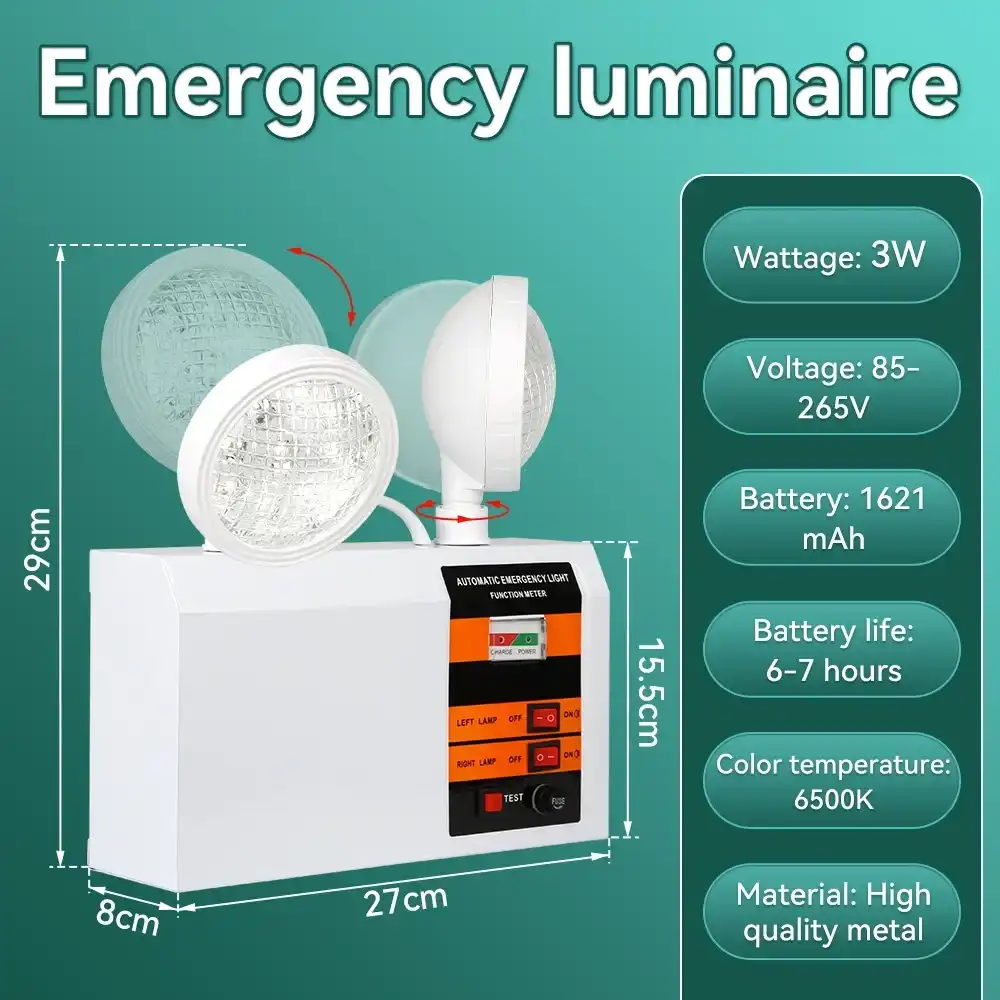
Key Locations Where Emergency Lights Should Be Installed
That's because emergency lights work best when placed in the right places. They cover the whole area and follow safety rules. Once the teams that buy things know where these systems work best, they can choose the right amounts and types of goods for each part of the building.
Exit Routes and Egress Pathways
There needs to be emergency lighting at all exits that stays on all the way to the end of the building, no matter where you are inside. This includes lobbies, hallways, and any other quick way to get out of a building.
Because stairs are so important for getting out of buildings with more than one floor, people need to be extra careful in them. In case of an emergency, these places need lights that are bright enough to see but not so bright that they cast shadows that people could trip over. There needs to be a light at each stair landing so that the light is spread out evenly along the side exit.
Large Assembly and High-Occupancy Areas
Places with lots of people, like cafeterias, conference rooms, shopping areas, and factory floors, need lighting systems that keep people from striking. By making sure that everyone can be seen from afar, these installations stop crowds from acting in dangerous ways during emergencies.
To cover the greatest area with the fewest number of fixtures needed, Emergency Lights frequently use wide-beam distribution patterns in these situations. This way, you can save money on installation costs while still getting good lighting over large room sizes.
Critical Infrastructure and High-Risk Zones
People who work in rooms with electricity, mechanical equipment, and fire pumps need emergency lighting so that they can get to important systems safely when the power goes out. An extra generator, electrical panels, and fire-fighting gear that might need to be used by hand in an emergency are often kept in these places.
When dangerous things are used, like in labs, chemical storage areas, and industrial processing zones, there needs to be more lighting. These places need emergency lighting so that people can safely close down and follow their emergency plans. The lighting should also be bright enough for safety equipment to see.
Outdoor Emergency Lighting Requirements
Outside emergency lighting needs to be installed at the building entrances and exit discharge areas so that people can safely get from the evacuation routes inside the building to meeting points. Not even bad weather should be able to stop these installations. They should be able to keep going even if the power goes out for a long time.
A lot of places also need emergency lighting in parking garages and on covered walkways that go between buildings. Fixtures that can handle the weather and have better battery backup options are needed for these places so that they can keep working even when the power goes out because of bad weather.
Types of Emergency Lights for Different Installation Environments
What kind of emergency lighting to get depends on where it'll be used, how it'll be mounted, and how well it needs to work. Emergency lighting has changed a lot thanks to new LED technology. It saves energy, lasts longer, and works better when it breaks than older fluorescent systems.
LED vs Traditional Emergency Lighting Technologies
LED emergency lighting systems are better in terms of how much energy they use, how much they cost to store, and how much they cost to own all together. These units use about 75% less energy than fluorescent ones of the same size. Plus, they last at least 50,000 hours longer than fluorescent lamps, which only last 10,000 hours.
An LED light works well even in very hot places, like factories, because it can handle heat better than other technologies. The amount of light that LEDs give off doesn't change when the temperature does. To put it another way, they always work in mechanical rooms, stairwells that aren't heated, and outside installations.
Having LED emergency lights can help the batteries last longer, which is a great thing. Running times can be met by smaller battery systems that use less power. This lowers the cost of maintenance and makes installation easier in small spaces.
Specialized Emergency Lighting Solutions
Each emergency lighting unit that is self-contained has an LED light source, batteries, and a charging circuit built in. There is less work to do when setting up the system. When putting them in after the fact, these units are very helpful because the main battery systems would need a lot of electrical changes.
In large buildings, testing, monitoring, and maintenance can all be planned at the same time, which makes central battery emergency lighting systems useful. With these, you can keep an eye on things from afar and change the batteries all in one place. Buildings with a lot of emergency lighting points will save money on maintenance costs over time.
Environmental Considerations for Product Selection
Harsh environment applications require Emergency Lights with higher ingress protection ratings and be made of materials that won't rust in rough conditions. Optical systems need special housings and sealed optical systems to work well for a long time in places with a lot of chemicals, water, or high or low temperatures.
Emergency lights that don't shake are important if you work in a place with heavy machinery or processes that stress the machinery. This is why you need designs and mounting systems that are stronger and can handle shocks. This way, even if things go wrong, the optical alignment and electrical connections will still work well.
Some places that need emergency lighting that won't blow up are those that work with chemicals, store fuel, or have a fire risk. To be used in certain dangerous places, this kind of specialized system needs to be approved. It also needs to have extra safety features to block sources of ignition during emergency operations.
Installation Guidelines and Maintenance Best Practices
Making sure the installation goes well is important for emergency lighting systems that work well and don't need a lot of maintenance or break the rules. Building managers, electricians, and people who enforce local codes must all work together on the project to make sure installations go smoothly.
Pre-Installation Planning and Design
To make sure that all the safe areas have enough light, we need to use photometric analysis to find the best places for the lights. Modeling software for computers lets designers check their plans to make sure they meet all the needs before they are built. So, changes that cost a lot don't have to be made during the building or inspection stages.
When you plan your electrical infrastructure, you should think about how to turn off the power in case of an emergency, how to charge batteries, and how to check the circuits that are already there. You should keep the controls for safety lighting separate from the controls for regular lighting so that you can still test and fix them if needed.
Installation Procedures and Code Compliance
As per the National Electrical Code (NEC), emergency lighting systems need to have circuit protection, correct wiring, and grounding systems. A lot of the time, these installations need their own emergency circuits with the right overcurrent and disconnect switches.
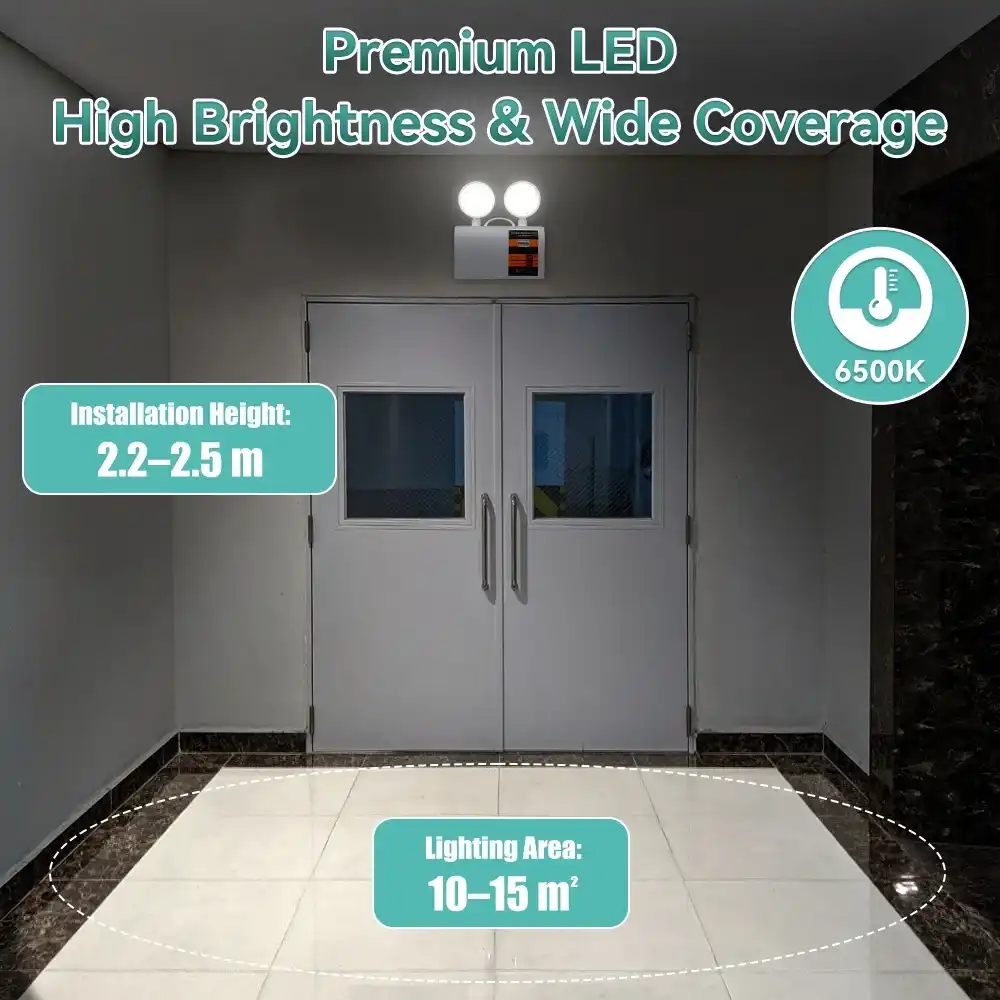
How high and which way they are mounted makes a big difference in how well emergency lights work and how light they are. Put the lights up too high, and they might not shine enough light at floor level. Also, if you don't aim them right, they might make dark spots along the escape routes.
During installation, automatic transfer switches, battery backup systems, and lighting levels in all protected areas are checked to make sure they work right. These tests need to be written down to show that they meet building codes and insurance needs.
Maintenance Protocols and Performance Monitoring
Everyone checks their emergency lighting once a month to make sure it still works and is in the right place. Broken or missing parts are looked for during these checks, as well as things in the environment that might affect how well the system works in a real emergency.
The batteries in backup power systems need to be checked once a year to make sure they last as long as they need to. Since batteries lose power slowly over time, units that are almost out of time should be checked often to make sure they don't break down when they're needed most.
For proof that you always follow building codes and insurance rules, keep full records of all the work you do. They also help you figure out what repairs you will need in the future. Because they show how things worked in the past, these records help facility managers decide when to replace things and how much money to spend on system upgrades.
Selecting Reliable Emergency Light Suppliers and Products
The supplier you choose affects how well the project goes because of the products they offer, how easy it is to get technical support, and how long-lasting the emergency lighting installations will be. Procurement workers have to choose suppliers based on their credentials, their track record of making things, and how well they've done on similar projects in the past.
Evaluation Criteria for B2B Emergency Lighting Procurement
You can tell a lot about a supplier by the product certifications they have. When used in the US for business, it needs to be UL listed. A house can get utility rebates if it has more certifications, like being Energy Star qualified and DLC listed. This means it uses less energy.
If two or more suppliers are competing with each other, warranty terms and technical support help one stand out. Use warranties that cover batteries, LED parts, and electronic circuits to keep your things from breaking down early. These warranties also lower the total cost of owning the system over its whole life.
Quality standards for manufacturing, like ISO 9001 certification, show that suppliers make things and check the quality of their work in the same way every time. This is very important for big projects that need a lot of fixtures that are all the same and work the same way.
Supplier Relationship Management
Supplies that have been around for a long time and have a lot of locations can help you plan projects and get new parts. Tech support and warranty service can be given more quickly when there is a local office. It is also easier to work together when setting up and getting things going.
Suppliers of Emergency Lights that let you change the way they work can meet the needs of any application while still keeping standard product certifications. That it's easy to use is helpful for building renovations or projects that need special ways to mount things that regular products can't give you.
You can be sure that maintenance and installation are done right with the help of training and technical support. Many projects go more smoothly and problems with performance or following the rules are less likely to happen when suppliers give clear instructions, installation guides, and training programs.
Cost Analysis and Value Engineering
The price of a product at first is only a small part of how much it will cost in the long run. Total cost of ownership calculations help people decide what to buy. They take into account things like how long something is expected to last, how much energy it uses, and how often it needs to be maintained.
There are ways to save money on big projects or installations that take more than one step. One way is to buy in bulk. As long as you have a preferred supplier, prices will not change. This makes it easier to get the things you need for ongoing projects like growth and maintenance.
Most of the time, utility rebate programs and other incentives to save energy can cover the cost of high-performance LED emergency lighting systems. Learn about the different programs that offer rewards. This way, you can have a good reason for spending money on better technology and get money back to lower the project's cost.
Conclusion
Strategic emergency lighting installation requires comprehensive understanding of safety standards, environmental conditions, and procurement best practices. Proper placement throughout exit routes, stairwells, and critical areas ensures regulatory compliance while protecting building occupants during emergency situations. LED technology provides superior energy efficiency and reliability compared to traditional systems, making it the preferred choice for modern commercial installations. Selecting qualified suppliers with proven track records and comprehensive support capabilities ensures successful project outcomes and long-term system reliability. Investment in quality emergency lighting systems demonstrates commitment to occupant safety while minimizing liability exposure and compliance risks.
FAQ
What is the minimum illumination level required for emergency lighting?
Emergency lighting must provide an average of 1 foot-candle and minimum of 0.1 foot-candle along exit paths according to NFPA 101 standards. The maximum-to-minimum illumination ratio cannot exceed 40:1 to prevent dangerous light variations along evacuation routes.
How often should emergency lighting systems be tested?
Monthly visual inspections and annual 90-minute battery discharge tests are required by most building codes. Some jurisdictions mandate additional 30-second functional tests monthly to verify automatic transfer operation and proper illumination levels.
Can emergency lighting be integrated with building automation systems?
Modern Emergency Lights often include monitoring capabilities that integrate with building automation systems for remote testing, status monitoring, and maintenance scheduling. These systems provide real-time status updates and automated testing reports for compliance documentation.
What is the expected lifespan of LED emergency lighting?
LED emergency lighting systems typically provide 50,000+ hours of operation, equivalent to 10-15 years of normal use. Battery systems require replacement every 4-7 years depending on environmental conditions and discharge cycling frequency.
Are smart controls compatible with emergency lighting requirements?
Emergency lighting circuits must operate independently from normal lighting controls to ensure activation during power failures. Smart controls can monitor emergency lighting status but cannot interfere with automatic transfer operation or required illumination levels during emergencies.
Partner with USKYLED for Reliable Emergency Lighting Solutions
USKYLED delivers certified emergency lighting systems designed for commercial safety applications with comprehensive technical support and competitive bulk pricing. Our LED emergency lights feature UL 924 certification, extended battery life, and customizable mounting options suitable for diverse installation requirements. Contact our technical team at sales@uskyled.com to discuss your emergency lighting specifications and receive detailed project proposals tailored to your facility requirements and compliance objectives.
References
1. National Fire Protection Association. NFPA 101: Life Safety Code, 2021 Edition. Quincy: NFPA Press, 2021.
2. Underwriters Laboratories. UL 924: Standard for Safety Emergency Lighting and Power Equipment, 8th Edition. Northbrook: UL Standards, 2020.
3. Illuminating Engineering Society. IES-RP-29-20: Lighting for Hospitals and Health Care Facilities. New York: IES Publications, 2020.
4. International Code Council. International Building Code Chapter 10: Means of Egress, 2021 Edition. Washington: ICC Publications, 2021.
5. U.S. Department of Energy. LED Lighting Facts: Emergency and Exit Lighting Applications. Washington: DOE Office of Energy Efficiency, 2022.
6. Building Owners and Managers Association. Emergency Lighting Best Practices Guide for Commercial Buildings. Washington: BOMA International, 2021.

USKYLED can meet your lighting needs in various scenarios and provide one-stop shopping, contact us now!
Why You Should Choose USKYLED?
![What is Dimmable Track Lighting for Museum: Best Guide [2025]](/icms/upload/0d08cc601e7611f0b542b3ca0c0f4a83/pic/knowledgemanager-knowledgepic/e7879f32605f11f081911f363b8c1ed0/Directory/20250717 dimmable track lighting -1(1)_1752739217941.webp)