Low Voltage Step Lights Installation Guide
Installing low voltage step lights is a smart choice for business projects that want to make things safer, use less energy, and give designers more options. These specialized lighting systems work at either 12V or 24V, which makes them much safer around electricity while also providing better lighting for stairs, walks, and building features. Professional builders and procurement managers are choosing low voltage options more and more because they are easier to install, don't have as many rules to follow, and cost less to run. Unlike standard 120V systems, these fixtures don't pose the risk of fatal electrical shock in wet areas. They also provide consistent, high-quality lighting in a wide range of business settings.
Understanding Low Voltage Step Lights: Benefits & Working Principles
Low voltage step lights use step-down transformers to change 120V household electricity into 12V or 24V power sources, which are safer. This basic design concept makes many useful working benefits that help both programmers and end users.
Enhanced Safety Features
The main benefit of low power lighting devices is that they are safer. The lower electrical current lowers the chance of major damage or death from electrocution. This is especially helpful outside, where moisture can add to the dangers. When professional electricians work with low voltage setups instead of line voltage ones, they record a lot fewer safety incidents.
The Safety Extra Low Voltage (SELV) label makes sure that these systems meet very strict safety rules for electricity. This classification is especially useful in business settings where decisions are based on worries about risk. In many places, people who aren't certified can install low voltage systems. This lowers the costs of the job and frees up time.
Energy Efficiency Advantages
When you mix modern LED technology with low voltage operation, you get very high energy economy. Most of the time, these systems use 75–80% less energy than regular electric bulbs while giving off more light and lasting longer. This means that these systems are good for big business projects because they use less power, which means lower operating costs.
Low voltage LED systems don't make much heat, which lowers the cooling loads and increases the component lives. This thermal efficiency is especially useful in small areas where heat buildup could damage materials nearby or make people uncomfortable.
Design Flexibility Benefits
Low voltage systems can meet a variety of design needs by having small fixture profiles and multiple mounting choices. With these systems, the smaller transformers and thinner wires make it possible to put things in creative ways that would be hard to do with line voltage systems. Architects and planners like that these fittings can be easily added to different parts of buildings without affecting the structure's strength.
Pre-Installation Considerations for Low Voltage Step Lights
To be successful, repair jobs need to be carefully planned out and the right parts must be chosen. Knowing about environmental factors and technology needs can help avoid expensive delays and make sure that the system works at its best.
Environmental Assessment Requirements
Evaluation of the site is the first step in a good operation. Fixtures used outside need to have the right Ingress Protection (IP) grades, usually IP65 or higher, so they can handle being exposed to the weather. When installing something indoors, you need to think about the temperature range and the possibility of wetness exposure in places like basements or covered paths.
In toxic conditions, the choice of material is very important. Marine-grade stainless steel or powder-coated metal housings last longer than other types of materials. The longer service life and lower upkeep needs of these high-end materials make up for their higher starting cost.
Power Requirements and Load Calculations
Correct power estimates keep systems from overloading and make sure that transformers are the right size. The total power used by all the fixtures must be added up, with enough safety gaps built in for future growth. Professional setups usually include an extra 20 to 25 percent of space to allow for system growth or parts that break down over time.
For longer wire runs, it's important to figure out the voltage drop. For installations longer than 100 feet, you may need larger gauge wires or more than one transformer to keep the power levels right. When power is too low, output is dim and LEDs don't last as long, which causes long-term operating problems.
Component Selection and Compatibility
The choice of transformer affects the performance and dependability of the whole system. High-quality units have various power taps, thermal safety, and weatherproof housings that can be used outside. Photocell controls and the ability to integrate timers make automatic choices better while also using less energy during the day.
Specifications for wiring must take into account that it will be outside and could get damaged. Long-term dependability is guaranteed by direct burying rated wire with the right gauge size. Junction boxes and joints need to be weatherproof sealed to keep water out and stop rusting.
Step-by-Step Installation Guide for Low Voltage Step Lights
To get the best results, professional work needs to be carefully planned out and carried out. Following set processes reduces mistakes and makes sure that codes are followed.
Planning and Layout Design
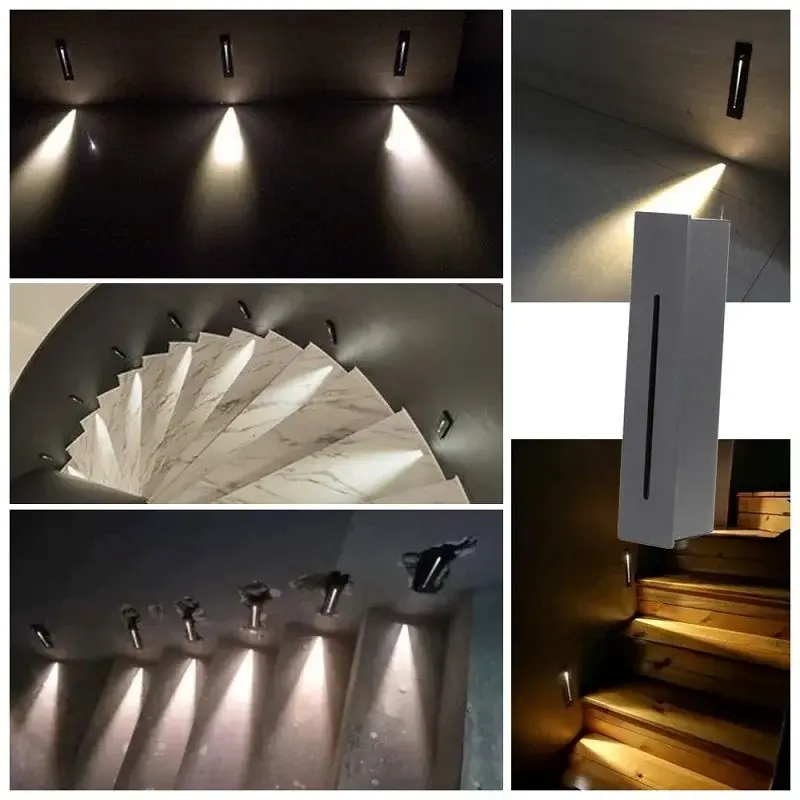
A good plan design combines the need for light with concerns about how it looks. For even coverage, step lighting lights should be placed 6 to 8 feet apart, but the exact distance needed varies on the output and beam angle of each bulb. Modeling software for computers lets you see how light is distributed and find possible dark spots.
Decisions about where to put fixtures are affected by traffic trends and safety standards. Commercial places with a lot of foot traffic might need more lights or higher output units to make sure everyone can see. Emergency lighting rules may require that escape paths have a certain amount of light. Integrating low voltage step lights into these plans helps enhance visibility along walkways, stairs, and exits while maintaining energy efficiency and meeting safety requirements.
Physical Installation Procedures
Installing starts with placing the transformer in a place that is easy to get to and has good air flow. To keep water harm from happening during floods, wall-mounted units should be put at least 12 inches above the ground. Enough space around the unit makes it easier for repair workers to get to it and for heat to escape.
To place a fixture, you need fasteners that are made to work with the material of the base. For installations in concrete, expansion pegs or concrete screws are often used. For installs in wood, lag bolts or heavy-duty screws are used. Water can't get in if the fixing points are properly sealed. This also makes the device last longer.
Wiring and Electrical Connections
Even though there are fewer safety requirements, installing low voltage wires follows standard electrical practices. Cables should be kept safe from damage by being routed and buried at the right depths. For direct grave placements, the minimum depth is usually 6 inches, but local codes may have different rules.
Connection points need to be protected from the weather with the right seals and connection boxes. Reliable electrical connections are made with high-quality wire nuts made for low-voltage uses. All links should be able to be reached for future repair work while still being safe from the elements.
Testing and Commissioning Procedures
Before final acceptance, thorough testing makes sure the system works right and finds any problems that might happen. Measuring the voltage at each light site confirms that enough power is being sent and that the transformer is working correctly. Light output testing makes sure that there is even lighting and the right wave patterns.
Locations of transformers, circuit layouts, and fixture specs should all be included in system documents. This information will help with upkeep and fixing in the future. Professional installations usually come with guarantee periods that cover both the products and the work.Comparing Low Voltage Step Lights Solutions for Informed Procurement
Knowing your choices lets you make smart choices that balance performance, cost, and long-term value. Depending on the purpose and budget, different tools and features are used.
LED versus Traditional Technologies
LED technology is used in most current low voltage step lights because it works better and lasts longer. Halogen lights only last between 2,000 and 5,000 hours, while good LED lights last 50,000 hours or more. This longer life lowers upkeep costs and repair frequency, which is especially helpful in places that are hard to get to.
Premium LED goods are different from cheaper ones because they have consistent colors and better quality. Color Rendering Index (CRI) scores above 90 mean that colors are accurately shown, which is important for business settings where looks are important. Professional lighting plans are made when the color temperature of all the lights is the same.
Smart Control Integration Options
Smart control features are being added to more and more modern systems to make them more useful and save energy. Motion monitors turn on lights only when they're needed, which cuts energy use by 60–80% in low-traffic areas. Daylight monitors stop operations when it's bright outside, which saves even more energy.
Wireless control devices let you watch and make changes from a distance. For full automation, building management systems can connect lighting settings to other functions in the building. These features are especially useful in big business installations where controlling them by hand is not an option.
Weather Resistance and Durability Features
For outdoor uses, building needs to be strong enough to resist changes in temperature, water, and physical impacts. Thermal cycling tests make sure that the fastener works at temperatures that are usually between -20°F and 120°F. Quality units keep their output and color properties the same at all of these temperature ranges.
Impact resistance scores show how long a piece will last when it's put under physical stress. For commercial uses, IK08 grades or higher are often needed to make sure the product can handle accidental touch or attempts at vandalism. Polycarbonate lenses are more resistant to impact than glass lenses, but they still keep their visual sharpness.
How to Procure Low Voltage Step Lights: Sourcing and Service Insights?
Strategies for buying things make sure that projects are successful while also getting the best results in terms of quality and cost. Knowing what a provider can do and how to evaluate them makes the decision process go more quickly.
Supplier Evaluation Criteria
Quality badges give you an objective way to judge the skills of a seller and the dependability of a product. UL listings make sure that the product meets North American safety standards, and DLC qualifications make sure that the product uses energy efficiently. These licenses lower your risk of being sued, and you can often get energy rebates for them.
Manufacturing capabilities affect customization options and delivery schedules. If a supplier has its own engineering staff, it can modify standard products to meet the specific requirements of a project. This is especially valuable for tailored applications such as low voltage step lights, where design flexibility, precise dimensions, and performance adjustments are often needed. Because of its versatility, this feature is useful for specialized design uses or unique performance requirements.
Customization and OEM Opportunities
Custom solutions are made to fit the needs of a particular job that standard goods can't. Changes could include different ways of placing, different beam patterns, or different color temperatures. Manufacturers of good products keep technical tools on hand so they can come up with custom solutions that meet safety and performance standards.
OEM agreements let big customers get private marking and new products that aren't made by anyone else. These deals can give businesses a competitive edge by giving them access to special features or lower prices. Guaranteed capacity allocation and priority supply scheduling are common parts of long-term relationships.
Cost Analysis and ROI Considerations
The total cost of ownership includes more than just the price you paid for the device. It also includes the costs of installation, energy use, and repairs over its lifetime. LED goods that use less energy usually pay for themselves in two to three years by saving money on power bills. Longer LED lifespans save money on maintenance, which adds to their value, especially in hard-to-reach places.
Opportunities to buy in bulk lower the cost per unit while making sure that the quality of the product stays the same across big projects. Volume savings can be as high as 15–25% for large orders, which is good for the general economy of the project. Coordinated shipping plans cut down on the time needed for storage and installation.
Conclusion
Low voltage step lights are great for commercial lighting because they are safer, use less energy, and can be installed in a variety of ways. This guide explains a methodical way to install things that lets you finish a job successfully while keeping costs and risks to a minimum. The best performance and long-term worth are guaranteed by choosing the right products, planning ahead, and having professionals do the work. These lighting options are becoming more and more popular among architects, contractors, and facility managers who see how useful they are in the workplace and how flexible they are in terms of design.
FAQ
What voltage do step lights typically use?
Low voltage step lights commonly operate at 12V or 24V DC/AC, which is much safer than normal 120V line voltage devices. The lower voltage lowers the risk of getting an electrical shock while still giving off enough light for most uses.
How long do LED step lights last?
Good LED step lights last between 50,000 and 100,000 hours, which is about 15 to 25 years of normal use. Compared to older lighting technologies, this longer lifespan means less maintenance costs and replacements.
Can I install low voltage step lights myself?
In many places, homeowners can install low voltage lighting systems without having to get an electrical license. Commercial applications, on the other hand, usually need to be installed by a professional to make sure they follow the rules and protect the warranty.
What IP rating do I need for outdoor step lights?
For weather protection, outdoor installations usually need IP65 ratings or higher. Fixtures with an IP67 or IP68 rating may be better in places where they could get submerged or exposed to extreme weather.
How far apart should step lights be spaced?
Depending on the amount of light and beam angle, the standard distance between fixtures is between 6 and 8 feet. Commercial areas with a lot of foot traffic may need closer spaces to make sure there is enough lighting and safety.
Partner with USKYLED for Premium Low Voltage Step Lighting Solutions
USKYLED offers the best lighting solutions for your business projects by combining cutting-edge LED technology with full technical support. Our wide range of flexible options, global certifications, and competitive bulk pricing make us an ideal partner for contractors and distributors. We also specialize in low voltage step lights, delivering reliable, energy-efficient solutions tailored to modern architectural and commercial lighting needs. Send an email to sales@uskyled.com to get personalized quotes and technical advice on your upcoming projects from our procurement specialists.
References
1. National Electrical Code Handbook: Low Voltage Lighting Systems Installation Standards and Safety Requirements, National Fire Protection Association, 2023
2. LED Lighting Performance Standards for Commercial Applications: Energy Efficiency and Longevity Analysis, Illuminating Engineering Society Technical Report, 2023
3. Landscape and Architectural Lighting Design Guide: Low Voltage Systems Implementation, American Society of Landscape Architects Professional Practice Manual, 2022
4. Building Safety Codes for Low Voltage Electrical Systems: Installation and Maintenance Requirements, International Code Council Reference Manual, 2023
5. Commercial Lighting Procurement Best Practices: Supplier Evaluation and Product Selection Criteria, Building Owners and Managers Association Industry Guide, 2022
6. Energy Efficient Lighting Technologies: Comparative Analysis of Low Voltage LED Systems Performance, Department of Energy Building Technologies Research Report, 2023

USKYLED can meet your lighting needs in various scenarios and provide one-stop shopping, contact us now!
Why You Should Choose USKYLED?
![What is Dimmable Track Lighting for Museum: Best Guide [2025]](/icms/upload/0d08cc601e7611f0b542b3ca0c0f4a83/pic/knowledgemanager-knowledgepic/e7879f32605f11f081911f363b8c1ed0/Directory/20250717 dimmable track lighting -1(1)_1752739217941.webp)