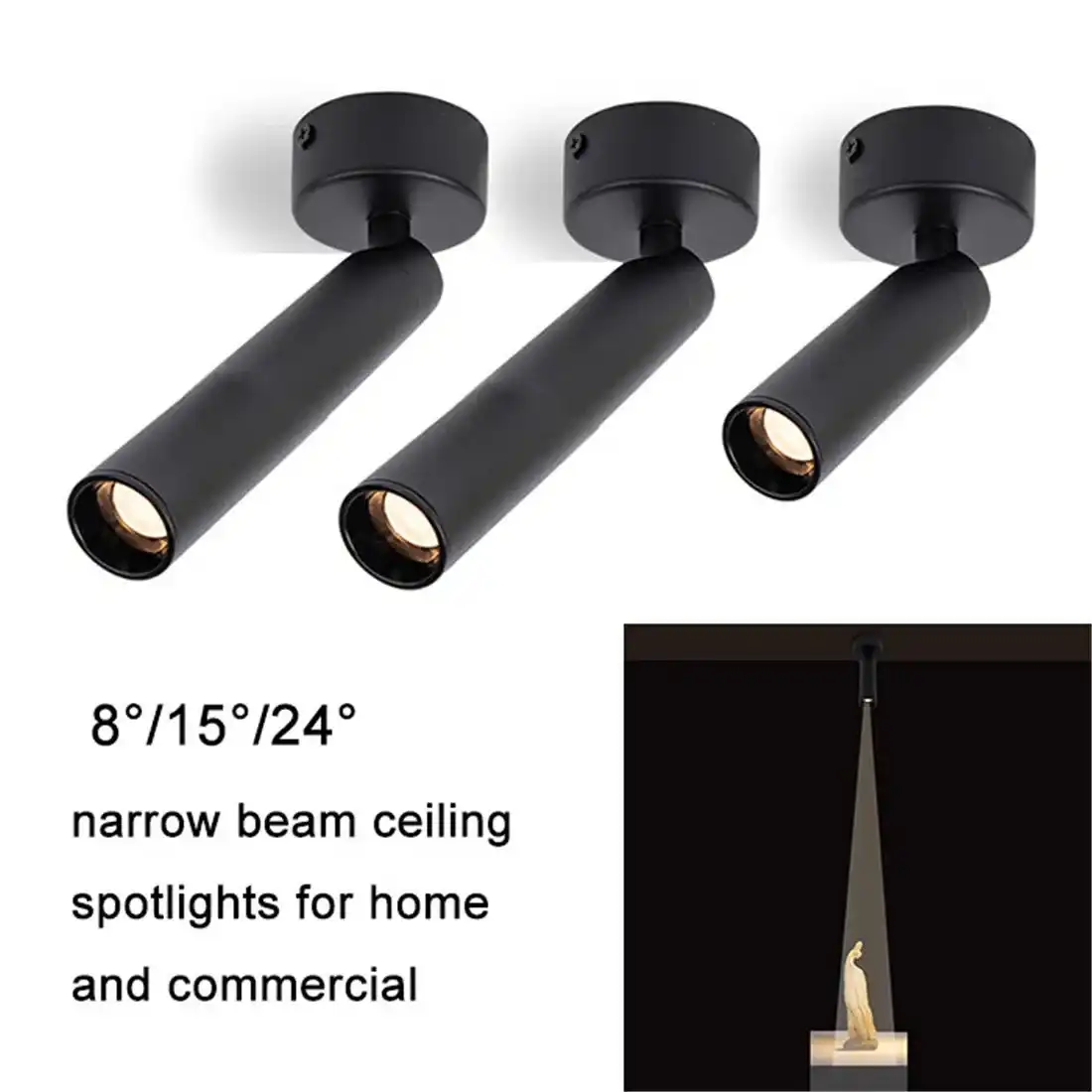
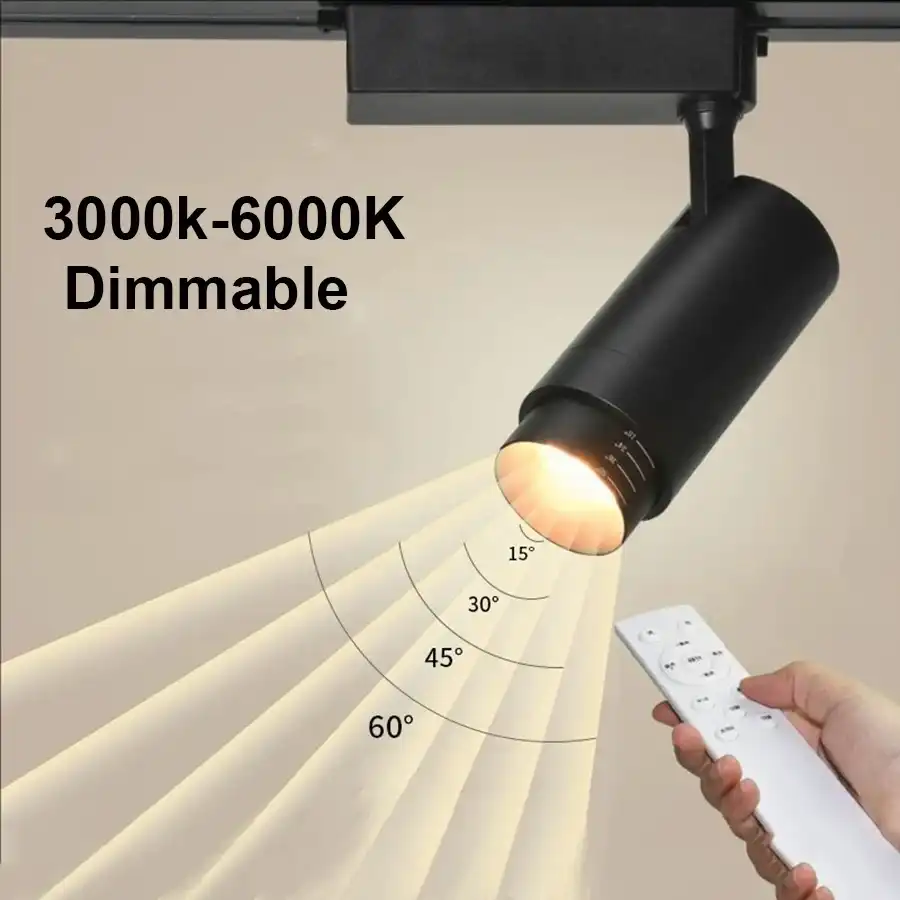
Top Low Voltage Step Lights for Landscape Lighting
When it comes to business and private landscaping lighting, low voltage step lights are the best. They work on safe 12–24 volt systems that give them great performance while reducing electrical dangers. These unique fixtures are built to last and use little energy, so builders, contractors, and site managers in charge of outdoor lighting projects can't do without them. When compared to traditional line-voltage systems, low voltage step lights are safer because they lower the risk of shock and can be installed in a variety of outdoor settings, such as business complexes, hospitality places, and public buildings.
Understanding Low Voltage Step Lights – Definitions and Key Benefits
Using special transformers, low-voltage step lights work with complex electrical systems that lower the power from 120V AC to 12V or 24V, which is safer. This basic design concept allows for stricter safety rules while still providing the best lighting performance in harsh outdoor situations.
Core Components and Working Principles
The basic structure of low voltage step lighting systems is made up of several important parts that work together. Stepping down dangerous line voltage to safer working levels is what transformer units do for power conversion. LED driver circuits control the flow of current, which keeps the light output steady and protects sensitive electrical parts from changes in voltage.
Marine-grade materials, like 316L stainless steel or powder-coated aluminum alloys, are often used for fixture housings. These materials don't rust when exposed to water, salt spray, or chemicals. Modern lens systems spread light widely while reducing glare, making light that is easy to look at and improves safety without hurting your eyes.
Enhanced Safety Around Stairs and Pathways
Because of safety concerns, low-voltage systems are widely used in business settings that need the highest levels of protection due to worries about risk. Because the power is lower, there is a much smaller chance of electrocution, especially when it's wet, when regular lights are very dangerous. Maintenance methods for professional installations are made easier, so facility staff can clean and change lamps on a regular basis without needing special electrical training. This operating benefit lowers long-term maintenance costs and keeps system performance stable over long periods of operation.
Energy Efficiency and Environmental Impact
Modern low voltage step lights use modern LED technology that is much more energy efficient than older gas or incandescent options. In normal situations, LED arrays last more than 50,000 hours and use up to 80% less power than other lighting options. They also produce better light. Not only do they save energy, but they also leave smaller carbon footprints and reduce light pollution by precisely controlling the beam. Smart dimming lets you make changes automatically based on the environment, which saves energy while keeping the right amount of light for safety and travel.
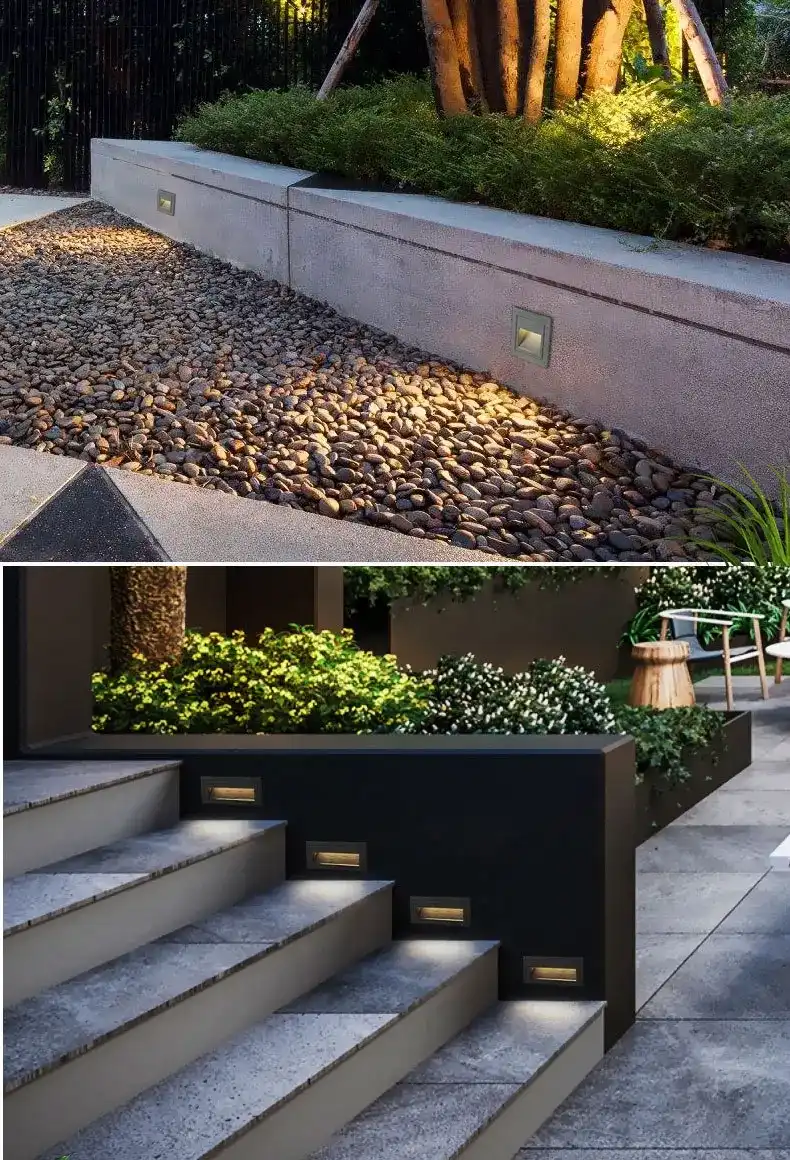
How to Choose the Best Low Voltage Step Lights for Your Project?
To choose the best low-voltage lighting options, you need to carefully look at the technical specs, the setting, and the needs of the project. These all have an effect on how well the lighting works in the long run and how much it costs.
Critical Technical Specifications
The actual lighting efficiency of step lighting installations is based on their lumen output. Depending on the distance between fixtures and the amount of light in the room, commercial uses usually need 50 to 150 lumens per bulb. The color temperature you choose affects your visual comfort and compliance with local laws. For example, the range of 2700K to 3000K provides warm, friendly lighting that is good for restaurant settings.
For outdoor systems, IP ratings are an important part of security. IP65 ratings make sure that dust and water jets can't get in, while IP68 ratings let underwater uses or installations that might be temporarily flooded work. To keep their outdoor integrity over long periods of time, high-quality fixtures have gasket closing systems and metal that doesn't rust.
Evaluating Total Cost of Ownership
A full taken a toll examination looks at everything, from the introductory fetched of buying the thing to the work required to set it up to the progressing costs of upkeep and the sum of vitality it will utilize over its anticipated lifetime. Most of the time, low-voltage step lights are more cost-effective since they are simpler to introduce, require less upkeep, and utilize a parcel less energy.
When proficient acquirement groups arrange in bulk, they get reserve funds, longer ensure scope, and speedier get to to specialized back administrations. Well-known companies offer customization alternatives that let you alter the lodging fabric, focal point setups, and mounting frameworks to fit your project's needs and get the best execution in your specific setting.
Leading Global Brands and OEM Options
Philips, Kichler, and FX Luminaire are just a few of the market leaders that offer proven solutions backed by significant investments in research and development. These well-known brands provide comprehensive product lines suitable for both residential and commercial applications, including low voltage step lights. They also support their products with strong warranty programs and reliable technical assistance, ensuring long-term performance and customer confidence.
Competitive OEM options offer solutions that are less expensive without lowering the quality standards. This is especially helpful for large-scale setups where spending limits mean that performance and cost must be carefully balanced. OEM sellers with a good reputation keep their foreign certifications up to date and use consistent quality control methods to make sure that their products work well for a long time.
Installation Guide for Low Voltage Step Lights – Best Practices and Safety Tips
Professional installation practices make sure that low-voltage lighting systems work well, follow the rules, and last longer in a variety of business and household settings.
Site Assessment and Design Planning
A thorough site review finds the best places to put fixtures, transformers, and wiring paths so that the installation is as simple as possible while still getting the best lighting results. A professional evaluation looks at the current landscape features, how water flows, and how easy it will be to do upkeep in the future.
As part of the design process, spacing estimates are done to make sure that the lighting is even without casting sharp shadows or causing too many changes in brightness. Photometric analysis helps figure out how many fixtures to use and where to put them so that the desired amount of light is reached while still meeting energy saving goals.
Wiring Connections and Transformer Integration
Voltage drop problems that hurt light output and bulb life can be avoided by making sure the transformer is the right size. Professional setups use voltage drop estimates to figure out the right wire sizes and circuit lengths for whole lighting systems that keep them running at their best. Marine-grade wire nuts or special crimp connectors that don't rust or let water in are used for weather-resistant links. For installations that go underground, you need wires that can be buried directly and are covered by the right conduit systems, unless local building rules require extra safety measures.
Safety Precautions and Code Compliance
Regional electrical rules require certain installation methods, such as protecting against ground faults, using the right-sized conductors, and placing transformers in the right way. Professional setups include these safety features and go above and beyond the minimum requirements to make sure they work reliably for a long time.
Voltage drop along long wire runs, water getting into connection points, and mechanical damage from lawn care tools are all common problems that come up during installation. If you plan ahead, you can avoid these problems by using the right wire sizes, waterproof shelters, and safe installation methods.
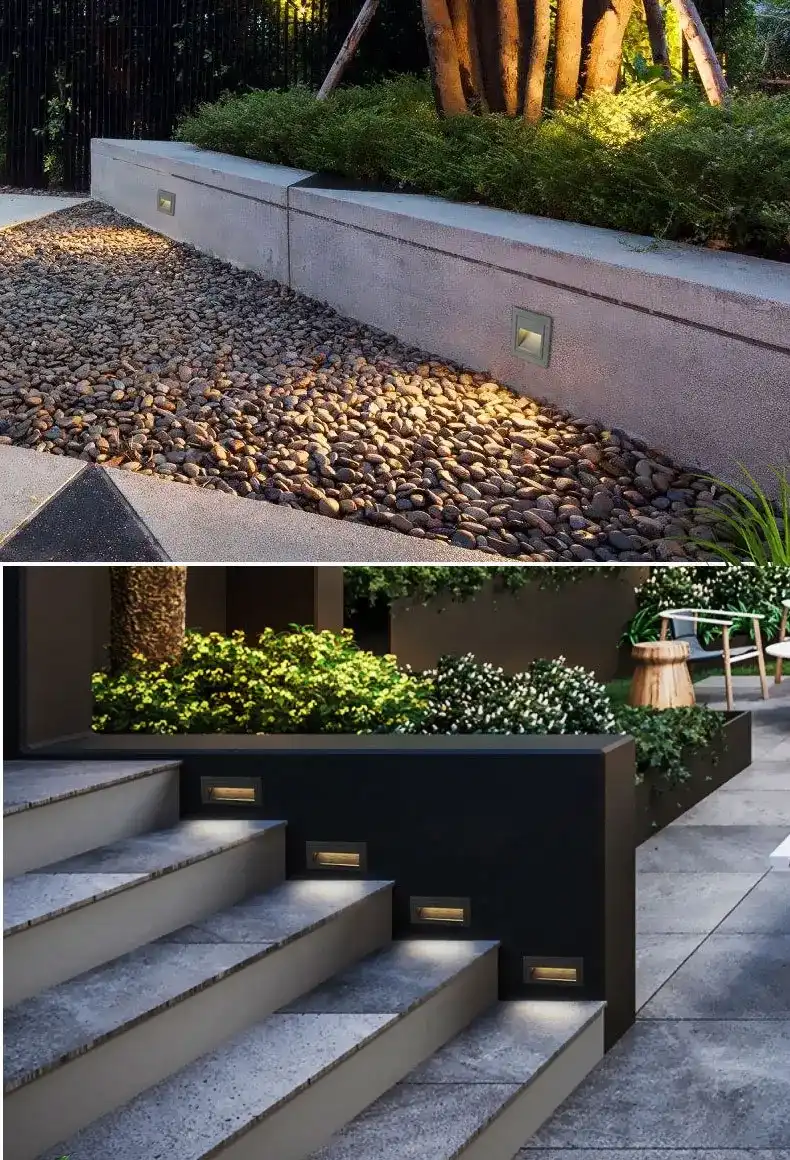
Comparing Low Voltage Step Lights with Other Types of Landscape Lighting
To make smart choices about lighting, you need to know the main differences between low-voltage step lights and other technologies, like line voltage and solar-powered systems that can do the same job.
Energy Efficiency and Installation Complexity
Low-voltage systems use less energy than other types because they use modern LED technology and smart controls that adjust how much power they use based on their needs. Compared to line power options, installation is still much easier, which saves money on labor costs and makes upkeep easier. Solar-powered solutions give you more installation options, but they might not work as well when it's cloudy for a long time or when it's winter and there isn't much sunshine. In professional settings, low power options that work the same way no matter the weather or the time of year are usually preferred.
LED Versus Halogen Technology Comparison
LED technology offers exceptional operational lifespans of over 50,000 hours, while halogen alternatives typically require replacement every 2,000 to 4,000 hours. Although the initial investment for LEDs is higher, they deliver significant long-term savings through reduced maintenance and lower energy consumption. These advantages are especially valuable in applications like low voltage step lights, where durability, efficiency, and minimal upkeep are essential for consistent performance.
When it comes to light quality, LED technology is better because it can render colors more accurately, turn on instantly, and have precise beam control that gets rid of glare and light pollution. LED solutions are being used more and more in professional setups to meet environmental goals and improve user experiences.
Maintenance and Long-Term Performance Optimization
Systematic care plans keep low-voltage step lights working well and make them last longer in even the toughest business and home settings.
Routine Maintenance Protocols
Cleaning fixtures on a regular basis gets rid of dirt, salt layers, and outdoor contaminants that can lower their light output and make them look bad. Professional care checks for problems before they happen by cleaning the lenses, inspecting the gaskets, and making sure the electrical connections are correct. Replacement plans for parts based on what the maker suggests ensure the best performance and reduce the number of unexpected breakdowns. LED arrays usually work for 50,000 hours or more, but drivers and control circuits may need to be replaced sooner based on the surroundings and how they are used.
Smart Controls and Energy Management
Advanced control systems with timers, motion sensors, and sun collecting features make the best use of energy while still providing enough light for safety and security. Smart controls let you watch and make changes from afar, which cuts down on the need for repair trips and running costs. Regular system audits check that performance standards are being met, look for ways to make things more efficient, and make sure that changing safety rules are still being followed. Professional auditing services provide a lot of information that helps building managers meet their goals and follow the rules.
Conclusion
Low voltage step lights are the preferred choice for professional landscaping projects due to their safety, efficiency, and reliable performance. With advanced LED technology and smart control features, these modern systems deliver consistent illumination while minimizing installation complexity and long-term operating costs. To make a professional choice, you need to carefully look at the technical specs, the surroundings, and the long-term upkeep needs that affect the total cost of ownership. Quality providers offer full support, such as the ability to customize products, the benefits of buying in bulk, and technical knowledge that ensures projects go well in a wide range of business and domestic settings.
FAQ
What surfaces are compatible with low voltage step light installation?
Low-voltage step lights can be installed on pavement, natural stone, composite decks, and treated lumber, among other surfaces. For installations in concrete, the right masonry bits and weatherproof mounting tools are needed. On the other hand, around fixture holes on wood surfaces, the right sealant is needed to keep water damage from happening. Professional setups look at how the structure will be loaded and how much it will expand and contract with temperature changes to make sure the fixing stays strong over time and on a variety of substrates.
How long do LED low voltage step lights typically last in outdoor conditions?
High-quality LED step lights can work for more than 50,000 hours in normal outdoor settings, which is about 15 to 20 years of regular use at night. Extreme temperatures, water exposure, and UV radiation are some of the environmental factors that can affect how long something lasts. However, marine-grade building and proper fitting usually ensure stable performance for long service periods. Regular upkeep and choosing high-quality parts will extend the life of the system and keep the light output steady.
What certifications should I verify when selecting step light suppliers?
Professional step light providers keep important certificates, such as UL listing for electrical safety, IP rating verification for environmental protection, and following all safety and building rules. Energy Star approval means that the product is very efficient, and FCC compliance means that it is compatible with electromagnetic fields. International approvals, like the CE mark, show that there are global quality standards. This is especially important for business sites that need a lot of paperwork and proof that they follow the rules.
Partner with USKYLED for Premium Low Voltage Step Lighting Solutions
USKYLED delivers cutting-edge low-voltage step lights made by USKYLED are designed to work well in businesses and last a long time. Our cutting-edge LED technology, ability to work with OEMs, and full expert support make it possible for projects to go well in a wide range of outdoor lighting situations. Get in touch with our knowledgeable staff at sales@uskyled.com to learn more about our high-quality lighting options, the benefits of buying in bulk, and custom designs that will light up your outdoor spaces with professional-grade performance and unbeatable value.
References
1. Illuminating Engineering Society of North America. "Recommended Practice for Outdoor Environment Lighting." IES-RP-33-14, 2014.
2. National Electrical Contractors Association. "Low Voltage Landscape Lighting Installation Standards." NECA Technical Manual, 2023.
3. U.S. Department of Energy. "LED Lighting Performance in Outdoor Applications: Energy Efficiency Analysis." DOE Building Technologies Report, 2023.
4. American Society of Landscape Architects. "Sustainable Outdoor Lighting Design Guidelines." ASLA Professional Practice Manual, 2022.
5. International Association of Lighting Designers. "Commercial Landscape Lighting Best Practices." IALD Technical Guidelines, 2023.
6. Underwriters Laboratories. "Standard for Safety of Low Voltage Lighting Systems." UL 2108 Certification Requirements, 2022.

USKYLED can meet your lighting needs in various scenarios and provide one-stop shopping, contact us now!
Why You Should Choose USKYLED?
![What is Dimmable Track Lighting for Museum: Best Guide [2025]](/icms/upload/0d08cc601e7611f0b542b3ca0c0f4a83/pic/knowledgemanager-knowledgepic/e7879f32605f11f081911f363b8c1ed0/Directory/20250717 dimmable track lighting -1(1)_1752739217941.webp)