How to Upgrade Your Landscape with Step Lights
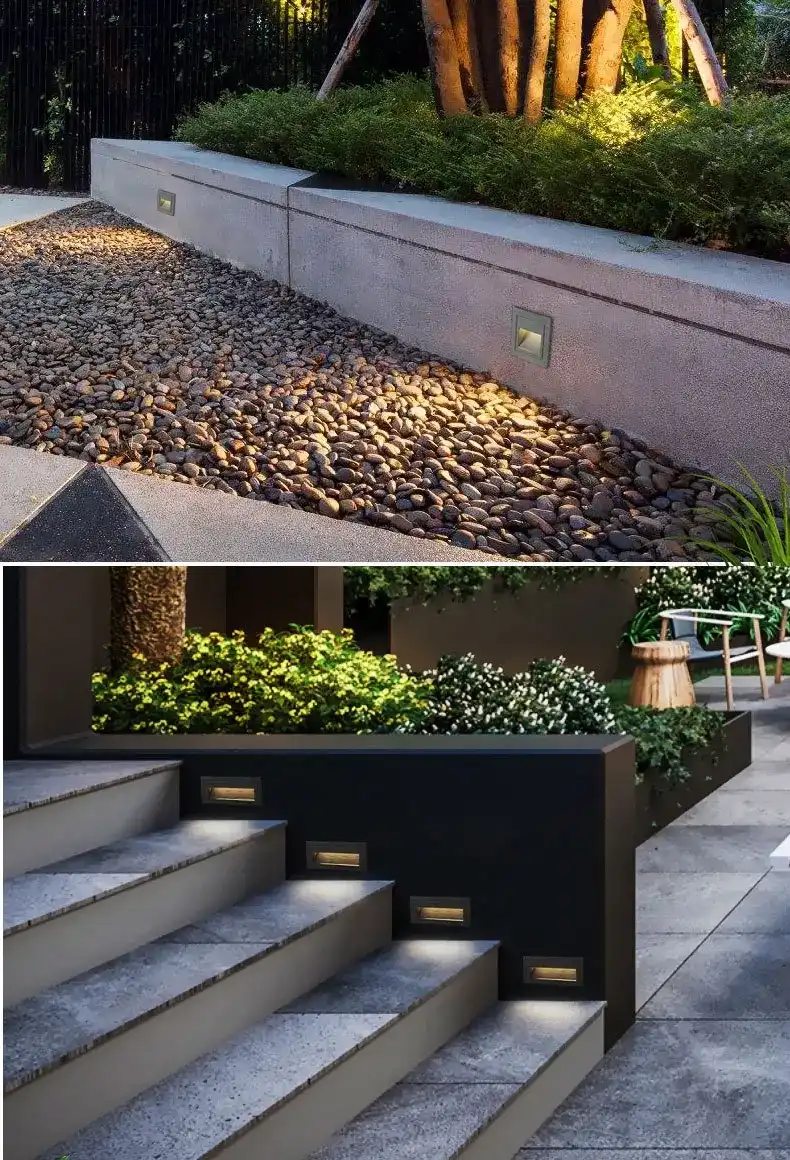
Adding landscape step lights to your yard changes the look of your outdoor areas by adding both safety features and a more sophisticated look. These special lighting fixtures make paths, stairs, and outdoor changes safer and more valuable while also lowering legal risks. LED-powered step lighting options of today provide energy-efficient lighting that can cut costs by up to 80% compared to older lighting methods. For business sites, housing developments, and public works projects that need to last for a long time and work consistently, professional-grade installations are the best choice. They work well even in bad weather.
Understanding Step Lights and Their Role in Landscape Enhancement
Landscape step lights are important for safety and design in outdoor lighting systems because they provide focused lighting for stairs, paths, and transitional areas where it can be hard to see what's ahead. These light fixtures use modern LED technology, solar power systems, battery-operated mechanisms, or direct electrical links to keep the lighting working well in a variety of settings.
Safety and Aesthetic Benefits
Installing step lighting makes outdoor spaces more inviting and increases the number of hours that business and private properties can be used. This makes them safer for people to walk on and lowers liability concerns. The soft, directed lighting makes it safe for people to walk along the paths without making too much glare or light pollution that could bother people in nearby areas.
According to studies from the lighting industry, properly lit outdoor stairs can cut the number of accidents by up to 60%. This is proof that professional setups make things safer. Placed step lights in a way that creates visible continuity improves building features and landscaping elements, which greatly increases the value of real estate purchases.
Technology Options and Applications
Modern step light systems use advanced LED chips that provide high-quality lighting while using very little power and lasting more than 50,000 hours. Solar-powered versions make installation easier in remote areas, while hardwired systems make sure constant performance for business settings with a lot of foot traffic.
Motion sensors that turn on lights when people walk by are some of the more advanced features. This saves energy while still providing security benefits. When smart controls are integrated, they can be monitored and scheduled from afar, which meets business needs and energy management goals.
How to Choose the Right Step Lights for Your Landscape Upgrade?
When choosing the right step lighting, you need to think about the conditions at the site, how well it needs to work, and how much it will cost to maintain over time. These factors affect the total cost of ownership and how well it works.
Performance Specifications and Environmental Factors
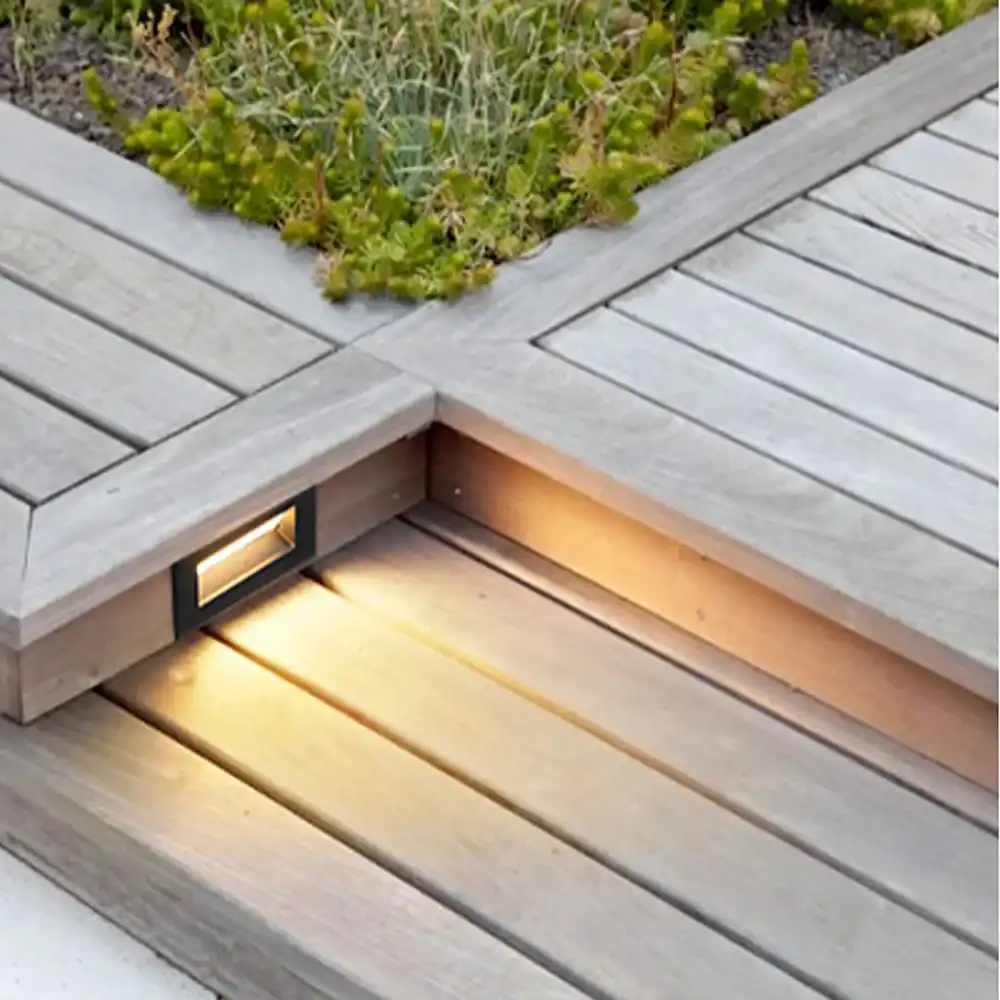
The amount of lumens needed depends on the lighting conditions around the step lights. Usually, each step light needs to produce between 50 and 200 lumens to be visible without being too bright. If your IP grade is IP65 or higher, you'll be protected against water getting in and dust building up in outdoor settings where temperature changes and bad weather make working conditions difficult.
Choosing the right color temperature impacts both functionality and aesthetics. For instance, 3000K warm white is ideal for residential settings, while 4000K neutral white works best in commercial environments where clarity and a professional appearance are important. A CRI above 80 ensures accurate color rendering, highlighting details in landscapes and architectural features. These considerations are especially important when selecting landscape step lights, where visual appeal, safety, and ambient harmony all matter.
Cost Analysis and Supplier Evaluation
When making a procurement choice, the original investment costs must be weighed against the long-term operational savings and upkeep needs. Most of the time, LED step lights cost 40–60% more than standard ones at first, but they save a lot of energy and cost less to replace over their longer lifetime.
When it comes to large-scale installations with many properties or long pathway systems, wholesale price models and volume discounts have a big effect on the project's economy. Warranty coverage, access to expert help, and the ability to get replacement parts all make sure that the product keeps working well and protects the value of the investment over its entire lifecycle.
Installation Best Practices and Safety Tips for Landscape Step Lights
The right way to put outdoor lighting in both business and household settings makes sure that the lights work well, last a long time, and meet all electrical codes and safety standards.
Site Assessment and Planning Considerations
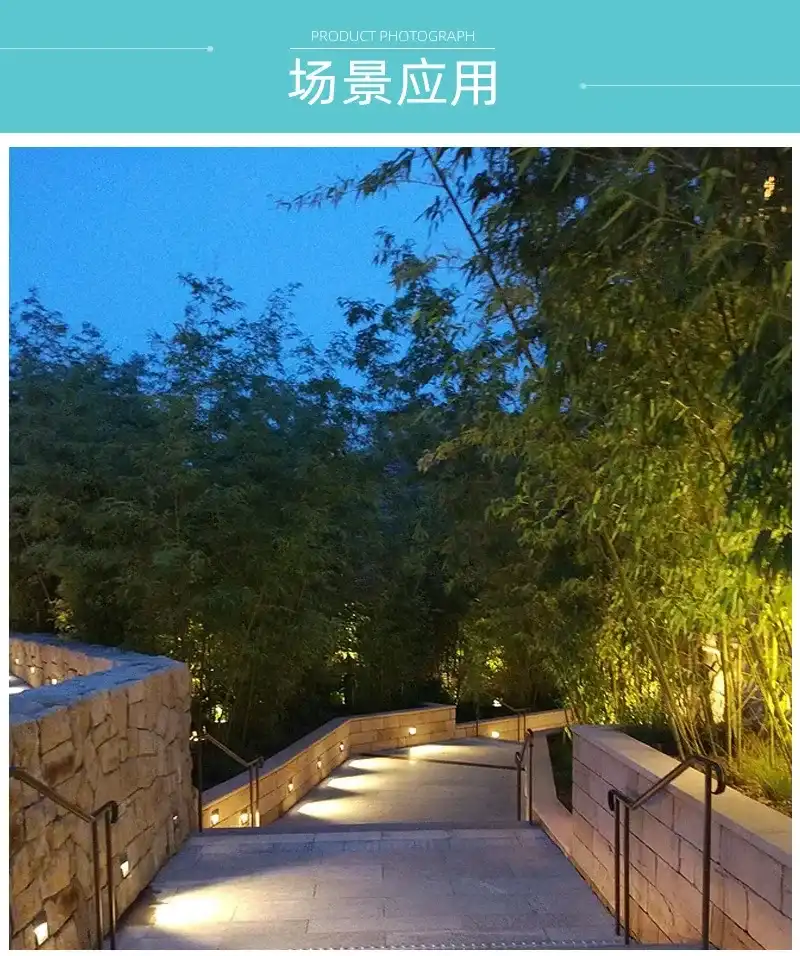
A full site assessment finds out what electrical infrastructure is needed, how the dirt drains, and any other factors that affect the difficulty of the installation and its long-term dependability. The right figures for spacing make sure that all areas are evenly lit, and fixtures are usually placed 6 to 8 feet apart along paths and at each step change.
Electrical load estimates figure out the circuit's capacity needs and the transformer's specs for low-voltage systems that work safely and efficiently. When it's wet outside, ground fault circuit interrupter protection and proper grounding methods keep electrical dangers from happening.
Installation Techniques and Maintenance Requirements
Professional installation methods include burying electrical connections at the right level, making sure there is enough drainage around fixture housings, and fixing things securely so they can survive freeze-thaw cycles and ground movement. Cables shouldn't be run through places where people are likely to be gardening or walking, as this could damage the cables.
Lens cleaning, connection checking, and performance verification are all part of regular maintenance plans that keep the light output at its best and stop parts from breaking down too soon. Seasonal changes to the timer settings and photocell sensitivity make sure that the system works right even when the daylight hours change.
Latest Trends and Innovations in Landscape Step Lighting
Outdoor lighting technology keeps getting better, which increases its capabilities and efficiency while lowering its effect on the environment and making operations easier for procurement professionals and site managers.
Smart Technology Integration
Modern landscape step lights have smart control systems that let you watch, schedule, and improve performance from afar by connecting wirelessly and integrating with building management systems. These features let you know about state updates in real time and preventative maintenance alerts, which cut down on service calls and make devices last longer.
Motion sensor technology has improved over the years to include directional recognition and sensitivity settings that can be changed to avoid fake activations and make sure they respond reliably to foot traffic. Daylight harvesting features change the lighting levels instantly based on the amount of light in the room. This saves energy without compromising safety.
Sustainable Design and Materials
Innovations in building materials that can be recycled, less wasteful packaging, and manufacturing methods that leave the smallest carbon footprint over the lifetime of a product are all driven by environmental concerns. In places where getting to power infrastructure is hard or expensive, solar charging systems with backup battery storage can work reliably.
LED technology keeps getting better at using energy efficiently, which leads to higher efficacy scores and better heat management that makes the lights last longer while keeping the same amount of light output. These changes lower the number of times that things need to be replaced and the work costs that come with that for big installations.
Case Studies: Successful Landscape Step Light Upgrades
Real-life examples of execution show measurable benefits and return on investment for different types of properties and use cases, which helps buyers make smart decisions.
Commercial Property Applications
A high-end hotel company updated all 15 of its properties' step lighting. This led to a 45% drop in insurance claims linked to pathways and an increase in guest happiness with outdoor amenities. When compared to the old halogen systems, the LED change cut energy use by 65%. The payback time, which includes construction costs, was an average of 18 months.
Similar patterns of success can be seen in municipal installations at public parks and recreational facilities. Improved safety and reduced maintenance requirements make infrastructure investments more cost-effective. Using standardized specifications for landscape step lights across multiple sites simplifies supply management and generates savings on large-scale purchases.
Residential Development Projects
Large apartment buildings that used solar-powered step lighting saved 30 to 40 percent on installation costs compared to those that used connected options, while still meeting performance standards and looking good. Not having to dig trenches or install electricity equipment sped up the job and caused less damage to the landscape during installation.
Property management firms say that communities with properly designed step lighting systems have fewer repair calls and happier tenants. Less expensive energy and longer-lasting tools both have good cash flow effects that raise the returns on property investments.
Conclusion
Landscape step lights are important purchases for safety, good looks, and increasing the value of your home. They pay for themselves in a number of ways, including lower insurance costs, better user experiences, and more energy-efficient lighting. With today's LED technology and smart control features, procurement professionals can find advanced solutions that meet a wide range of application needs while keeping long-term running costs as low as possible. When professional planning, high-quality equipment, and skilled installation work together to make effective outdoor lighting systems, they show consistent benefits in business, household, and public projects.
FAQ
What is the typical lifespan of LED step lights in outdoor conditions?
Quality LED step lights designed for outdoor use typically operate for 50,000-70,000 hours under normal conditions, equivalent to 15-20 years of average residential use or 8-12 years in commercial applications with extended operating hours. Extreme temperatures and being exposed to wetness can shorten the life of fixtures, so IP65-rated ones are necessary for effective performance.
Can step lights integrate with existing smart home or building management systems?
Modern step lighting systems can be connected to a variety of systems, such as those that use WiFi, Zigbee, or physical control connections that let building management platforms watch and schedule lighting from afar. Compatibility depends on the needs of the system and the control methods that are already in place.
How much energy do motion sensor step lights save compared to constant operation?
Motion-activated step lights can save 60–80% of the energy used by lights that are always on, but this depends on how busy the area is and how sensitive the sensors are set. The biggest savings can be seen in commercial installations with light foot traffic. In residential uses, usage trends may allow for 40–60% savings.
Partner with USKYLED for Professional Landscape Step Light Solutions
USKYLED sells state-of-the-art landscape step lights that are designed to work better in harsh outdoor conditions. Our cutting-edge LED technology has high CRI scores, doesn't flicker, and works with smart controls, so it can be used for a wide range of projects. Get in touch with our expert team at sales@uskyled.com to learn more about our custom OEM solutions, bulk price benefits, and full warranty coverage that guarantees your long-term success.
References
1. Smith, Robert K. "Outdoor Lighting Design and Installation Standards for Commercial Properties." Journal of Architectural Lighting, 2023.
2. Chen, Maria L. "Energy Efficiency Analysis of LED Step Lighting Systems in Municipal Applications." International Conference on Sustainable Building Technologies, 2023.
3. Johnson, David P. "Safety Impact Assessment of Pathway Lighting in Commercial Environments." Building Safety Research Institute, 2022.
4. Williams, Sarah M. "Smart Lighting Integration Strategies for Modern Landscape Design." Landscape Architecture Quarterly, 2023.
5. Thompson, Michael R. "Cost-Benefit Analysis of Solar-Powered Step Lighting in Residential Developments." Green Building Economics Review, 2023.
6. Anderson, Lisa K. "Advanced LED Technology Applications in Outdoor Lighting Systems." Lighting Technology Today, 2023.

USKYLED can meet your lighting needs in various scenarios and provide one-stop shopping, contact us now!
Why You Should Choose USKYLED?
![What is Dimmable Track Lighting for Museum: Best Guide [2025]](/icms/upload/0d08cc601e7611f0b542b3ca0c0f4a83/pic/knowledgemanager-knowledgepic/e7879f32605f11f081911f363b8c1ed0/Directory/20250717 dimmable track lighting -1(1)_1752739217941.webp)