Why Recessed Stair Lights Look More Modern
For modern lighting design, recessed stair lights are the best choice. They look great and are very useful. The old ideas had big parts that these new ones don't have. But instead, they look better with the building and still let in more light. Because they are simple and clean, they get rid of any extraneous details. This leaves behind the clean lines that make business spaces look modern. They make things safer without giving up style, which is why procurement professionals who are looking to the future need to have them.
Introduction
It's getting more and more important for homes and businesses to have lighting that looks good and works well. These days, recessed stair lights are the best way to light up a staircase because they don't get in the way and look great. They also make the stairs safer. Business-to-business buyers in charge of big projects know that these lights do more than just light up the room. They show they care about high-end style, which makes the room look better as a whole.
Recessed lighting systems are becoming more popular in businesses because they are easier to use, save energy, and can connect to smart home systems. Traditional fixtures that are mounted on the surface look old or get in the way most of the time. On the other hand, recessed options work better, look better, and are safer. This guide tells you a lot about technical benefits, design rules, and buying strategies that you need to know in order to make smart purchases that meet your short-term and long-term facility management goals.
What Makes Recessed Stair Lights More Modern?
Seamless Architectural Integration
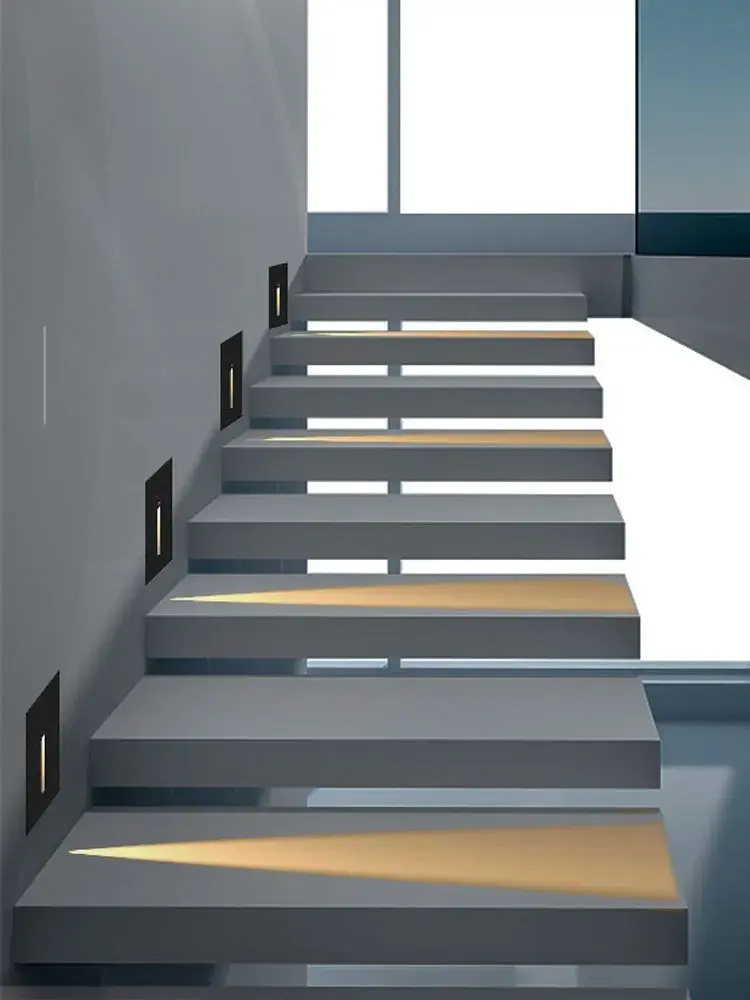
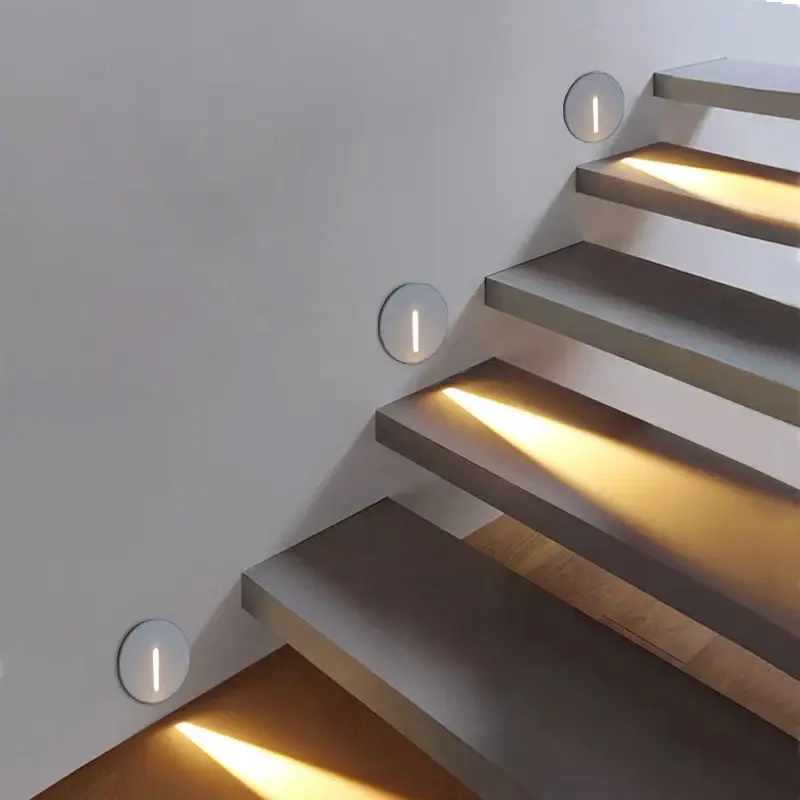
One great thing about modern recessed stair lights is that they can match the style of the building and look great at the same time. Surface-mounted fixtures from the past often create visual breaks that disrupt the flow of modern design. No-snag options that fit right into the walls, steps, or risers next to them solve these problems. This makes the shapes and lines of the staircase stand out.
There are more benefits to integration than just how it looks. These benefits are important in business settings. Moving tools or the many people who walk by in places like stores, hotels, and offices won't be able to damage it because it's flush-mounted. Plus, the safe placement means that the machine doesn't need as much maintenance and keeps working well for a long time.
Advanced LED Technology Integration
These days, recessed lighting systems use LEDs. There are many ways in which these bulbs are better than regular incandescent or fluorescent bulbs. Color rendering indices of these systems are usually above 90, and luminous efficacies are usually above 100 lumens per watt. In other words, they use less power and give off more light. LED parts are very small, which means that designs with very thin profiles are possible that would not be possible with older lit technologies.
More important parts of modernization are the smart controls that are being added. A lot of the newest recessed systems can connect to each other wirelessly. In other words, they can turn on, dim, and change the color temperature when someone walks into the room. Putting these things in a building is the best way for managers to save energy. It's also better for people who use the building because the lighting changes throughout the day.
Design and Installation Principles for Modern Recessed Stair Lights
Strategic Placement and Spacing Considerations
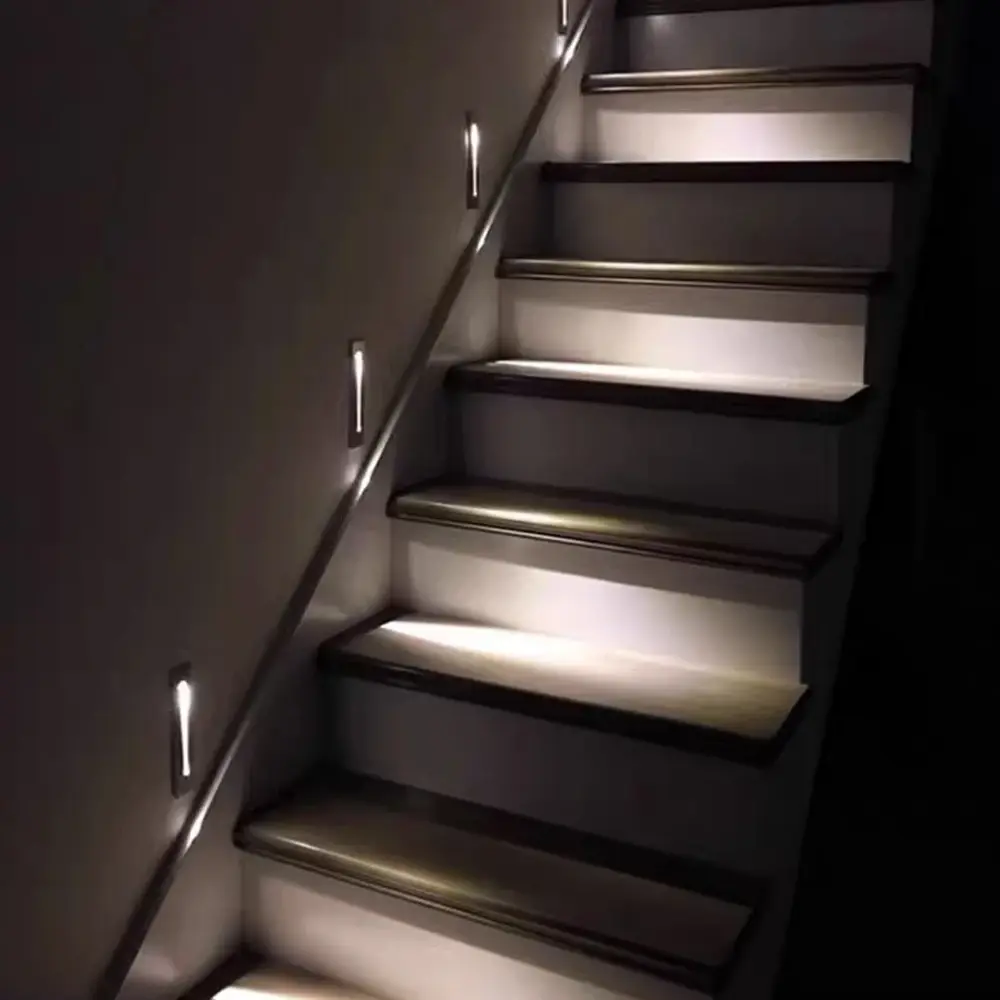
It's important to think about both safety and how the lighting should look when putting in recessed step lighting. In this line of work, fixtures should be spaced out every 24 to 36 inches along the stairs. But some changes might need to be made because of the lighting and space in the building. Lights should be set up so that there are no harsh shadows or glare that could put people in danger.
Most of the time, stairs that are put in by professionals have more than one lighting zone so that different parts of the stairs can get the right amount of light. Lights should be spread out more evenly on landings. Downlighting that is focused on the steps is best because it makes each tread edge stand out. When the stairs are built this way, they meet the same safety standards all the way up. This makes them safer.
Electrical Infrastructure and Control Systems
Recessed lighting works best when the infrastructure and plans for electricity are well thought out and built. People are liking low-voltage systems that run on 12V or 24V DC more and more because they are safer and easier to set up. They keep you safer when working with electricity and let you run longer cables without worrying about voltage drop.
Some of the more advanced ways to control them are motion sensors, the ability to use daylight, and the ability to connect to building management systems. Motion detection can save as much as 60% of energy in places where no one moves around much. But it still makes sure the alarm goes off right away when it needs to. There are sensors that change the levels of output automatically based on how much daylight there is. It keeps the lights the same and minimizes the waste of energy.
Compliance and Safety Standards
When putting in recessed lighting on stairs these days, you have to follow a lot of safety rules and industry standards. The International Building Code (IBC) says that there should be at least one footcandle of light on each step. But there needs to be a lot more light for many business uses. Fixtures also need to have the right IP ratings for where they will be used. In this case, installations that will be outside usually need protection of IP65 or higher.
It's important to follow the National Electrical Code (NEC), use the right grounding, and protect circuits to keep electricity safe. Professional installations often have GFCI (Ground Fault Circuit Interrupter) and overcurrent protection built in to make sure they are always safe to use.
Comparing Different Types and Features of Recessed Stair Lights
LED Technology Options and Performance Characteristics
In the market for LED recessed step lighting, there are a lot of different technology groups. Each one is useful for different things. When it comes to performance, the best chips right now are those that make 140 to 180 lumens per watt. These chips don't need as much power as older ones did. You can pick color temperatures from warm (2700K) for use at home to cool (5000K) for use in business settings where things need to be more visible and alert.
For a long time, the output stays the same with newer LED packages that have systems to control heat. Proper lights have aluminum heat sinks and thermal interface materials that remove heat from LED junctions. This makes sure that the bulbs work normally for more than 50,000 hours. When something lasts longer, it costs less to fix and works better for the people who run the building.
Smart Features and Control Integration
Recessed stair lights are becoming smarter these days, making them more useful and energy-efficient. The lights can be turned down when no one is in the room and up to full brightness when they sense movement. The wait time can be changed. Some systems can even change how much power they use based on how much light is coming in from outside.
With wireless control systems, you can control many lights from one place using apps or platforms for building automation on your phone. You can control zones, set times for tasks, and see how much energy is being used with these systems. It tells you a lot about how things are used and how to make them better. Some newer models can change colors on their own, which can help people remember a brand or get people in the mood for an event.
Durability and Environmental Resistance
When recessed lighting is used in a business setting, it needs to be able to handle rough conditions and still do its job. Most of the time, marine-grade aluminum housings with the right coatings to stop corrosion are a sign of a good outdoor build. You can get the lenses made of either high-grade polycarbonate or padded glass. You can hit either of these things and they won't break. They are also resistant to UV light.
The Ingress Protection (IP) rating of a product tells you how well it keeps dust and water out. Things with an IP65 rating can handle water and dust jets coming from any direction. In other words, they can be used outside for most tasks. Higher IP67 or IP68 ratings can protect some installations from water damage, either temporarily or permanently. This is useful for places that are close to water features or that are likely to flood.
Procurement Insights: How to Source and Purchase Recessed Stair Lights?
Supplier Evaluation and Selection Criteria
You need to think about more than just the product specs when you're looking for commercial-grade recessed lighting systems that work. What can the supplier do? A lot of well-known companies offer a lot of technical support, like photometric analysis, help with installation, and support after the ship date. People from many trades need to work together on big jobs to get them done right. This help is very helpful.
Quality seals are a good way to find out if a product is safe and reliable. When you buy fixtures, make sure that they have been approved by well-known testing groups like UL, ETL, or others. The item uses very little energy if it has the Energy Star label on it. It can be used with utility rebate programs that can cut the total cost of the project by a lot if it is approved by the Design Lights Consortium (DLC) program.
Volume Pricing and Contract Negotiations
A lot of the time, buying more of something will save you a lot of money and give you a longer warranty. When manufacturers set prices, they often use tiered pricing, which means that orders with more items get better prices. If you work on more than one project, you can save even more money. You don't have to worry as much about long-term maintenance if the warranty lasts between 5 and 10 years.
When you are negotiating the contract, you should talk about when the product will be delivered, who will help with technical issues, and how long replacement parts will be made. Certain companies have regional distribution centers that help people quickly get things and get new ones when they break. These kinds of things are even more important when projects need to be finished quickly or when the building needs to keep running normally while the work is being done.
Custom Solutions and OEM Partnerships
Many times, lighting solutions for businesses need to be made to order to fit the space or make sure they work well. You can change a lot of things, like the shape, the optics, and the way the controls work together. They may take longer to get to you at times, but they can help you install things that are hard to do in the best way.
A lot of the time, distributors and contractors can make private-label goods with OEMs that meet quality standards and help their brands stand out. Most of the time, these deals include better margins that help the business grow, the chance to co-brand, and the right to sell only their products.
Design Tips and Innovative Ideas to Elevate Modern Staircase Lighting
Color Temperature and Human-Centric Lighting
Strategic color temperature selection significantly impacts both aesthetic appeal and user experience in commercial environments. Warm color temperatures around 3000K create welcoming, comfortable atmospheres suitable for hospitality applications, while cooler 4000-5000K options enhance alertness and visibility in office or retail settings. Some advanced systems offer tunable white capabilities that automatically adjust color temperature throughout the day to support natural circadian rhythms.
Human-centric lighting principles emphasize the biological impacts of light exposure on alertness, mood, and overall well-being. Recessed stair lights configured with circadian lighting protocols can contribute to improved occupant satisfaction and productivity while maintaining safety standards. These systems typically feature gradual color temperature shifts that mirror natural daylight patterns.
Creative Applications and Artistic Integration
Modern staircase lighting design extends beyond basic safety requirements to encompass artistic expression and brand reinforcement. Color-changing LED systems enable dynamic lighting scenes that adapt to different events or seasonal themes. Hospitality venues often utilize these capabilities to create memorable guest experiences while reinforcing brand identity through signature color schemes.
Grazing lighting techniques can highlight textural elements in staircase construction, creating visual interest through interplay between light and shadow. Careful positioning of recessed fixtures can emphasize stone textures, wood grain patterns, or architectural details that might otherwise remain unnoticed. This approach transforms functional staircases into striking design elements that enhance overall space aesthetics.
Integration with Architectural Elements
Seamless integration between lighting systems and architectural elements requires close collaboration between lighting designers, architects, and contractors during the planning phase. Recessed fixtures can be coordinated with handrail systems, creating continuous lighting lines that enhance both safety and visual appeal. Some installations incorporate lighting into the handrail structure itself, providing both tactile guidance and illumination.
Advanced installations might include lighting that responds to user interaction through proximity sensors or touch-activated controls. These interactive elements create engaging user experiences while providing practical benefits such as energy conservation and enhanced accessibility for users with visual impairments.
Conclusion
There is a big improvement in the style of commercial lighting with the recessed stair lights. They make the building safer and use less energy, and they look great with modern buildings. These systems are great for procurement workers because they look better, need less upkeep, and have smart control features that make things run more smoothly. A good recessed light will make you safer right away and keep things running more smoothly over time. It's worth the extra cost because it will save you money in the long run. Today, recessed stair lighting is an important part of commercial design because it works well and fits in well with the building's style.
FAQ
What installation requirements are necessary for commercial recessed step lighting?
Because of the heat, commercial installations need to follow the electrical codes in their area and have the right IP ratings for the job. Most systems need GFCI safety and DC power with low voltage to work. The housing for the fixture also needs to be able to fit inside the set of steps.
How do recessed fixtures compare to surface-mounted alternatives for maintenance?
Recessed lights usually need less maintenance due to their protected positioning and LED technology longevity. LEDs don't need as much maintenance as surface-mounted options, even though they may be harder to set up at first. They last longer (50,000 hours or more) and are less likely to break.
What safety improvements do modern recessed systems provide?
System today is safer for people to use because it doesn't have any fixtures that stick out. It also gives off even, glare-free light. These more advanced models are safer for everyone because they meet accessibility standards, turn on automatically, and have backup batteries.
Are recessed stair lights suitable for outdoor commercial applications?
Outdoors, recessed lights that are of good quality and have the right IP65+ ratings work great. It's made of marine-grade materials that are resistant to UV light and will last a long time. The low voltage also makes it safer to use when it's wet.
Transform Your Commercial Spaces with USKYLED Recessed Stair Lights
There are high-tech recessed stair lights from USKYLED that are made to work well in businesses and buildings. We offer LED solutions that are built to last, have a high CRI, and work well with smart controls. They also have to meet strict commercial standards. We're a trusted manufacturer, so we offer full OEM/ODM services, the ability to supply in bulk, and the technical support that makes sure projects get done right. You can email our team at sales@uskyled.com to talk about custom lighting solutions that will save you money on energy costs and make your buildings look better.
References
1. Illuminating Engineering Society. "Lighting for Stairways and Ramps: Safety and Design Guidelines." IES Handbook, 10th Edition, 2021.
2. International Association of Lighting Designers. "Recessed Lighting Systems: Commercial Applications and Best Practices." IALD Technical Journal, Vol. 15, 2022.
3. Building Performance Institute. "Energy Efficiency in Commercial Lighting: LED Integration Strategies." Commercial Building Energy Report, 2023.
4. American Institute of Architects. "Integrated Lighting Design: Architectural Considerations for Modern Commercial Spaces." AIA Design Guidelines, 2022.
5. National Institute of Standards and Technology. "LED Lighting Performance and Safety Standards for Commercial Applications." NIST Special Publication 1800-12, 2023.
6. U.S. Department of Energy. "Commercial Lighting Modernization: Economic and Performance Analysis." DOE Building Technologies Report, 2022.

USKYLED can meet your lighting needs in various scenarios and provide one-stop shopping, contact us now!
Why You Should Choose USKYLED?
![What is Dimmable Track Lighting for Museum: Best Guide [2025]](/icms/upload/0d08cc601e7611f0b542b3ca0c0f4a83/pic/knowledgemanager-knowledgepic/e7879f32605f11f081911f363b8c1ed0/Directory/20250717 dimmable track lighting -1(1)_1752739217941.webp)