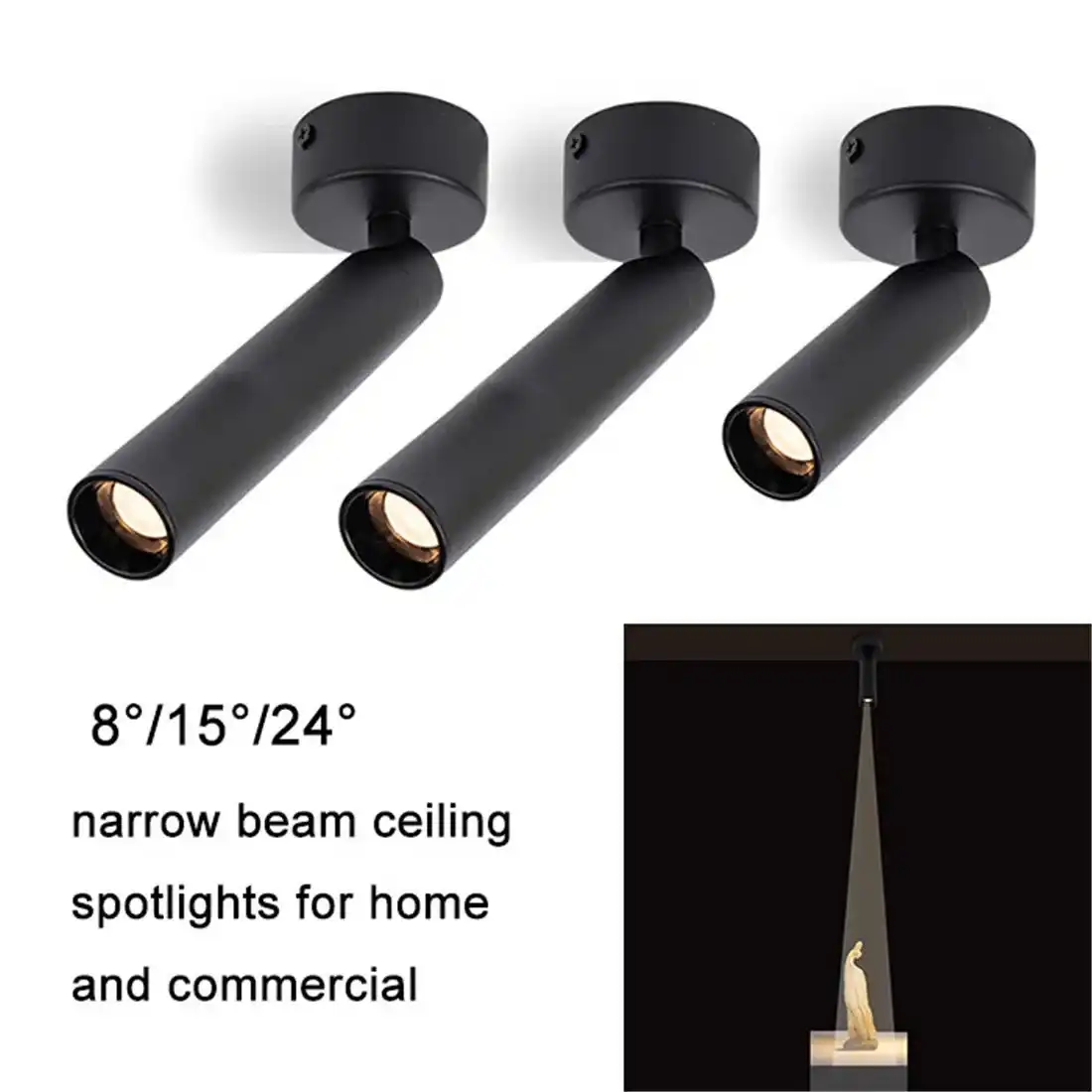
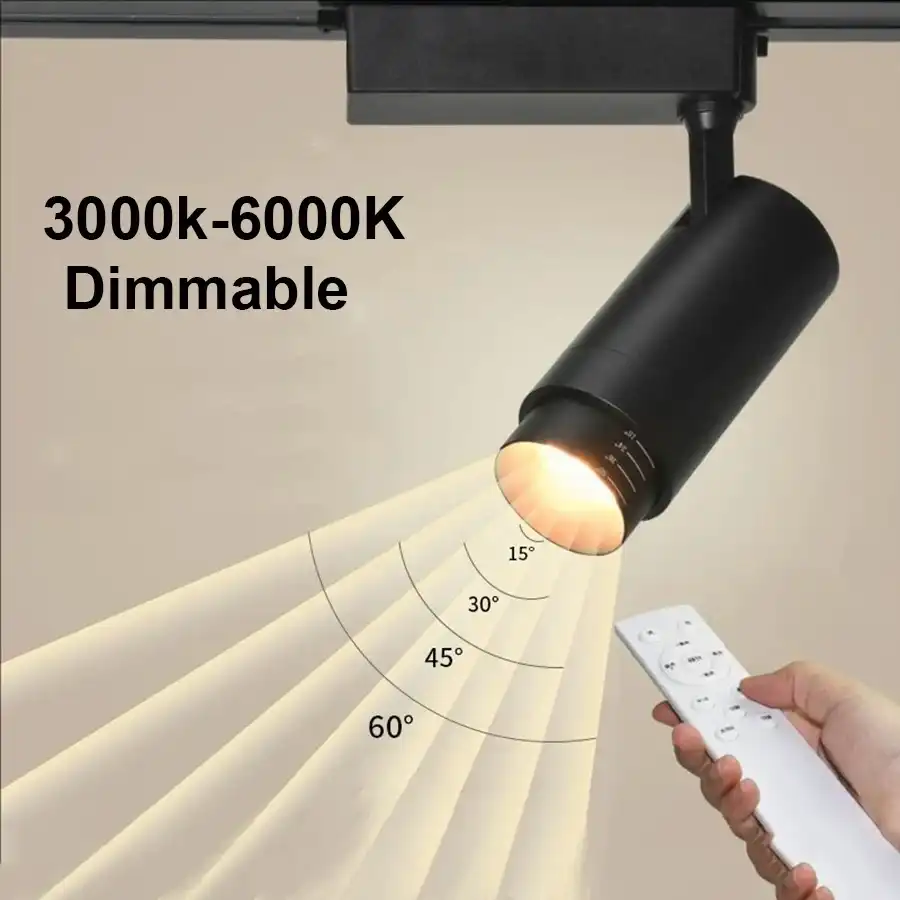
European architects are buying more and more linear lights from China since the country has superior production skills, low prices, and a wide range of customisation choices. Chinese companies have put a lot of money into LED technology and manufacturing infrastructure. This lets them provide high-quality linear lighting systems that exceed European architectural requirements while yet being affordable. Chinese linear lights are great for a wide range of commercial and residential projects in Europe since you can change the color temperature, dimming characteristics, and shape. Chinese vendors also have strong supply chain management and delivery schedules that work with project timetables. This makes them the best partners for architects who need trustworthy lighting solutions.
Introducing the Appeal of Chinese Linear Lights for European Architects
Chinese linear light makers have changed the architectural lighting market by always looking for new ways to improve their products and technology. China's manufacturing sector has cutting-edge factories with precise machines and quality control systems that are on par with those used in other countries. This technology base lets Chinese businesses make high-tech LED linear lighting systems with smart controls, wireless connection, and designs that save energy.
Advanced Manufacturing Capabilities and Innovation
Chinese factories can do a lot more than just simple assembly work. Automated manufacturing lines, precise testing equipment, and full quality assurance methods are all part of modern facilities. These companies spend a lot of money on research and development, which leads to new ideas like ultra-thin profiles, seamless light dispersion, and better thermal management systems. Smart technology lets you use features like customizable lighting scenarios, daylight harvesting, and connecting to building management systems.
Cost-Effectiveness Without Quality Compromise
Chinese suppliers have great cost benefits from economies of scale, efficient production processes, and simplified supply chains. The competitive price structure does not mean worse quality, as the best manufacturers have strict quality control requirements throughout the manufacturing process. This cost-effectiveness is helpful for European architects, especially when they deal with customers who are on a tight budget or on big projects that need a lot of lighting fixtures.
Supply Chain Excellence and Logistics
Chinese manufacturers' logistical benefits have a big effect on how projects are planned and carried out. Architects may design projects with confidence because they can rely on established shipping networks, variable order amounts, and consistent delivery timetables. Many suppliers have distribution hubs in Europe and local support teams, which speeds up delivery times and makes it easier to get technical help and warranty services.
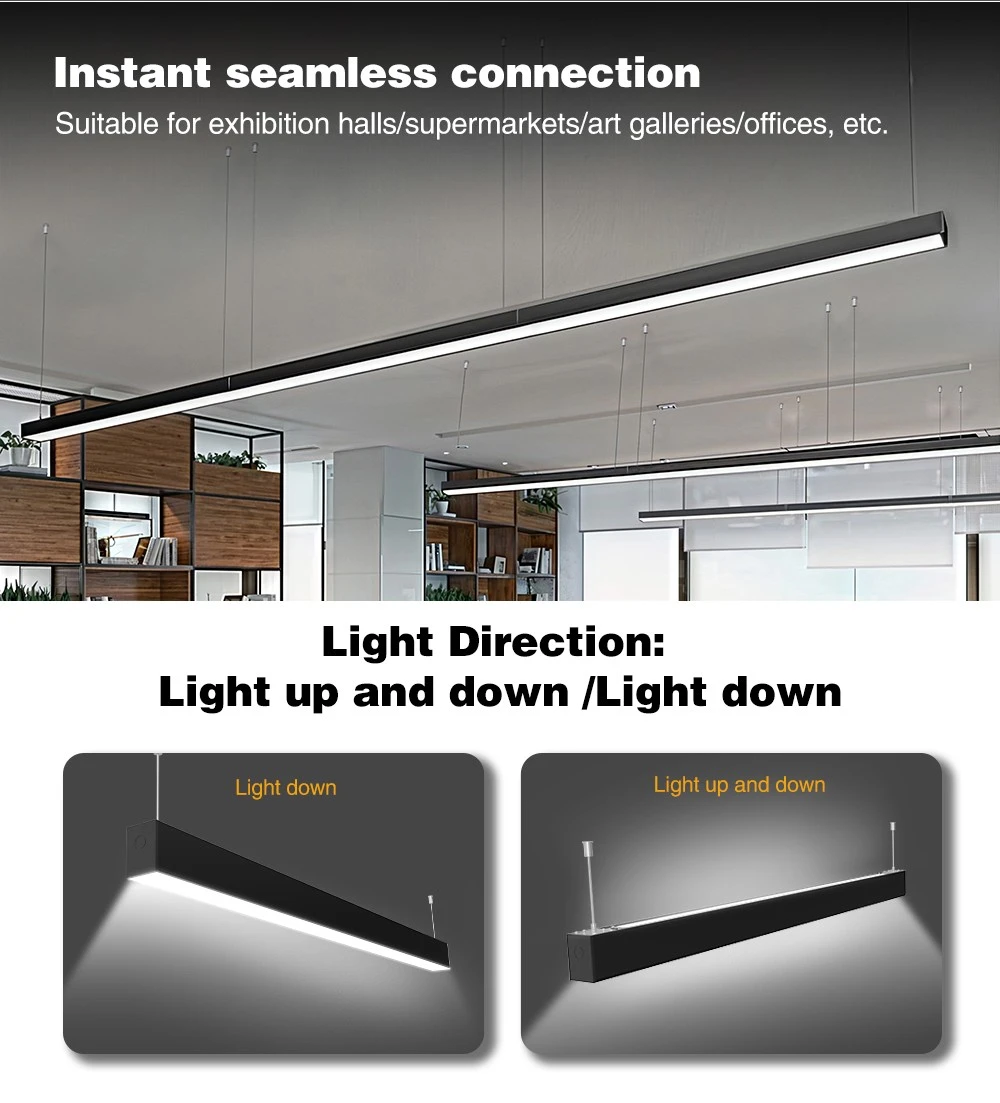
How Chinese Linear Lights Meet European Architectural Standards and Design Needs?
European building projects need lighting systems that meet strict safety, environmental, and design criteria. Chinese companies have met these needs by putting in place thorough certification systems and using international quality standards. The emphasis on compliance means that architects can be confident that Chinese linear lighting solutions will work well and follow the rules.
International Certification and Compliance Standards
Top Chinese manufacturers get important certifications including CE marking for accordance with European standards, RoHS compliance for environmental safety, and UL listing for North American markets. These certificates show that the company follows safety rules, electromagnetic compatibility rules, and environmental rules. The certification procedure includes strict testing by recognized labs to make sure that items meet or surpass European performance standards.
Energy Efficiency and Sustainability Features
Modern linear lighting systems from China use the latest LED technology, which has very high energy efficiency ratings. Most of the time, these items have luminous effectiveness levels more than 100 lumens per watt, which means they use less energy and cost less to run. Quality LED linear lights may last for 50,000 hours or more, which is in line with European sustainability targets since it means fewer replacements and less maintenance.
Design Versatility and Customization Options
Chinese manufacturers are great at making things that can be customized to meet particular architectural needs. You may choose from several color temperatures, from warm 2700K to cold 6500K, customizable beam angles, and bespoke form factors. Architects may create exact lighting designs that fit their artistic vision and practical needs by being able to change size, mounting configurations, and control interfaces.
Comparison: Chinese Linear Lights vs. Traditional European and Other Global Suppliers
The market for architectural lighting has changed a lot. Chinese companies are now seen as genuine alternatives to well-known European names. Modern LED linear lighting systems are far better than older fluorescent and halogen technology. Chinese vendors also provide better pricing than high-end European manufacturers.
Performance Metrics and Technical Specifications
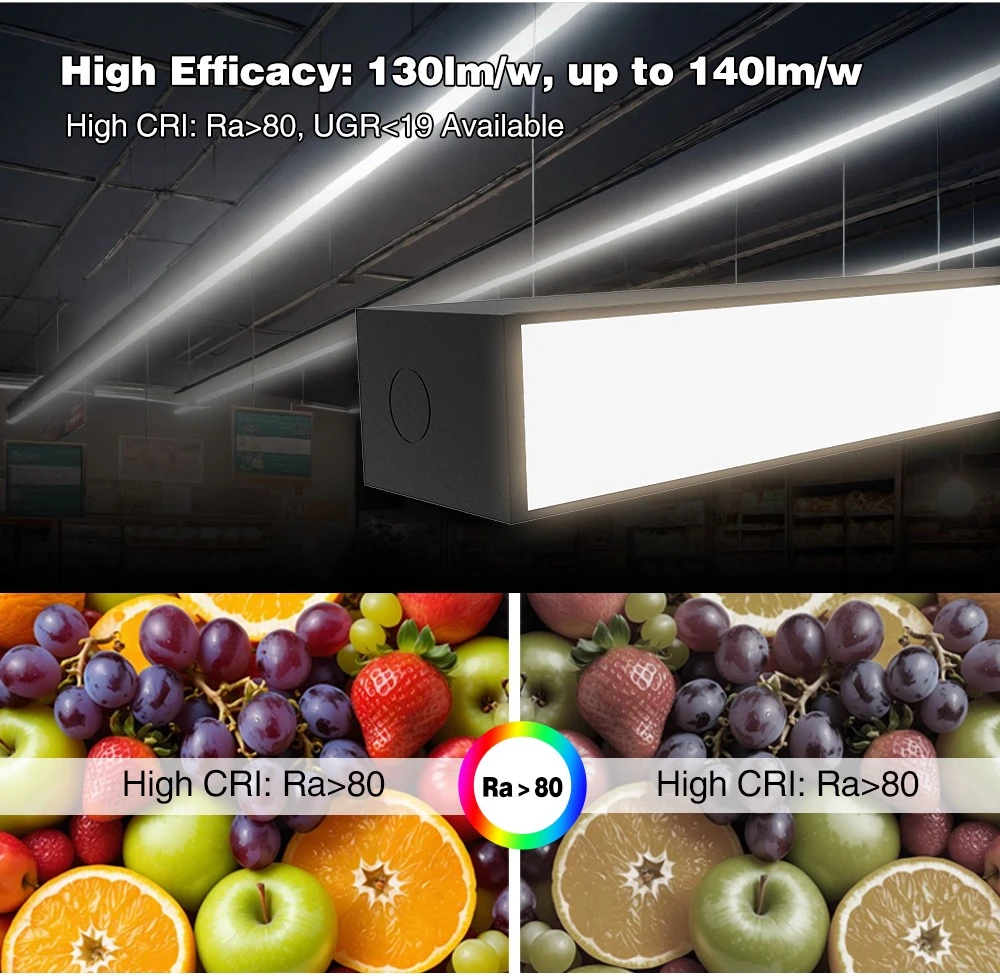
Modern Chinese linear lighting products have performance features that are on par with those of high-end European manufacturers. Key criteria, such color rendering index (CRI) values above 90, low flicker rates, and consistent color temperature, are the same as or better than industry standards. Quality Chinese goods have heat management technologies built in that make sure they work well and last longer, which solves worries about dependability and maintenance.
Warranty Coverage and After-Sales Support
Well-known Chinese manufacturers provide full warranty coverage, which usually lasts three to five years for linear lighting systems. The infrastructure for after-sales assistance has grown a lot. Many suppliers have set up European service centers and technical support teams. Having a local presence means that warranty claims, technical questions, and requests for replacement parts will be handled quickly, which solves earlier worries about assistance from overseas suppliers.
Value Engineering and Return on Investment
When it comes to big projects and bulk buying, the cost benefits of getting goods from Chinese vendors become quite clear. Architects may save 30% to 50% on costs compared to high-end European brands. This lets them use those savings on other parts of the project while still meeting lighting quality criteria. Building owners and facility managers get a great return on investment from the combination of low prices, energy efficiency, and long product life.
Procurement Strategy: How to Source Linear Lights from China Efficiently?
To get linear lighting systems from Chinese providers, you need to carefully evaluate suppliers, make explicit specifications for Linear Lights, and set up organized communication methods. Understanding manufacturing capabilities, quality assurance methods, and logistical issues that affect project timetables and results is helpful for the procurement process.
Supplier Selection and Due Diligence
To properly evaluate a supplier, you need to look at their manufacturing certifications, production capacity, and quality management processes. Factory audits, whether done directly or by a third party, give you an idea of how well the factory can make things and how it checks for quality. ISO certification status, availability of testing equipment, and a history of comparable initiatives in European markets should all be part of the evaluation criteria.
Specification Development and Technical Requirements
Developing precise specifications makes sure that the needs of the architecture and the capability of the provider are in sync. Photometric performance, electrical qualities, mechanical dimensions, and environmental ratings are all very important. If you want to avoid misunderstandings and make sure that your new system works with the ones you already have, you need to be clear about what you need from the control system, the dimming protocols, and the integration standards.
Logistics Planning and Import Considerations
When buying things from other countries, you need to pay close attention to shipping conditions, customs processes, and delivery schedules. Knowing Incoterms, import tariffs, and certification criteria might help you avoid delays and extra expenditures. Many experienced suppliers can help you with the steps you need to take to import goods and can also arrange for aggregated shipments to save money on shipping and speed up delivery.
USKYLED: Your Trusted Linear Lights Manufacturer Partner
USKYLED is a top maker and seller of high-quality LED linear lighting solutions made specifically for the tough European architecture market. Our whole range of products includes state-of-the-art linear lights with modern LED technology, sophisticated control systems, and customized design choices that can be tailored to match the needs of any project. We use cutting-edge engineering and strict quality control to create lighting solutions that change the look of rooms by precisely controlling the light and using less energy.
Advanced Product Technology and Features
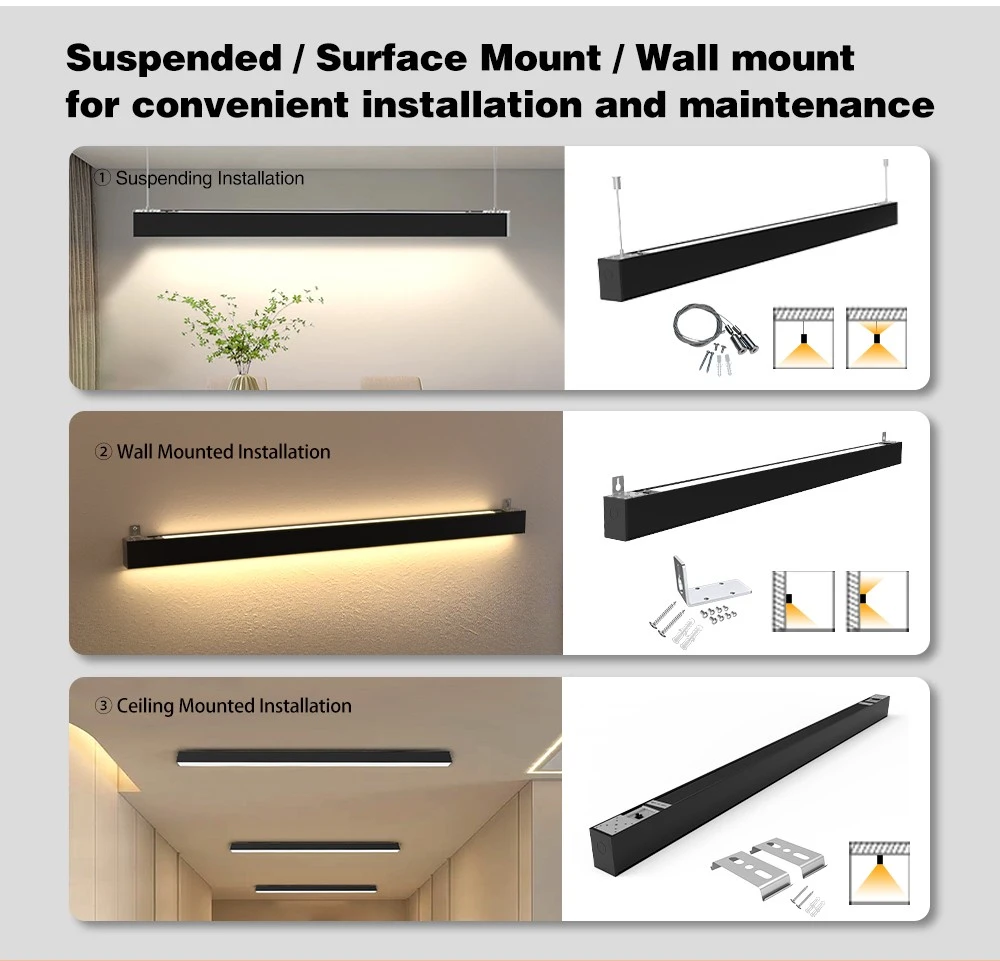
Our linear lighting systems use the newest LED technology, have excellent CRI ratings above 90, don't flicker, and can be controlled by smart devices so they can work with building management systems without any problems. The product line comprises magnetic track systems, architectural luminaires, and flexible linear lights that may be installed in a number of different ways. To make sure they meet international certification standards like CE and RoHS, every product goes through a lot of testing.
Custom OEM/ODM Solutions and Design Flexibility
USKYLED is an expert in creating custom lighting solutions with our full range of OEM/ODM services. Our engineers work with architects and designers to create unique linear lighting systems that suit certain aesthetic and performance needs. We change our manufacturing capabilities to meet the specific needs of your project, from customized form factors to unique control interfaces. We do this while still keeping our promise of quality and dependability.
Conclusion
The fact that more and more European architects are using Chinese linear lights shows that China's lighting sector has improved its production capabilities, quality standards, and service infrastructure. Chinese vendors have effectively dealt with past worries about quality and service while still having big cost advantages. The combination of cutting-edge LED technology, a wide range of customisation choices, and low prices makes for very attractive value propositions for architectural projects all around Europe. As the industry changes, Chinese manufacturers stay at the front edge of innovation by creating new technologies and extending their skills to satisfy the needs of new markets.
FAQ
Q1: What are the key differences between linear lights and traditional strip lights?
A: Linear lights are better than standard strip lights because they are more structurally sound, better at dissipating heat, and have more advanced optical control. In commercial and architectural settings, they usually include aluminum housings, precise optics, and built-in drivers that improve performance and make the products last longer.
Q2: How do Chinese linear lights compare to European brands in terms of energy efficiency?
A: Good Chinese linear lights use less energy than or equal to European brands, and their luminous effectiveness is typically above 100 lumens per watt. The newest LED technology and innovative thermal management systems make sure that the lights work at their best while using up to 70% less energy than older lighting technologies.
Q3: What customization options are available when sourcing linear lights from Chinese manufacturers?
A: Chinese providers usually offer a lot of customization options, such as changeable color temperatures (2700K–6500K), variable beam angles, bespoke sizes, mounting options, and interaction with control systems. A lot of manufacturers also provide particular features like emergency lights, wireless controls, and mounting options that are relevant to architecture.
Partner with USKYLED for Premium Linear Lighting Solutions
USKYLED's cutting-edge linear lights will change the way you work on architecture projects. They are made for professionals who expect nothing less than the best. Our knowledgeable staff will help you with everything from the first meeting to the end of the project, making sure that our lighting solutions fit perfectly into your plans. Use our low prices for bulk orders, wide range of customization options, and dependable delivery times to keep your projects on track. As your trusted linear lights provider, find out how our energy-efficient linear lighting solutions may improve your next project while also giving you great value. Contact us at sales@uskyled.com to request product samples, technical specifications, and personalized quotations tailored to your specific requirements.
References
1. Thompson, M. & Williams, R. (2023). "Global LED Market Analysis: Manufacturing Trends and Quality Standards." International Lighting Journal, 45(3), 112-128.
2. European Commission Directorate-General for Energy. (2022). "Energy Efficiency in Commercial Buildings: Lighting Technologies Assessment." Brussels: European Union Publications Office.
3. Chen, L., Anderson, K. & Martinez, S. (2023). "Comparative Study of LED Linear Lighting Performance: Asian vs European Manufacturers." Journal of Architectural Engineering Technology, 18(2), 89-105.
4. International Association of Lighting Designers. (2022). "Procurement Best Practices for Architectural Lighting: Global Sourcing Strategies." IALD Professional Development Series, Volume 12.
5. Building Research Establishment. (2023). "Sustainability Assessment of LED Lighting Supply Chains in European Construction Projects." BRE Technical Report TR-2023-156.
6. Zhang, W., Mueller, H. & Davidson, P. (2022). "Quality Assurance in International LED Manufacturing: Certification Standards and Testing Protocols." Lighting Research & Technology, 54(8), 723-741.


![What is Dimmable Track Lighting for Museum: Best Guide [2025]](/icms/upload/0d08cc601e7611f0b542b3ca0c0f4a83/pic/knowledgemanager-knowledgepic/e7879f32605f11f081911f363b8c1ed0/Directory/20250717 dimmable track lighting -1(1)_1752739217941.webp)