Why Waterproof Step Lights Are Essential
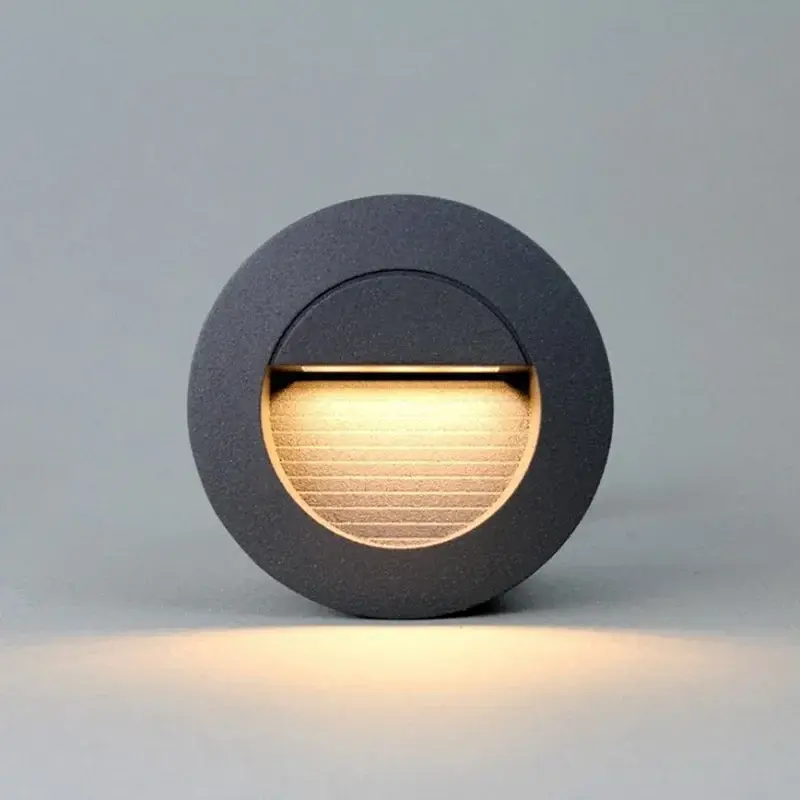
Waterproof step lights are made to withstand rain, snow, and other bad weather conditions in order to light up stairs, walks, and outdoor changes. These unique light bulbs make buildings look better, keep people from falling when they're wet, and lower risk in businesses. Because they are sealed, water can't get inside, so they can be used in hotels, shopping stores, gardening projects, and city infrastructure. Waterproof step lights meet international safety standards, save energy, and are durable in addition to offering basic lighting. All of these things are important for procurement managers who want safe lighting choices that are also low-cost to maintain.
Understanding Waterproof Step Lights: Definition, Function & Benefits
What Are Waterproof Step Lights?
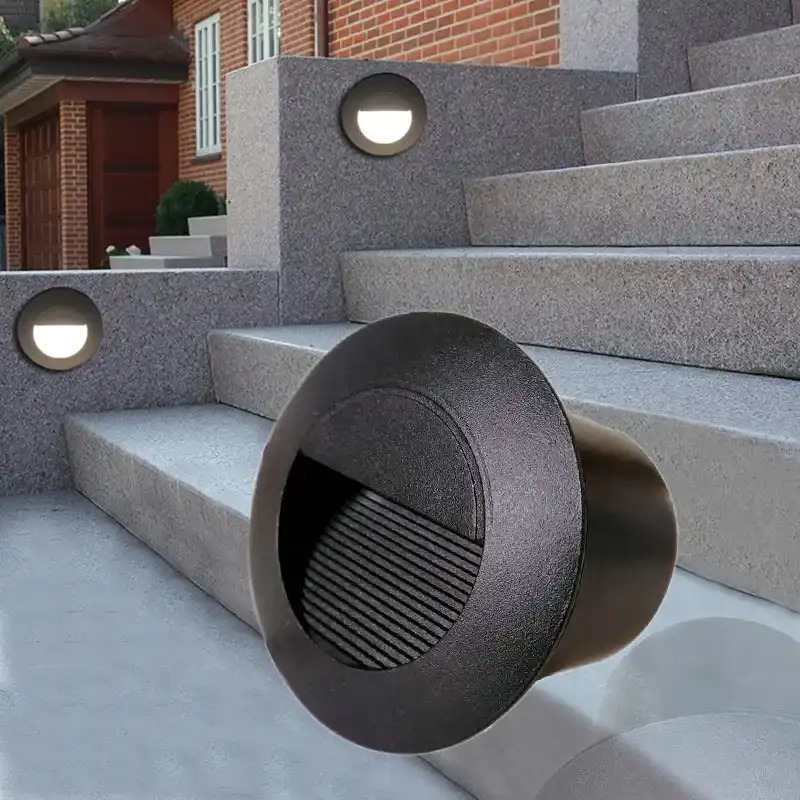
These lights have casings that are tightly sealed to keep water out. Light fixtures like these are not like regular ones because they use modern gasketing technologies, pressure-equalizing valves, and materials that don't rust. The grade of Ingress Protection (IP) tells us how water-proof they are. IP65 protects them from water jets, IP67 lets them go underwater up to one meter, and IP68 lets them work all the time underwater. Sometimes regular lights wouldn't work at beach resorts, on outdoor stairs, around pools, or at the changes between parking buildings. That's why commercial lighting companies use these units instead.
Core Functions in Commercial Applications
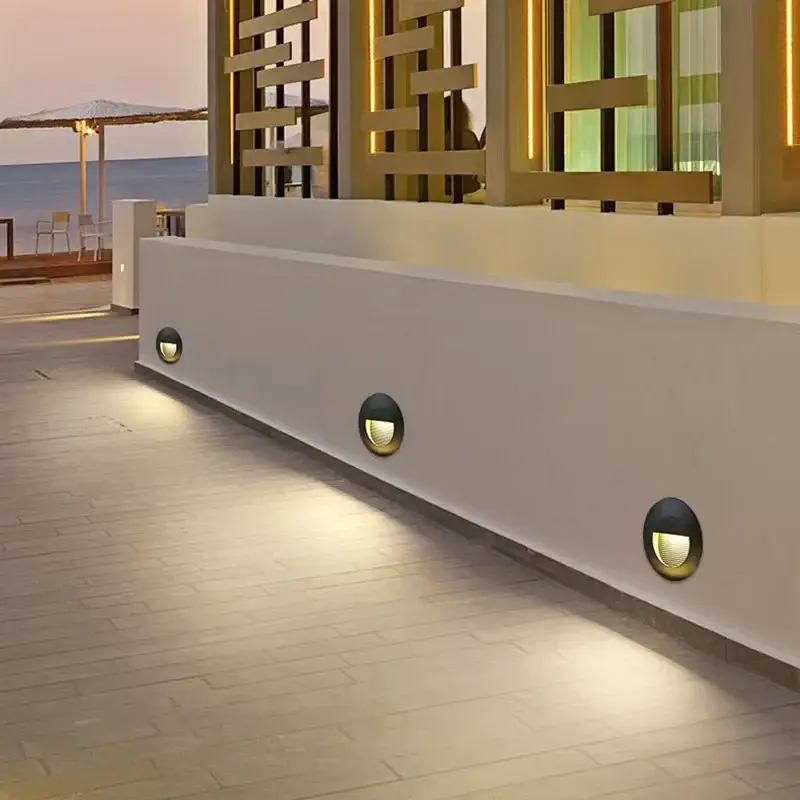
In a business-to-business setting, these lighting choices can be used for different jobs. In the rain or snow, they shine light up high steps where someone is more likely to slip. This makes it safer for people to walk through hotels, office buildings, and shopping areas. In public works projects, they make outdoor walks and stairs safer for people and make sure they can handle freeze-thaw cycles. They need to be waterproof because landscapers put them in flower beds and other places where they will be wet from watering systems and changing weather. This is because the dual-layer rubber seals and wire glands keep the electricity safe even during big storms.
Economic and Safety Benefits
The financial advantages extend beyond initial purchase prices. Up to 70% less power is used by energy-efficient LED lighting than by traditional lighting. Here's how this affects the costs of running big business sites for people who are in charge of facilities management. They often last more than 50,000 hours, which cuts down on the number of times they need to be changed and the cost of the work. When wet stairs are properly lit, slip-and-fall accidents are much less likely to happen. This saves property owners a lot of money in claims. Insurance companies know that this makes things safer, so they often give businesses with full safety lighting systems better rates.
Essential Types & Features of Waterproof Step Lights for Procurement Decisions
The more sourcing managers know about the different kinds of goods on the market, the better they can match project needs with technical specs. People who want to save energy, put something differently, or just like different ways of using things can all find what they need on the market.
LED Versus Solar-Powered Models
A lot of people like commercial LED waterproof step lights because they are simple to set for brightness, have a consistent color temperature, and can connect to building management systems. No matter what the weather is like, these lights will work with regular electrical systems and give off steady light. For projects that need accurate visual performance and control from one place, engineers like them best. Because they don't need lines and get their power from the sun, solar-powered choices are good for hard-to-reach areas or places that want to be more eco-friendly. They work better in places with a lot of sunshine, but not as well in places with a lot of shade or stairwells that are closed.
Smart Features and Control Options
Motion sensors in newer electronics only turn on the lights when someone goes by. This saves power when there isn't much going on. With timers, you can schedule tasks to run at times that work for businesses. This is especially useful for office buildings and shopping stores. Internet of Things (IoT) connection is built into some more advanced models. This lets building managers check on performance from away, get repair alerts, and change the brightness levels through central software platforms. People who are building homes and want to get LEED points and make things run more smoothly will like these smart features.
Material Construction and Durability Standards
How long a building lasts in difficult conditions depends on what it is made of. Marine-grade stainless steel (316L) doesn't rust in salt water, so it's good for places that are close to the water. Die-cast metal with an electrophoretic covering works well for business uses in the middle of the country. Engineering plastics that are UV protected don't change color or break in places with a lot of sunlight. Grades of impact resistance (IK08–IK10) show how well the item can handle being hit hard in places with a lot of foot traffic. So that things don't break down too quickly, hiring workers have to find these qualities based on how the site is set up.
Installation and Maintenance Guide: Maximizing Lifespan and Performance
Pre-Installation Site Assessment
An in-depth look at the site is the first thing that needs to be done for execution to go well. Project managers should check the mounting area to make sure that setups that are hidden have enough support. Load predictions for the power lines show that they can handle more lights without getting too busy. There are specific rules about wet location lights in each city's building codes. For example, IP ratings and GFCI safety are needed. You need to think more about how to protect your things from salt spray and rust if you live near the coast. Plan well now so you don't have to make pricey changes while the building is going on.
Professional Installation Best Practices
Some things can be put in without the help of a licensed electrician, but for more difficult business jobs, you should have a licensed electrician there. For recessed step lights to stay dry, they need holes that are the right size and waterproof rings. Put strain relief and glands in the right places where cords enter to keep water from moving along the wires. It is safer to be near ponds or waterfalls when there are low-voltage systems (12V/24V) in public places. Power outlets with high power (120V or 240V) work well outside of buildings where access is limited. Temperature bonds the LED circuit board to the heat sink so that heat can be removed even though it is covered.
Systematic Maintenance Protocols
Regular checks keep the warranty effective and make the tools last longer. Every three months, visual checks find problems like gaskets that are breaking down, glasses that are cracked, or fastening hardware that is rusting before they make the security less effective. When you clean, don't use rough things that could break glasses or damage the coats that protect them. When things pile up around fixtures, especially outside, they can trap water and make rusting happen faster. Building managers should keep track of maintenance jobs and trends in performance that help them figure out when to repair things. As soon as fog forms inside glasses, the sealing is broken and needs to be fixed right away. Good fittings have ePTFE air valves that stop water molecules and keep the pressure inside the fixture even.
How to Choose the Best Waterproof Step Lights for Your Business Needs?
Defining Project-Specific Requirements
Businesses should match their technology needs with their overall goals when deciding what to buy. Where the lights are put in determines the minimum IP grade. For instance, sidewalk lights on the ground must be at least IP65, and lights next to waterfalls must be IP68. As long as there is no glare, lumens must be used to figure out how bright something is. The mood changes when you pick the right color temperature. Cool white (4000–4500K) is better for business and government settings, while warm white (2700–3000K) is better for hospitality environments. How the light is spread depends on the angle of the beam. Narrow beams bring out the details of a building, while wide beams make sure that the stairs are well lit.
Evaluating Supplier Capabilities
Suppliers show how technically skilled they are by giving you a lot of details about their goods, such as electrical specs, optical data, and IP certification test results. How sure the company is in their goods is shown by how long the guarantee lasts. Brands with a good reputation cover you for three to five years and offer helpful expert support. International sellers who buy in bulk save money because each unit costs less, and the quality of the goods stays the same for all large projects. OEM partners should let customers make changes that take into account things like size restrictions, hanging setups, or personal preferences when it comes to how the product looks. Every part of transportation is important. Delivering on time keeps projects moving forward, and it's also important to have enough goods on hand in case of an emergency.
Sustainability and Long-Term Cost Analysis
More and more people are buying things with environmental worries in mind. Solar options leave less of a carbon footprint and cost less to run, but they cost more up front and need a lifetime cost study. LED technology that uses less energy cuts down on the power needed and the stress on the HVAC system from making heat. Using reusable building materials and having reasonable plans for getting rid of things when they're no longer useful help companies meet their environmental goals. When you figure out the total cost of ownership, you should include things like how much energy you save, how often you have to replace things, and how much it costs to get rid of them after the expected service life. This often means that spending more on better hardware is worth it because they last longer.
Market Trends and Future Developments in Waterproof Step Lighting
The lighting business is always finding better ways to make waterproof step lights by using material science and computer engineering.
Technological Innovation Driving Performance
The LED chips of the next version are more efficient, which means they give off more light per watt. This means that batteries in solar models last longer, and devices that are linked to the power grid use less power. Today's driver circuits have surge protection (4kV–6kV) that keeps them safe from lightning strikes and power changes that happen a lot in outdoor setups. Nano-coated toughened glass lenses stay clear longer and don't scratch as easily as plastic lenses. Engineering firms are now interested in these changes because they want to find cutting-edge solutions with low term costs.
Smart Integration and IoT Connectivity
The more building automation systems work together, the more outdoor lighting is being added to centralized control platforms. If you connect step lights electronically, you can control them all at once, set them to dim, and make them work based on how they are used without having to do a lot of wiring. Managers of buildings can see how things are running right now, which helps them find broken parts before they become a safety risk. Predictive maintenance programs look at how the system is being used to make fix suggestions that are based on real usage, not on plans that were made at random. Home builders like this intelligence because it helps them make their homes stand out by giving renters benefits and smart building certificates.
Regulatory and Certification Evolution
International rules are always changing because new safety and economy problems come up. In order to meet the new UL and CE rules, protected lights must have better temperature and surge safety. People in North America who buy products listed by the DesignLights Consortium can get energy refunds that help them cover the costs of buying the products in the first place. RoHS limits the use of harmful chemicals, which is good for the environment. People who are in charge of buying things need to know about any new rules that could affect the places they deal with. When new rules come out, it may be necessary to update requirements that are already up to date. When you work with companies who keep their certifications up to date, you lower your risk of not following the rules.
Conclusion
These days, waterproof step lights are important for safety and looks in many public, work, and outdoor places. Their reinforced construction keeps out environmental hazards and gives off energy-efficient light that saves money and keeps you from getting sued. Procurement experts have to find a balance between technical details like IP grades, material durability, and brightness levels, and how reliable, flexible, and long-term supportive the provider is. Products keep getting more valuable as new smart features and eco-friendly technologies are added. This gives companies that think ahead a competitive edge in the market. Be careful when picking waterproof step lights to protect your investments and make your house safer and more beautiful.
FAQ
What IP Rating Do I Need for Outdoor Stairs?
Stairs outside that get wet must have a rating of at least IP65, which means they can handle water jets coming from any direction. Fixtures with an IP67 grade can handle being submerged for a short time up to one meter. This makes them good for places that get flooded sometimes. They need to be IP68 approved so they can be submerged all the time if they are going to be put next to ponds or used underwater.
How Long Do Waterproof Step Lights Last?
Most good LED lights can work for 50,000 to 100,000 hours before they lose a lot of their brightness. If everything goes as planned, this means fifteen to twenty-five years. How long it lasts depends on where it is, how well it was put, and how often it is kept. There are guarantees on high-end names that show how long people think the things will last.
Can Aluminum Fixtures Work in Coastal Areas?
Standard die-cast aluminum rusts very quickly in salt water. For jobs near the water, you must use marine-grade 316L stainless steel or metal that has been highly polished and powder coated. The people in charge of engineering should make sure that the materials used to build beach homes don't rust so that the buildings don't fall apart quickly and cost a lot to fix.
Partner with USKYLED for Reliable Waterproof Step Light Solutions
When USKYLED makes waterproof step lights for business and industry projects, they use cutting edge LED technology and strict quality controls to make sure the lights work well. Our lights are approved IP65 and IP68, have a high CRI (90+), and don't flicker. This means they can work reliably in a lot of different places. Email our sales team at sales@uskyled.com to learn more about buying in bulk and how our energy-saving lights can save your business money and make things safer.
References
1. Illuminating Engineering Society. "Recommended Practices for Outdoor Lighting Safety in Wet Locations." IES Technical Memorandum Series, 2021.
2. National Electrical Manufacturers Association. "NEMA Standards Publication: Enclosure Types and IP Rating Correlations for Outdoor Lighting Fixtures." NEMA 250-2022.
3. U.S. Department of Energy. "LED Lighting in Harsh Environments: Performance and Durability Testing Results." DOE Solid-State Lighting Program Report, 2023.
4. International Electrotechnical Commission. "Degrees of Protection Provided by Enclosures (IP Code)." IEC 60529 Standard, Third Edition, 2020.
5. DesignLights Consortium. "Technical Requirements for Outdoor Step and Pathway Lighting: Energy Efficiency and Performance Criteria." DLC Qualified Products List Guidelines, 2024.
6. American Society of Civil Engineers. "Safety Standards for Stairway and Ramp Lighting in Commercial Buildings." ASCE/SEI 7-22 Minimum Design Loads and Associated Criteria, 2022.

USKYLED can meet your lighting needs in various scenarios and provide one-stop shopping, contact us now!
Why You Should Choose USKYLED?
![What is Dimmable Track Lighting for Museum: Best Guide [2025]](/icms/upload/0d08cc601e7611f0b542b3ca0c0f4a83/pic/knowledgemanager-knowledgepic/e7879f32605f11f081911f363b8c1ed0/Directory/20250717 dimmable track lighting -1(1)_1752739217941.webp)