Central Battery vs Self-Contained Emergency Lighting
The choice between central battery and self-contained Emergency lighting systems has a big effect on the safety, compliance, and costs of running your business. A central battery design emergency lighting system combines power sources into one place, which supplies power to many lights throughout your building. Self-contained units have batteries built right into each light fixture to provide extra power. Both methods meet life safety standards, but they are very different in how hard they are to install, how often they need to be maintained, and how much they cost to own in total. When procurement managers, facility engineers, and project leaders know these differences, they can choose the option that fits their building's size, price, and long-term operational goals the best.
Understanding Emergency Lighting Systems: Central Battery vs Self-Contained
Central Battery System Architecture
Back-up power is gathered in a separate battery room or electrical closet for central battery emergency lights. A single big battery bank, usually made of nickel-cadmium, valve-regulated lead-acid, or lithium-ion, powers many LED lights spread around the building in case of an emergency. When the power from the mains goes out, an automatic transfer switch sends power from the battery to certain emergency lights. For this design to work, emergency lights must be wired back to the central transformer site using separate sub-circuits.
Self-Contained System Design
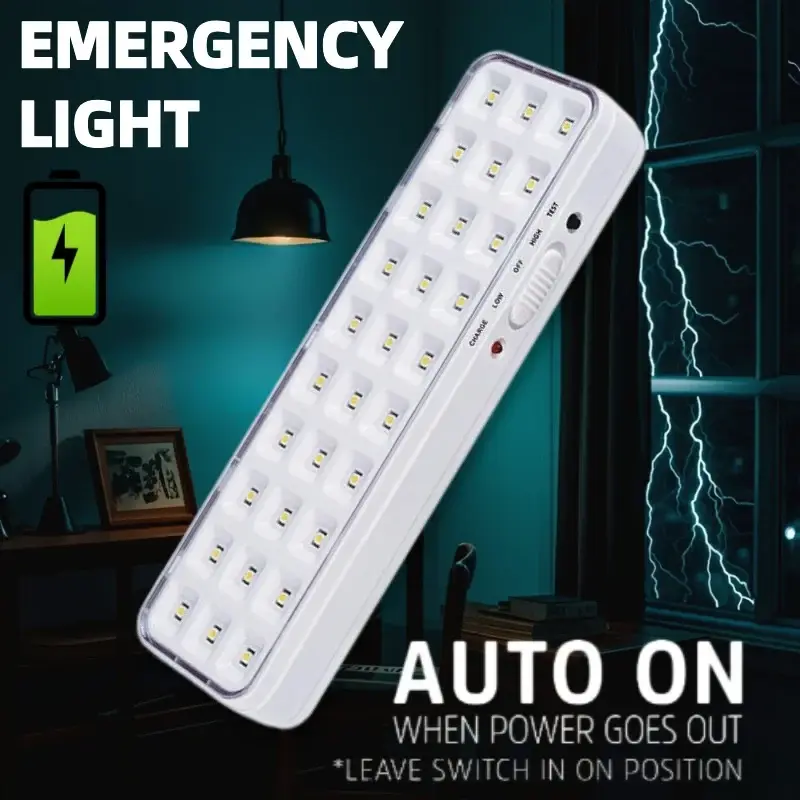
Each fixture housing in a self-contained emergency light has its own battery pack and charge line. The luminaire's internal battery is charged by the building's electricity source when it is in normal use. When the power goes out, an integrated monitor turns on the battery to power the LED lights for the set amount of time, which in the US is usually 90 minutes based on NFPA 101 guidelines. Each device works on its own, without relying on tools in one place.
Operational Activation Mechanisms
Both methods use voltage tracking circuits to find out when the main power goes out. Central battery configurations are turned on by transfer switches that work across the whole building and turn on all emergency lights that are linked at the same time. Individual self-contained units react at the fixture level, ensuring limited action even if other circuits are still on. With this autonomous method, there is built-in redundancy, since a broken fixture doesn't affect units next to it. On the other hand, central systems group emergency capacity together, which makes planning capacity and figuring out backup time easier for big Emergency lighting system installations.
Comparing Key Dimensions of Central Battery and Self-Contained Systems
Installation Complexity and Infrastructure Requirements
Specialized electricity equipment is needed for installations of central batteries. You'll have to pay more for materials and work up front because you'll need to run separate conduit from the battery rooms to each emergency fixture. Battery rooms need to have natural factors like temperature control, airflow, and, in some places, seismic bracing. When thinking about voltage drop, cable length can lead to the need for bigger wires or more power sources in between.
Self-contained connections make rough-in a lot easier. Electricians connect them to normal branch panels in the same way they connect to normal lighting lines. This method makes it easier for everyone to work together during building and lets setups happen in stages without having to plan where the battery rooms will go ahead of time. Retrofit projects benefit the most because current lights can be changed to emergency models that can run on their own without having to rebuild the infrastructure.
Maintenance Demands and Service Protocols
The battery room is where most of the repair work for central battery equipment is done. At one site, technicians do functional tests once a month, yearly discharge capacity checks, and regular battery replacements. Instead of checking hundreds of separate units, this merging cuts down on the time needed to do the work. These days, central systems connect to platforms for building management, organizing test plans and keeping electronic records of compliance paperwork.
For self-contained care, you have to go to each light on its own every month to test the lamps and check the batteries once a year. Facilities with hundreds of emergency lights have to do a lot of work. Changing the batteries at light level means that lift equipment is needed for units that are placed on the ceiling. Individual fixture failures, on the other hand, don't require system-wide repair, and it's still easy to keep track of extra parts.
Regulatory Compliance and Standards Adherence
When properly defined and kept, both architectures meet the standards of the NFPA 101 Life Safety Code and the International Building Code. For important circuits, most central battery systems use wiring ways that meet NEC Article 700 and are rated for emergencies. Maintenance logs, records of battery load tests, and proof that the transfer switch works are all examples of documents that must be kept.
Self-contained units must have test buttons and pilot lights that can be easily inspected. Unless they have self-testing electronics, monthly 30-second functional tests and annual 90-minute length tests need to be activated by hand. UL 924 approval makes sure that products meet the standards of the North American market, while CE marking meets the standards of the European Union. When buying things from other countries, procurement managers should make sure that the certifications meet the standards of the installation authority.
Cost Analysis: Initial Investment and Lifecycle Expenses
Central battery systems have higher start-up costs. For example, battery banks for 500 fixtures can cost anywhere from $30,000 to $80,000, based on their size and chemistry. You also have to pay for building a battery room and connecting it in a special way. But batteries are replaced every 10 to 20 years in central areas, where repair work is centralized and done quickly.
Self-contained faucets cost an extra $50 to $150 per unit over non-emergency versions of the same thing. Adding 500 fixtures costs between $25,000 and $75,000, which is about the same as central systems. Every 4 to 8 years, each light needs a new battery, which adds to the ongoing costs. Over decades, the costs of labor for testing and changing batteries can add up to more than the cost of central Emergency lighting system upkeep in very big buildings.
Selecting the Right Emergency Lighting System for Your Business Needs
Office Buildings and Corporate Campuses
Mid-rise office towers with open floor plans and mechanical rooms that are all in one place are great places for central batteries to be used. Putting together emergency power makes compliance testing easier and makes it easier for building automation systems to work with emergency power. Facility managers like repair that can be done in a single place and dashboards for central tracking.
Self-contained items work well in renter improvement situations where walls are often taken down and layouts are changed. Individual units can adapt to changes in how room is used without having to change the electricity grid. Distributed ownership in buildings with multiple tenants also supports self-contained methods, since each renter takes care of their own Emergency lighting system.
Industrial and Manufacturing Facilities
Central battery dependability is helpful in high-bay manufacturing settings with strong electrical infrastructure. Extreme temperatures, shaking, and dust can be hard on fixture-mounted batteries, which is why centralized climate-controlled battery rooms are helpful. Emergency lighting is often part of important process stop steps, and central battery systems work well with safety controls in buildings.
Warehouse and transportation businesses with a lot of space have to deal with a lot of fixtures. Central systems make sure that emergency power is used properly across big areas. But facilities with separate production zones or staged building may like self-contained flexibility better because it lets them deploy parts at a time without having to invest in infrastructure ahead of time.
Retail and Hospitality Projects
In shopping malls and hotels, lighting is used for many things, like exit signs, way marking, and lighting up open areas. Self-contained fixtures can work with different ceiling heights, different design needs, and the regular remodeling that happens in store settings. When compared to changes to the core system that affect whole zones, replacing individual units causes less trouble.
Boutique projects that care a lot about how their buildings look may choose self-contained LED lights that fit in with the overall lighting design. Central systems may need bright emergency lights that aren't part of the design, which can be a problem. However, central battery design often works better for big hotel centers with centralized grounds management and a single owner.
Technical Guidance: Installation and Maintenance Best Practices
Installation Checklist and Safety Procedures
Calculating the load correctly is the first step in a proper operation. To get the right battery capacity for central battery systems, you need to have an exact fixture list, wattage totals, and circuit voltage drop analysis. Full-load discharge performance and transfer switch time are checked by the commission. There are single-line sketches, environmental requirements for the battery room, and starting test results in the documentation.
When installing batteries in certain chemistries, self-contained installs need to be done in a certain way to keep the electrolyte from leaking. Access to the test switch and the ability to see the pilot light must meet the standards of a code check. Before checking their functionality, turn on the circuits for 24 hours to make sure that the battery charging cycles go smoothly.
Routine Maintenance and Testing Protocols
Functional tests are done once a month to make sure the lamp works and the battery is charged. This is done automatically by control screens on central systems, but each fixture's test button has to be pressed by hand on self-contained units. Batteries are discharged to their estimated runtime every year (90 or 120 minutes, based on where you live), which confirms that their capacity is sufficient. Compliance audit trails are kept up by writing down test dates, results, and corrective actions.
How often a battery needs to be replaced depends on its makeup and how it is used. Nickel-cadmium batteries last 10 to 15 years, lead-acid batteries last 5 to 8 years, and lithium-ion batteries are supposed to last 15 to 20 years. Replacements are planned ahead of time by central systems during planned outages. Self-contained fixtures need to have repair plans that happen over time so that older fixtures don't all have battery problems at the same time.
Smart Technology Integration
Modern LED emergency lights have technology that can check the health of the battery, the number of charge cycles, and the lamp's operation all the time. Through wireless mesh networks or power-line connection protocols, these smart units send state reports to building control systems. Automated testing gets rid of the need for human checking work and creates digital records of compliance.
Lithium-ion technology and complex battery control systems are being used more and more in central battery systems. Monitoring capacity in real time, predictive maintenance algorithms, and online diagnosis all cut down on service calls and make batteries last longer. IoT-enabled platforms let you see the health of the Emergency lighting system across entire building portfolios from a screen. This is especially helpful for property managers who are in charge of several properties.
Future Trends and Innovations in Emergency Lighting Systems
Battery Technology Advancements
Traditional chemicals are being replaced by lithium iron phosphate (LiFePO4) batteries in both central and self-contained settings. These advanced cells have 10-year service lives in self-contained fixtures, which takes away some of the upkeep benefit that central systems used to have. Higher energy efficiency makes battery compartments smaller, which lets fixtures have thinner profiles that meet design needs.
Lithium-ion banks with built-in temperature management and battery management tools are being asked for more and more by central battery rooms. These installations take up 50–70% less floor room than lead-acid installations of the same size. They also don't need to be ventilated, which makes environmental permits easier to get. When power goes out for a long time, rapid recharge capabilities bring back emergency ability within hours instead of days.
Enhanced Building System Integration
Through networked settings, emergency lights and regular LED architectural lighting can work together. When the power goes out, dual-mode fixtures switch to emergency lighting. During regular situations, they work as accent or job lighting. This combination gets rid of emergency-only luminaires, which cuts down on the number of fixtures and makes the overall look better.
Integrating building information modeling (BIM) makes it easier to plan emergency lights and keep track of compliance paperwork. Digital twins of facilities keep track of where fixtures are, when they were tested, and when they need to be replaced with batteries in a single platform. Automated code compliance verification checks designs against the photometric standards in NFPA 101. If there are any problems, they are found during the design phase instead of during building reviews.
Regulatory Evolution and Future-Proofing
Energy codes are looking more closely at how well emergency lighting works. Title 24 of California's laws and similar ones require LED technology and put limits on how much power is used when nothing is being used. These needs can be met directly by self-contained lights that have high-efficiency LEDs and low-parasitic-loss charging circuits. Combined charging of batteries helps central devices work more efficiently at large scales.
NFPA 101 may be updated in the future to add performance-based egress analysis methods or make time standards stricter. When buildings buy an Emergency lighting system now, they should make sure the systems they choose have capacity headroom—120-minute runtime capability in places that only need 90-minute runtime capability now gives them a future-proofing reserve. When codes change, modular designs that let you add more capability or update technology protect against becoming obsolete.
Conclusion
Whether to use a central battery or self-contained Emergency lighting system relies on the size of the building, how easy it is to maintain, and your budget. Central systems work best in big, uniform buildings where upkeep and tracking can be done by one person. Self-contained parts are great for smaller projects or buildings that need to be rearranged often because they are flexible, redundant, and easy to install. When properly defined and managed, both architectures meet life safety standards. We've seen great implementations in the business, industrial, and hospitality sectors, and each method was adapted to the needs of the building in question. Early on in the planning process, hire experienced lighting pros and electrical experts to do a lifecycle cost analysis and make sure the project is in line with regulations. The right emergency egress option keeps people safe and makes the most of your long-term business investment.
FAQ
What are the primary advantages of central battery systems over self-contained units?
Central battery emergency lighting puts all of the upkeep in one place, which saves money on labor costs for checking and replacing batteries. Self-contained device batteries only last 4 to 8 years, while extended battery life lasts 10 to 20 years. Monitoring and compliance paperwork works well with systems for automating buildings, which makes it easier to file regulatory reports. Through centralized design, large buildings with 300 or more emergency outlets can often save a lot of money over the course of their life.
How frequently must emergency lighting undergo compliance testing?
NFPA 101 says that practical tests must be done every month for 30 seconds and full discharge capacity must be checked every year for 90 minutes. Electronic tools that test themselves automatically do these rounds and make digital compliance logs. For manual testing, each device or center panel must be inspected and recorded in person. Some places may have extra rules, like regular inspections or third-party approval, so check with the local government before deciding on repair procedures.
Can self-contained emergency fixtures integrate with building management systems?
Modern LED emergency lights that are self-contained and have wireless connection modules send status reports to platforms for central building control. Through mesh networks or power lines, these smart lights let you know about problems with the lamps, the batteries, and test results. Integration cuts down on the work that needs to be done by hand for inspections and shows in real time how well the Emergency lighting system is working across large groups of fixtures that are spread out.
Partner with USKYLED for Reliable Emergency Lighting Solutions
For commercial, industrial, and public uses, USKYLED makes high-performance LED Emergency lighting system solutions. Our engineering team works with building professionals, project managers, and contractors to come up with solutions that meet NFPA 101, UL 924, and other foreign certification standards. Get in touch with our technical experts at sales@uskyled.com to talk about your project needs and get full details on what we can do as an emergency lighting system seller, along with quick support.
References
1. National Fire Protection Association. (2021). NFPA 101: Life Safety Code, 2021 Edition. Quincy, MA: NFPA Publications.
2. Illuminating Engineering Society. (2020). IES-RP-29-20: Lighting for Hospitals and Healthcare Facilities. New York: IES Technical Publications.
3. DiLouie, C. (2018). Advanced Lighting Controls: Energy Savings, Productivity, Technology and Applications. Lilburn, GA: Fairmont Press.
4. U.S. Department of Energy. (2022). LED Lighting for Commercial Buildings: Energy Efficiency and Performance Standards. Washington, DC: DOE Building Technologies Office.
5. European Committee for Standardization. (2019). EN 50172:2019 Emergency Escape Lighting Systems. Brussels: CEN Publications.
6. Underwriters Laboratories. (2020). UL 924: Standard for Emergency Lighting and Power Equipment, 14th Edition. Northbrook, IL: UL Standards Publications.

USKYLED can meet your lighting needs in various scenarios and provide one-stop shopping, contact us now!
Why You Should Choose USKYLED?
![What is Dimmable Track Lighting for Museum: Best Guide [2025]](/icms/upload/0d08cc601e7611f0b542b3ca0c0f4a83/pic/knowledgemanager-knowledgepic/e7879f32605f11f081911f363b8c1ed0/Directory/20250717 dimmable track lighting -1(1)_1752739217941.webp)