How to Select a Constant Current LED Driver
If you don't choose the right constant current LED power supply, your business lighting project will either not work at all or break down too soon. A good driver keeps the flow of electricity through LEDs stable, which stops changes in brightness and damage to parts that happen in systems that aren't properly matched. We know that procurement managers are under a lot of pressure to meet tight project deadlines and certification requirements while balancing up front costs with long-term dependability.
Understanding Constant Current LED Drivers
What Constant Current Drivers Do?
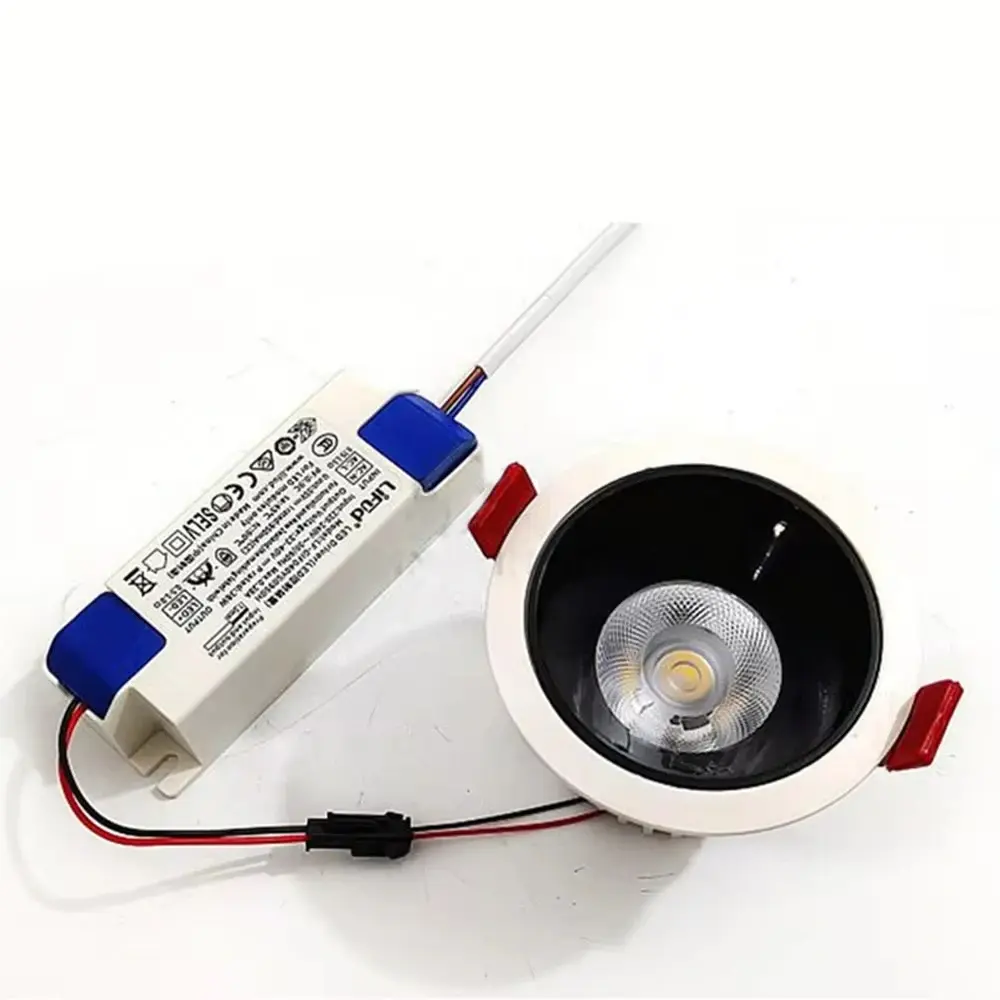
When it comes to LEDs, constant current LED power supply work like special power controllers that keep the current flow steady even if the voltage or LED load changes. LEDs need precise current control because their internal resistance changes with temperature, while most home products work on a set voltage. A 700mA driver gives off the same amount of current whether it's lighting three LEDs or thirty in series, and it does this by automatically changing the output voltage to make up for the difference.
Constant Current vs. Constant Voltage Architecture
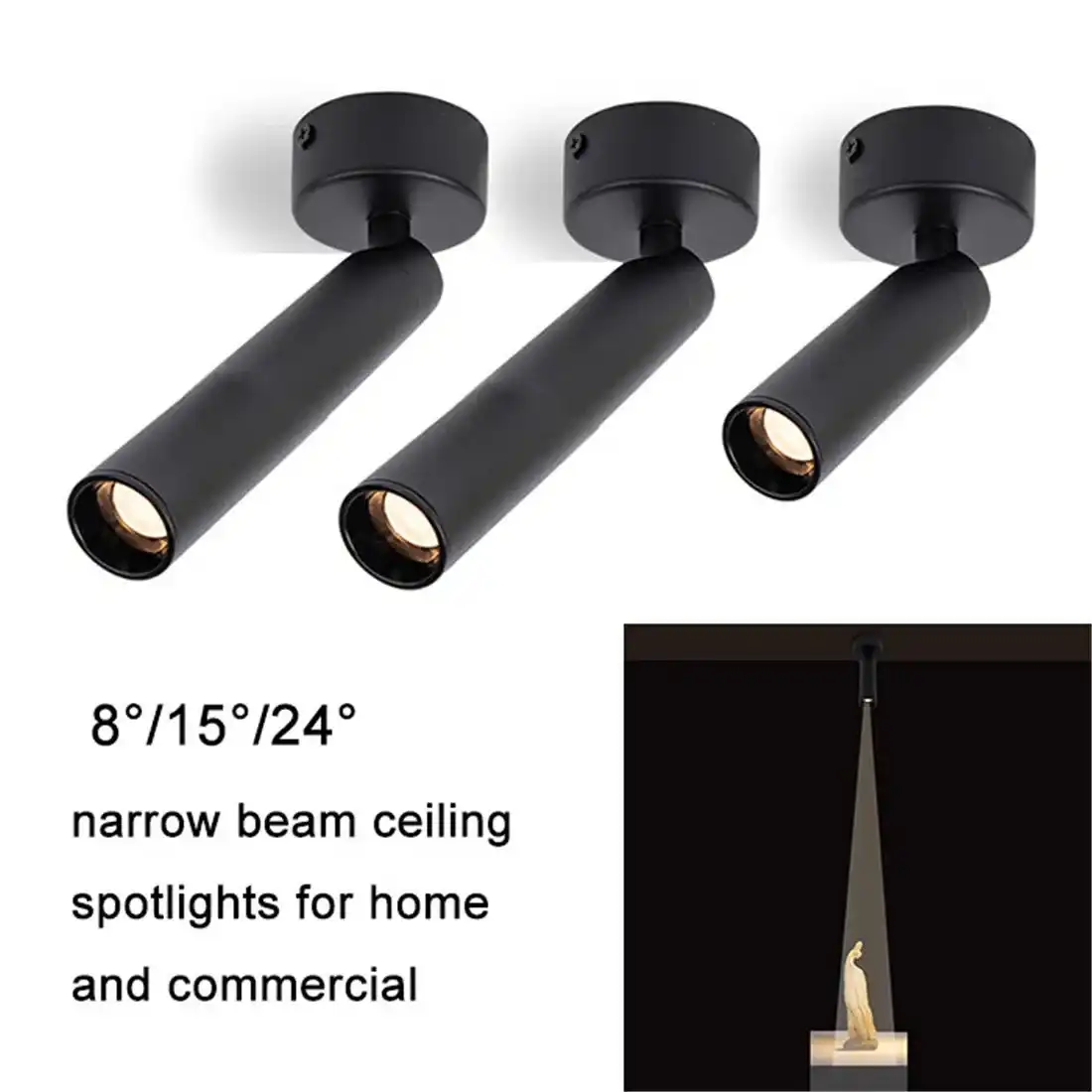
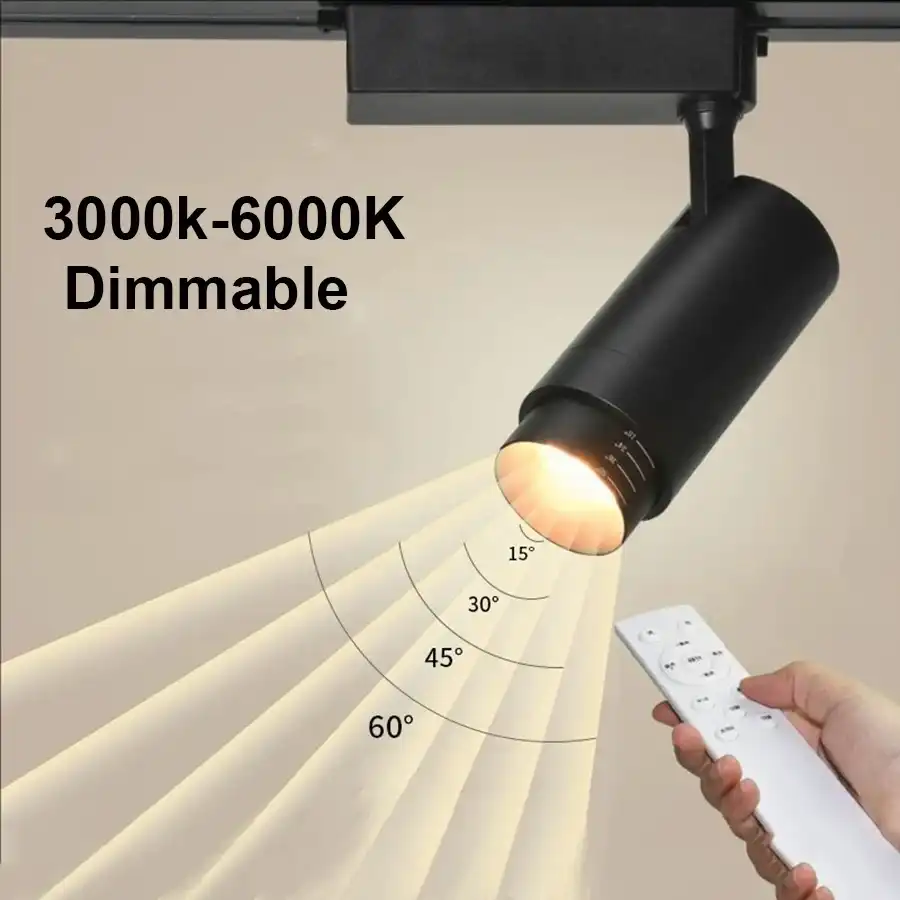
The main difference is how the rules are enforced. Constant voltage drivers keep the output voltage steady (12V or 24V on average), but the current changes depending on the load resistance. This makes them good for installing parallel LED strips with built-in resistors. Constant current drivers directly control amperage, which makes them perfect for industrial fixtures with high-power LEDs that need to keep the brightness consistent and handle heat well. We have seen that almost all commercial-grade downlights, track lighting, and architectural linear systems need steady current regulation to work as long as they're supposed to and keep the quality of the colors they show.
Basic Operating Principles
The switching power source design used by these drivers controls the output with high-frequency pulse-width modulation. The AC power that comes in is changed to DC, and then the current flows smoothly through magnetic parts that change quickly. Feedback circuits check the output current thousands of times every second and change the duty cycle to keep the setpoint accuracy within ±3%. Good units have safety features like shutting down when the temperature gets too high, reducing short circuits, and finding open circuits that stop catastrophic failures.
Key Factors to Consider When Selecting a Constant Current LED Driver
Matching Electrical Requirements
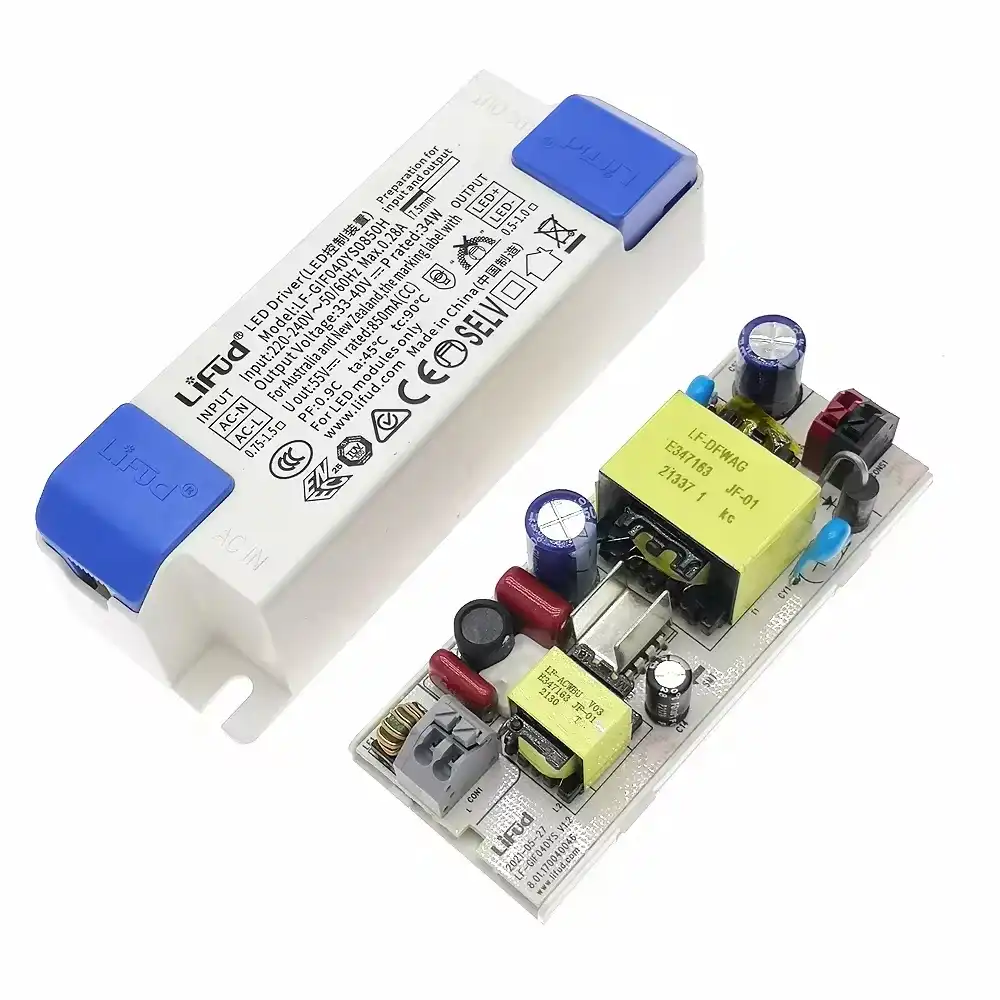
The LED specs on light datasheets are the first thing that drivers look at. The forward current grade, which is given in milliamps, tells you exactly what the driver needs to deliver. To get to its maximum power (P=V×I), a 30W LED array that is running at 700mA needs about 43V. In this case, the output voltage range is very important—your driver needs to be able to handle the voltage range of your LED setup. LEDs connected in series add up their forward volts, while LEDs connected in parallel split the power.
To account for component variation and aging effects, we suggest adding 15% to the total voltage needs when you do the math. Equal attention should be paid to dimming compatibility. Some drivers can work with phase-cut dimmers, but others make a buzzing sound. Drivers that work with 0-10V or DALI protocols easily connect to building control systems that are popular in business settings.
Critical Performance Specifications
Accuracy in current control has a direct effect on how long an LED lasts. Specifications that say they allow ±5% range let the current vary by 10% between the lowest and highest levels, which speeds up degradation when the current is high. Premium drivers stay accurate to within ±3% even when the input power changes and the temperature changes. Ratings of efficiency affect how much it costs to run and how to control the temperature.
A driver that is 88% efficient loses 12% of the power it receives as heat, so it needs bigger casings and lower ratings for places that aren't very big. For business jobs with thousands of lights that waste energy, we require a minimum efficiency of 90%. Power factor correction (PFC) is important for big systems. If the power factor is less than 0.9, it draws too much current from the utility feeds, which can lead to demand charges and may be against California and other progressive states' business building rules—making it essential to use a constant current LED power supply with proper PFC performance.
Environmental and Reliability Factors
IP (Ingress Protection) scores show how ready a setting is. Drivers with an IP65 rating can handle water jets and are good for outdoor awning lights. IP67 units can handle being submerged for a short time, which is important for lighting fountains and installing garden lighting in wet areas. When choosing drivers for outdoor use in Phoenix in the summer or Minneapolis in the winter, the operating temperature range should be carefully considered.
Industrial-grade units work regularly from -40°C to +70°C, but cheaper types don't work well below freezing. Projections of the Mean Time Between Failures (MTBF) based on MIL-HDBK-217F formulas help you measure how reliable something is. Manufacturers with a good reputation report MTBF numbers that are higher than 100,000 hours at rated settings. This means that the product will work for decades under normal business duty cycles.
Evaluating and Comparing the Best Constant Current LED Drivers on the Market
Leading Manufacturer Overview
Mean Well has become a star in its field by offering a wide range of products that can be used in almost any situation. With strong aluminum housings and active power factor adjustment, their HLG line is made for high-bay and street lighting. The business keeps its ISO 9001 certification and puts out specific technical documents that engineering teams like. Philips Advance makes drivers that are designed to work with their Luminaire systems. They also make drivers that can be used on their own and meet strict European energy standards.
Their Xitanium platform focuses on small sizes and universal input voltage (120-277V AC), which makes it easier for North American wholesalers to keep track of supplies. Osram's OT FIT platform is designed for building and retail uses that need to dim smoothly down to 1% power without flickering. We've selected their drivers for use in museum lighting, where exact control is needed to protect artwork that is sensitive to light.
Companies in Shenzhen, like Inventronics and Moso Power, have become popular by offering low prices without lowering the quality of their products. Inventronics got UL and DLC Premium listings for their EUC and EUD lines, which means that they can be bought with utility refund programs all over North America. It shocks professionals who are used to communication problems when they talk to people abroad how quickly their technology help responds. Price and quality level are somewhat related.
Economy drivers ($8–15 per unit for 1000 pieces) are good for projects that need to save money and can handle repair rounds every three to five years. For general business use, mid-tier choices ($18–35) strike a good balance between speed and value. Premium drivers, which cost between $40 and $75, come with longer warranties, better efficiency, and rates for harsh environments. These benefits make them worth the extra money in mission-critical setups where the cost of accessing repair is higher than the cost of the parts themselves.
Strategies for buying in bulk have a huge impact on the costs of a project. We work out framework deals with makers that set different prices for different quantities. For example, orders of 100 drivers might cost $32 each, while orders of 1000 drivers would only cost $24 each. Lead time promises are just as important—choosing drivers who are available for 12 weeks causes project delays when building plans get tight. Just-in-time purchasing is possible because distributors keep stock locally, but they charge 20–30% more than if you bought directly from the maker.
Customization and Partnership Value
OEM buyers want customizations that go beyond what's listed in the store. Case sizes, mounting options, output cord lengths, and even EMI filtering levels can be changed to meet the needs of a device. Manufacturers that allow custom runs of at least 500 pieces let products stand out, while manufacturers that require minimum runs of at least 5,000 pieces limit smaller lighting brands. The quality of technical help shows up during the creation of specifications. Can the maker give me photometric test results that show how well the driver works at different temperatures? Do they offer application engineering help to figure out the right driver size for your LED setup? With these skills, partners are different from sellers.
Troubleshooting and Maintaining Constant Current LED Drivers
Common Failure Modes and Diagnostics
Flickering usually means that the bare load is not enough. Many drivers need a minimum output load of 10 to 20 percent to work right; running below this level makes the system unstable. Make sure that your LED load meets the bare requirements, or look into drivers that are designed to work with low loads. Overheating happens when there isn't enough air flow or when the temperature outside goes above what is recommended.
Keep an eye on the temperature of the cage while it's working. If it stays above 80°C for a long time, you may need to improve the airflow or move the driver. Make sure that the thermal paste stays in touch with the driver baseplate and the heatsink mounting surfaces. Output fluctuation shows up as a slow loss of brightness over time. This sign usually means that the capacitors are breaking down in motors that are working above their rated temperature limits. Thermal imaging can find parts that are getting too hot, and changing the drivers is cheaper than fixing the parts individually.
Installation Best Practices
Most early mistakes can be avoided by using the right connections. When connecting DC output to LEDs, make sure the polarity stays the same. Reversed connections damage LEDs right away, even if the driver has safety circuits. Size the input wire according to the electrical code, taking into account that voltage drops over long distances between the drivers and circuit breakers. To avoid annoying trips, we require at least 14 AWG for runs longer than 50 feet at 120V. Reliability is affected by mechanical installation.
To help airflow cool the drivers, mount them with the ventilation holes facing up. Keep a 2-inch space above drivers in sealed outlets. When fixing to metal objects that will act as heat sinks, use thermal interface compound. Use strain relief and stay away from sharp bend angles to protect wire links from physical stress.
Preventive Maintenance Guidelines
Monitoring the environment stops problems before they affect activities. Checking for dust buildup, making sure connections are tight, and testing output voltage every three months can spot situations that are getting worse. Using infrared cameras to do thermal scans can show which drivers are running abnormally hot compared to nearby units, which could mean that airflow is blocked or a part is about to fail. Maintenance costs can be cut by replacing things on a schedule based on working hours instead of when they break down. If drivers work 12 hours a day in 40°C conditions, they should be replaced every 60,000 to 70,000 hours, even if no problems have happened yet. By being cautious, this method avoids having to call for help during work hours when lighting problems affect operations.
Making the Right Purchase Decision: Procurement Strategies for B2B Clients
Segmenting Procurement Requirements
OEM lighting makers focus on small sizes that allow fixtures to be made smaller, output cables that can be customized to fit production line assembly, and flexible order numbers that allow production to ramp up, especially when integrating a constant current LED power supply into their designs. We suggest building ties with your vendors instead of just buying things from them. Suppliers who care about your success will help with engineering as you develop your products and can handle fast orders when demand goes up.
Distributors and contractors stress that a wide range of products are available, that local stock eliminates wait time risks, and that expert help solves problems that come up during field installation. When project requirements call for certain driver features, multi-brand distributor relationships give you more options. However, direct maker relationships offer better prices for big projects.
When specs are set months before installation, project-specific sourcing works well for new building and renovation work. Buying in bulk at quoted prices helps keep your budget stable. Standard methods to inventory work for keeping setups that are already in place or for supporting ongoing lighting service contracts. Stock drivers that match widely installed fixtures, even if it means paying more per unit. This gives you more product freedom and quick access.
Supplier Evaluation Framework
A company's image grows over time by providing constant quality and support. Find out how long companies have been in the LED driver market—ten-year records show that they can last. Different markets have different certification needs. UL listing turns out to be necessary for business installs in the U.S. European approval is shown by the CE mark. DLC Premium approval makes it possible to get utility rebates all over North America, which cut the total cost of the project by $15 to $40 per outlet. RoHS compliance makes sure that dangerous chemical limits are followed, which is becoming more and more important even outside of European markets. Instead of believing what the seller says, check certifications through databases of testing labs. We've seen fake UL stickers on cheap imports that make it harder to file insurance claims after fails.
Reliability in lead times has a huge impact on project plans. Check the supplier's history of meeting delivery dates. Can they promise a production slot for a big order? How many extra stock goods do they keep on hand as a buffer? The level of after-sales help shows up when there are technical questions or warranty claims. Respondent providers answer emails within 24 hours and quickly send new units when something goes wrong. Before making a big purchase, check the quality of the customer service by asking technical questions and keeping an eye on the response time and quality of the answers. Manufacturers are confident when they offer promises that last longer than the standard one year. More and more premium drivers come with five-year guarantees, which make figuring out the total cost of ownership for business setups a lot easier.
Conclusion
When choosing constant current LED power supply, you have to weigh the success of the drivers technically against the needs of the business. We looked at how current regulations, rates of efficiency, and environmental certifications affect the success of a project in the long run. Because there are big differences in quality between budget and luxury drivers, they need to be carefully evaluated based on the needs of the application and how bad the failure would be.
Purchasing plans that separate the customization needs of OEMs from the stock needs of distributors improve both the fit of the product and the efficiency of the supply chain. Your choice of driver will affect project timelines, energy costs, upkeep schedules, and, in the end, customer happiness for years after the installation. Spending time on careful evaluation and source screening pays off with fewer callbacks, lower running costs, and installations that work as promised for as long as they are supposed to.
FAQ
Why choose constant current over constant voltage LED drivers?
Constant current drivers work best with high-power LED lights that need exact brightness control and the longest possible life. They change the output voltage automatically to keep the current steady, even if the temperature of the LED changes or the parts get old. Low-voltage LED tape lighting with built-in current-limiting resistors works better with constant voltage drivers. This is because freedom and parallel connections are more important than precise control.
How do I calculate required driver current rating?
Check the forward current specs from the LED maker. For industrial LEDs, this is usually 350mA, 700mA, or 1050mA. Divide by the number of strings that are running at the same time in your setup. A 2100mA (2.1A) driver is needed for a device with three strings of 700mA LEDs connected in parallel. Add 10% to account for variations in the parts and the possibility that new LEDs will need a slightly different amount of power in the future.
What IP rating do outdoor LED drivers need?
IP65 is the minimum rating for closed outdoor areas that are kept out of direct water. IP66 or IP67 for sites that will be fully open to rain and moisture. Think about using IP68 for landscape lights or water features that will be below ground and may get wet temporarily during flooding or repair.
Partner With USKYLED for Reliable LED Lighting Solutions
USKYLED combines cutting-edge LED technology with quick technical support to help B2B customers around the world find full lighting options that go beyond individual parts. Our tech team helps you choose the right driver for your device, making sure that it works well and is compatible. We keep in touch with certified constant current LED power supply manufacturers that meet UL, CE, and DLC standards and offer reasonable prices for large-scale commercial projects. Get in touch with our team at sales@uskyled.com to talk about your project needs and get personalized suggestions backed by reliable delivery dates.
References
1. Institute of Electrical and Electronics Engineers (IEEE). "LED Driver Design and Application Guidelines." IEEE Standards Association, 2021.
2. Illuminating Engineering Society (IES). "Power Supply Considerations for LED Systems." IES Technical Memorandum TM-28-2020.
3. U.S. Department of Energy. "LED Driver Performance and Reliability Study." Solid-State Lighting Program Report, 2022.
4. International Electrotechnical Commission (IEC). "IEC 61347-2-13: Control Gear for LED Modules - Performance Requirements." IEC Standards, 2020.
5. DesignLights Consortium. "Technical Requirements for LED Drivers - DLC Premium Qualification." DLC Technical Requirements Version 5.1, 2023.
6. Mean Well Enterprises. "Application Guidelines for Constant Current LED Drivers in Commercial Installations." Technical Reference Manual, 2022.

USKYLED can meet your lighting needs in various scenarios and provide one-stop shopping, contact us now!
Why You Should Choose USKYLED?
![What is Dimmable Track Lighting for Museum: Best Guide [2025]](/icms/upload/0d08cc601e7611f0b542b3ca0c0f4a83/pic/knowledgemanager-knowledgepic/e7879f32605f11f081911f363b8c1ed0/Directory/20250717 dimmable track lighting -1(1)_1752739217941.webp)